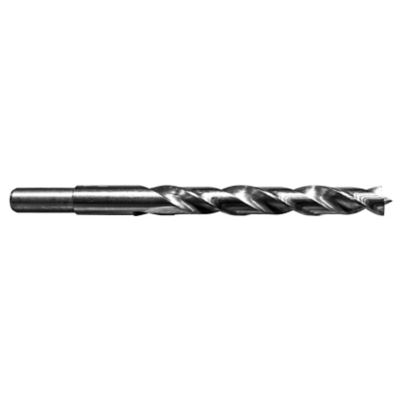
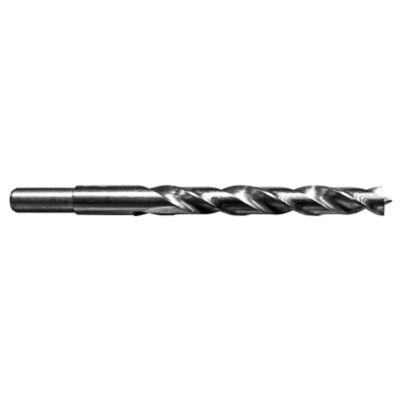
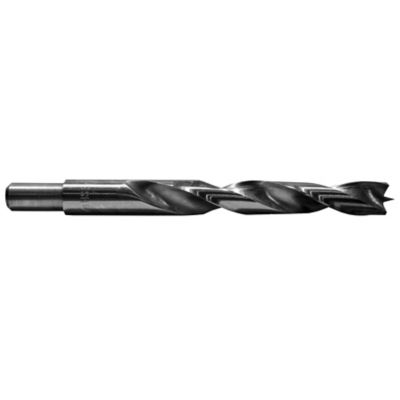
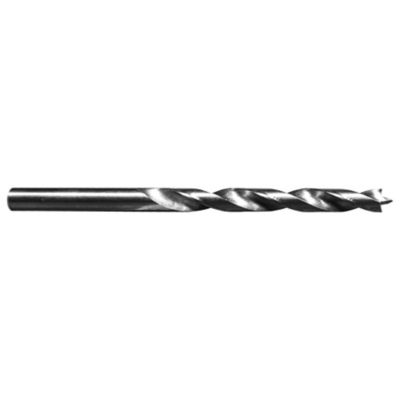
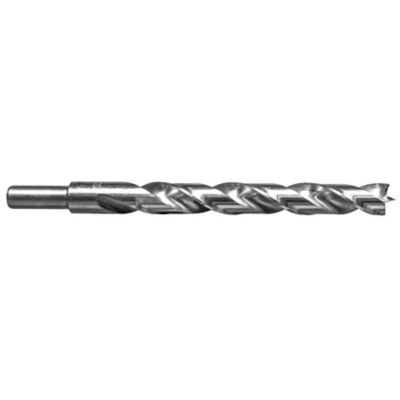
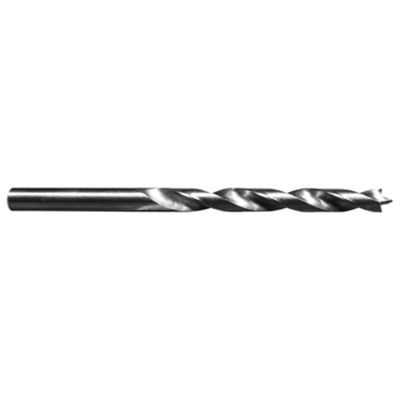
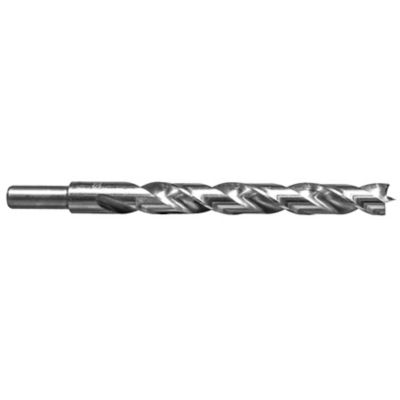
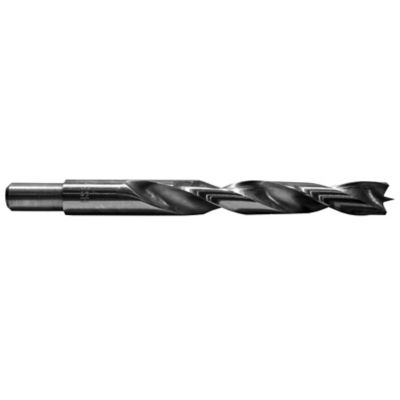
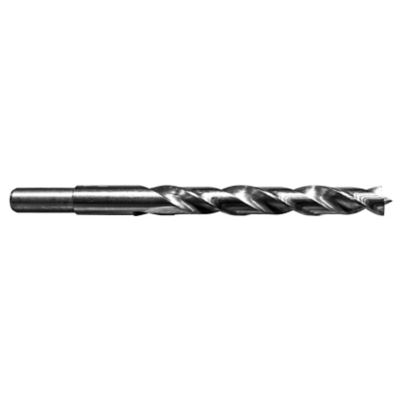
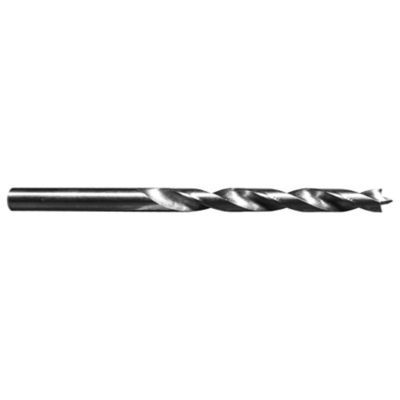
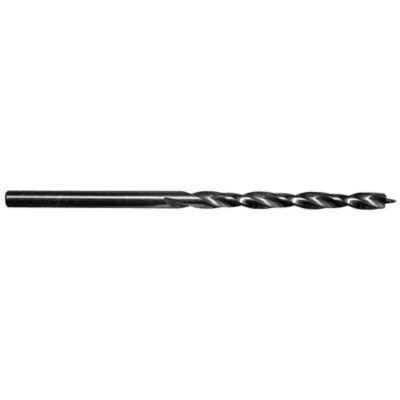
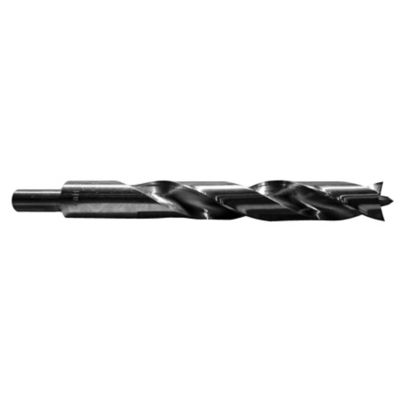
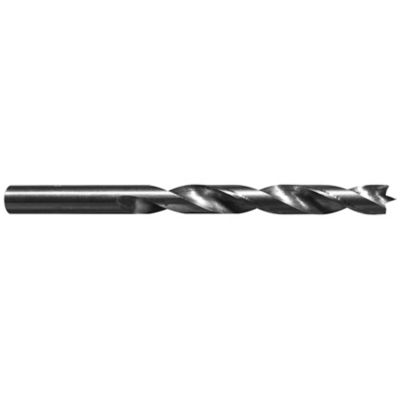
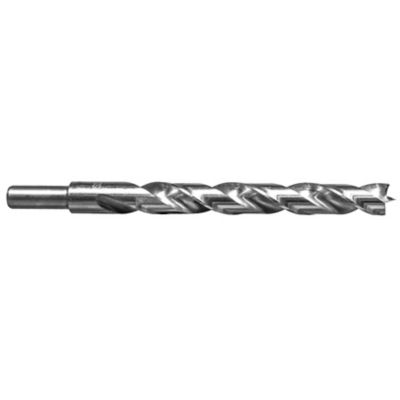
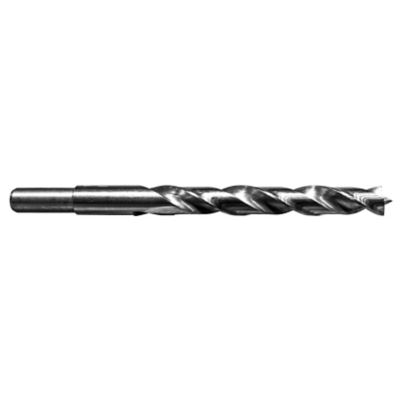
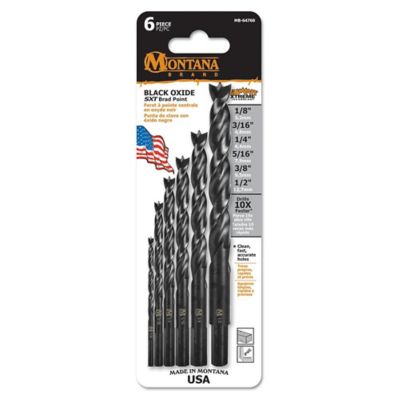
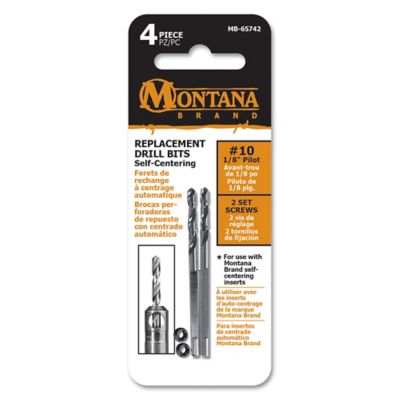
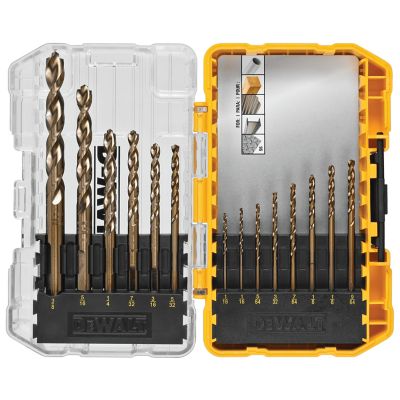
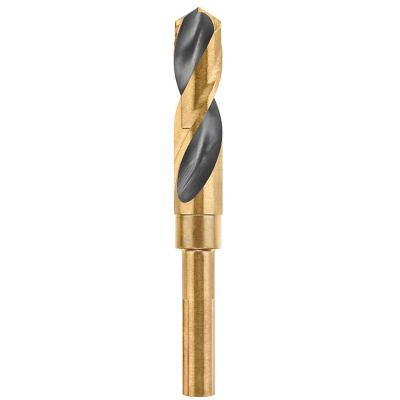
Doweling drill bits are made for one of the most dependable ways to join pieces of wood: drilling matching holes and fitting round wooden dowels between them. They are useful for furniture repairs, cabinet building, shelving, shop projects, craft work, and general woodworking around the home, barn, or garage. A properly fitted dowel helps align boards and adds strength without leaving a large visible fastener on the finished surface. These bits are designed to make clean, centered holes that accept dowels with a close fit, which is especially helpful when working with hardwoods, softwoods, plywood, and other common woodworking materials. They may be a handy addition to a woodworker’s tool collection, whether the job involves rebuilding a worn gate, repairing a chair rung, reinforcing a workbench, or making a simple set of shelves for the mudroom. They can also make a thoughtful gift for someone setting up a first workshop, learning furniture repair, or spending cooler days on indoor projects. A well-chosen bit can save time and frustration when a hole needs to land in the right place and stay there. Many woodworkers prefer brad-point designs because the sharp center point helps keep the bit from wandering when starting a hole, while the outer cutting edges score the wood fibers for a cleaner opening. You can browse
Brad Point Wood Drill Bits for options suited to clean, controlled wood drilling. For flat-bottomed blind holes, a Forstner-style bit may be a better fit, while solid carbide or TCT dowel drills are generally intended for high-volume, machine-guided work such as CNC routers, boring machines, or production settings. The right style depends on the material, the type of joint, the number of holes to make, and whether the work will be done by hand, with a drill press, or through a doweling jig.
Matching the bit diameter to the dowel is one of the most important details when shopping for doweling drill bits. A dowel and bit should be the same nominal size, such as a 1/4-inch, 5/16-inch, or 3/8-inch pairing, so the joint has enough room for glue without becoming loose or difficult to assemble. It is worth checking the actual dowel and bit measurements when a precise fit matters, since wood can vary slightly with moisture and storage conditions. A hole that is too small may split the workpiece or prevent the joint from closing, while one that is too large can leave a weak, sloppy connection. Length matters, too. Choose a bit that reaches the required depth without forcing the drill at an awkward angle, and consider whether the bit is intended for shallow blind holes, deeper holes, or through-holes. Depth stop collars are useful when a hole must stop before breaking through the opposite side of a board. They help protect visible surfaces and make repeated holes more consistent, which is handy when lining up several dowels across a cabinet panel or tabletop. A doweling jig, drill block, or other guide can help keep the bit perpendicular to the workpiece and is especially helpful for beginners, repair work, and projects with multiple matching joints. Even a careful hand can drift when drilling into a broad board, particularly near a knot or across end grain. When I’m working on a repair that needs to look like it belonged there all along, I like to mark the centerlines clearly, support the board on a solid surface, and make a light starter cut before applying steady pressure. That small bit of preparation often makes the difference between a clean joint and a hole that needs to be patched.
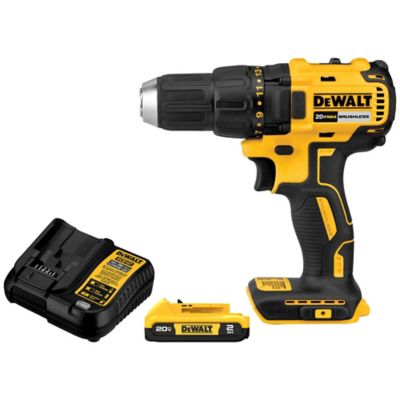
Before choosing doweling drill bits, consider the drill or machine they will be used with, the chuck size, the bit’s shank style, and the kind of wood on the project bench. A bit that works well in a handheld drill may feel different in a drill press, while machine-rated options may not be appropriate for casual hand use. Sharp cutting edges, a centered point, and smooth chip removal all contribute to cleaner holes and easier assembly. For a long row of dowels, a design that clears chips efficiently can help reduce heat and binding. When drilling deeper holes, backing the bit out occasionally allows sawdust to escape instead of packing tightly into the hole. Clamping the work securely helps prevent movement, and a scrap board beneath the piece can reduce breakout as the bit exits. Use eye protection, keep loose clothing and hair away from rotating tools, and follow the instructions for the drill, bit, jig, and any depth collar being used. Wood glue, dowels, clamps, and a square are often kept nearby so the joint can be dry-fitted before glue is added. This lets you check alignment while adjustments are still easy. Doweling bits are useful for small household fixes as well as larger woodworking jobs: a loose stool rung, a cracked drawer front, a garden bench, or a handmade keepsake box can all benefit from a neatly aligned dowel joint. During the warmer part of the year, they can help with outdoor furniture and property projects; during the cooler months, they fit right in with shop work and indoor repairs. Look for the diameter, cutting style, overall length, shank compatibility, and depth-control features that match the work you expect to do. With the right fit and a steady setup, doweling drill bits can help turn separate boards into sturdy, tidy-looking projects built to handle everyday use.