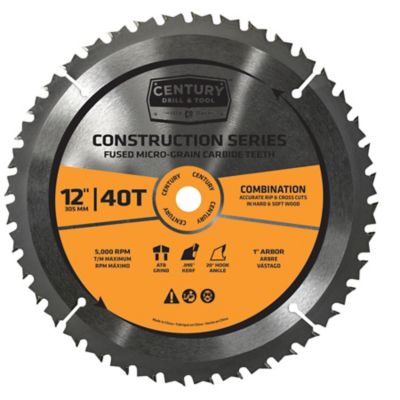
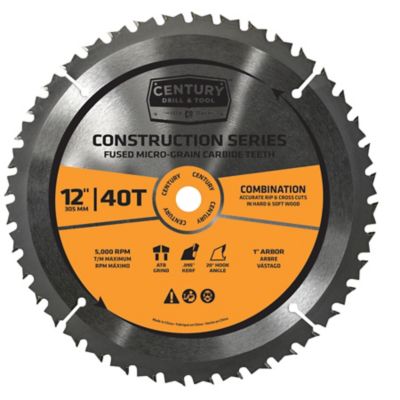
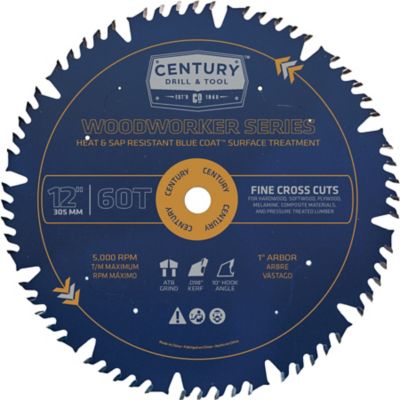
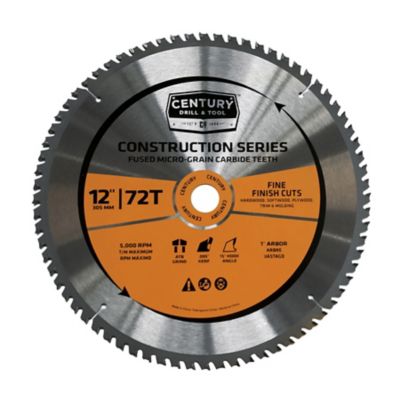
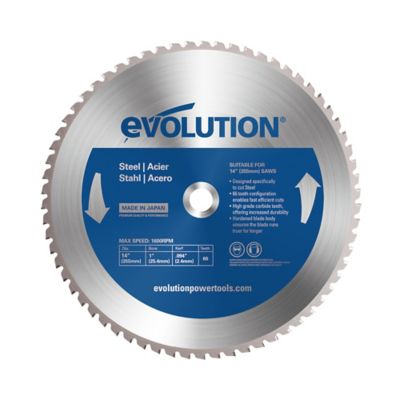
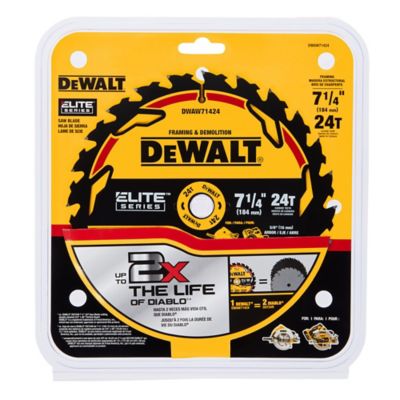
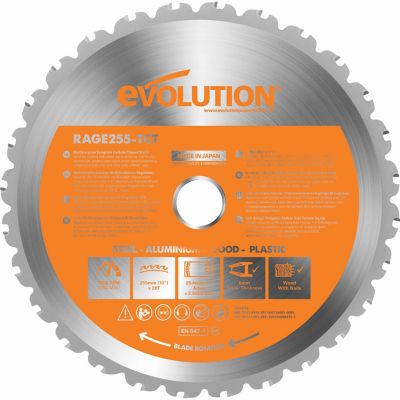
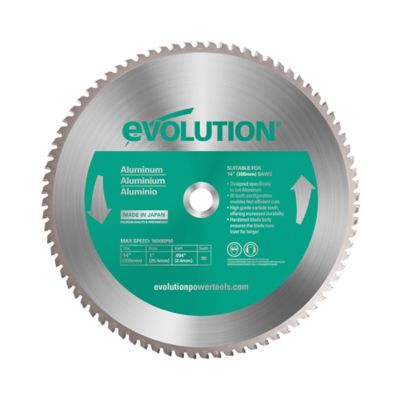
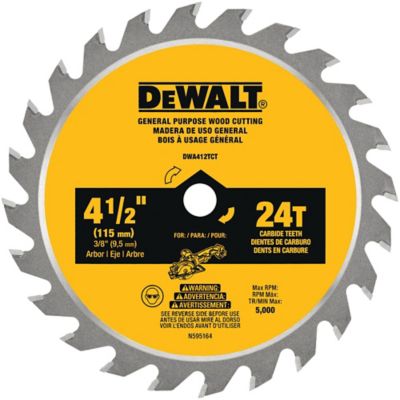
A 12 inch saw blade is a common choice for larger miter saws and table saws used in the shop, garage, barn, or on a jobsite. With the right blade installed, a saw in this size class can handle everything from quick cuts through construction lumber to clean crosscuts on trim and hardwood. Before choosing a replacement, check the saw’s owner’s manual and the markings on the blade currently in use. Many 12 inch blades are made with a 1-inch arbor hole, but arbor size, maximum RPM, kerf width, and saw compatibility can vary. The blade’s maximum speed should always meet or exceed the speed of the saw, and the arbor must fit securely without forcing the blade into place or using mismatched parts. It also helps to think about the work that fills your days. A homeowner building raised beds, repairing fence sections, or cutting framing boards may value a durable general-purpose blade that moves quickly through ordinary lumber. Someone installing baseboard, making cabinet parts, or working on furniture will usually get better results from a blade designed for a smoother, cleaner cut. During the cooler months, when indoor shop projects and repair work often pick up, having the proper blade ready can save a trip to town and help keep a project moving from the first rough cut to the final fitting.
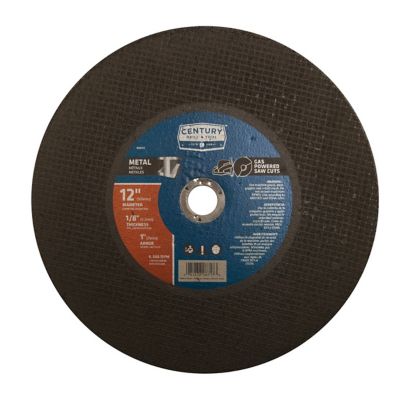
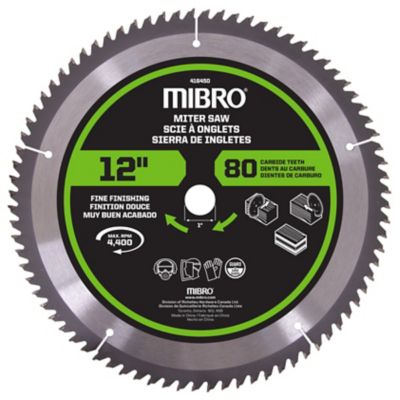
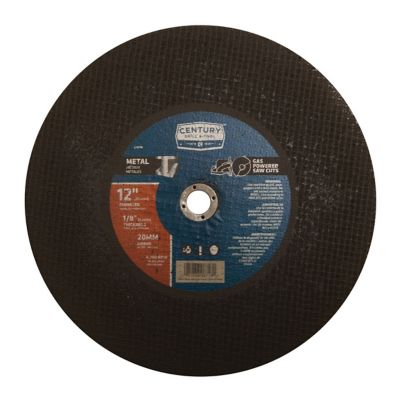
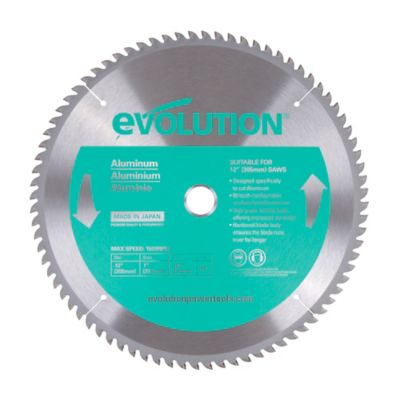
Tooth count is one of the simplest ways to narrow the selection. Blades with roughly 24 to 40 teeth are often suited to fast ripping and general construction work, especially when cutting boards lengthwise with the grain. They remove material quickly and are a practical match for framing lumber, dimensional boards, and other jobs where speed matters more than a furniture-grade edge. A blade in the neighborhood of 60 teeth offers a useful middle ground for many people who want one blade for a mix of ripping and crosscutting. For trim, molding, shelving, hardwood, plywood, and other work where the cut edge will be seen, 80 to 100 teeth can produce a finer finish with less splintering when the blade is matched to the material and the feed rate is steady. More teeth do not automatically make a blade better for every task; a very fine blade can cut more slowly and may not be the right choice for thick stock or long rip cuts. Tooth geometry matters, too. Alternate top bevel, often called ATB, is commonly used for clean crosscuts in wood because the angled teeth score the fibers as they pass through. Flat top grind, or FTG, can be a good fit for ripping along the grain and clearing chips efficiently. Combination designs balance both jobs. Thin-kerf blades remove less material, which can make a saw feel quicker and reduce waste, while full-kerf blades provide a wider, sturdier cut and may be preferred for demanding work when the saw has enough power. Coatings made to reduce friction and resin buildup can help control heat during repeated cuts, particularly when working with pitchy lumber or making a long series of cuts. If a blade will be used on metal, masonry, tile, or another material besides wood, choose a blade specifically rated for that material rather than relying on a wood-cutting blade.
The best 12 inch saw blade is the one that suits both the saw and the work in front of it. Look at the material label, tooth count, tooth design, kerf, arbor hole, and RPM rating together instead of judging by one feature alone. A clean, sharp blade should feed smoothly without excessive pushing, burning, wandering, or chattering. If the saw starts leaving rough edges, producing smoke, or requiring extra force, stop and inspect the blade, stock, and saw setup. Sap and adhesive can collect on the teeth, while a blade that has struck a nail or hidden fastener may be damaged even if the problem is not obvious at a glance. Unplug the saw or remove its battery before changing a blade, use the correct wrench and direction, and make sure the guard moves freely after installation. Eye and hearing protection, a stable work surface, proper support for long boards, and a clear path for the cut all matter just as much as the blade itself. Keep hands away from the cutting line, never reach behind a spinning blade, and let the blade come to a complete stop before setting the saw down. For additional options across different saw types and materials, browse
Power Saw Blades. A 12 inch blade can also make a practical gift for a woodworker, handy neighbor, contractor, or family member who spends weekends fixing the barn, building furniture, or tackling home improvements. Pairing the blade with a sturdy case, replacement accessories, or basic shop safety gear makes the gift useful without guessing at a particular project. As the weather shifts and more time is spent indoors or under cover, the right blade helps turn a stack of boards into shelving, a workbench, repairs, and finished projects with cuts that fit the way they should.