
























Sandpaper
Pickup
Delivery
Stocked & Ready
Auto order and save everyday
Sort by Most Popular
Pickup
Delivery
Sandpaper (40)



Compare
Add up to 4 items
Top Rated
-
Top Rated
-
-
Top Rated
-
Subscription Eligible
-
Top Rated
-
Top Rated
-
Top Rated
-
-
-
-
-
Top Rated
May We Recommend
-
Top Rated
-
Top Rated
-
Top Rated
-
-
Top Rated
-
-
Top Rated
-
Top Rated
-
-
Top Rated
-
Top Rated
-
Sandpaper
Achieving a flawless finished surface depends largely on precise sanding and drywall work performed at the correct stages using the appropriate materials. Tractor Supply stocks sandpaper in formats and grits suited to everything from early rough removal to final finish sanding.
Grit, Grade and Getting the Job Done
Sandpaper removes material by dragging abrasive particles across a surface, cutting away roughness, old paint coatings or uneven patches, so what goes on next adheres and looks even. The grit number for sandpaper products measures how coarse or fine the abrasive is.
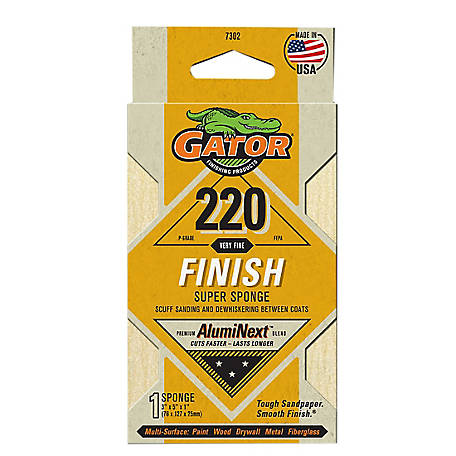
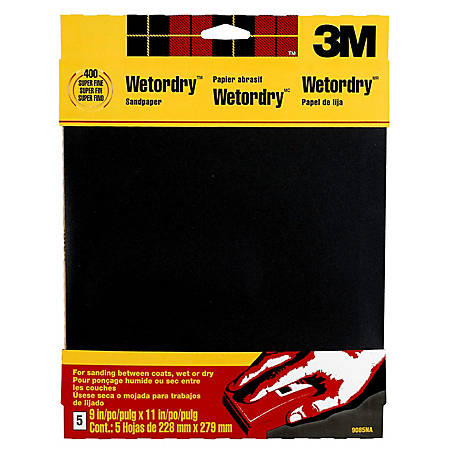
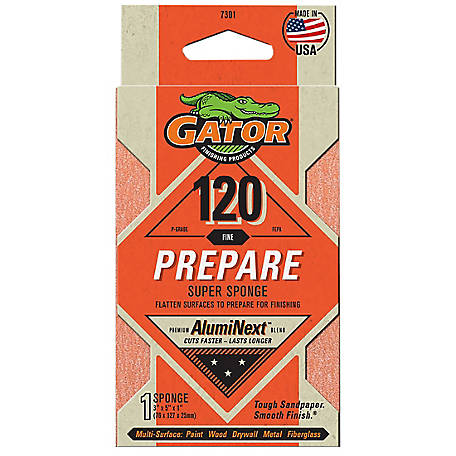
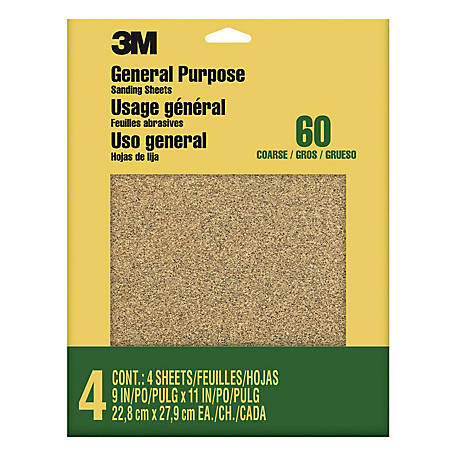
Low grit numbers produce a more aggressive cut, while high grit numbers produce a finer finish. 60- or 80-grit take on stripping and heavy leveling. Medium grades from 100-150 are the workhorse range for general sanding and painting prep, bringing surfaces to a point where finer work can begin. Fine grades from 180-220 prepare the surface for a final coat, and very fine grades from 400-600 are used for finish sanding and wet sanding, where texture must be kept to a minimum. Our selection includes every level of grade for every type of sanding project.
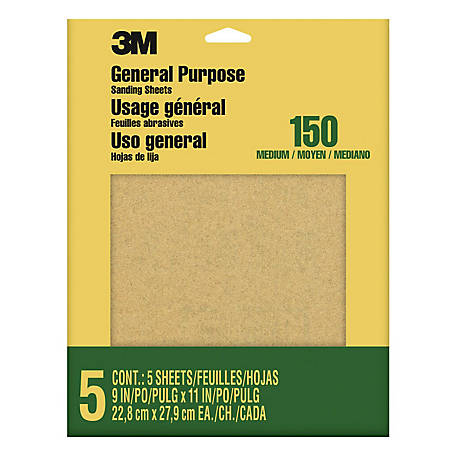
Flat Sheet Sandpaper
Cabinet doors, drywall patches and wood panels are typical candidates for sheet sandpaper, which is built for flat, open surfaces. Sheets are sized to fit hand-sanding blocks and orbital sanders, maintaining even contact across the surface. Many use aluminum oxide as the abrasive, a material that stays effective over multiple passes on both wood and painted surfaces. Wet-or-dry versions can be used with water during finish sanding to flush away debris, reduce heat and extend the time between sheet changes.
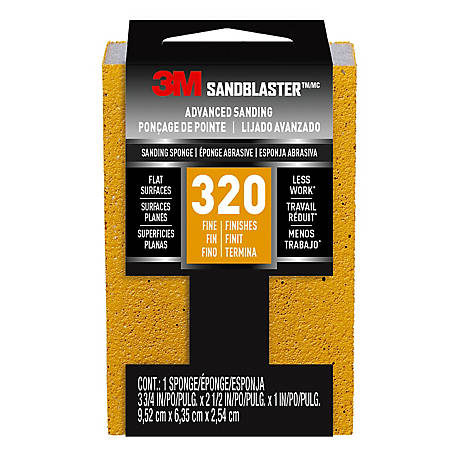
Foam Sanding Pads
Sanding a flat surface is straightforward, but getting into curves, rounded edges and inside corners is where sheet sandpaper tends to fall short. A sanding sponge is designed to flex and conform to the surface it contacts, keeping the abrasive in full contact rather than skipping over craters. Foam pads are firmer and better suited to areas that need consistent pressure on a surface with little shape. Sponges can be rinsed out and reused for wet sanding, while foam pads are typically single use.
Abrasive Rolls
A roll of sandpaper solves a basic problem: some jobs need more material than a small pack of sheets provides, and a roll lets you cut exactly what the task calls for without waste. That adjustable length also makes rolls a natural fit for spindles, table legs and other long, narrow pieces that pre-cut sheets do not cover efficiently. Rolls load directly into drum and belt sanders when Life Out Here requires heavy-duty sanding.
Shop Sandpaper from Tractor Supply
Sandpaper does more than one job across a typical project, and matching the format and grit to each phase is what separates a surface that looks finished from one that still needs work. Sheets, pads and rolls each bring different strengths, depending on the surface shape and the stage of the job. Find the right sandpaper style for your next home improvement project on our website or at your local Tractor Supply store.