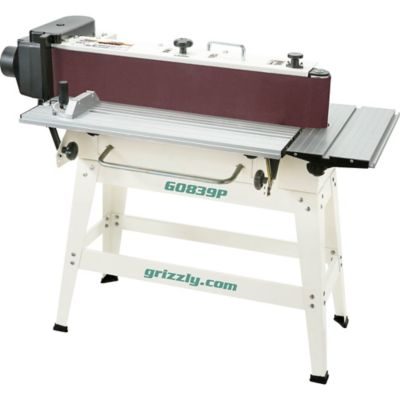
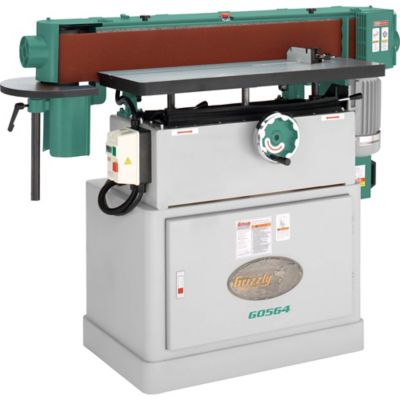
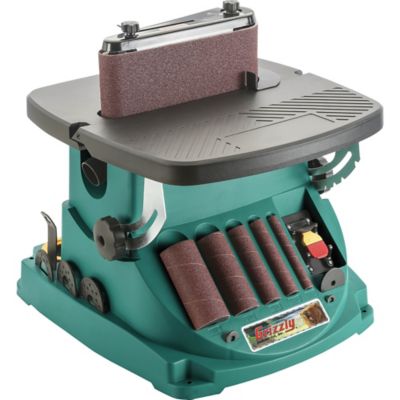
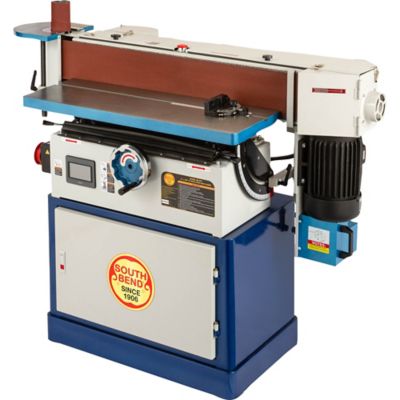
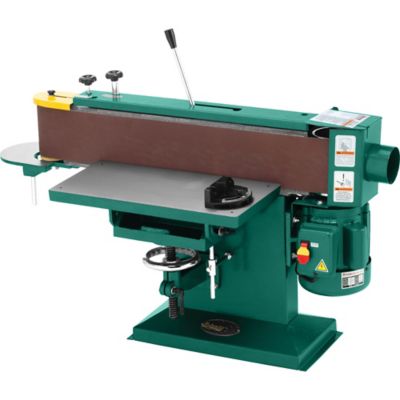
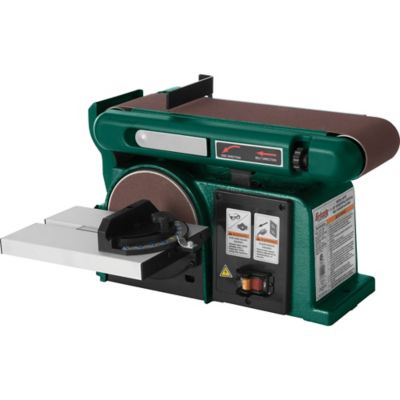
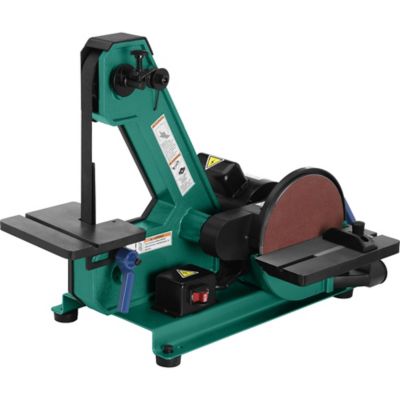
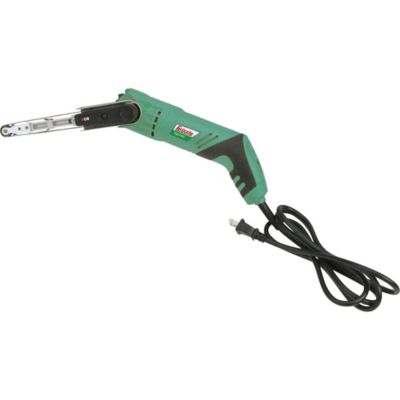
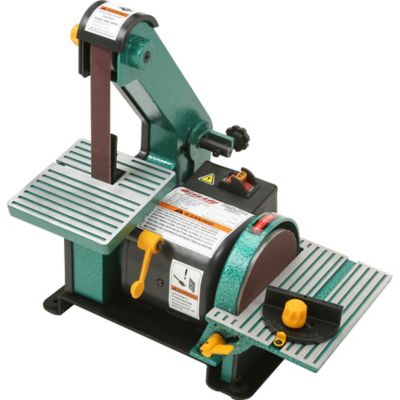
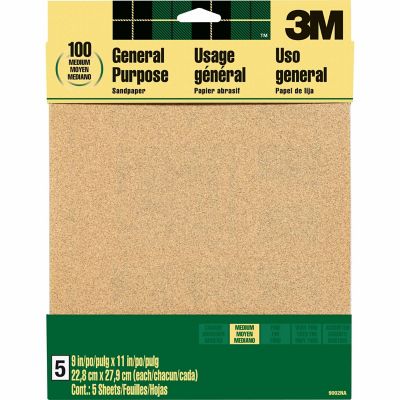
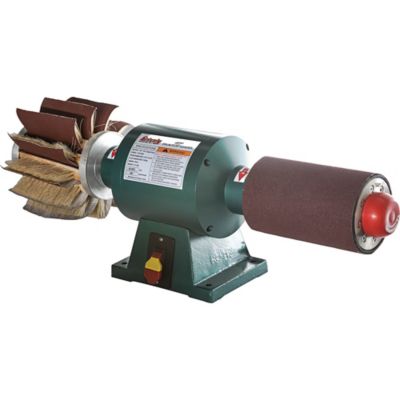
Edge sanders help turn rough, uneven edges into clean, finished surfaces, whether you are building furniture, fitting cabinet parts, repairing a farmhouse table, or bringing an older hardwood floor back to life. The term “edge sander” commonly refers to two different types of equipment, so it pays to match the tool to the job before making a purchase. Stationary edge sanders are woodworking machines used at a bench or on the shop floor. They use a continuous sanding belt stretched over a flat platen to smooth the edges of boards, panels, glued-up pieces, and other workpieces. A benchtop model can be a handy fit for a home workshop, while a larger floor-standing machine offers more working room and stability for regular production or heavier lumber. Many stationary sanders include a tilting table, often ranging from flat to roughly 45 degrees, for creating bevels and angled edges. Some also use an oscillating belt that moves up and down as it sands. That motion helps spread wear across the abrasive, reduces heat buildup, and lowers the chance of leaving dark burn marks on wood. Look for a solid table, easy-to-reach controls, reliable belt tracking, dust collection options, and a motor sized for the kind of material you expect to sand. A sturdy machine matters when you are working with wide boards or holding a piece steady through a long pass. It should sit firmly without rocking, and the sanding surface should remain square or hold its set angle without drifting. Belt size and replacement availability are worth checking, too, since a less common abrasive can be harder to keep on hand when a project is underway. Choose the grit according to the work: a coarse abrasive removes saw marks and uneven glue joints, while medium and fine grits leave an edge ready for paint, stain, or clear finish. For the cleanest results, take several light passes instead of forcing the board into the belt. That approach gives you better control and helps preserve crisp corners. A stationary edge sander can be especially useful for cabinetmakers, hobby woodworkers, maintenance crews, and anyone who turns rough-sawn lumber into shelves, benches, trim, signs, or small replacement parts. It also makes a thoughtful gift for a woodworker setting up a first serious shop, provided there is enough room, a suitable work surface, and a safe way to handle dust and electrical power. During the warmer months, it may see steady use on outdoor furniture repairs and building projects; when the weather turns cooler, it can keep an indoor workshop productive while you work on holiday gifts, household repairs, and furniture refinishing.
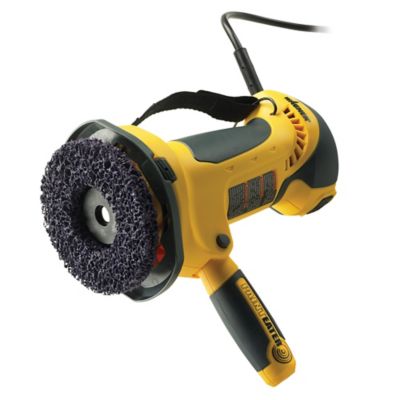
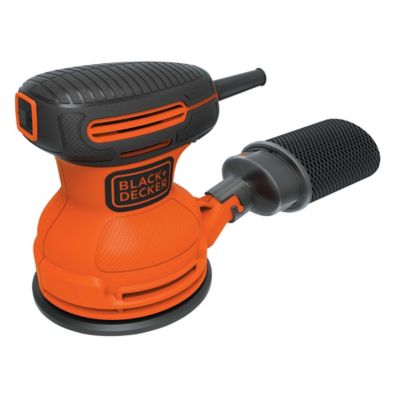
For hardwood floor work, an edge sander is a different tool altogether. Also called a floor edger, it is a portable, two-handed machine made to reach the perimeter of a room where a large drum or belt floor sander cannot work. The round sanding disc rides close to baseboards and walls, helping remove old finish, level worn areas, and prepare the edges of floors, stair treads, closets, and other tight spaces. A floor edger is commonly guided on wheels or rollers with the disc held flat against the floor. Because this work takes place close to walls, it demands a steady stance, controlled movement, and patience around corners and door jambs. A machine with comfortable handles, balanced weight, straightforward disc changes, and a dust-control option can make a long refinishing job less tiring. Check the disc diameter, abrasive attachment method, cord length or battery system where applicable, and the availability of replacement sanding discs. For a full-room project, the edge sander and the main floor sander should use a compatible progression of grits. Many professionals begin with a coarse grit to remove stubborn finish and level the edge, then move to medium and fine grits as the floor becomes smoother. The exact sequence depends on the floor’s condition, the finish being removed, and the recommendations for the equipment and abrasive. Avoid skipping too far between grits, since deep scratches left by a coarse disc can remain visible beneath stain or sealer. Keep the sander moving at a measured pace rather than pausing in one spot, and take extra care on soft wood, thin flooring, patched areas, and edges that have already been worn down. A floor edger may be a practical purchase for contractors, rental operators, property managers, restoration crews, or homeowners who expect to refinish more than one room over time. For a single repair, some shoppers compare the cost of ownership with the cost of renting, including abrasives, maintenance, and storage. If you are working around a small area by hand rather than using powered equipment,
Manual Edgers may be worth considering for lighter-duty edging and detail work. Either way, protect nearby walls and trim before sanding, and plan for dust even when a collection system is attached. Old floor coatings may contain unknown materials, so testing and proper protective equipment are important before disturbing them, especially in older homes.
Safety and setup make as much difference as the machine itself. Read the operating instructions before use, keep guards and covers in place, and wear eye protection, hearing protection, sturdy footwear, and a properly fitted dust mask or respirator suited to the material and coating being removed. Tie back long hair, secure loose clothing, and keep hands away from moving belts, discs, and pinch points. Inspect boards for nails, screws, staples, stones, or other metal before they reach a stationary sander, and remove floor hardware before edging a room. Connect dust collection when the equipment allows it, but do not rely on collection alone; fine wood dust can settle on shelves, rafters, and work surfaces like flour. Clean the machine and surrounding area regularly, and follow safe practices for storing or disposing of sanding dust, especially when it may contain finish residue. Before choosing an edge sander, think about the size of your workspace, the material you will sand most often, the amount of use you expect, available power, noise, dust control, abrasive cost, and the service or replacement parts you can obtain. A small shop machine may be easier to store and perfectly suited to trim, furniture, and weekend projects, while a heavier unit may be the better fit for repeated cabinet work or a busy repair operation. For floor refinishing, balance machine weight and power with your ability to guide the tool comfortably along a wall for several passes. The right edge sander should fit your hands, your workspace, and the work waiting in front of you. With the correct abrasive, a clean setup, and a light, even touch, it can take a rough edge that catches on a fingertip or a tired strip of flooring and leave behind the smooth, ready-to-finish surface your project needs.