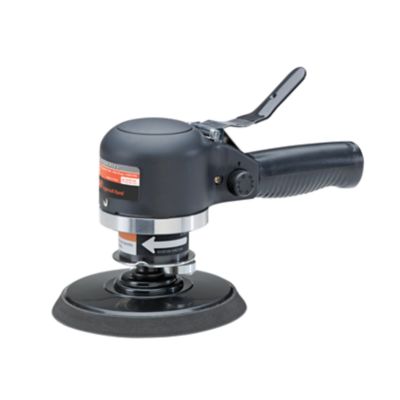
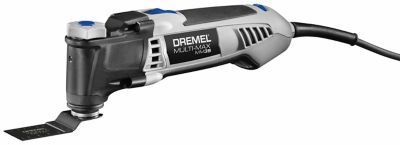
A wall sander smooths drywall joint compound and other suitable wall or ceiling surfaces before priming and painting. Also called a drywall sander, it helps level dried seams, soften patch edges, and knock down small ridges that can show through a finished coat of paint. That matters in a spare bedroom just as much as it does in a farmhouse kitchen, where afternoon light across the wall has a way of showing every raised line. Wall sanders range from simple manual tools to electric models built to cover broad surfaces with less repetitive handwork. Manual pole sanders hold sandpaper or sanding screen on a head attached to a long handle, giving you reach and direct control over pressure. They make sense for occasional repairs, modest room projects, and finish work where a powered tool would be more than the job calls for. Electric drywall sanders move an abrasive disc with a motor and often have an extended handle for working across walls and ceilings. Their larger sanding heads can help keep a whole-room project moving, especially when there are plenty of taped seams to smooth. Compact hand sanders, including versions that connect to a vacuum, offer closer control around patches and tight spaces. The best fit depends less on getting the biggest motor and more on the amount of sanding ahead, the surface material, and how comfortably you can handle the tool. A homeowner freshening up a mudroom may have different needs from a remodeler finishing several rooms or a property caretaker handling repairs between tenants. Drywall compound is relatively soft, while plaster and coated surfaces can call for different abrasives and equipment ratings. Matching a wall sander to its intended surface helps avoid unnecessary damage and extra patching. These tools are for surface preparation, not for straightening a badly uneven wall or replacing repairs to loose material underneath.
Reach, weight, and balance deserve a close look when comparing wall sanders. A telescoping handle can bring higher sections within reach, but maximum handle length does not tell the whole story. Your height, ceiling height, working angle, and the location of the motor all affect how the tool feels in your hands. An electric sander that feels manageable at waist level may feel much heavier during extended ceiling work. A comfortable grip and well-balanced design can matter more over a long afternoon than a small difference in motor power. Pivoting sanding heads help maintain contact as the angle changes, though they still need controlled pressure to avoid digging into the surface. Variable-speed controls let you adjust sanding action to the compound and abrasive rather than running at one pace for every task. Lower settings can offer more control on delicate finishing work, but speed adjustment alone will not prevent gouges or damage to drywall paper. Abrasive grit, pressure, and time spent in one spot matter, too. Sanding-head size is another practical consideration: a broad round head covers open areas efficiently, while inside corners and narrow strips often need a smaller hand tool. Removable edge sections on some designs allow closer access along adjoining surfaces without eliminating every bit of detail work. Check the specified abrasive diameter, attachment style, and dust-hole pattern before buying replacement discs. Commonly available abrasives can make it easier to keep a project moving when a disc wears out halfway through a room. Coarser grits remove material faster but leave deeper scratches; finer grits suit lighter smoothing and finishing. The compound manufacturer's recommendations are a useful starting point for choosing grit. Corded and cordless designs also bring different trade-offs, including outlet access, cord management, battery compatibility, and runtime. For a gift, those details are worth knowing ahead of time, especially if the person doing the work already has batteries, a dust extractor, or a preferred abrasive system.
Dust collection is one of the biggest differences between wall-sanding setups, particularly when the work takes place in a home rather than an empty building. Drywall dust can settle on shelves, track down a hallway, and find its way into spaces well beyond the repair. A vacuum-compatible wall sander captures dust near the sanding head, helping reduce airborne particles and the cleanup that follows. It does not make the job dust-free. Collection performance depends on the head design, abrasive openings, hose connections, airflow, and filtration working together. A built-in collection feature is not necessarily the same as a separate dust extractor, and an ordinary shop vacuum may need manufacturer-approved fine-dust filtration and a suitable collection bag. Hose diameter and adapter compatibility are worth checking before purchase; a connection that almost fits is a nuisance once you're moving along a ceiling seam. Hose length also affects freedom of movement, while a stiff or heavy hose can add drag at the handle. For indoor projects during the cooler months, when doors and windows may stay closed more often, planning for dust containment is especially important. Eye protection and respiratory protection appropriate to the material remain part of the job, even with extraction attached. Older painted surfaces deserve extra care: homes built before 1978 may contain lead-based paint, and suspect coatings or textured materials should be assessed before sanding. Those concerns apply whether you're tackling one patch behind a door or preparing an entire room. Beyond dust control, consider storage space, replacement-part availability, and what comes with the tool, since hoses, abrasives, batteries, and collection equipment may be separate purchases. Wall sanders and
Floor Sanders handle different parts of a renovation, and neither should be assumed to stand in for the other. For walls, the right setup is one that suits the surface, reaches the work comfortably, and offers manageable sanding control. From a repaired nail pop in the hallway to fresh drywall in a finished workshop, a well-matched sander helps leave a smoother surface ready for the next stage of the job.