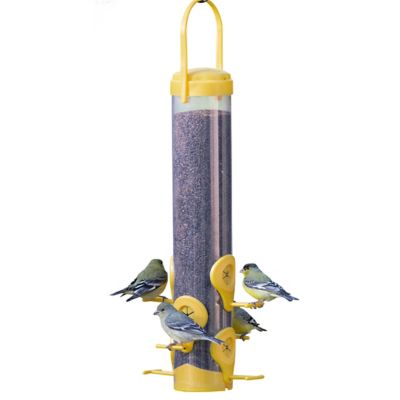
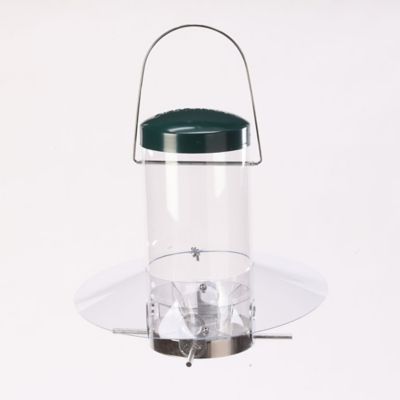
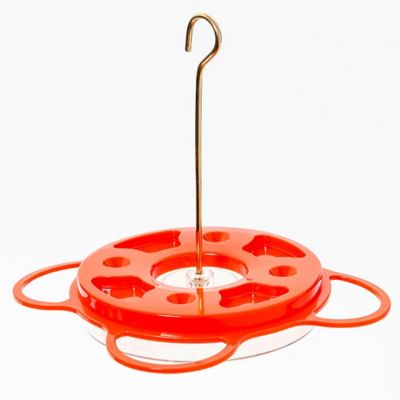
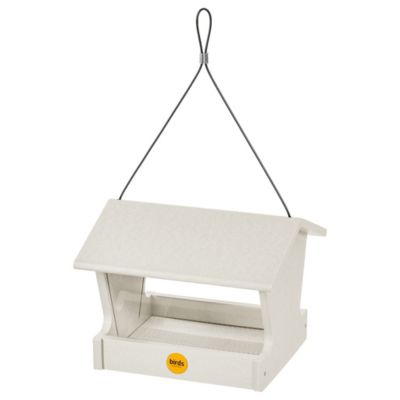
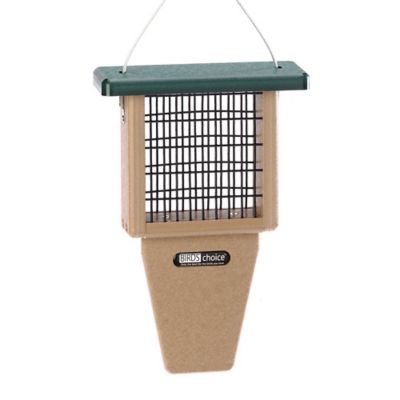
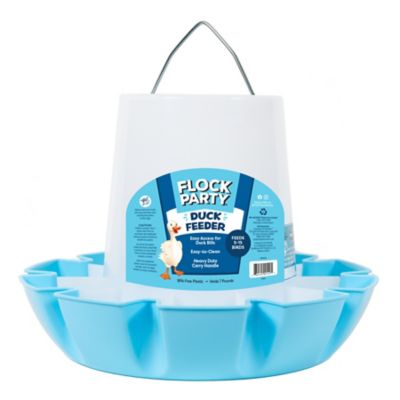
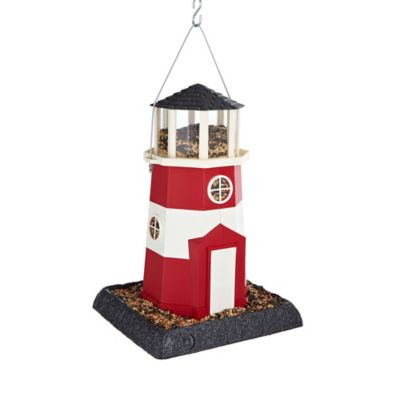
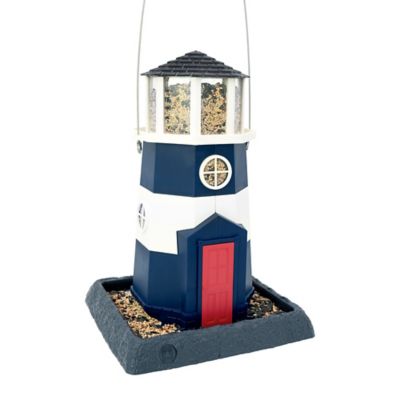
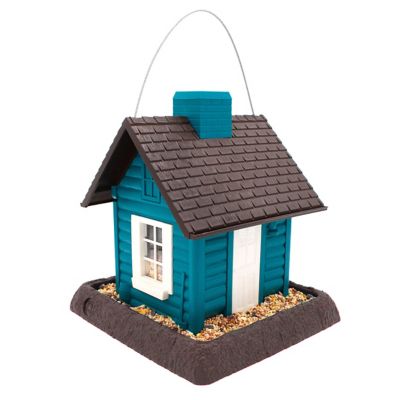
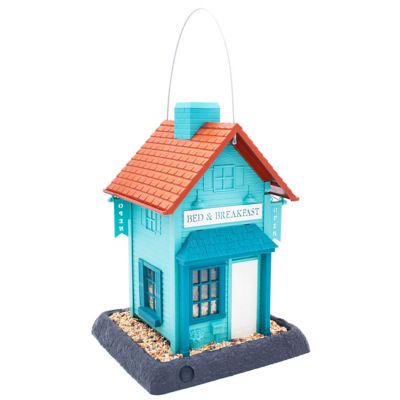
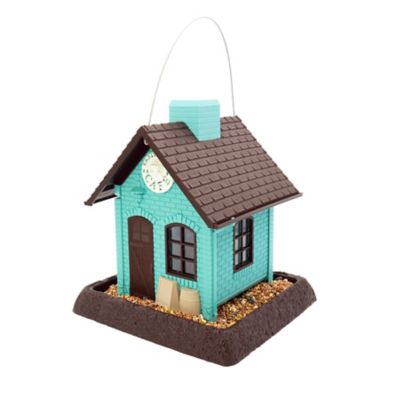
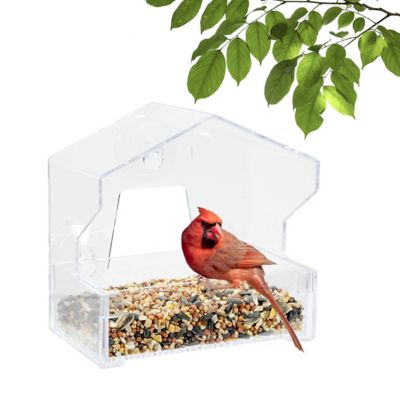
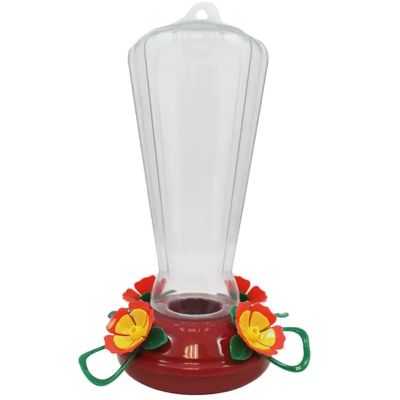
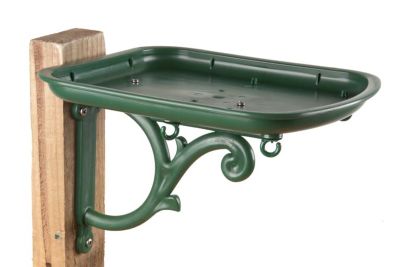
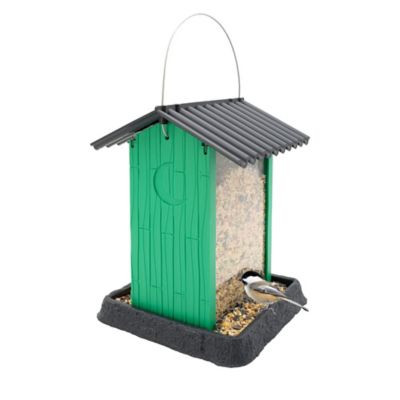
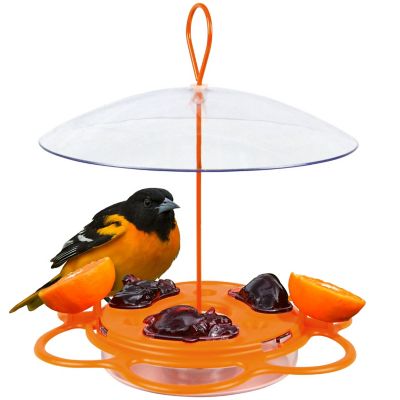
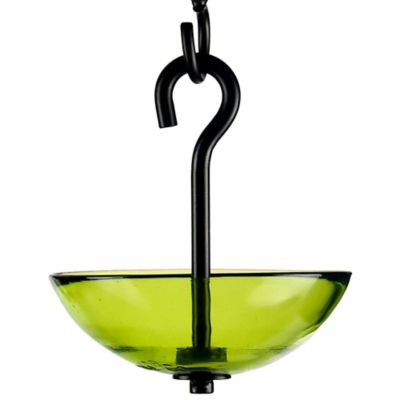
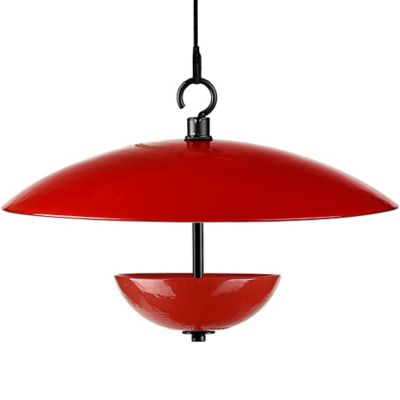
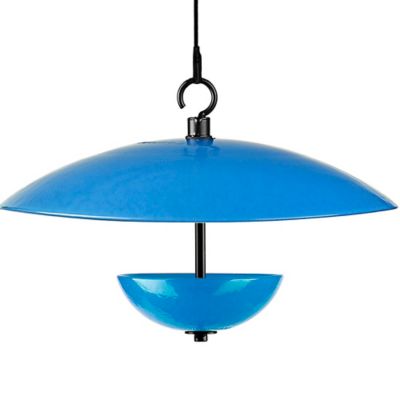
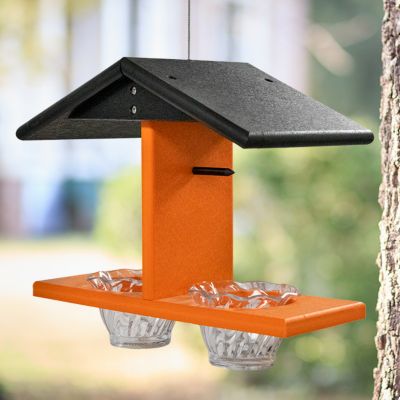
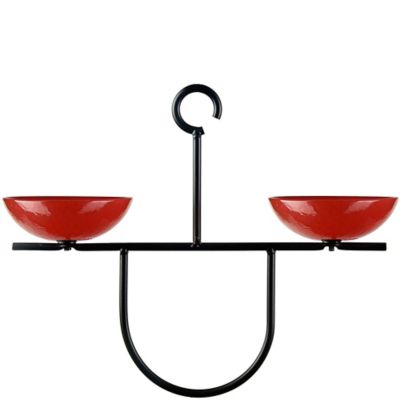
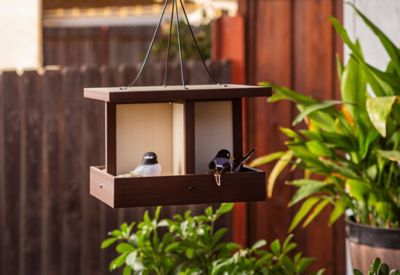
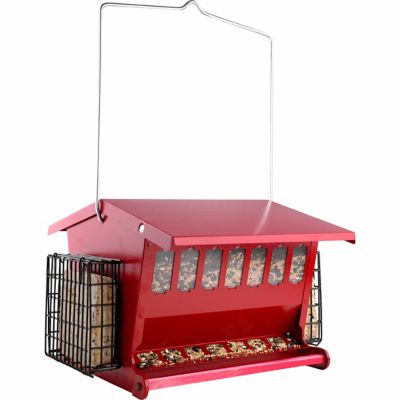
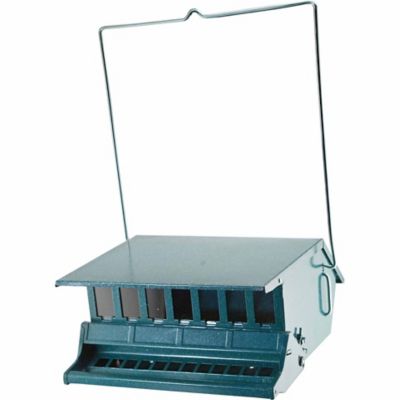
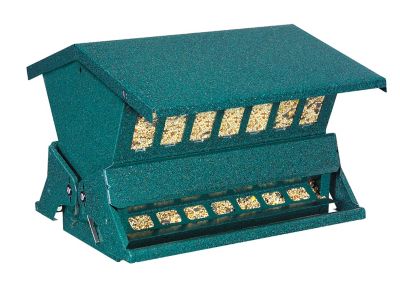
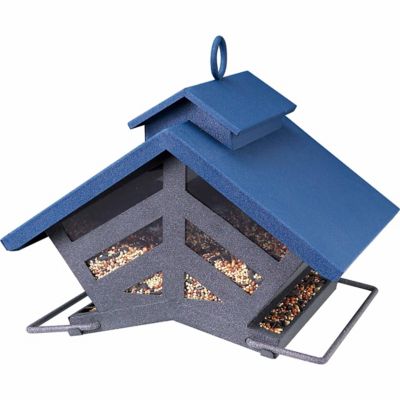
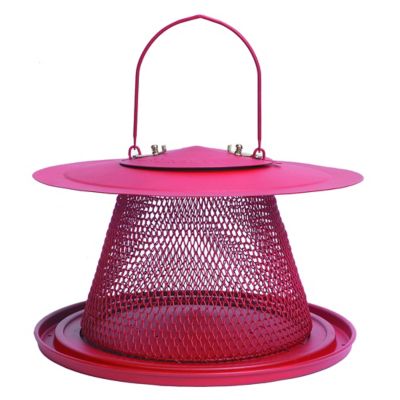
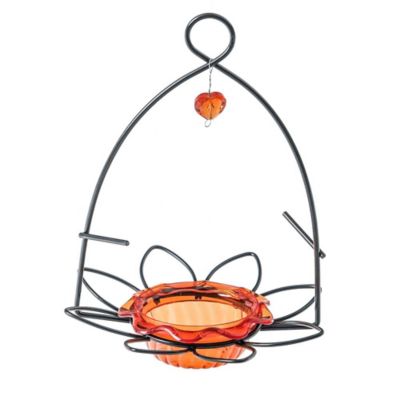
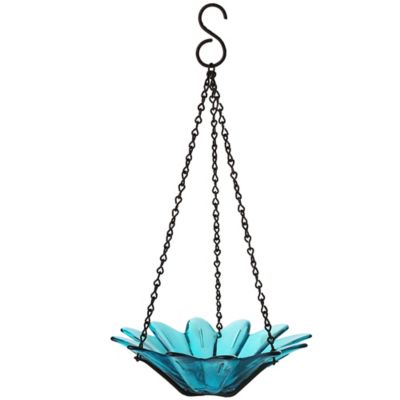
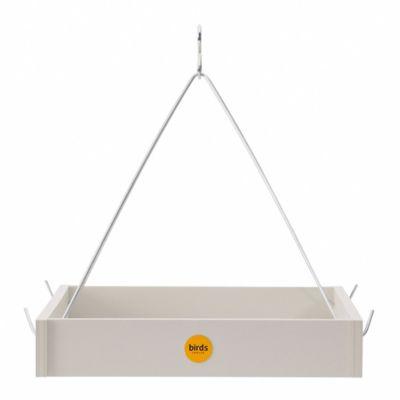
Plastic bird feeders make it easy to bring a little more life to a backyard, porch, pasture edge or garden without adding a lot of fuss. They come in handy for folks who enjoy watching birds, families introducing children to nature, gardeners who like to see songbirds moving through the yard and anyone hoping to add a welcoming touch to an outdoor space. Plastic is a practical choice because it is generally lightweight, easy to handle and simple to wipe clean. It also stands up well to everyday moisture, which matters when a feeder is sitting through dew, rain or the occasional early frost. As you browse, pay attention to the feeder’s overall shape, feeding capacity and the kind of birds you hope to attract. Tube-style feeders are a familiar choice for smaller seed-eating birds, while hopper-style designs can hold more food and offer a sturdy perch for birds that prefer a little extra room. Open tray areas make it easy to see when seed needs refilling, though they may also collect leaves and rain more readily. Look for clear panels or open sections that let you check the food level without taking the feeder down, along with a lid that lifts smoothly and closes securely. A wide opening can make filling less of a chore, especially when your hands are cold or you are carrying a scoop of seed across the yard. Feeding ports and perches should feel solid, with enough room for the birds likely to visit. If the feeder will hang from a branch, shepherd’s hook or porch bracket, check that the hanger is strong and balanced. For a pole-mounted setup, consider how the base attaches and whether the feeder can be removed easily for cleaning. Lightweight plastic can be a real advantage when changing locations, but a feeder that is too light may sway in strong wind, so a sheltered spot or a little extra support can help. A shaded or partly shaded location may slow seed spoilage during warmer stretches, while a spot with a clear view gives birds a better chance to notice approaching cats or other predators. Keep feeders near enough to a window for easy viewing, but not so close that startled birds could strike the glass. Many bird watchers find that a location several yards from the house, near shrubs or low branches, gives visiting birds a place to pause and feel covered without putting the feeder directly in dense brush.
The right plastic bird feeder also depends on the seed you plan to offer and the birds that already pass through your area. Black oil sunflower seed is a popular all-around option, while mixed seed may bring a wider variety of visitors, including finches, chickadees, cardinals and sparrows. Nyjer seed works with feeders made for smaller finches, and some plastic designs are built to handle suet cakes or specialty treats. Match the food to the feeder openings so seed flows freely rather than clumping or spilling. A roof with a good overhang helps keep food drier, and drainage holes in the base can prevent water from sitting where mold may grow. Even the best feeder needs regular attention. Empty old seed, brush away hulls and wash the feeder with warm water and a mild soap before rinsing it thoroughly and allowing it to dry completely. During wet weather, check more often for damp seed, droppings and buildup around the ports. Clean the ground below the feeder, too, since discarded hulls and spilled food can attract rodents or create an untidy patch beneath the hanging spot. Moving the feeder a short distance from time to time can keep the area from becoming worn and gives the birds a fresh approach. In the cooler months, birds may visit more often as natural food becomes harder to find, so a dependable feeder can become part of a simple backyard routine: fill it while making morning coffee, glance out during an afternoon chore and watch the last visitors settle in before dusk. A baffle or squirrel-resistant placement may help protect the seed supply, though no setup is completely pest-proof. Keep the feeder away from places where pets can easily reach startled birds, and take local wildlife habits into account when choosing a height and location. If you are shopping for a present, a plastic bird feeder is a thoughtful pick for a new homeowner, grandparent, teacher, gardener or friend who enjoys quiet outdoor projects. Pairing it with a bag of suitable seed, a small scoop or a notebook for recording backyard visitors can turn a simple gift into an activity the whole household enjoys.
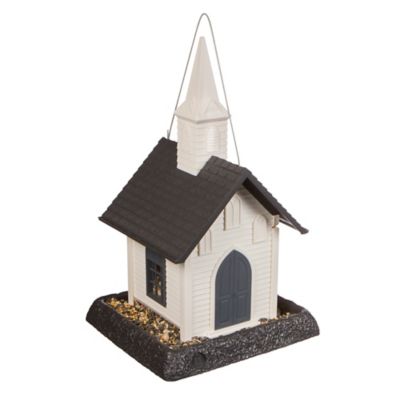
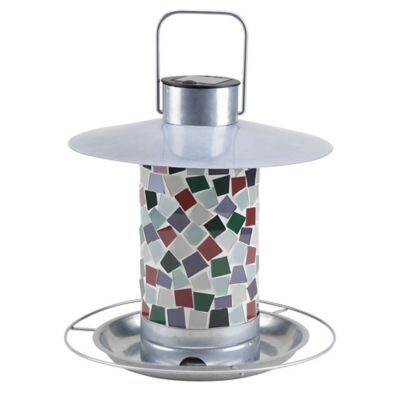
Choosing a feeder does not have to mean creating a complicated wildlife station. Start with the space you have, whether that is a narrow apartment balcony, a small suburban yard, a farmhouse porch or a broad garden bordered by trees. A compact feeder may be the best fit where there is limited room, while a larger-capacity design can save trips outside for anyone caring for several feeders or living in a busy birding area. Think about how often you can refill and clean it, since a feeder that matches your routine is more likely to stay useful through changing weather. Color and appearance may matter as well; a simple design can blend into a porch or garden, while a brighter feeder can stand out against winter branches and make the feeding area easy to spot. Some people begin with one feeder near a kitchen window and add another later when they learn which birds return each day. Others use a feeder to make a new outdoor space feel lived-in, setting it near a bench where the flutter of wings becomes part of the morning. For anyone looking beyond a standard shape, exploring
Unique Bird Feeders can offer more distinctive ways to add personality to a yard while still giving birds a reliable place to feed. Whether it is used for everyday bird watching, a child’s first nature project or a kind gift for someone who already knows the difference between a wren and a finch, a plastic bird feeder brings small moments of activity to the outdoors. With a sensible location, suitable food and steady cleaning, it can keep serving the yard through rainy days, windy afternoons and the quieter stretch of the year when a bright bird at the feeder feels especially welcome.