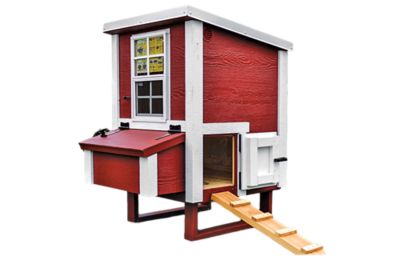
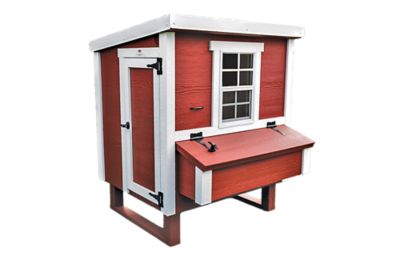
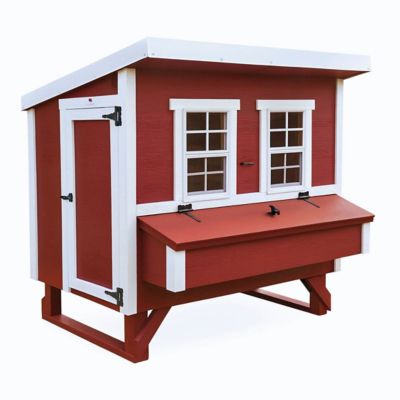
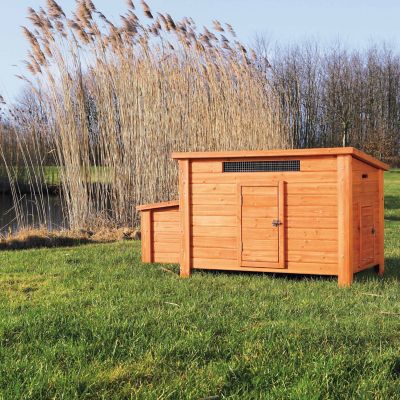
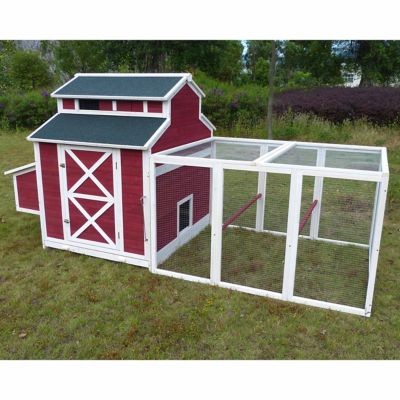
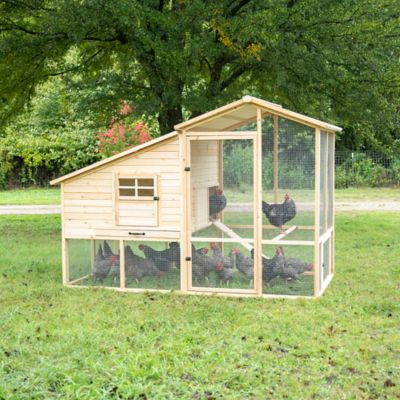
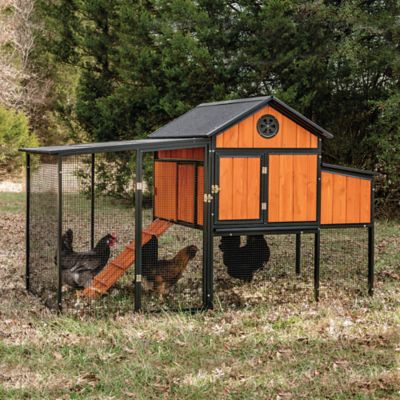
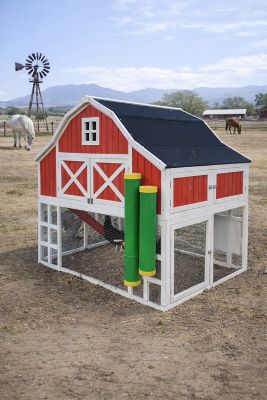
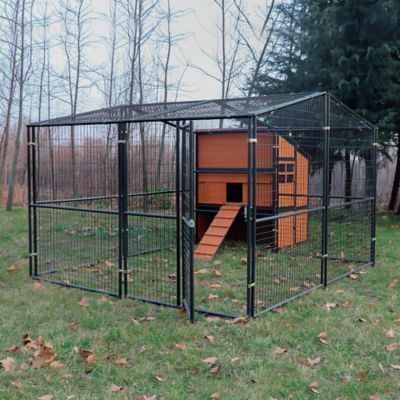
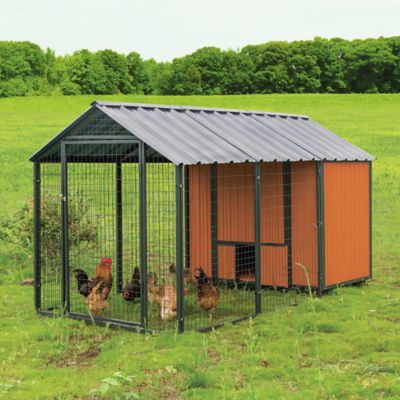
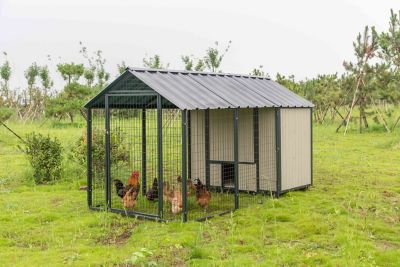
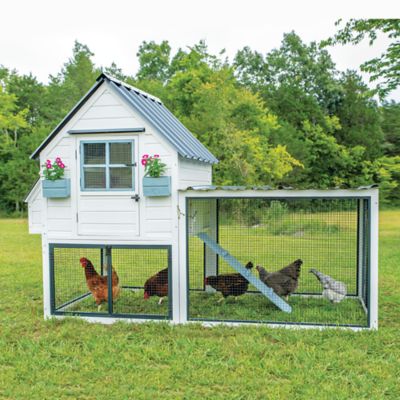
When it comes to raising backyard chickens, a wood wall chicken coop offers a classic, sturdy home for your flock that’s as practical as it is charming. Folks who keep chickens know that a well-built wooden coop isn’t just about looks—those solid walls provide insulation when the nights get cooler and a cool retreat as the summer sun beats down. Whether you’re a seasoned chicken keeper or just starting out with a handful of hens, wood wall coops are a smart choice for anyone wanting to give their birds a safe, comfortable place to roost, lay, and scratch. The natural look of wood blends right in on a homestead, small farm, or even in a backyard garden, and with options ranging from rustic board-and-batten styles to clean shiplap finishes, there’s something to suit every taste and setup.
When picking out a wood wall chicken coop, it’s worth thinking about a few key details to make sure your setup stands the test of time and keeps your flock healthy. Durability is a biggie—woods like cedar and redwood are naturally resistant to rot and pests, which means less fussing with repairs down the road. Pine and fir are more budget-friendly and easy to find, but you’ll want to seal or paint those to keep the weather out. For families looking to build memories together, putting up a wooden coop can be a satisfying weekend project, and for folks with less time on their hands, pre-built options make it easy to get started. No matter which way you go, pay close attention to ventilation—those solid wood walls trap heat and moisture, so vents near the roofline are a must for keeping ammonia and dampness at bay. And don’t forget predator protection; sturdy framing and hardware cloth over windows and openings will help keep raccoons, weasels, and other unwanted guests out. If you’re planning to grow your flock or want to make sure you’ve got plenty of space for everyone, check out our guide to
Large Chicken Coops for 11–20 Chickens for ideas on coops that offer room to roam.
Wood wall chicken coops also make a thoughtful gift for anyone who loves fresh eggs or is looking to get a little closer to the land. Grandparents might appreciate a sturdy coop as a way to share farm chores with the grandkids, while new homeowners could find a wooden coop the perfect addition to their backyard dreams. As the seasons shift from the heat of summer to those crisp fall mornings, a well-built wooden coop will keep your hens cozy and protected, with enough insulation to take the edge off the chill and plenty of airflow to keep things fresh. The scent of pine shavings, the sound of contented clucking, and the sight of hens bustling around their wooden home—these are the little joys that come with choosing a wood wall chicken coop. Whether you’re gathering eggs for breakfast, teaching the next generation about responsibility, or just enjoying the peace that comes from watching your birds scratch in the dirt, a wooden coop is a reliable, attractive choice that fits right into rural life.