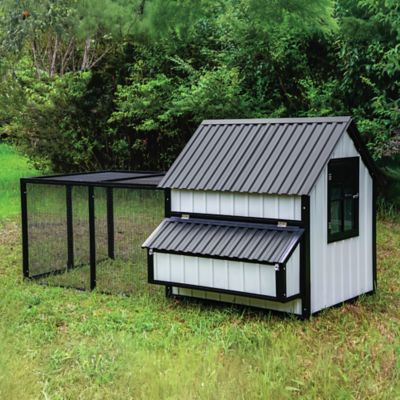
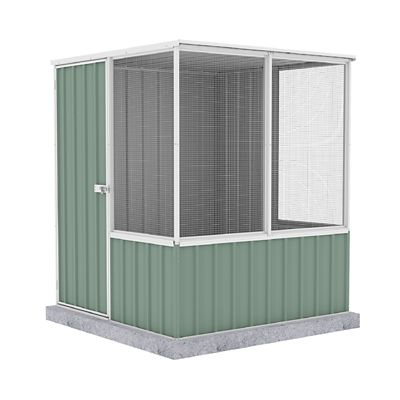
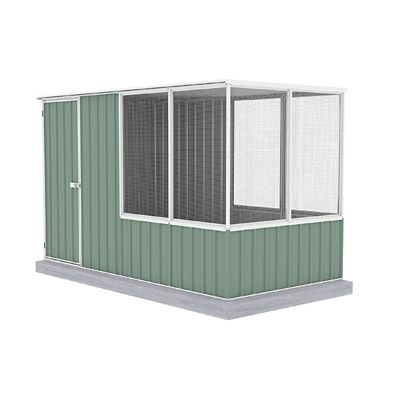
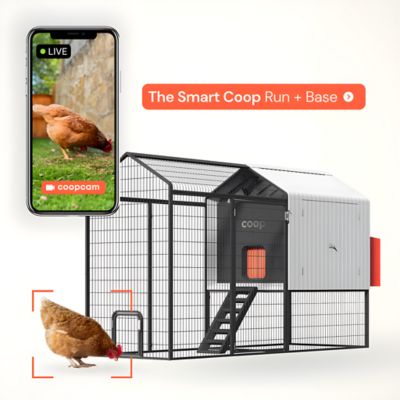
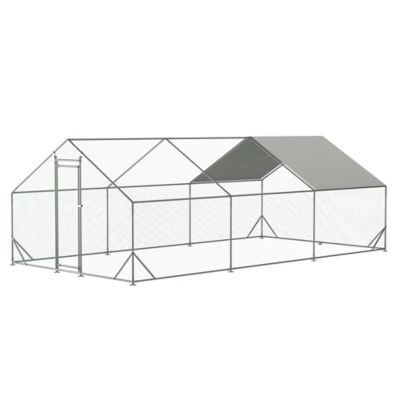
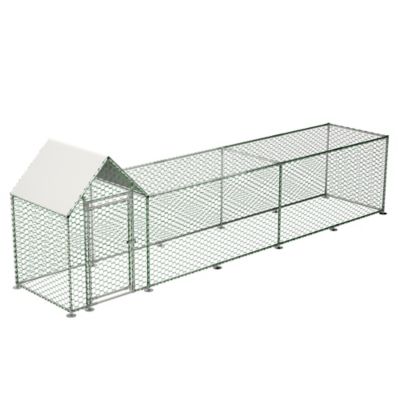
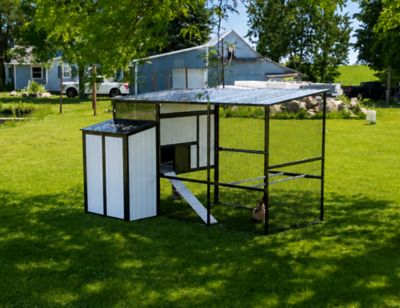
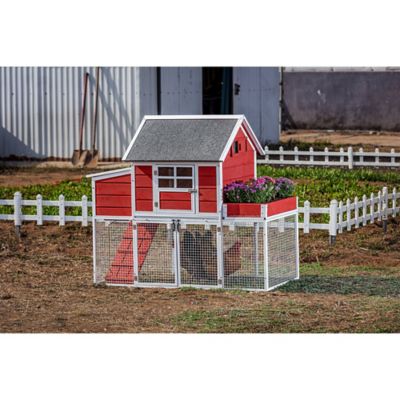
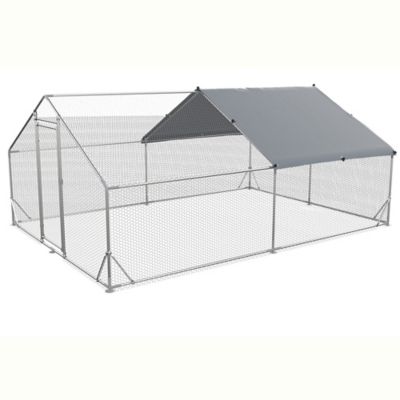
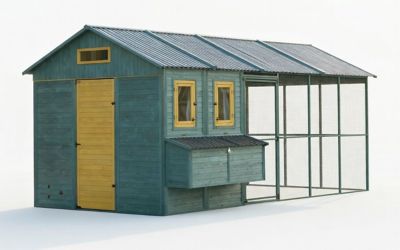
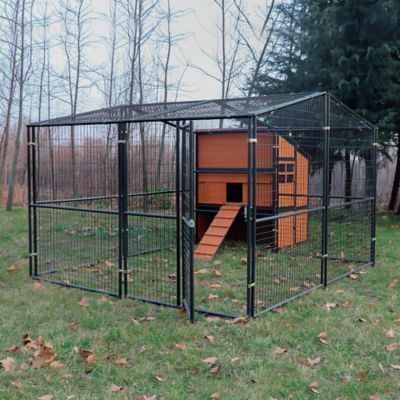
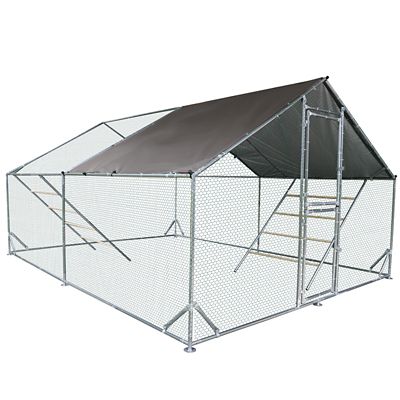
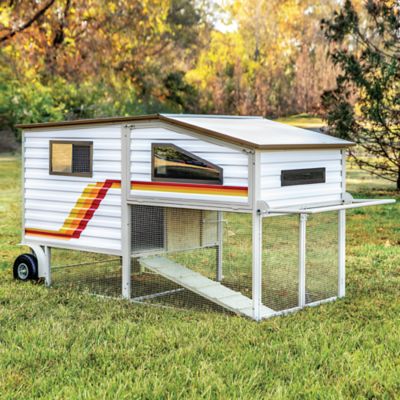
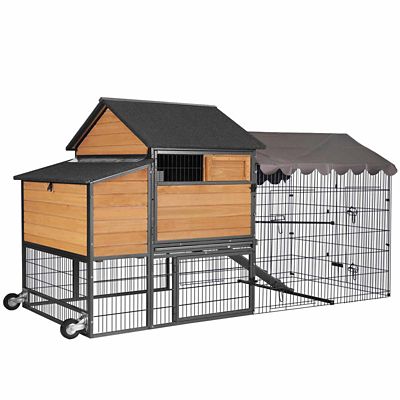
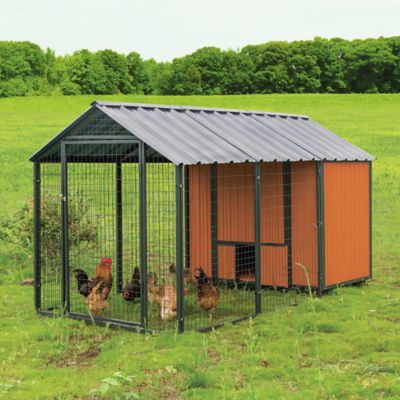
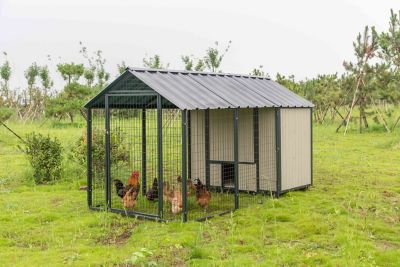
Steel chicken coops give backyard flock keepers and folks on small acreages a sturdy framework for everyday poultry care. Steel does not rot or provide food for termites, and its strength makes it a practical material for frames, doors, roof supports, and enclosed housing panels. Galvanized steel has a zinc coating that helps resist corrosion, while powder-coated steel relies on a protective surface finish; either finish benefits from attention to scratches, joints, and places where moisture collects. Within the broader range of
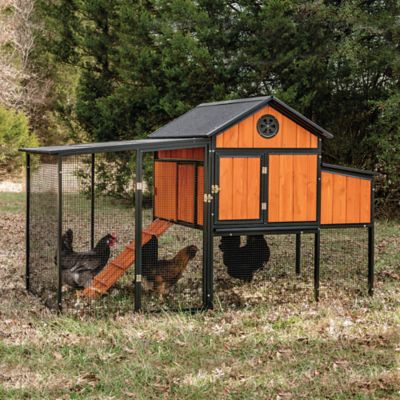
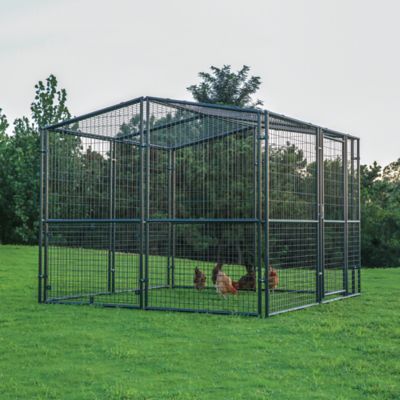
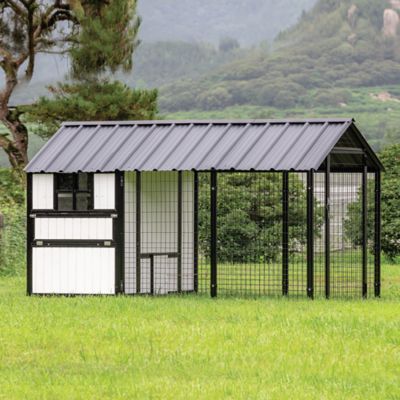
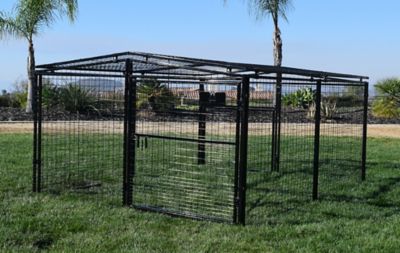
home chicken coops, steel designs can serve different purposes, so the distinction between a coop and a run matters. A mesh-sided steel enclosure provides outdoor space for scratching, stretching, and spending time in fresh air, but it is not necessarily a complete nighttime shelter. Chickens also need a dry, sheltered sleeping area with suitable roosts, protection from drafts, and nesting space for laying hens. Some layouts combine those areas, while others pair a steel run with a separate henhouse. That difference is especially important when picturing a few hens settling in at dusk rather than simply roaming during the day. Solid wall panels offer more shelter from blowing rain, while open mesh allows airflow and visibility. A covered section can keep part of the ground shaded and help protect feed and bedding from rain, although coverage depends on the roof material, pitch, and overhang. Fabric covers, metal roof panels, and mesh tops have different jobs, and a cover alone does not make an enclosure suitable for every weather condition. For a household collecting eggs before breakfast or a family tending its first flock, the right arrangement makes room for the birds’ daily routine without making chores harder. The most useful comparison is between complete layouts: where hens sleep, where they lay, where they spend the day, and how easily a person can reach each area. Steel construction supplies the backbone, but the overall enclosure determines how well that space works.
Fit starts with the flock, not just the dimensions printed beside a coop. Adult breed size, the number of birds, time spent inside, and access to outdoor space all affect how roomy an enclosure feels. A small group of bantams and the same number of large laying hens will not place the same demands on a layout. Interior floor area also tells only part of the story, since feeders, waterers, ramps, and nesting areas take up room. Chickens need space to move past one another, reach feed without crowding, and settle onto roosts without a nightly scramble. When wet or windy weather keeps birds under cover for longer stretches, that breathing room becomes even more valuable. Walk-in steel chicken coops and runs can make feeding, bedding changes, and flock checks easier on the person carrying a bucket through the door. Door height, threshold clearance, and the direction a gate swings matter when hands are full or the ground is muddy. Reach-through doors and outside access to nesting areas can simplify egg collection, provided the openings close securely afterward. Predator protection deserves equally close attention. A strong steel frame is only one part of an enclosure; mesh strength, opening size, door gaps, fasteners, and ground-level protection all affect security. Ordinary chicken wire mainly keeps chickens contained and should not be mistaken for a barrier against every predator. Properly attached welded wire or hardware cloth with suitable openings can provide a stronger barrier, depending on the animals present. Raccoons can work simple closures, digging animals can get beneath an unprotected edge, and overhead access can leave birds exposed to hawks. Secure latches, protected seams, and an appropriate buried barrier or ground apron help address those weak points. Even a well-built enclosure needs regular checks, particularly around corners and doors. Visibility through mesh is handy for spotting a tipped waterer or a hen hanging back from the flock, but easy observation works best alongside shelter where birds can get out of wind and weather.
Placement and upkeep have a big say in how a steel poultry enclosure holds up over time. A level, well-drained site helps doors line up and keeps water from standing around the frame. Ground that looks fine on a dry afternoon may turn into a puddle after steady rain, so drainage matters as much as the footprint. Enough clearance around the enclosure allows room to check fasteners, clear vegetation, and move bedding without squeezing between a fence and the coop wall. Fixed structures need anchoring suited to the ground and the enclosure’s design, while portable layouts need a manageable weight and a secure way to close gaps after each move. Steel construction alone does not mean a coop is movable, and moving an occupied enclosure requires particular care to avoid injuring birds. Roof shape and structural ratings also matter during the cooler months. Rain should shed away from entrances, and any snow-load or wind limitations belong in the comparison before choosing a location. Tarps and shade covers should not be treated as structural roofs unless their specifications support that purpose. Inside a sheltered coop, ventilation lets damp air escape, but openings should be arranged so cold drafts do not blow directly across roosting birds. Metal surfaces can collect condensation and respond quickly to outdoor temperatures, making airflow, shade, and dry bedding important throughout changing weather. Steel generally needs less attention for rot than wood, but it still needs routine care. Droppings, wet litter, and trapped moisture should not sit against the frame or panels for long periods. Cleaning access, smooth reachable surfaces, and room to remove soiled bedding make that work more manageable. Poultry-safe cleaning products applied according to their labels, followed by adequate drying, help keep housing ready for the flock. Loose bolts, bent mesh, worn covers, and damaged coatings are easier to address before they become bigger problems. A thoughtfully matched steel chicken coop supports the familiar rhythm of keeping hens: opening the shelter in the morning, gathering eggs, refreshing water, and closing birds in securely when daylight fades.