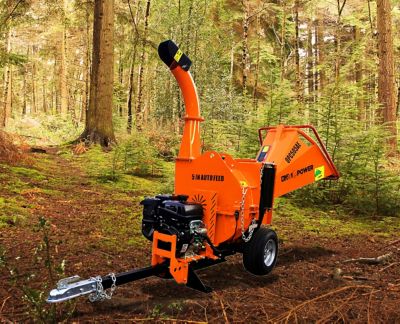
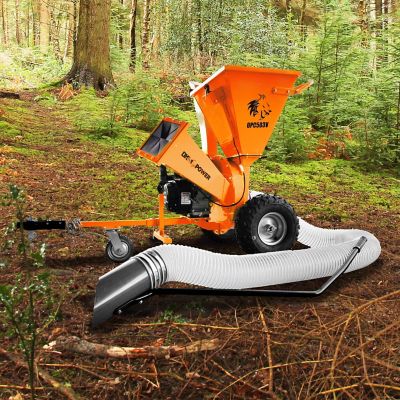
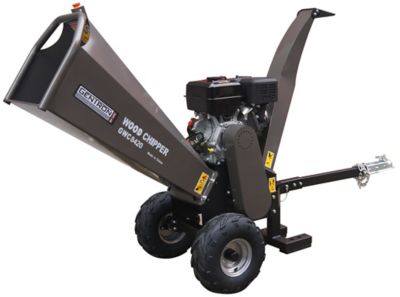
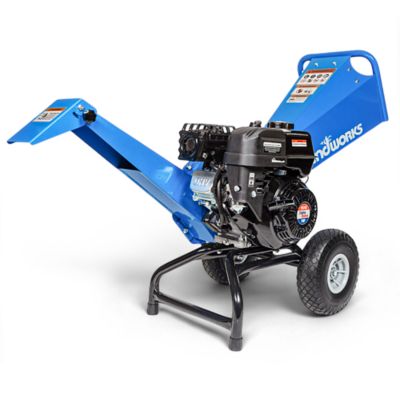
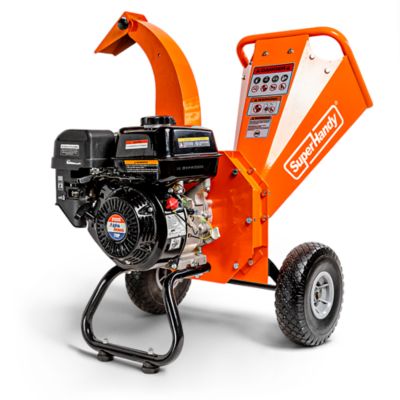
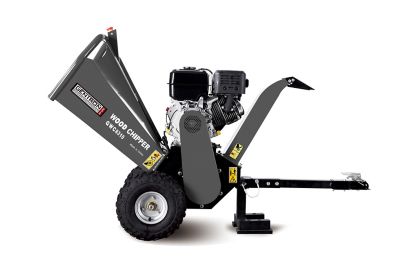
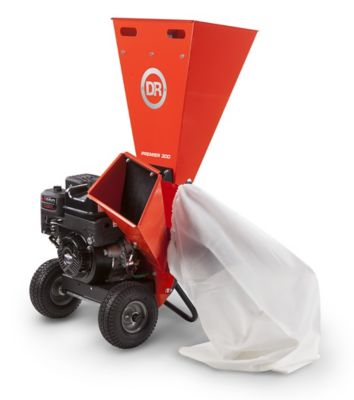
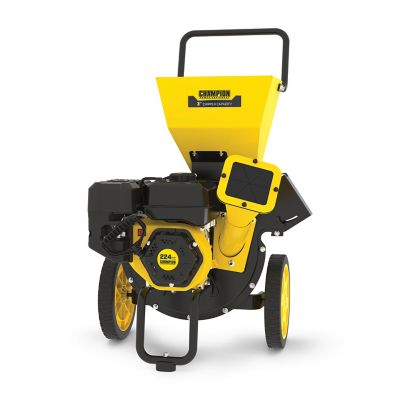
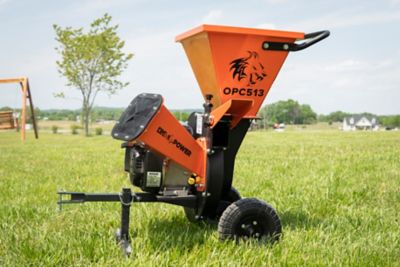
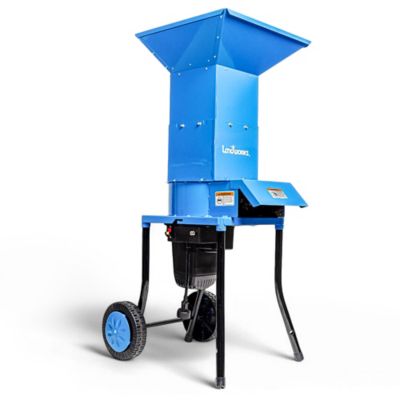
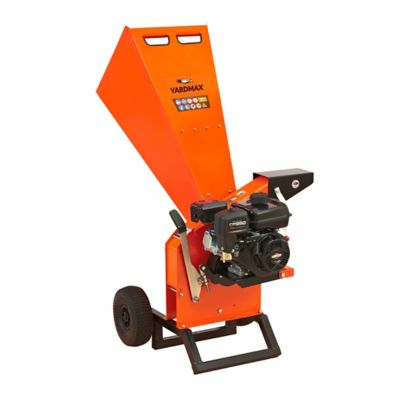
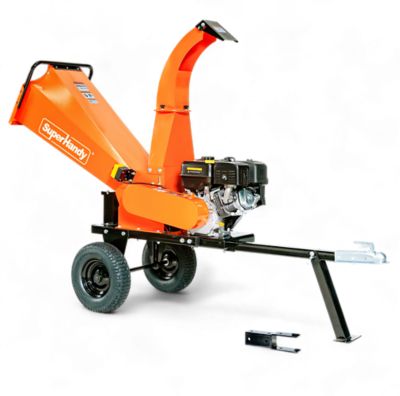
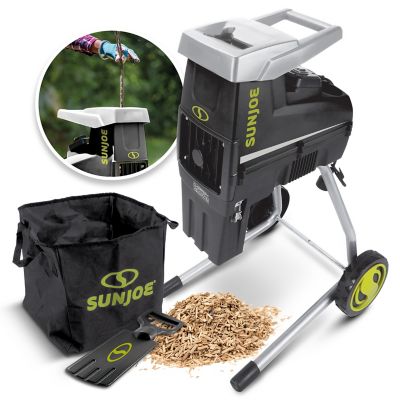
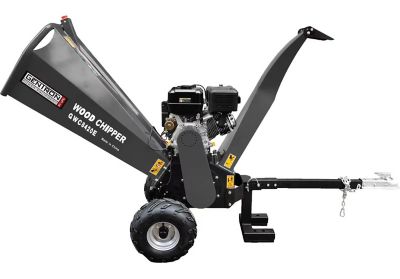
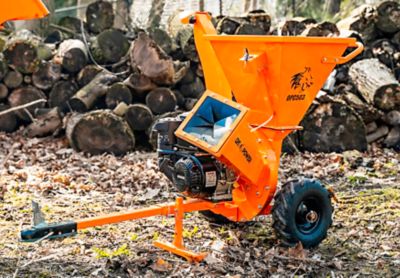
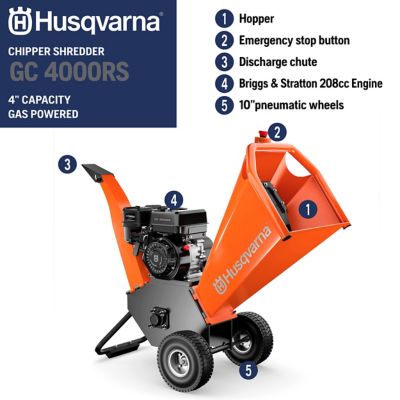
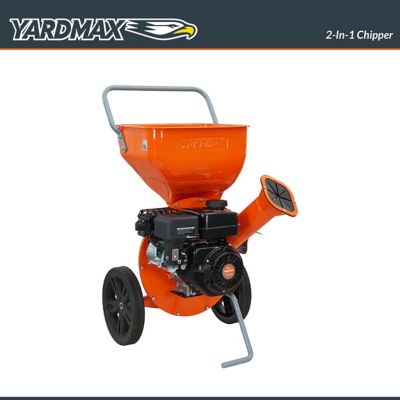
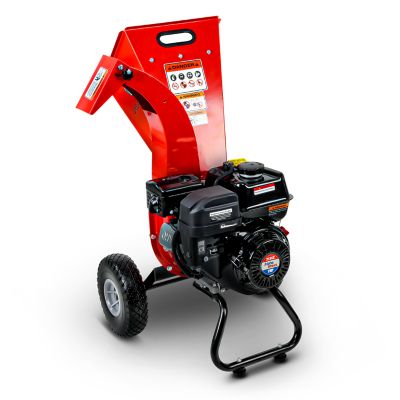
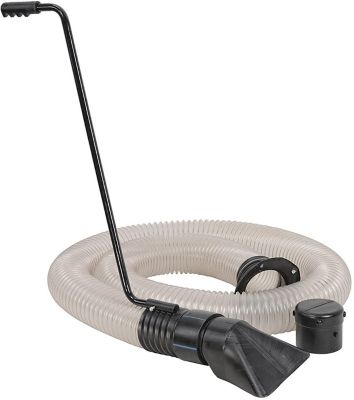
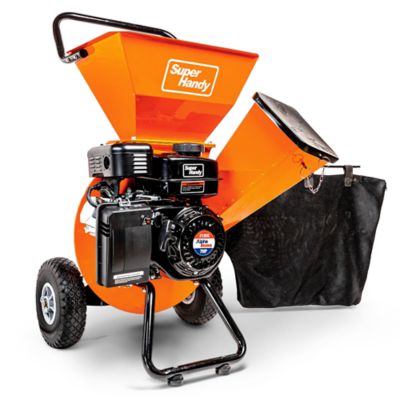
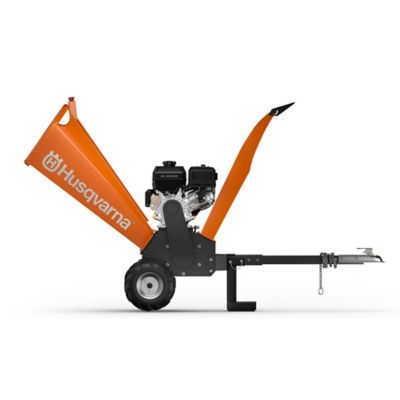
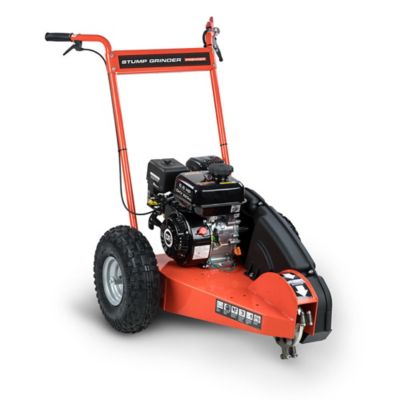
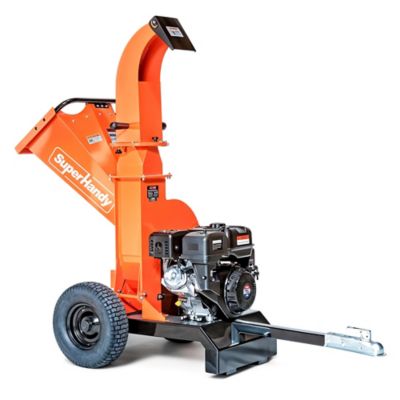
Commercial wood chippers are built for the kind of steady, demanding work that can wear out lighter residential equipment. Landscaping crews, tree services, utility contractors, municipalities, parks departments, farms, orchards, and property managers use them to process branches, limbs, brush, and small logs after pruning, storm cleanup, right-of-way work, or land clearing. Instead of piling cut material along a fence line or hauling every load away, a commercial wood chipper can turn much of that debris into manageable chips for mulch, erosion control, walking paths, composting, or easier disposal. Capacity is one of the first details to consider. Smaller commercial machines may handle branches in the 6-inch range, while larger industrial units can process substantially bigger material, with some designed for logs and whole-tree sections. The right size depends on the diameter of the wood you handle most often, not just the largest limb that may come along once in a while. A crew trimming ornamental trees may need a different setup than a land-clearing operation working through dense hardwood, storm-damaged timber, or brushy acreage. Feed opening design, throat size, drum or disc construction, knife arrangement, and self-feeding performance all affect how smoothly material moves through the machine. Hydraulic feed rollers and adjustable controls can help pull in crooked limbs and mixed brush, reducing the amount of hand work involved. For a busy crew, those saved minutes add up across a full day of cutting, dragging, and chipping.
Power and mobility matter just as much as chipping capacity. Gas and diesel engines are common choices for mobile commercial work, while PTO-driven models may suit farms and operations that already have a properly sized tractor. Compare engine horsepower and torque with the type of wood you expect to process, keeping in mind that a high horsepower rating alone does not tell the whole story. A machine with a well-matched feed system, heavy frame, durable cutting components, and practical controls can perform more consistently than a machine chosen on engine size alone. Towable wood chippers should be matched to a vehicle with adequate towing capacity, hitch compatibility, braking capability, and electrical connections. Before heading down a gravel lane or between fields, check tire condition, wheel bearings, safety chains, lights, and the condition of the trailer or running gear. A compact unit may be easier to maneuver around a residential property or narrow access road, while a larger towable machine can keep pace with a crew working along roadsides or large wooded lots. Think about where the chipper will be stored, how it will be unloaded, and whether you have enough room to position the discharge chute safely. Chute rotation and deflector adjustment are useful when you need to direct chips into a truck, trailer, windrow, or designated mulch area. Some operations prefer a high-output machine for long workdays, while others benefit from a more manageable unit that can be moved from one job to another without specialized transport. For additional ideas across related equipment, browse
Top Rated Chipper Shredders and compare the types of material, capacity, and cleanup work each machine is intended to handle.
Safety and upkeep should be part of the buying decision from the start. Commercial wood chippers work around sharp knives, powerful feed rollers, rotating drums or discs, and heavy branches that can shift without warning. Look for practical safety features such as an easily reached feed-control bar, emergency shutoff access, guarded moving parts, clear operating instructions, and a discharge chute that keeps chips moving in a controlled direction. Anyone running the equipment should use suitable eye and hearing protection, sturdy work gloves, durable boots, and clothing that will not catch on branches or rotating components. Keep bystanders, children, pets, and extra crew members away from the feed area, and never reach into a hopper to clear a jam while the machine is running or able to restart. Establish a shutdown procedure before work begins so everyone knows when the engine is off, the key is removed, and stored energy has been released. Maintenance needs vary by design, but regular inspection usually includes engine oil, filters, belts, hydraulic lines, fasteners, tires, bearings, feed rollers, knives, and cutting surfaces. Dull knives can reduce productivity and leave stringy, uneven chips, while damaged or improperly adjusted parts can increase vibration and strain. Clean away packed debris, follow the service schedule, and store the machine protected from weather when the work season slows down. During the warmer part of the year, commercial chippers can help crews stay ahead of fast-growing brush and routine trimming; as cooler weather brings storm cleanup, pruning, and property maintenance, the same equipment can turn downed limbs into useful material before wet debris becomes harder to handle. With the right capacity, power source, towing setup, and safety habits, a commercial wood chipper can make demanding cleanup work more organized, productive, and easier on the crew.