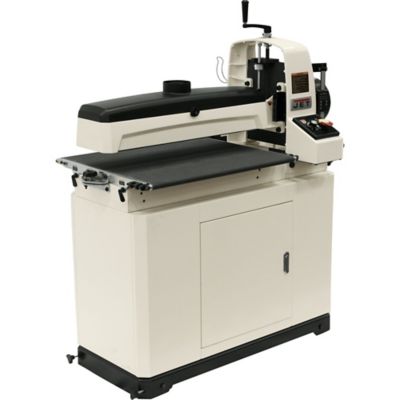
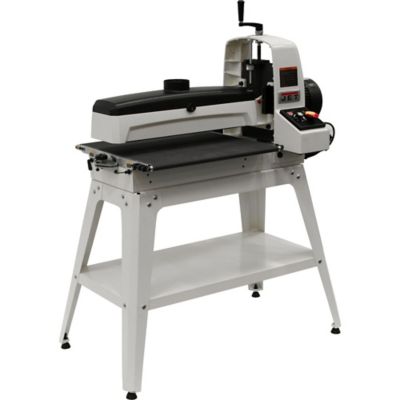
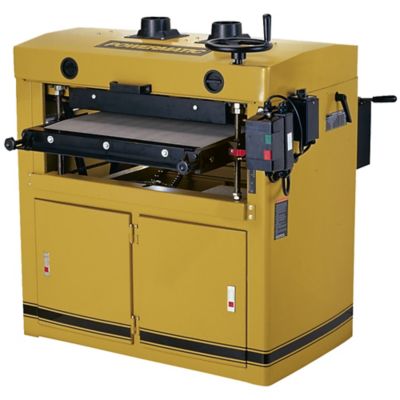
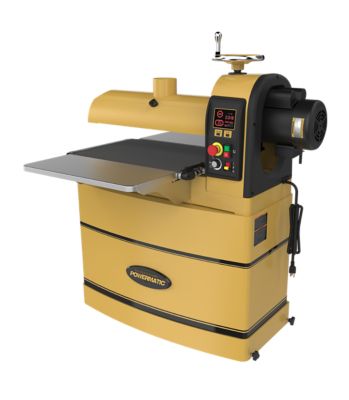
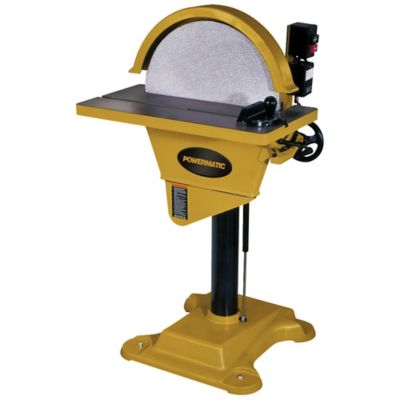
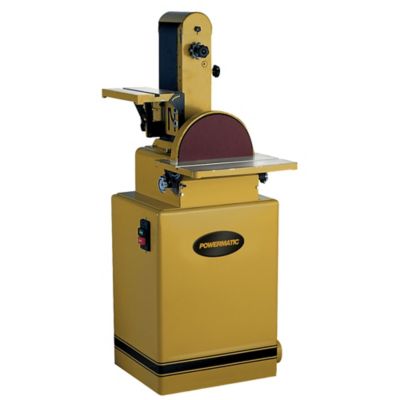
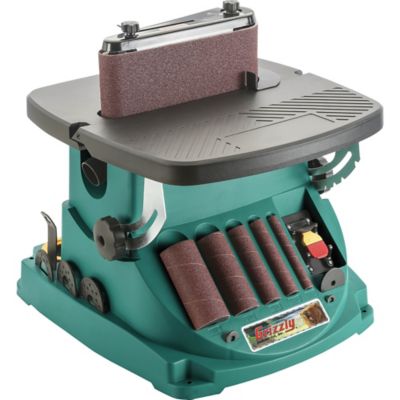
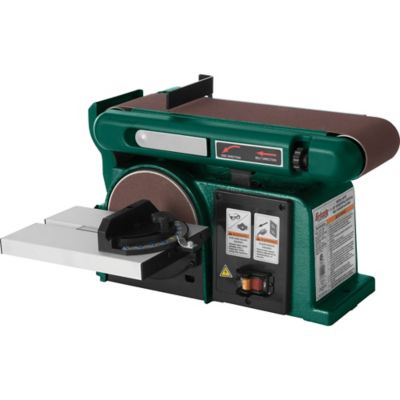
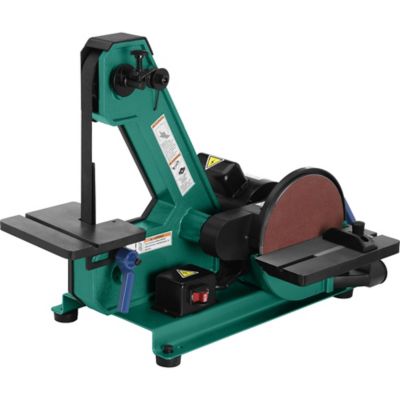
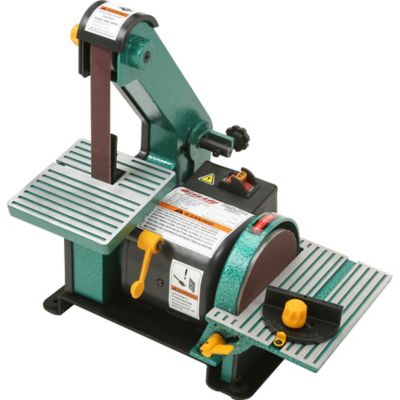
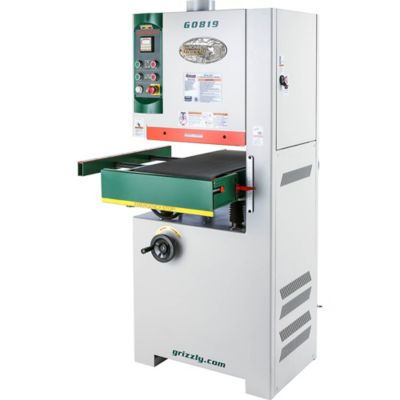
A wide belt sander is a heavy-duty woodworking machine built to flatten, size and smooth broad boards, panels, doors and composite sheets. Instead of relying on hand pressure, it combines a wide loop of abrasive material with a powered conveyor that carries each workpiece beneath the sanding head at a steady rate. Many machines in this category have a sanding width of 13 inches or more, making them a practical choice for cabinet shops, furniture makers, millwork operations, school or community workshops, and farm shops that regularly prepare large pieces of wood. The sanding belt rotates across a contact drum or platen, removing material evenly from the top face while the conveyor supports the board from below. This setup helps bring several pieces to a matching thickness, level boards that do not sit flat, and smooth away planer marks before finish sanding. For a shop that spends long stretches preparing lumber, the difference can be striking: rather than standing at a bench and working one section at a time, an operator can guide a panel onto the conveyor and let the machine maintain a steady feed. Wide belt sanders are also helpful when working with glued-up panels, stair parts, tabletops and other broad stock that can be awkward to handle with smaller equipment. A pneumatic system may help regulate belt tension and tracking, keeping the abrasive centered as it runs. Dust collection is another central part of the setup, since sanding creates a steady stream of fine particles. Before installation, plan for a collection system with enough capacity, clear ducting and a suitable connection for the machine. Keep the surrounding floor open, provide strong lighting around the infeed and outfeed areas, and leave enough room to handle long boards without bumping into walls, racks or other equipment. During the cooler months, a well-organized indoor shop can make it easier to keep projects moving when outdoor work slows down, but ventilation and dust control remain important in every season.
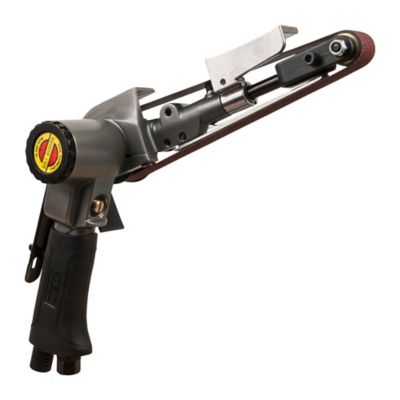
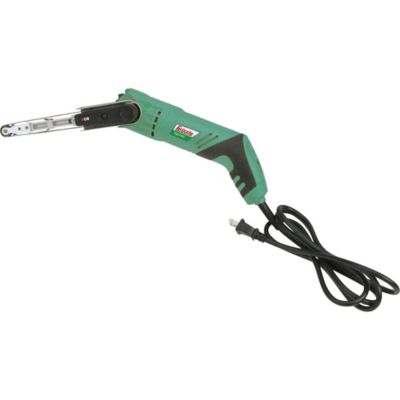
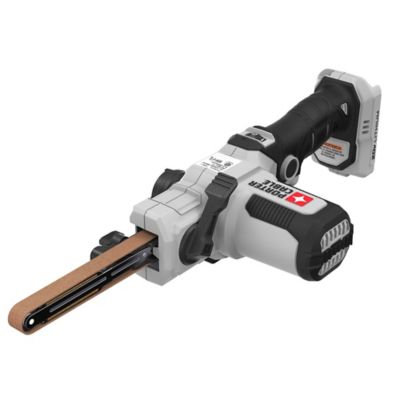
When comparing wide belt sanders, start with the stock you expect to process most often. The maximum sanding width should give you room for your largest panels, while the machine’s height range should cover the thicknesses you commonly bring into the shop. Consider whether the work will require a single pass or several lighter passes. A machine with adjustable feed speed gives the operator more control over material removal and surface appearance, while separate sanding heads can allow one pass to handle heavier leveling followed by finer smoothing. Look closely at motor power, conveyor construction, belt size, abrasive changing procedures and control placement. Single-phase and three-phase electrical requirements vary, so check the available power in the shop and arrange professional installation when needed. Air requirements matter as well, particularly on machines that rely on compressed air for belt tension or tracking. Ask about the space needed for loading and unloading, the weight of the machine, floor capacity and access through doors or gates before scheduling delivery. These are large shop tools, and a careful layout makes daily work safer and less frustrating. Operators should read the instructions, wear eye and hearing protection, keep loose clothing and long hair away from moving parts, and never reach beneath a moving belt or conveyor. Feed boards in line with the machine, support long stock at both ends, and allow the abrasive to do the work rather than forcing material through too quickly. Keep hands clear of pinch points, stop the machine before making adjustments, and follow the recommended abrasive and dust-collection practices. For smaller boards, touch-up work or jobs that do not call for a full industrial machine, browse
Handheld Belt Sanders for a more portable approach. A wide belt sander is generally best suited to a dedicated shop where broad stock and repeated sanding are part of the routine. It can help a cabinet builder prepare doors, a furniture maker bring panels to a consistent thickness, or a farm shop restore rough boards for shelves, benches and building projects. Think about the type of lumber on hand, the pace of the work, the power and air service available, and the room required around the machine. Matching those details to the sander’s capacity helps create a smoother workflow from rough board to ready-to-finish surface.