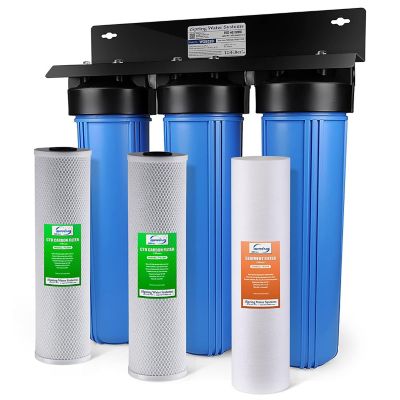
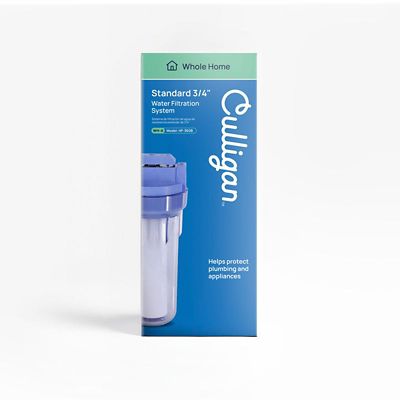
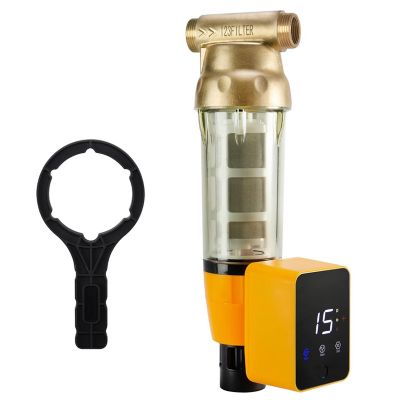
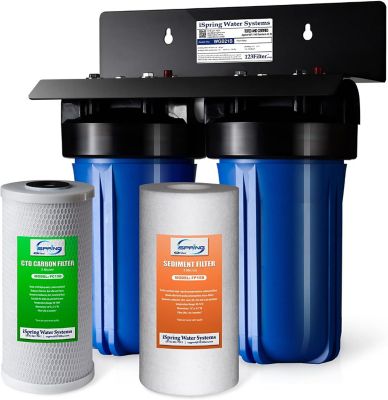
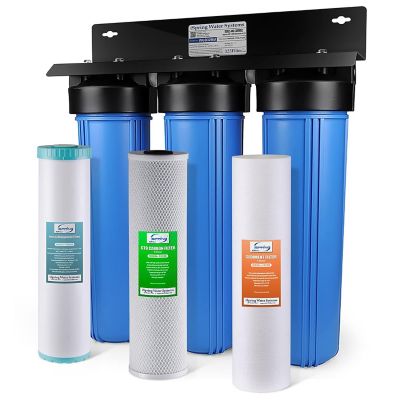
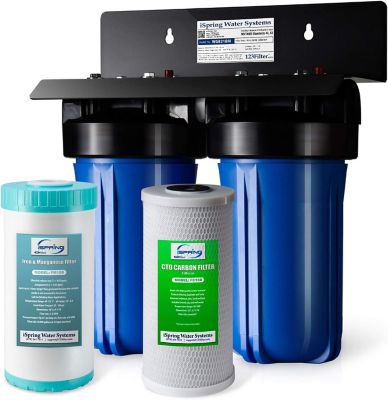
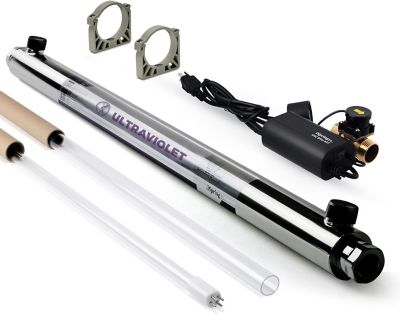
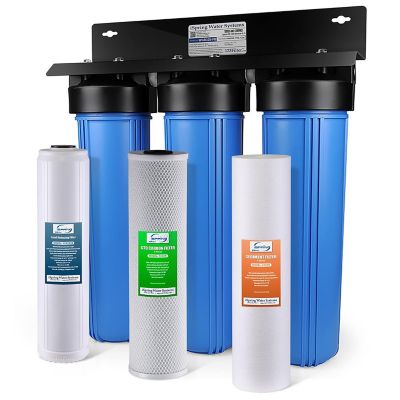
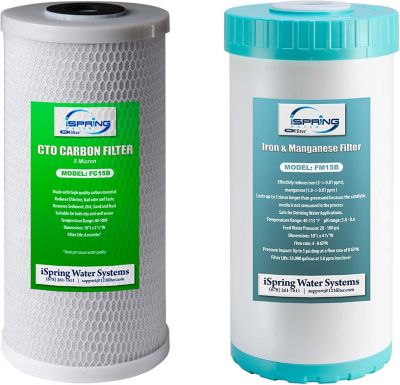
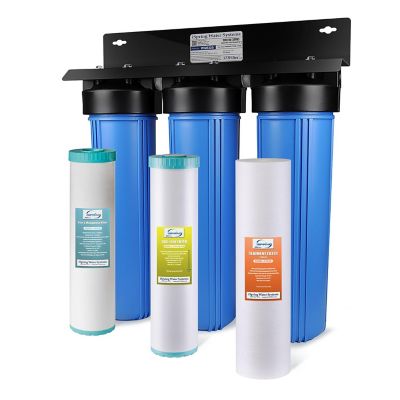
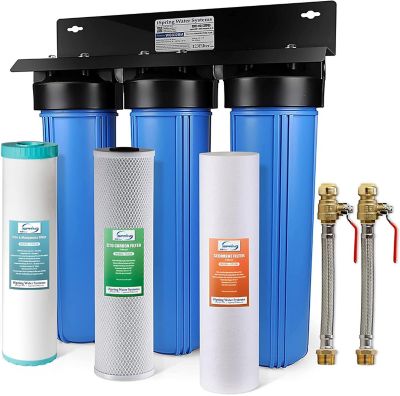
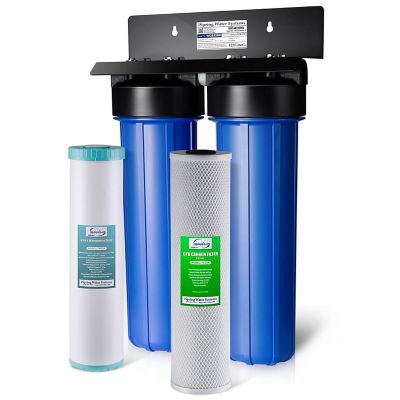
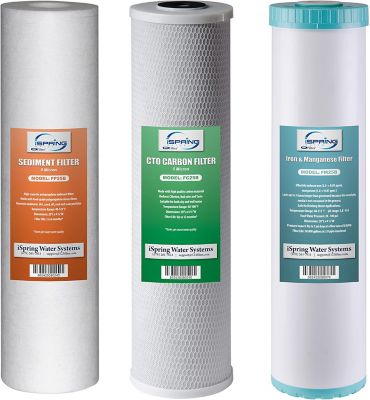
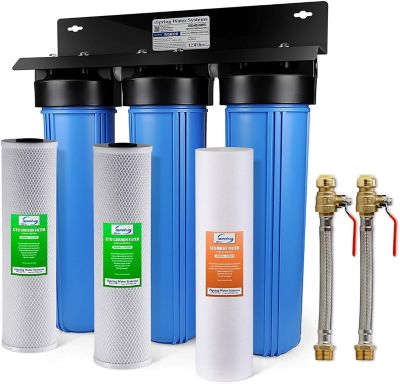
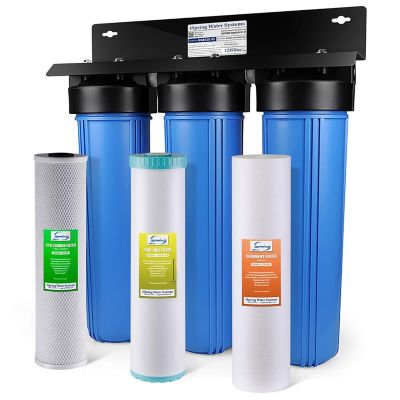
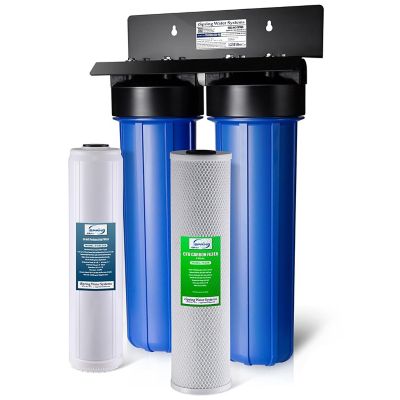
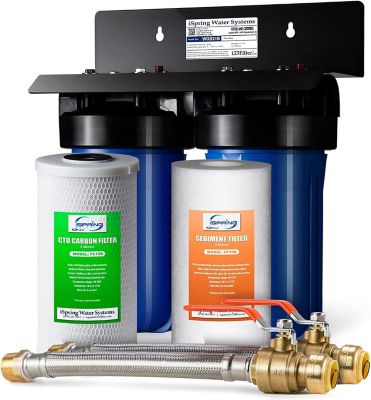
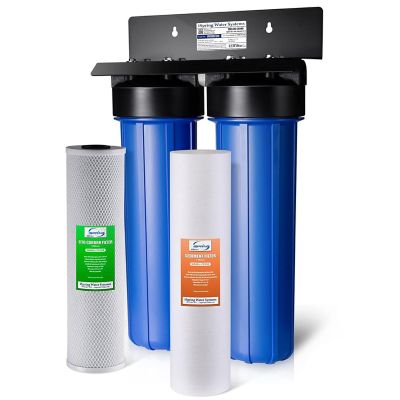
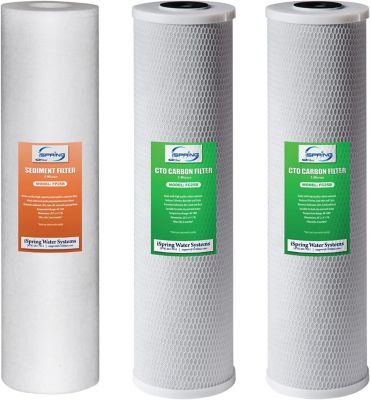
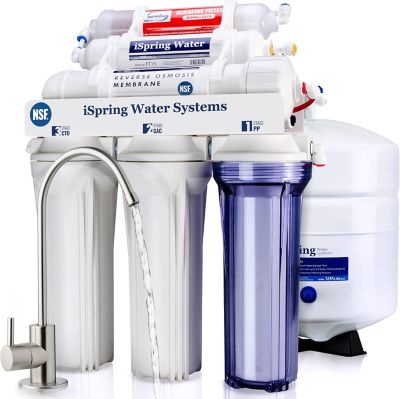
When city water comes into your home, it has already been treated and tested by the municipal utility, but that does not mean every household likes the way it tastes, smells, or feels. Chlorine used for disinfection can leave a swimming-pool scent in a glass of water, while sediment from aging pipes or work on the local water main may show up as cloudy water or fine grit in faucet aerators. A whole-house water filter for city water connects to the main water line where it enters the home, helping treat water before it reaches the kitchen sink, shower, washing machine, water heater, and other fixtures. That means filtered water is available throughout the house instead of only at one drinking-water tap. These systems can be a good fit for homeowners who want to reduce chlorine taste and odor, help protect plumbing fixtures and appliances from sediment, or make showering and laundry more comfortable. They are also worth considering for older homes, homes with several bathrooms, and properties where the family uses a lot of water for cooking, pets, gardening cleanup, or daily chores. Before choosing a system, check your local utility’s annual consumer confidence report by searching for your city or water provider along with “consumer confidence report.” It can tell you which disinfectant is used and provide information about regulated contaminants found in the municipal supply. Standard carbon media is commonly used to reduce chlorine, but water treated with chloramines may call for catalytic carbon or another specialized filter media. Chloramines are more difficult to reduce than chlorine, so matching the filter media to the disinfectant used by your utility is an important step. If the report lists concerns such as lead, PFAS, or other specific contaminants, look for a system that has been independently tested or certified for that contaminant rather than assuming every whole-house filter handles everything. A filter can improve water quality, but it is not a substitute for testing, safe plumbing repairs, or guidance from the water utility and a qualified professional.
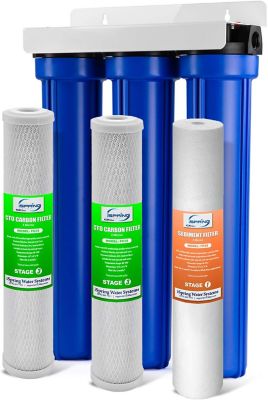
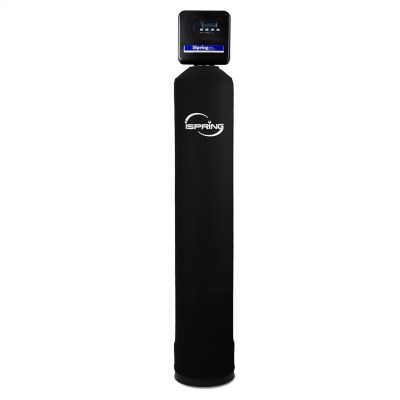
Size matters just as much as filter media. Look for the system’s rated flow rate in gallons per minute, or GPM, and compare it with the number of bathrooms, occupants, and water-using appliances in your home. A small household with one bathroom may have different needs than a busy home where a shower is running while the dishwasher fills and someone turns on the washing machine. Choosing a system with too little capacity can lead to reduced water pressure during peak use, which is especially frustrating when a strong shower suddenly turns into a weak trickle. Many homeowners find it helpful to think about the busiest part of a normal day rather than average water use. Count the showers that might overlap, consider whether a soaking tub or high-flow fixtures are in the house, and allow room for growing families or frequent guests. Installation usually takes place on the main water line after the water enters the home and before the line branches off to individual fixtures. Because that location affects the entire plumbing system, installation may involve shutting off the water, cutting and reconnecting pipe, adding bypass and shutoff valves, and leaving enough clearance to service the filter. A licensed plumber can help confirm pipe size, available space, pressure, drainage needs, and local requirements. Homes with well water need a different approach, so make sure the filtration system is designed for treated municipal water. Maintenance is another practical consideration. Tank-style systems with high-capacity media may go a long time between service intervals, while multi-stage cartridge systems typically require individual sediment and carbon filters to be replaced on a regular schedule. Replacement timing depends on water quality, household use, and the filter’s rated capacity, so follow the manufacturer’s instructions and watch for signs such as lower pressure, changes in taste or odor, or visible sediment. Marking the installation date on a calendar or keeping a spare cartridge on the shelf can make upkeep easier, particularly during the cooler months when nobody wants to discover a needed replacement while standing in a chilly utility room. A bypass valve is also useful when servicing the system, since it allows water to keep running in the home while the filter is being changed.
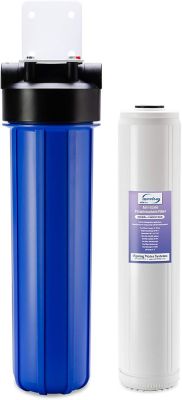
The right choice depends on what you want to improve, how much water your household uses, and how much hands-on maintenance fits your routine. Someone mainly concerned with chlorine odor may choose a carbon-based system, while a household dealing with sediment may place greater importance on a dedicated prefilter. Homes with chloramine-treated water should focus on systems made for chloramine reduction, and families concerned about a particular contaminant should verify performance data for that specific concern. Pay attention to the filter’s service life, replacement cost, inlet and outlet size, maximum operating pressure, temperature limits, and warranty terms, not just the initial purchase price. It is also smart to consider the space around the main water line. A full-size housing needs room to remove the filter or service the tank, and a cramped corner behind a water heater can turn a simple maintenance job into a real chore. Renters should check with the property owner before making changes to the main plumbing, while homeowners may want to take a photo of the existing line and measurements before comparing options. These systems can be a thoughtful housewarming gift for someone moving into an older home, a practical present for a family renovating a kitchen or laundry room, or a useful addition for relatives who spend a lot of time caring for pets and livestock but still rely on city water inside the house. They are less about flashy bells and whistles and more about making everyday routines feel a little better: filling a pot without a strong chemical smell, rinsing muddy hands at the utility sink, or stepping into the shower without noticing that familiar pool-water scent. For shoppers comparing options, Tractor Supply’s
Whole House Water Filtration Systems can provide a starting point for reviewing system types and features. Read the specifications closely, match the flow rate and media to your municipal supply, and plan for installation and replacement parts before bringing a system home. With the right fit and regular upkeep, whole-house filtration can become a quiet, dependable part of the plumbing—working in the background while your household gets on with the daily work of home, yard, pets, and family.