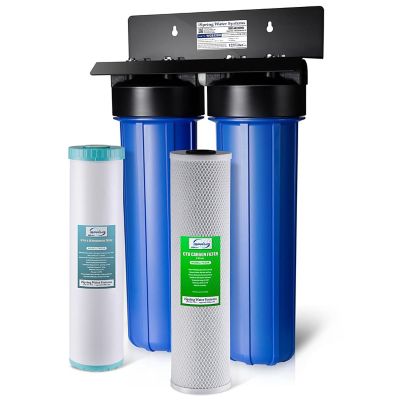
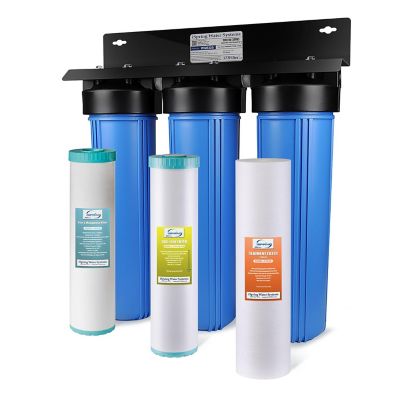
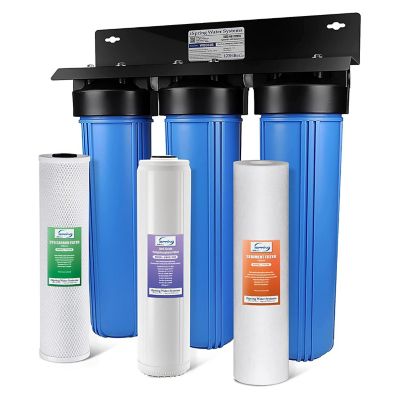
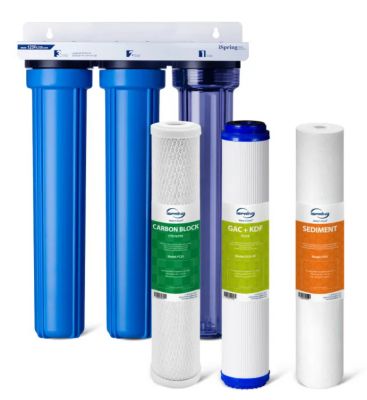
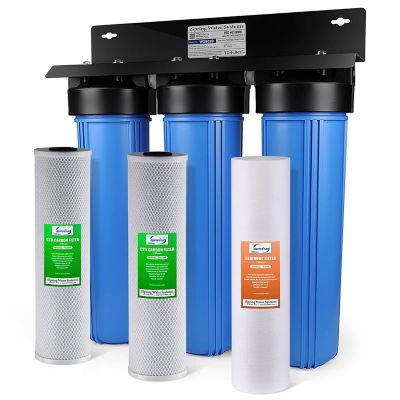
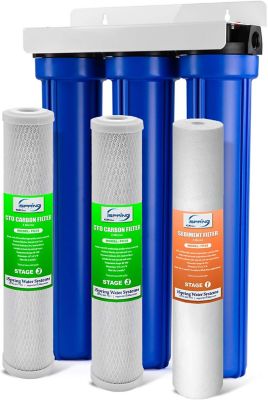
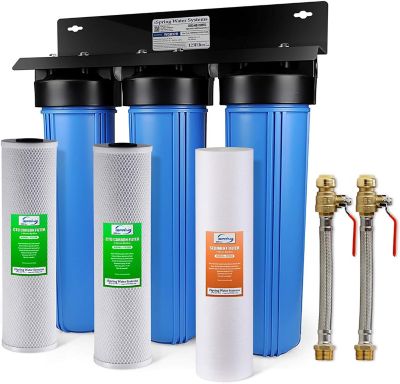
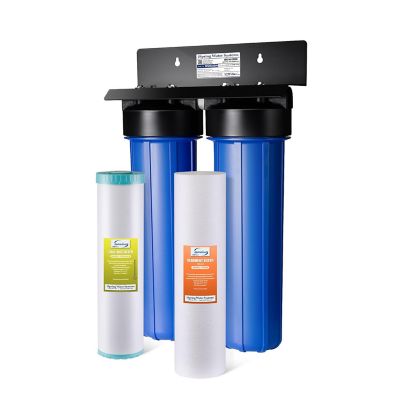
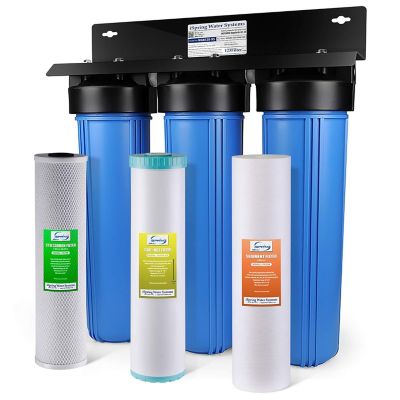
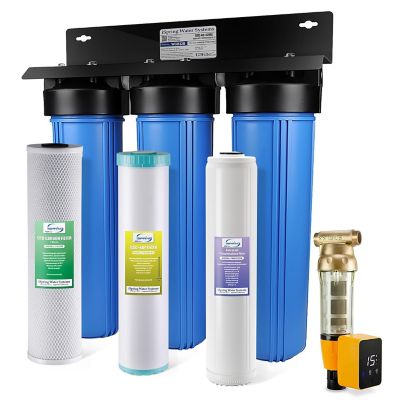
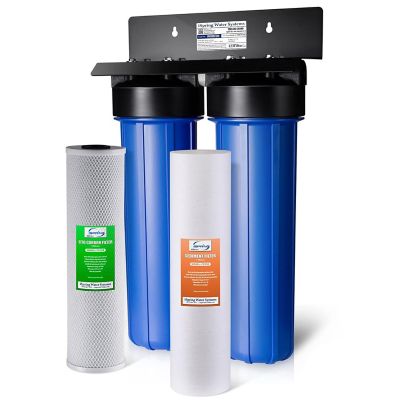
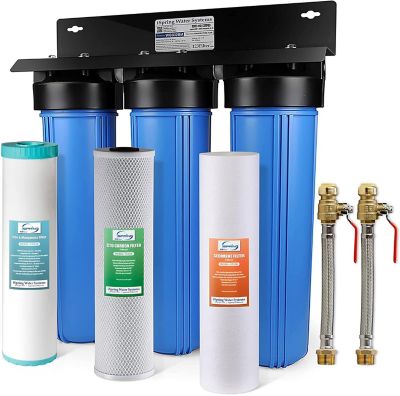
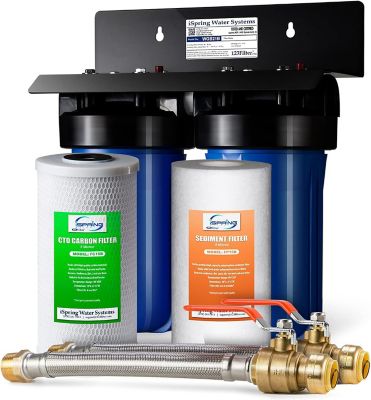
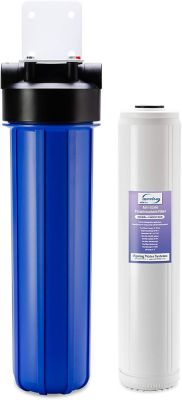
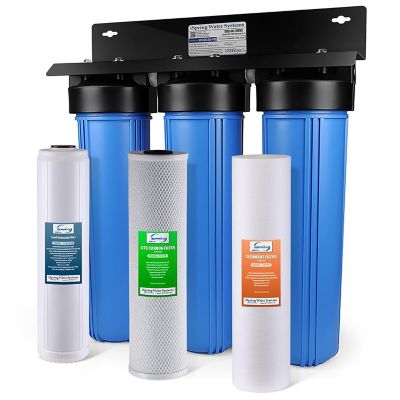
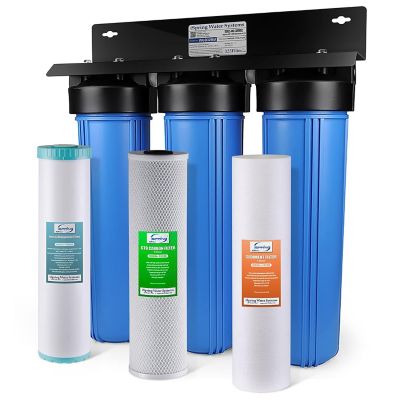
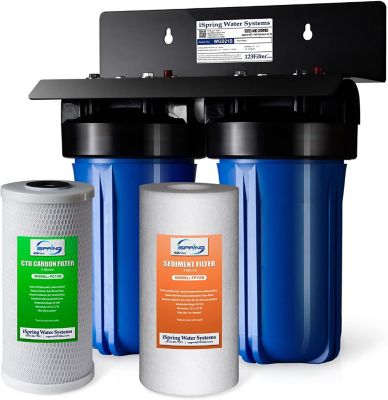
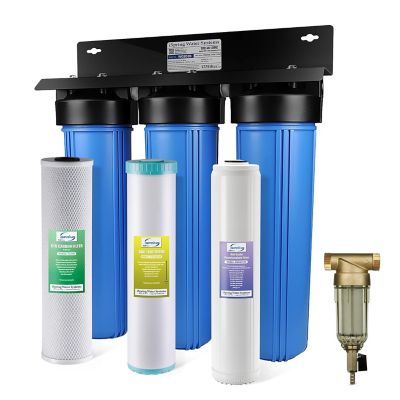
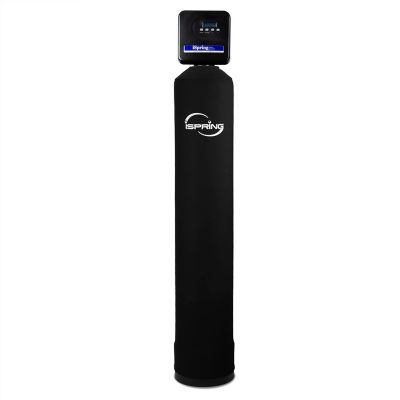
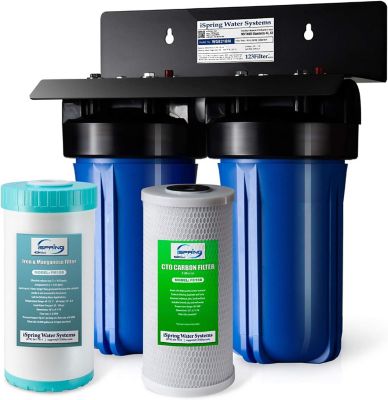
Whole house water filters for hard water serve different jobs, and the distinction between filtration and softening matters. A standard sediment or activated carbon filter does not remove dissolved calcium and magnesium, the minerals that cause hard water. For true softening throughout a home, a salt-regenerated ion-exchange water softener removes those minerals by exchanging them for sodium or potassium ions. A salt-free water conditioner takes a different approach: certain systems, including those with template-assisted crystallization media, can help limit scale formation without removing hardness minerals. Water treated by these conditioners still tests as hard water, and results depend on the water chemistry and the system’s operating requirements. That difference shows up in everyday chores, from scrubbing the white ring around a faucet to washing towels that feel stiff after drying. Hardness can leave deposits on showerheads, inside water heaters and around dishwasher spray openings, while also making soap harder to rinse away. Filtration handles separate concerns. Sediment filters capture particles such as sand, silt and visible rust, while suitable carbon media can reduce chlorine taste and odor and certain other contaminants covered by the system’s testing. Neither function alone makes hard water soft. A combined setup can address both household filtration needs and mineral-related trouble, with each treatment stage doing its own work. In a farmhouse with a private well, that might mean sediment filtration followed by treatment for dissolved iron and then a softener, depending on test results. In a home on municipal water, it might mean carbon filtration paired with hardness treatment. Iron, manganese, bacteria, nitrate and other well-water concerns need separate attention; hardness equipment is not a substitute for treatment designed for those substances. A recent water test gives these products a clear purpose, rather than leaving the choice to the appearance of a cloudy glass or a chalky faucet alone. Clear-looking water can still contain hardness minerals, and visible particles do not necessarily mean the water is hard.
The right fit involves more than the number of bathrooms in the house. Hardness is commonly reported in grains per gallon or milligrams per liter, also expressed as parts per million; one grain per gallon equals about 17.1 milligrams per liter. That measurement, along with household water consumption, helps determine softener capacity and how often regeneration may occur. Flow rate matters, too. A shower running while the washing machine fills and someone rinses dishes puts more demand on a treatment system than a single open faucet. Equipment sized for that demand helps limit pressure loss, although the filter media, cartridge condition and incoming pressure all affect performance. Port sizes, plumbing connections and housing dimensions also need to match the installation. A cartridge labeled by length alone may not fit every housing, since diameter, end style and sealing surfaces vary. Whole-house assemblies often include pressure-rated polymer housings, tanks, mounting brackets and metal or plastic fittings, with material choices suited to contact with drinking water. Published pressure ratings, replacement-part compatibility and independent certification for specific treatment claims provide useful points of comparison. Certification applies to the claims listed for that system, not to every possible water concern. Installation space deserves the same attention as treatment capacity. A tall media tank needs room overhead and around its connections, while a cartridge housing needs clearance underneath for filter changes. Shutoff valves, a bypass and properly placed pressure gauges can make servicing easier without taking the entire household’s water supply out of service. Salt-regenerated softeners also need a suitable drain arrangement, space for the brine tank and power where the design requires it. Local plumbing requirements and the manufacturer’s installation directions govern those connections. For homes on a municipal supply,
whole house water filters for city water provide a related category to consider alongside hardness treatment. Municipal disinfectants matter when comparing media: a filter rated for chlorine reduction is not automatically rated for chloramine reduction.
Care requirements vary across cartridge filters, backwashing media systems, salt-free conditioners and water softeners, so the best match is also one that suits the household’s routine. Sediment cartridges collect material as water passes through, and a loaded cartridge can reduce flow well before a scheduled replacement date. Carbon has a finite treatment capacity, with service life depending on water consumption, the incoming contaminant load and the manufacturer’s stated limits. Replacement intervals therefore need to reflect both the product’s directions and conditions at the property. A well that carries fine sand places different demands on a filter than a municipal line with little visible sediment. Backwashing systems clean their media through a programmed water cycle and need a suitable drain, while softeners regenerate their resin with brine and require replenishment of the specified salt. Salt bridging in a brine tank can interfere with regeneration even when salt is visible, which makes occasional tank checks worthwhile. Salt-free conditioning media also has service requirements; no salt refills does not mean no maintenance. Sound housings, intact seals and correctly seated O-rings help prevent leaks, and accessible connections make routine care less of a wrestling match in a cramped utility room. Treatment layout also affects intended use. Outdoor hose bibs and irrigation lines may bypass a softener where the plumbing arrangement allows, since plants and soil do not generally need softened water and sodium can be a concern. Ion-exchange softening adds sodium or potassium to the treated water, so drinking-water needs and medically restricted diets deserve separate consideration. These systems make sense for households dealing with mineral deposits, frequent fixture cleaning or equipment exposed to hard water, whether the place is a small country home or a busy house with several bathrooms. Matching the treatment method, capacity, connections and upkeep to the property gives each component a clear job: catching particles, addressing specified contaminants, removing hardness minerals or helping control scale. That is what turns a whole-house setup into practical support for bathing, laundry, dishwashing and the plumbing behind those everyday tasks.