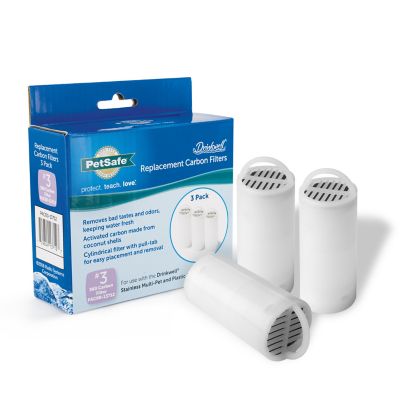
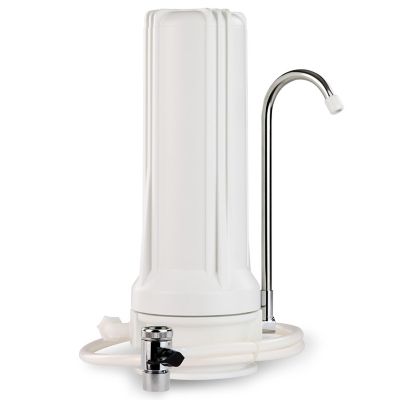
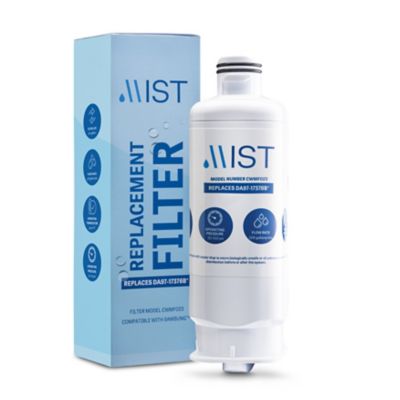
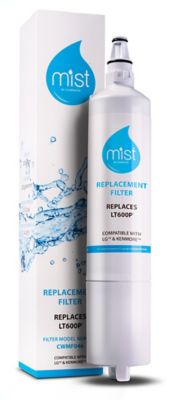
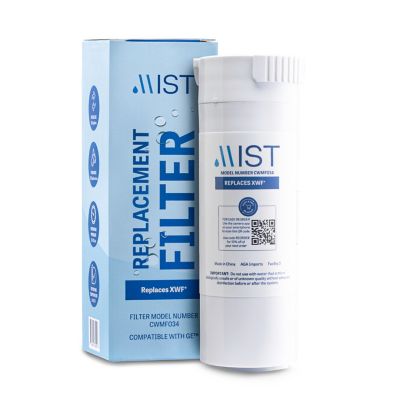
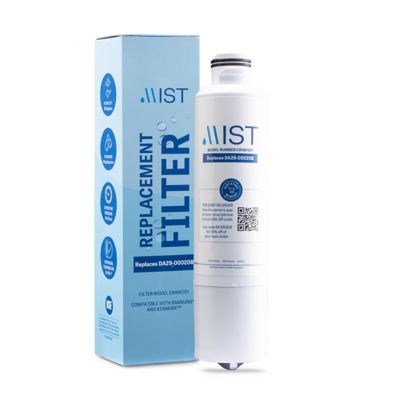
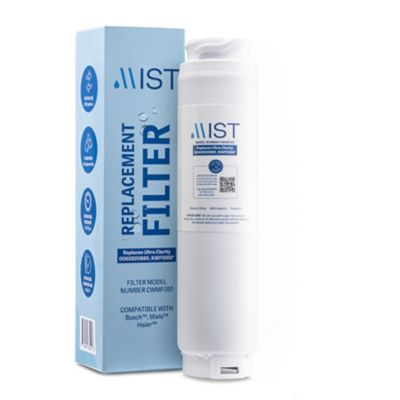
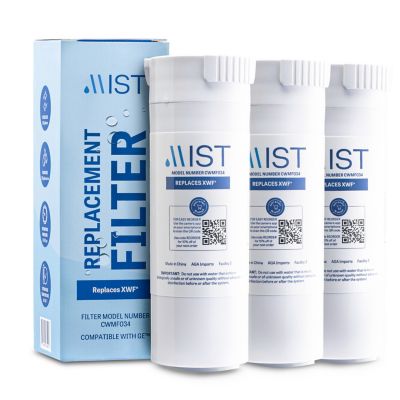
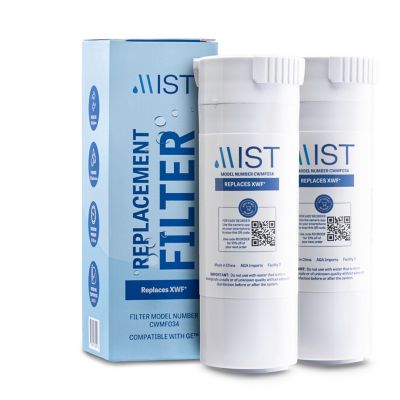
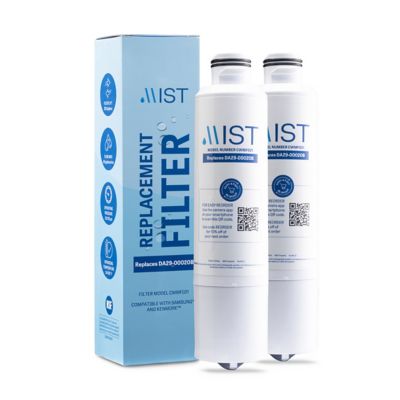
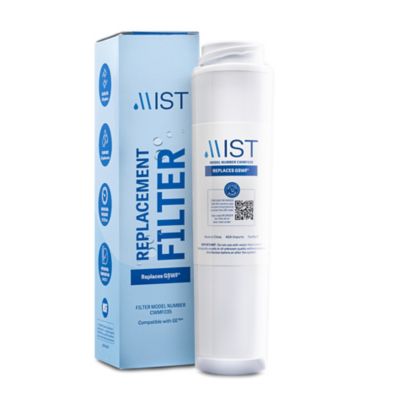
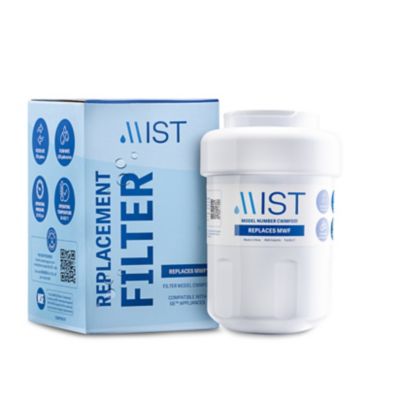
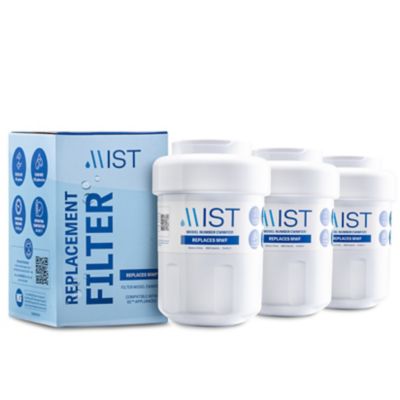
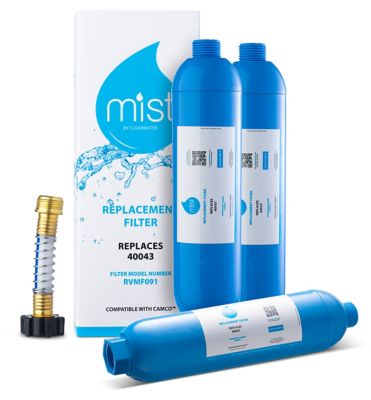
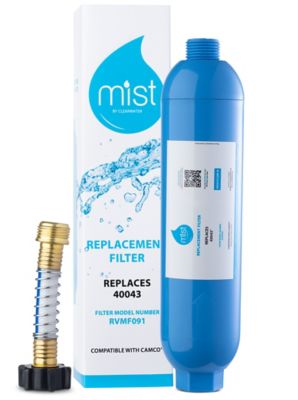
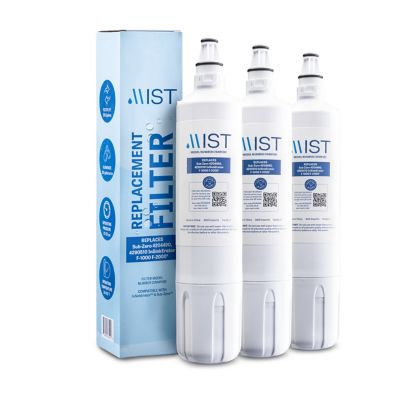
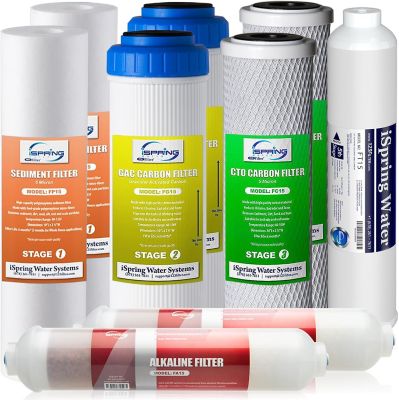
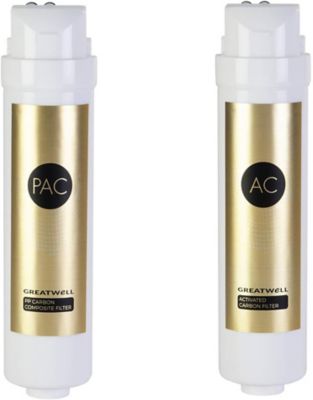
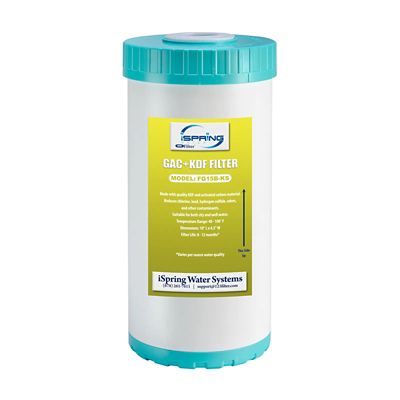
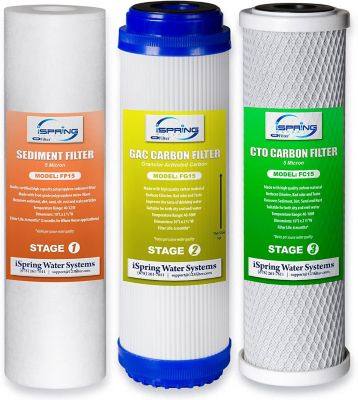
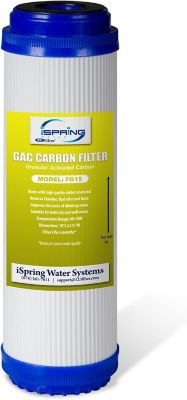
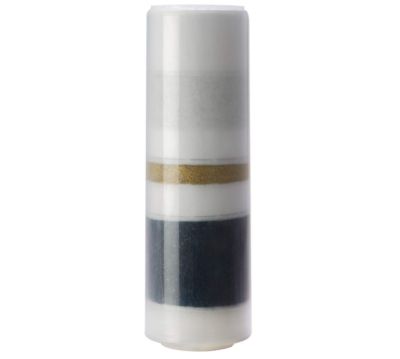
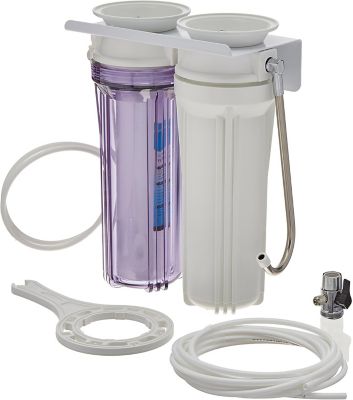
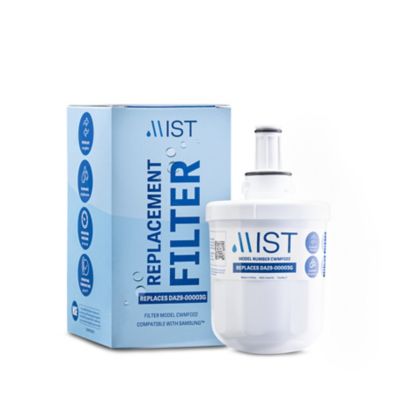
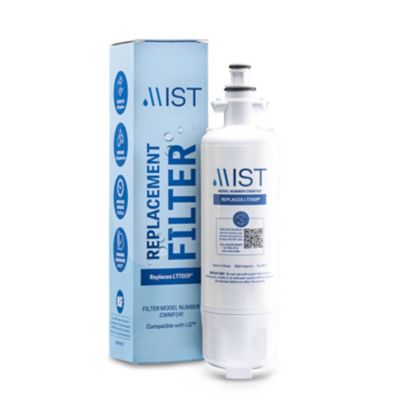
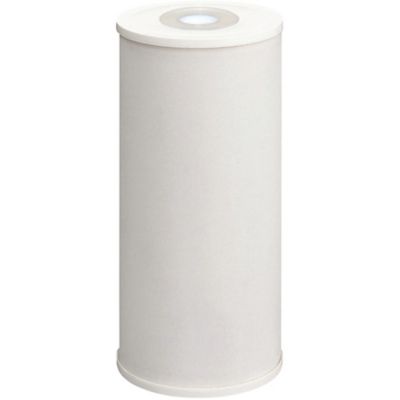
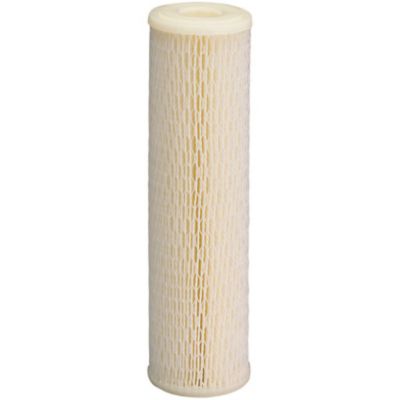
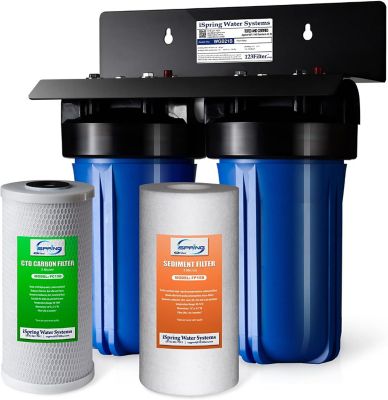
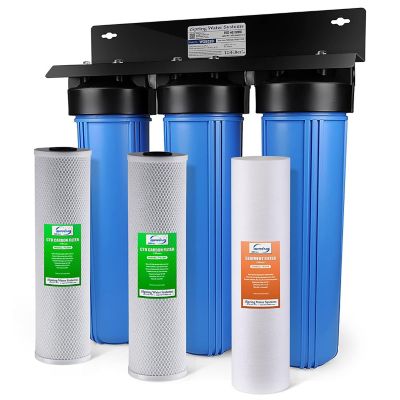
Granular activated carbon water filters are a practical way to improve the taste, smell and overall feel of household water. These filters use loose carbon granules, commonly made from coconut shells, coal or wood, that have been treated at very high temperatures to create millions of tiny pores. As water moves through the carbon bed, many unwanted compounds stick to the porous surface in a process called adsorption. That large surface area is what gives activated carbon its filtering power. Depending on the filter design and the type of carbon used, a GAC filter may reduce chlorine, chloramines, volatile organic compounds (VOCs), pesticides, herbicides, industrial solvents and other organic chemicals that can affect water quality. It can also help with musty, earthy or sulfur-like odors and may improve water that looks slightly cloudy from fine particles, though the exact results depend on the filter’s construction and the water entering your home. For many households, the difference is most noticeable at the kitchen sink: water tastes cleaner in a glass, coffee has less of a chemical aftertaste, and the sharp smell that sometimes comes from treated tap water is less noticeable. GAC filters can be used in countertop pitchers, faucet-mounted units, under-sink systems, refrigerator lines, inline applications and larger whole-house setups. When comparing granular activated carbon water filters, start by matching the filter to the job. A small point-of-use cartridge may be a good fit for drinking and cooking water, while a whole-house filter is designed to treat water as it enters the home for use in sinks, showers and appliances. Check the cartridge size, connection style, flow rate, capacity and replacement schedule before buying, and make sure the filter can handle the pressure and volume of your water system. A cartridge with a higher gallon rating may last longer, but actual service life can change with water quality, household usage and the amount of sediment present. If your water comes from a private well, seasonal cabin or rural supply, a water test is a smart first step. Testing can identify concerns that a carbon filter is not designed to address and helps you choose equipment based on what is actually in the water rather than relying on taste or appearance alone.
Activated carbon is especially useful for reducing many organic compounds and disinfectant-related tastes, but it is not a catch-all purifier. Standard GAC filters generally do not remove dissolved minerals, salts, nitrates, iron, fluoride or every type of heavy metal, and they should not be expected to remove bacteria or viruses unless the product is specifically engineered and certified for that purpose as part of a broader treatment system. Carbon also does not soften hard water in the same way a water softener does. If your water has a strong iron stain, excessive sediment, high nitrate levels or a known microbial concern, additional treatment may be needed. In some cases, a sediment prefilter helps protect the carbon media from clogging, while ultraviolet treatment, reverse osmosis or another specialized stage may be used for concerns beyond carbon’s capabilities. For a broader under-sink setup, explore
Under Sink Reverse Osmosis Water Filters and compare the treatment goals, installation requirements and ongoing filter costs. It is also worth checking the product label for independent testing or certification claims, the specific contaminants addressed and the conditions under which performance was measured. Pay attention to contact time, too. Water needs enough time in the carbon media for adsorption to work well, so pushing water through a cartridge faster than its rated flow can reduce performance. Replacing cartridges on schedule is just as important. Once carbon becomes loaded with contaminants, it can lose effectiveness, and an overdue filter may restrict flow or allow unwanted compounds to pass through. Keep a spare replacement cartridge on hand, especially if the filter serves the only drinking-water tap in the house. During the cooler months, households that spend more time indoors often notice water taste and odor more because the kitchen becomes the center of daily routines, from filling stockpots to making coffee before chores. A dependable filter can be a useful addition for a farmhouse, workshop break room, hunting cabin or family home, as long as it is selected for the water source and maintained as directed.
Granular activated carbon water filters can also make a thoughtful, practical gift for someone settling into a new home, caring for an older farmhouse, outfitting a camper or improving a cabin kitchen. They are useful for people who cook often, make coffee or tea, keep pets and livestock supplied with fresh water, or simply prefer the taste of filtered water over tap water. A filter may be particularly welcome where the water has a noticeable chlorine smell, a swampy or musty odor, or a flavor that makes family members reach for bottled water. Before giving one as a gift, consider the recipient’s setup: faucet fittings and under-sink plumbing vary, and a whole-house unit may require more room, tools and installation planning than a simple inline cartridge. For rural properties, look at the well history, pressure tank, sediment level and any available laboratory test results. For municipal water, review the local water quality report and note whether chlorine or chloramine is used for disinfection, since different carbon formulations may perform differently. Installation should follow the manufacturer’s instructions, including flushing a new cartridge until the water runs clear and checking for leaks at every connection. Store replacement filters in a clean, dry place and write the installation date on the housing or a nearby piece of tape; that small habit makes it easier to keep up with maintenance when the seasons get busy. With the right size, appropriate carbon media and regular replacement, these filters can provide a convenient improvement for drinking and cooking water while fitting neatly into everyday routines. Whether the goal is better-tasting water at the kitchen sink, fresher water throughout a small home or a useful upgrade for a weekend place, compare capacity, flow rate, contaminant claims and installation needs carefully so the filter matches the work you expect it to do.