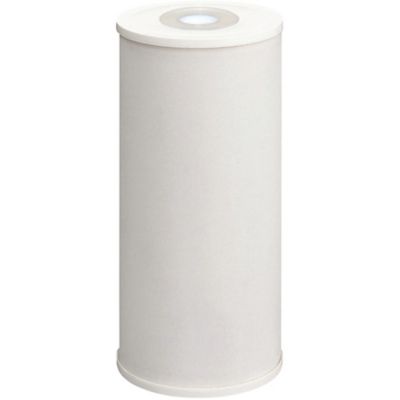
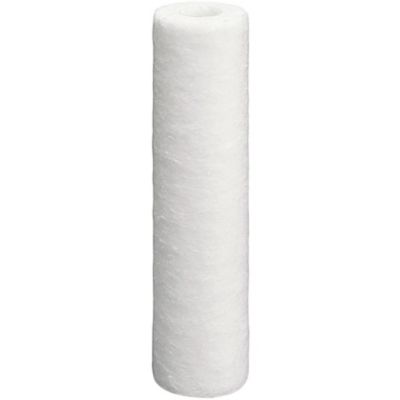
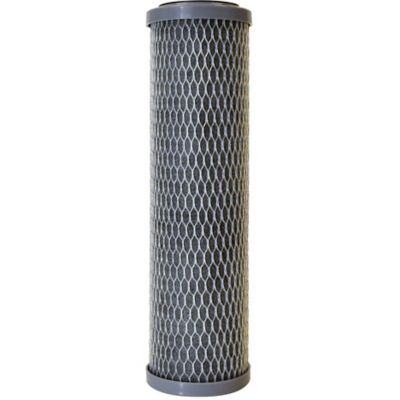
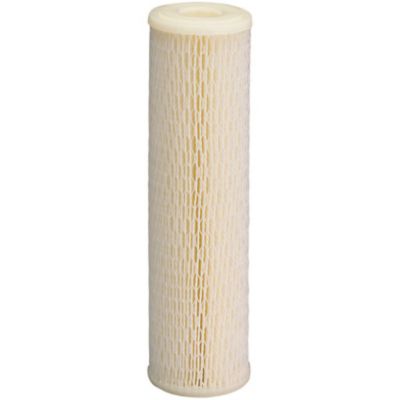
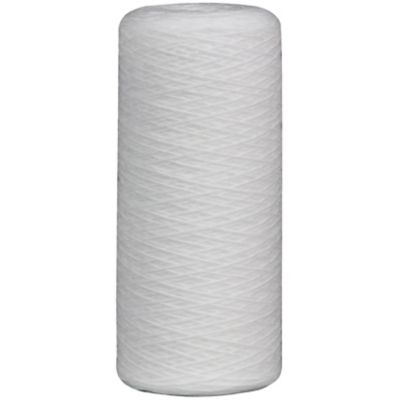
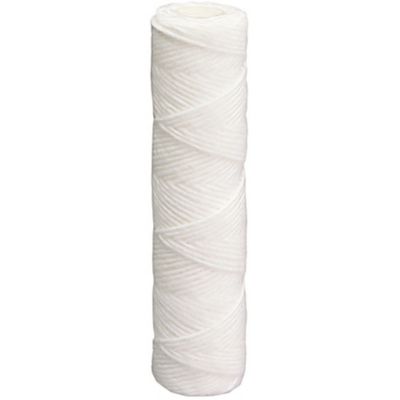
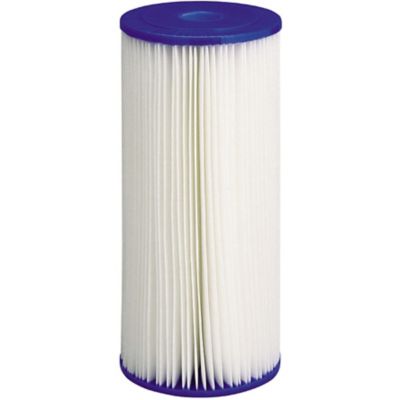
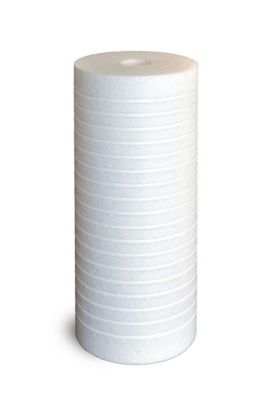
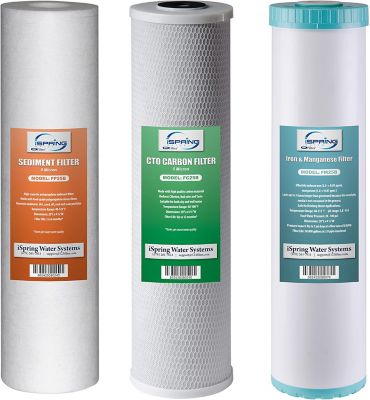
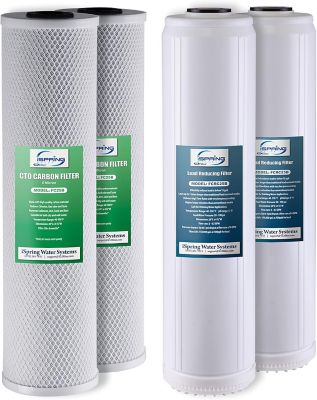
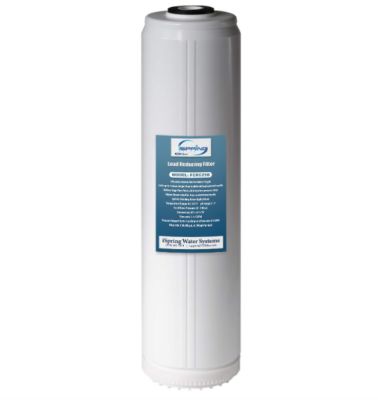
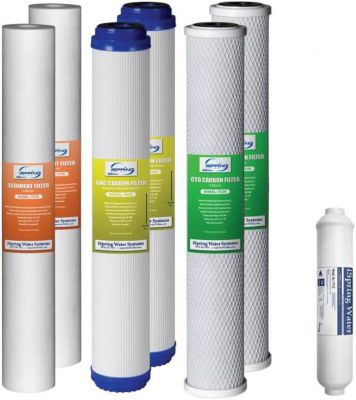
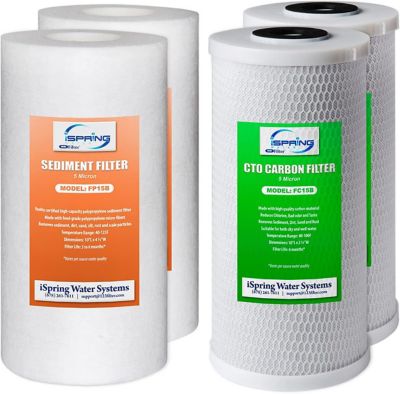
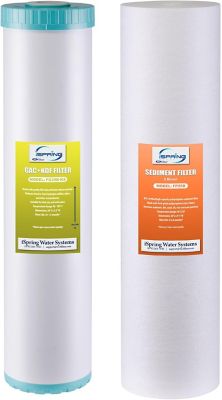
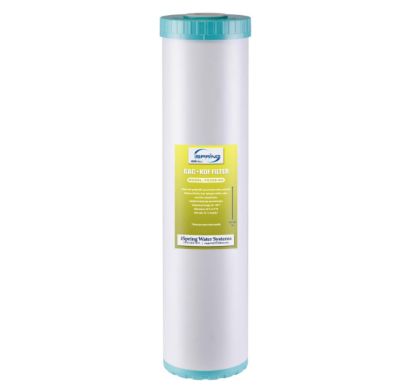
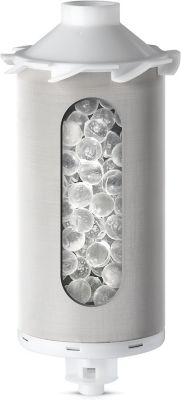
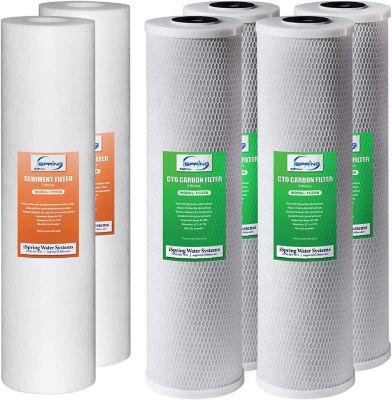
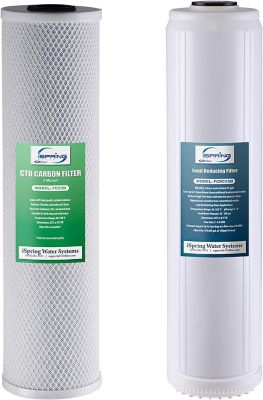
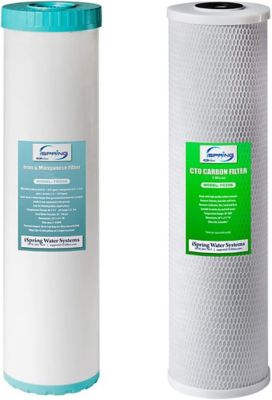
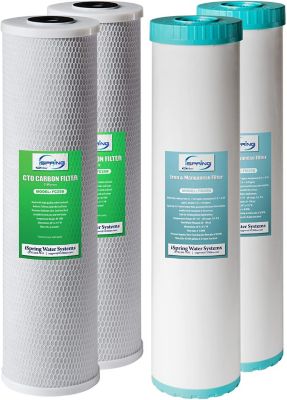
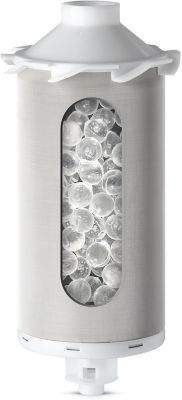
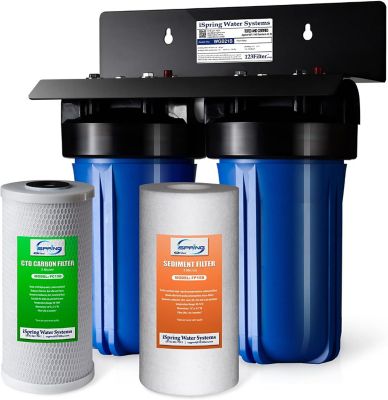
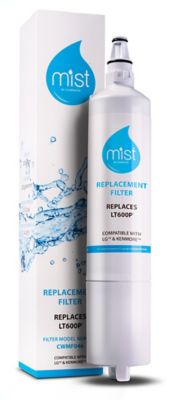
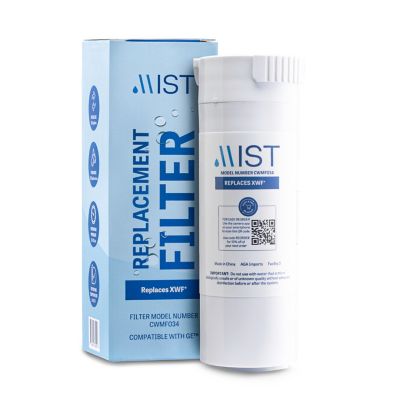
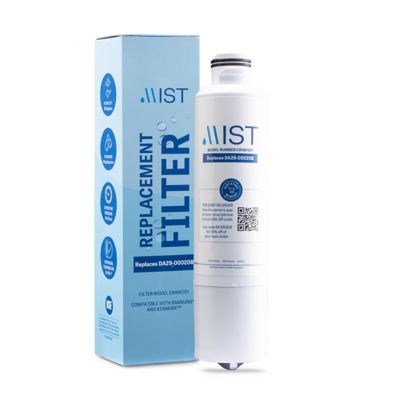
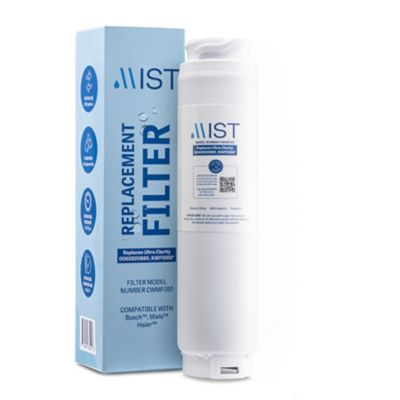
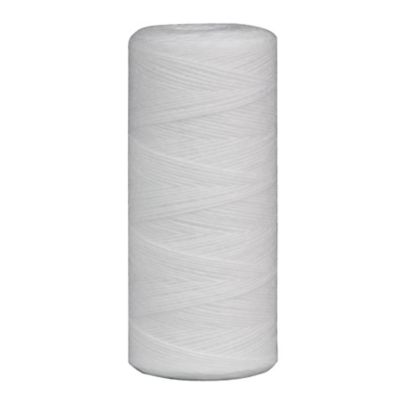
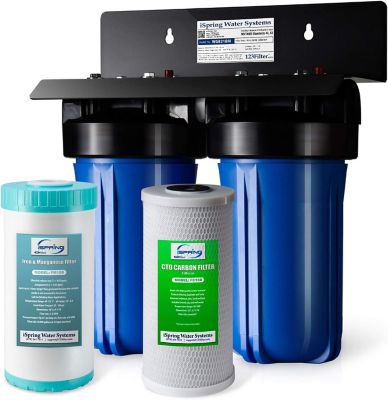
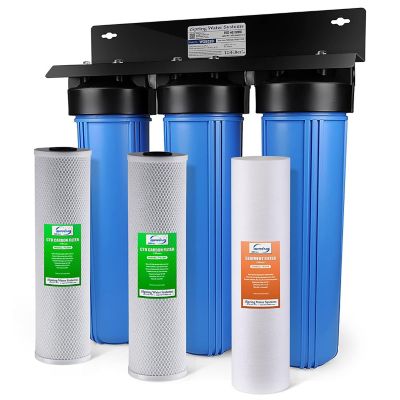
Well water filter cartridges help catch sand, dirt, silt, rust flakes, and other suspended particles before they travel farther through a home’s water system. For a place supplied by a private well, that can mean less grit collecting in faucet screens, toilet tanks, and appliance inlet screens. A sediment cartridge acts as a physical barrier, trapping particles as water passes through its filtering material. It does not do every water treatment job, though. Dissolved minerals, certain odors, bacteria, and other contaminants call for treatment matched to the results of a water test. The right cartridge starts with what is actually in the well water, not just how clear a glass looks at the kitchen sink. Common well water sediment filter cartridges include pleated, string-wound, and spun polypropylene designs. Pleated cartridges have folds that provide plenty of filtering surface within a compact space, making them a practical option for capturing suspended grit. Some are washable, but only cartridges specifically labeled for cleaning should be rinsed and returned to service. String-wound cartridges have layers of yarn wrapped around a central core, with the material and winding pattern affecting their intended application. Spun polypropylene cartridges catch particles through a fibrous structure, and some have progressively finer layers toward the center. Carbon block cartridges serve a different purpose: depending on their design and tested claims, they can reduce certain tastes, odors, and contaminants. They are not a catchall answer for every well water concern. A rotten-egg smell, orange staining, or persistent cloudiness may require treatment beyond an ordinary sediment or carbon cartridge. For a farmhouse kitchen, a rural rental, or a home with a busy laundry room, matching the filter material to the water conditions helps keep the system focused on the job it needs to handle. A water treatment professional can help separate a particle problem from one involving dissolved substances or microbes.
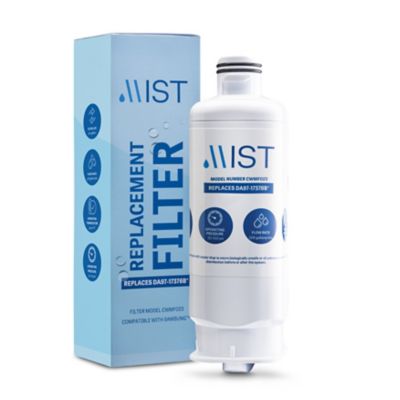
Fit matters just as much as filtering material when comparing replacement well water filter cartridges. Common nominal sizes include 2.5 inches in diameter by 10 inches long, 4.5 inches by 10 inches, and 4.5 inches by 20 inches. Those measurements are useful starting points, not a promise that every cartridge with the same listed size fits every housing. Actual dimensions, end-cap shape, center openings, and sealing arrangements must match the housing’s requirements. Checking the housing model and its listed cartridge specifications is a better approach than judging an old filter by eye. For systems that treat water entering the home,
Whole House Water Filter Cartridges are relevant to that same fit-and-function comparison. Micron rating describes the size of particles a filter is designed to capture under stated conditions; a lower number generally indicates finer filtration. A 5-micron sediment cartridge is a common option for fine particles, but it is not automatically the best match for every well. Water carrying heavier sand or sediment may benefit from a coarser first stage so that a finer downstream cartridge does not plug too quickly. Nominal and absolute ratings also mean different things, so two cartridges labeled with the same micron number may not capture the same proportion of particles. The manufacturer’s efficiency information helps explain that difference. Flow rate deserves attention, especially when the shower, washing machine, and kitchen faucet may run together. A cartridge needs to support the household’s demand within the housing and system specifications. Finer filtration can add resistance, and trapped sediment increases that resistance over time. Larger cartridges often provide more filtering surface or sediment-holding capacity, though performance still depends on their construction. A filter serving one sink has a different workload from one handling the household supply. Likewise, a line serving both the house and outbuildings may need a different setup from a line dedicated to indoor fixtures. The goal is filtration that suits the water without unnecessarily restricting everyday flow.
Cartridge service life depends on sediment load, water consumption, filter size, and the material doing the filtering. Some households may find that replacement falls around every three to six months, while others need a shorter interval; the cartridge manufacturer’s schedule and the system’s condition should set the pace. A well that sends noticeable grit into the housing can fill a cartridge much sooner than one with little suspended material. A sudden increase in sediment also deserves attention to the well and pumping system rather than simply more frequent filter changes. Where gauges are installed before and after the housing, a growing pressure difference can help show that a cartridge is loading up, with the replacement threshold determined by the equipment instructions. A slowdown at several fixtures can be another clue, although plumbing restrictions and pump issues can cause similar symptoms. Carbon cartridges may reach their treatment capacity without an obvious loss of flow, so water pressure alone cannot tell the whole story. For cartridges approved for washing, cleaning methods and the number of permitted cleaning cycles vary by material. Disposable cartridges should be replaced rather than scrubbed or rinsed in an attempt to extend their life. Housing care matters, too: safe servicing includes isolating the water supply, relieving pressure, and following the manufacturer’s cleaning and sanitation directions. Seals need to sit properly, and any lubricant must be approved for the seal material and drinking-water application. A cracked housing, damaged seal, or poorly seated cartridge needs attention before the system goes back into service. Keeping a record of cartridge size, micron rating, installation date, and any noticeable changes in flow makes the next replacement less of a guessing game. For households balancing chores, livestock care, and everyday laundry, those details can save a second trip to check the housing label. Even when the water looks clear and tastes fine, private wells still need regular testing. Annual testing for total coliform bacteria and nitrates, along with locally recommended checks, helps identify concerns that a sediment cartridge cannot address. Well water filtration works best when cartridge selection, routine care, and testing all support the needs of the property.