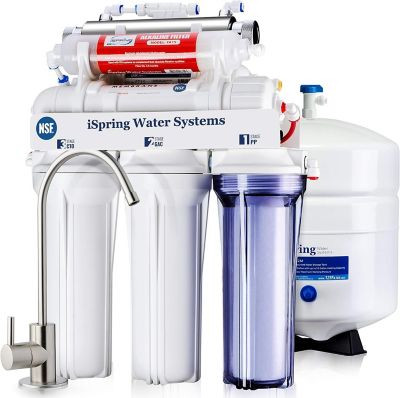
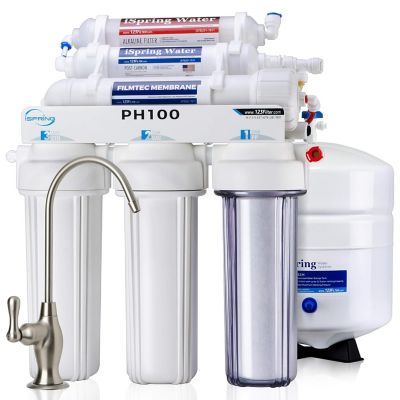
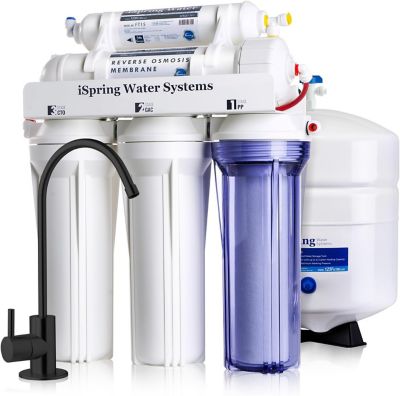
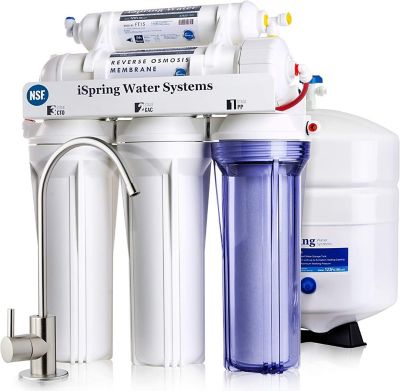
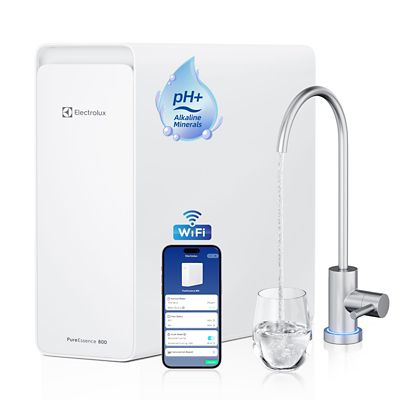
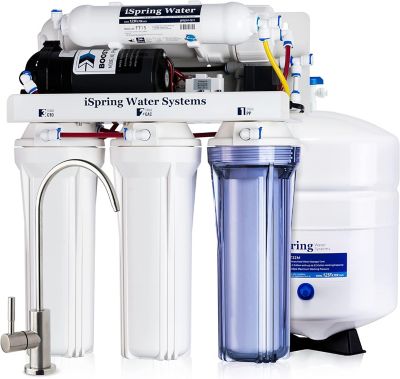
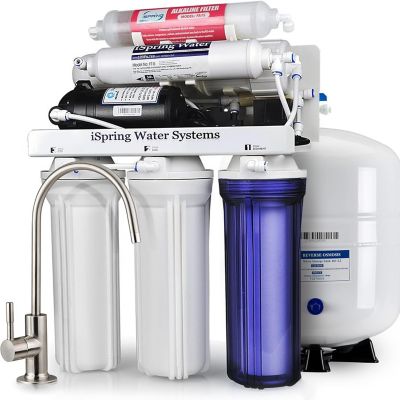
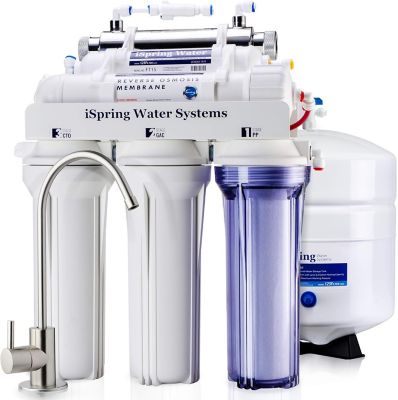
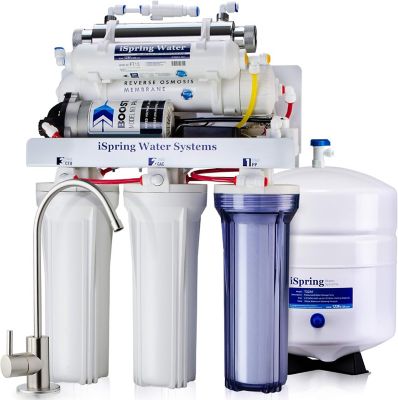
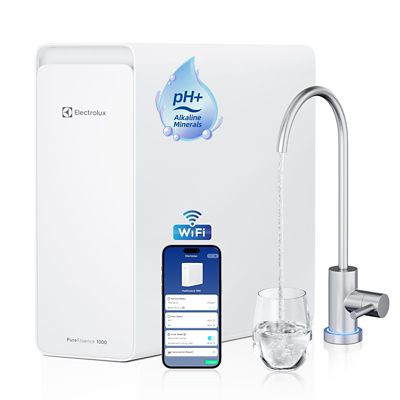
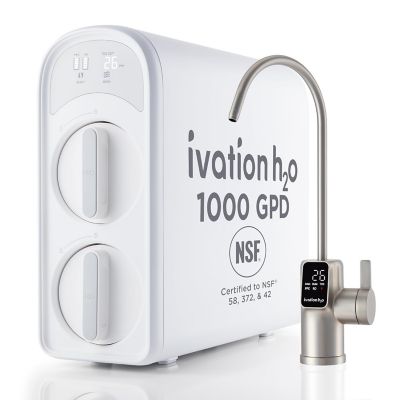
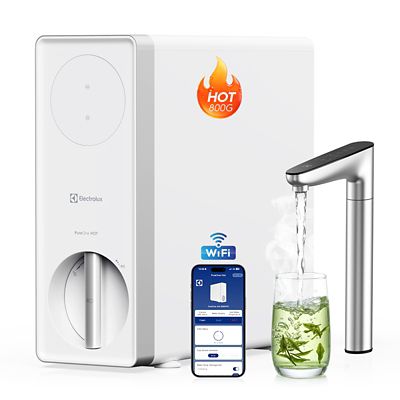
Under-sink reverse osmosis water filters put drinking water filtration close to where the coffee gets brewed, vegetables get rinsed and supper gets started. Tucked inside a sink cabinet, these systems treat water at a single point rather than supplying every faucet in the house. That makes them a practical fit for households that want filtered water for drinking and cooking without adding a filtration unit to the countertop. Within the broader range of
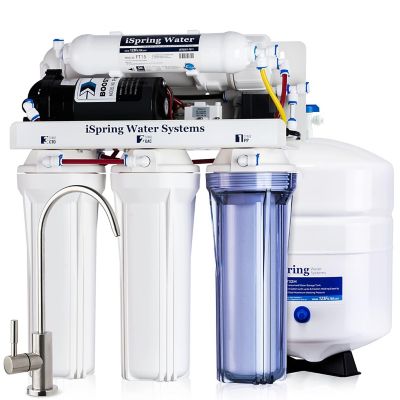
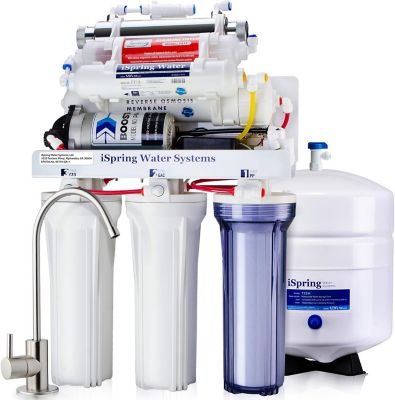
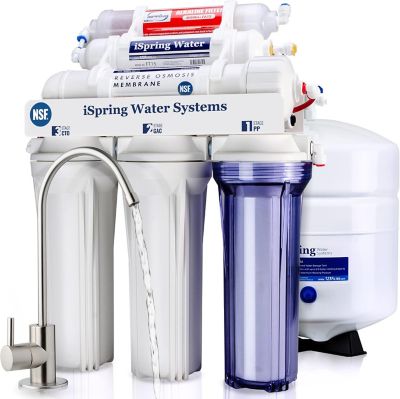
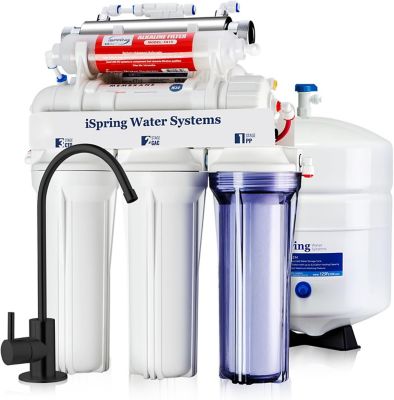
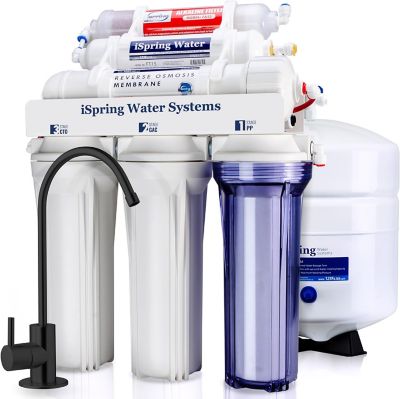
Reverse Osmosis Water Filtration Systems, under-sink designs bring together several treatment stages in a compact setup. A sediment filter typically catches particles such as sand, silt and rust, while carbon filtration can reduce chlorine taste and odor and help protect the membrane. The reverse osmosis membrane does the work of separating out many dissolved substances, with a separate drain connection carrying away the reject water. Some configurations also include a final carbon stage or a mineral cartridge that changes the finished water’s taste and mineral content. The right combination depends on what comes out of the tap in the first place. A home on municipal water may have different treatment needs than a farmhouse supplied by a private well, even when both households notice a similar taste. Water testing provides a better starting point than appearance alone, since clear water can still contain dissolved contaminants. Performance claims deserve a close look, too: a system certified to NSF/ANSI 58 should be evaluated for its listed reduction claims, not assumed to address every possible concern. Depending on the system and its verified claims, those concerns might include lead, fluoride, nitrate or certain dissolved salts. Reverse osmosis is not a blanket answer for unsafe source water, and a standard drinking water unit should not be counted on to disinfect a contaminated well. For everyday household use, the goal is a setup matched to the water supply and the drinking water needs around the kitchen.
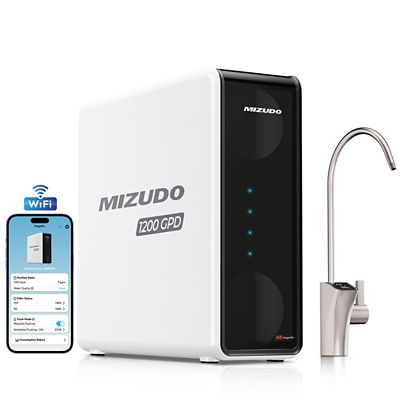
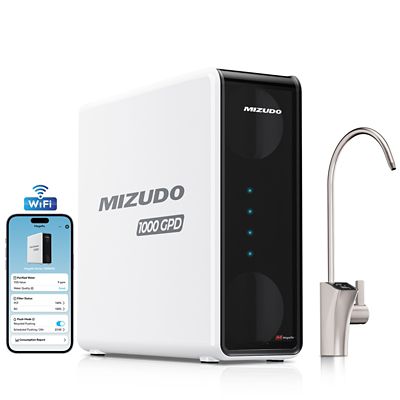
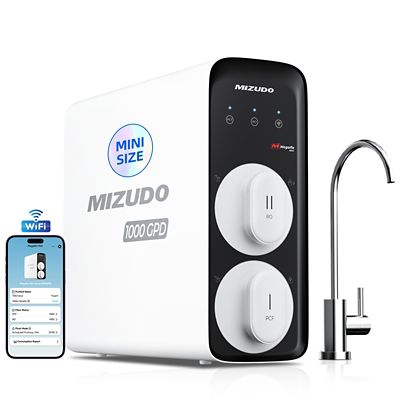
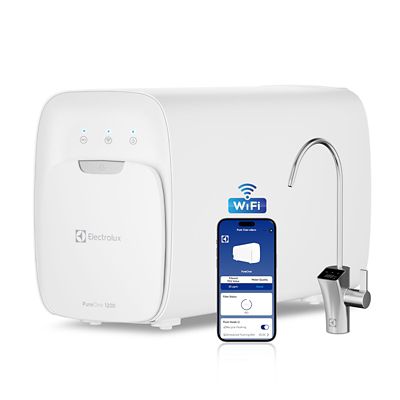
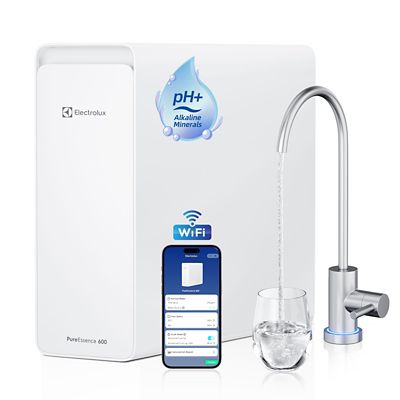
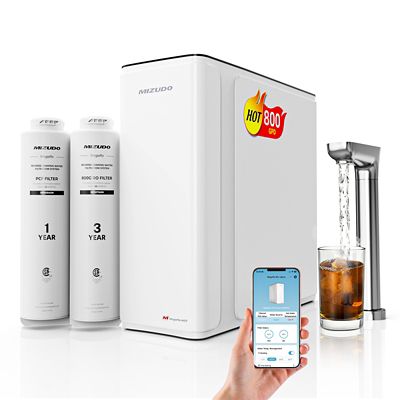
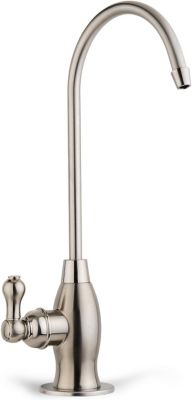
Cabinet space matters just as much as filtration stages when an under-sink system joins the plumbing. A deep sink bowl, garbage disposal, pullout trash bin and cleaning supplies can leave less room than the cabinet doors suggest. The system’s full dimensions include more than the filter housings: tubing needs room to bend without kinking, fittings need clearance, and cartridges need enough space for removal. Tank-style systems also require a spot for a storage tank, which holds treated water ready for the next glass or cooking pot. The tank’s stated size is not necessarily the amount of water it delivers between refill cycles, so usable storage capacity is a helpful comparison. Tankless configurations free up the space a separate tank would occupy, though many need an electrical outlet and have their own operating requirements. Daily production ratings and faucet flow describe different things; a high gallons-per-day rating does not mean that entire amount is waiting at the tap. Incoming water pressure, feed water conditions and the system’s design all affect performance. A household filling several drinking bottles before chores may care more about ready-to-dispense volume than a household drawing a glass at a time. Faucet fit belongs in the same conversation. Many installations need a dedicated drinking water faucet and an open mounting hole, while some setups have other connection requirements. Air-gap requirements and drain connections depend on the equipment and local plumbing rules. Food-contact materials, sturdy mounting brackets and accessible shutoff connections all contribute to a setup that fits its working space. Housings may be made from food-contact-rated plastics, while faucet bodies and finishes vary by design. A finish that suits the main kitchen faucet can keep the sink area looking pulled together, but easy operation and room beneath the spout matter every day. Connections to an ice maker or refrigerator water dispenser require compatible plumbing and enough delivery pressure; not every under-sink system supports those additional uses without extra components.
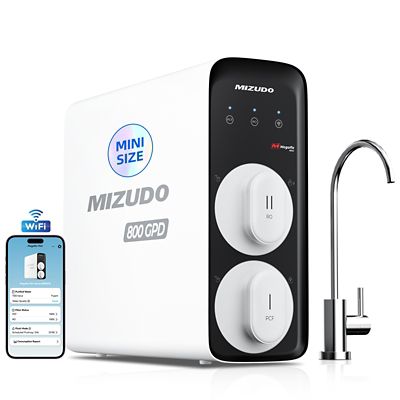
Ongoing care is part of owning an under-sink reverse osmosis water filter, whether it serves a busy family kitchen or a smaller household. Sediment and carbon cartridges generally need attention more often than the membrane, but replacement schedules vary with the system, water conditions and household consumption. Hardness, iron and heavy sediment can shorten component life or call for treatment ahead of the reverse osmosis unit, especially on a well supply. A water softener and a reverse osmosis filter do different jobs: softening addresses hardness, while reverse osmosis targets a range of dissolved substances at the drinking water tap. Neither should be treated as a substitute for the other when both concerns are present. Replacement cartridges, membranes, seals and tubing need to match the equipment specifications, since similar-looking parts do not always have the same fittings or performance. Twist-off cartridges can simplify routine changes, while traditional housings may require a housing wrench and more clearance. Either style benefits from accessible placement, manufacturer-directed sanitizing and careful attention to seals during service. A leak sensor beneath the sink can add another layer of protection around cabinetry and flooring. Taste alone cannot confirm that a membrane is performing as intended, and a dissolved-solids reading does not identify individual contaminants or establish microbiological safety. Follow-up testing is especially important when the system addresses a known water concern. There is also a practical side to everyday operation: reverse osmosis sends part of the incoming water to the drain, and the amount varies by design and operating conditions. Comparing the stated recovery or efficiency information helps set expectations alongside storage and flow. For households that regularly fill kettles, make ice, mix drinks or cook from scratch, a well-matched under-sink setup keeps those tasks centered at the kitchen sink. Proper fit, suitable treatment claims and manageable upkeep make the system a useful part of the daily kitchen routine.