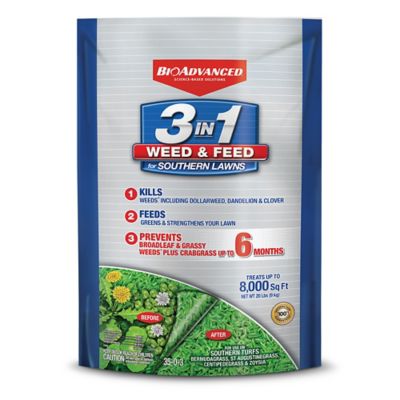
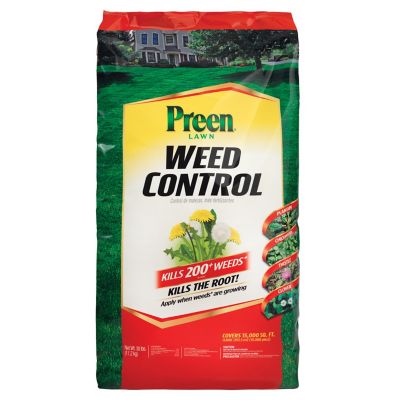
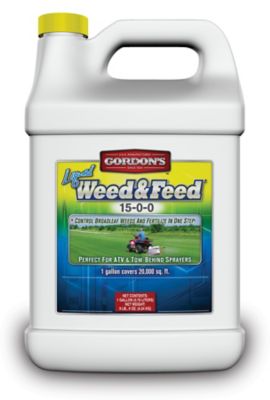
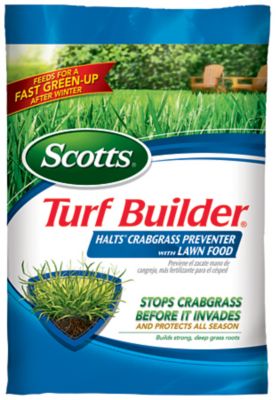
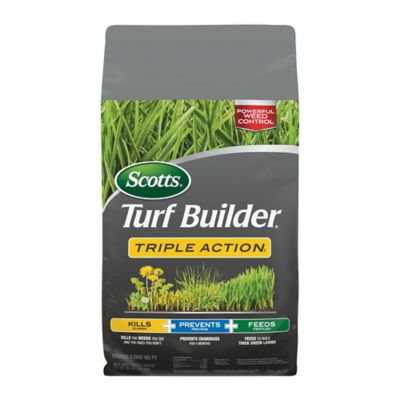
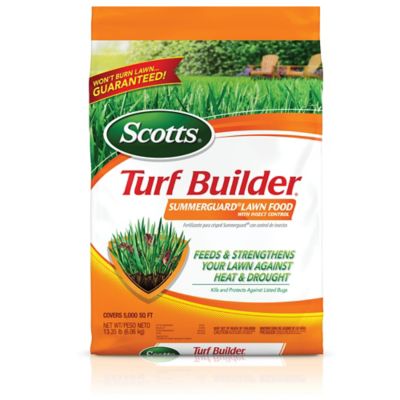
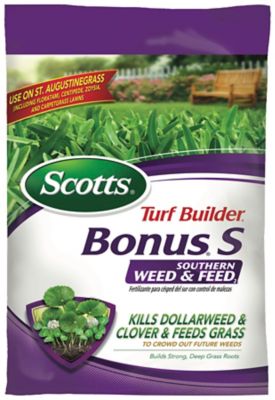
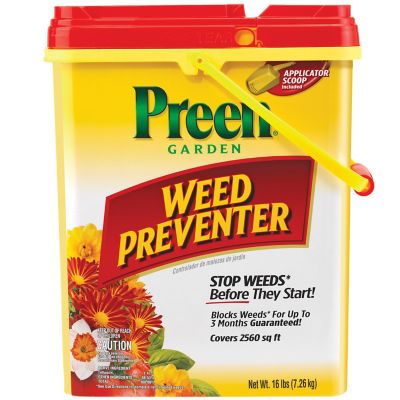
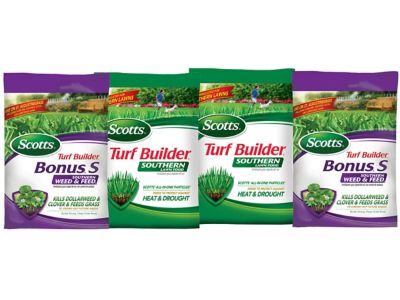
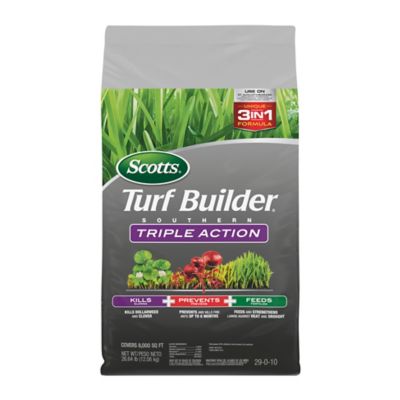
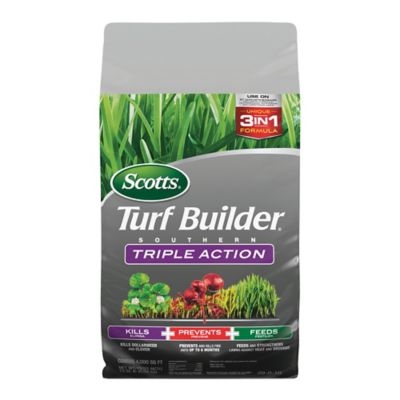
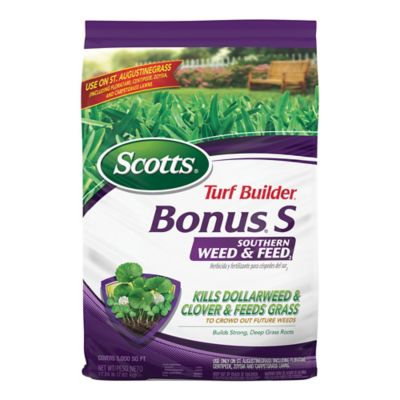
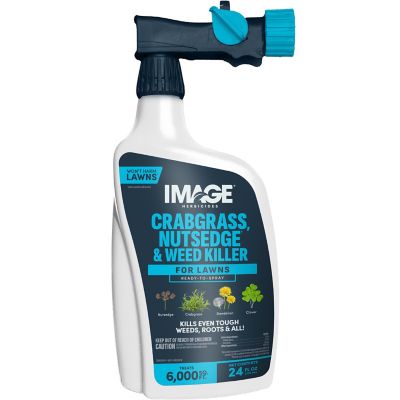
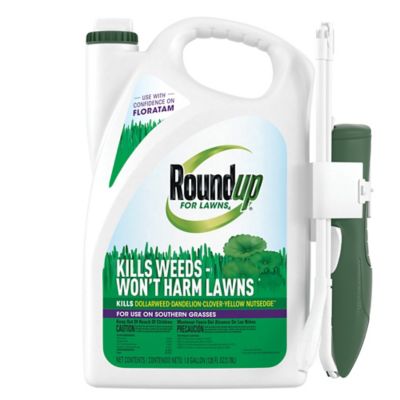
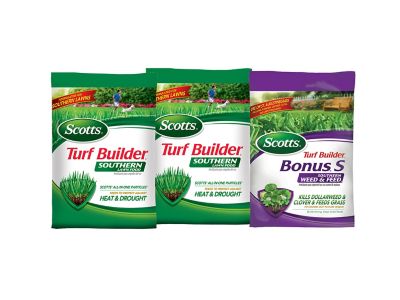
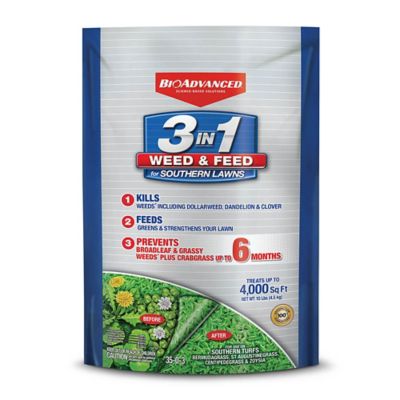
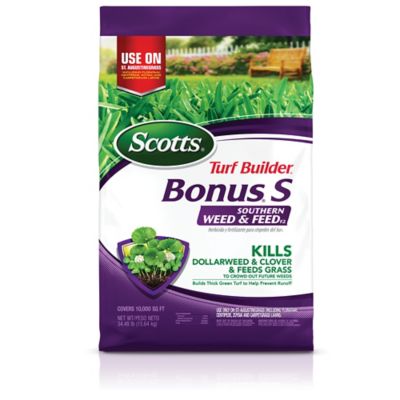
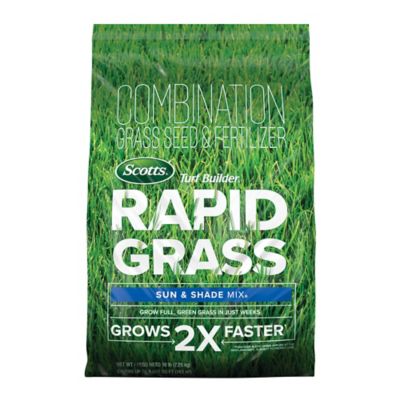
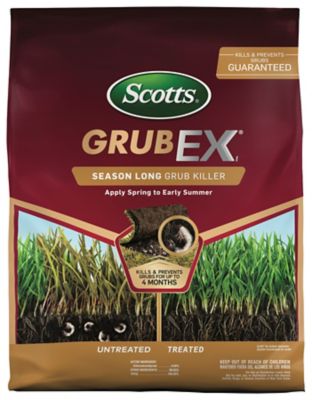
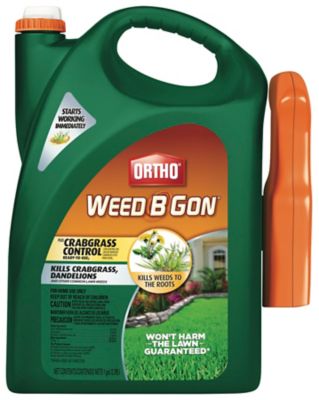
Weed and lawn care products support two connected jobs: helping grass grow thick enough to crowd out unwanted plants and controlling weeds that get a foothold. A full lawn shades the soil and leaves fewer openings for weed seedlings, while targeted treatments address problems that grass alone cannot keep in check. For a yard stretching from the front porch to the fence line, that means looking beyond green blades to the roots and soil underneath. Grass seed, lawn fertilizers and soil amendments serve different purposes, and the right fit depends on the turf type, soil conditions and how the space gets walked, played on or driven across. Seed blends intended for sunny areas may not suit the strip beneath mature trees, while grass selected for frequent foot traffic can be a better match around a gate or along the path to the shed. Matching new seed to the existing lawn also helps repaired patches blend in rather than stand out. Fertilizer supplies nutrients for growth, but more is not necessarily better; soil testing can help identify nutrient needs and whether a pH adjustment makes sense. The numbers on a fertilizer label describe its nitrogen, phosphorus and potassium content, giving shoppers a way to compare formulas by purpose rather than appearance alone. Products that combine lawn feeding with weed control require attention to both jobs, especially when seed is part of the plan. Feeding grass does not remove established weeds, and some weed-control ingredients can interfere with new seedlings. Compacted ground and thin turf also deserve attention, since seed and fertilizer cannot fully compensate for soil that restricts root growth. Aeration equipment opens channels into compacted soil, while overseeding supplies grass seed for sparse areas. Mowing equipment rounds out the picture: a cutting height suited to the grass type leaves enough leaf surface to support growth and shade the ground. Together, these product categories help support a lawn that holds up to everyday life without treating every brown patch or stray weed as the same problem.
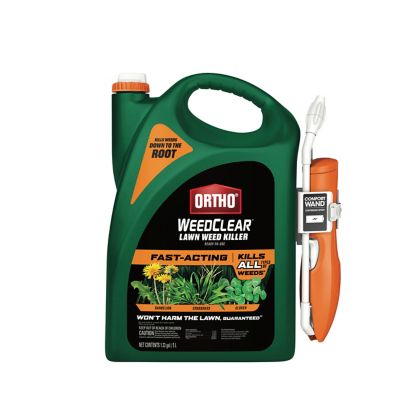
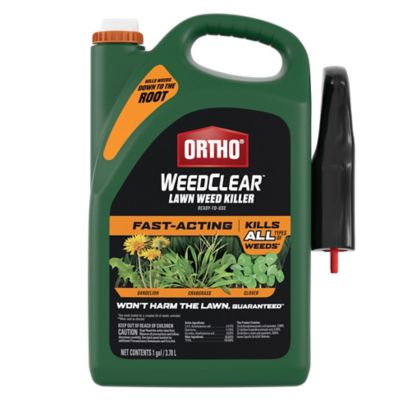
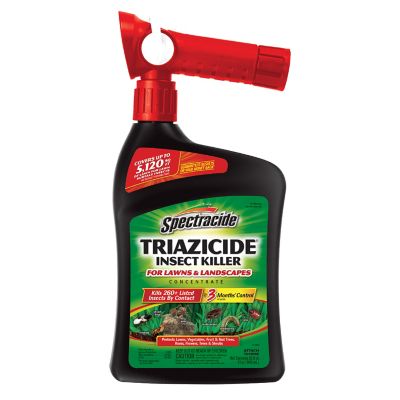
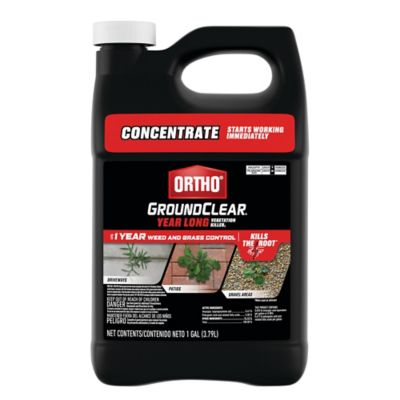
Lawn weed control products differ in what they target, where they belong and when they act in a weed’s life cycle. Pre-emergent herbicides work against susceptible weeds before seedlings become established; they do not clear away mature weeds already standing in the grass. Post-emergent herbicides target weeds after emergence, making weed identification an important part of choosing a treatment. Broadleaf weeds, grassy weeds and sedges can look like one mixed patch from the porch, yet they may call for different controls. Selective herbicides target certain unwanted plants while allowing listed turf grasses to remain, provided the application follows the label. Selective does not mean safe for every lawn, so both the weed and the grass type matter. Nonselective herbicides can injure or kill desirable grass and other plants they contact, making them a different consideration for areas where vegetation removal is permitted by the label. A treatment intended for a gravel driveway is not automatically suitable for the lawn beside it. Granular and liquid formulations also fit different application needs. Granules generally pair with a spreader, while liquid formulations require a compatible sprayer and may involve measuring and mixing. Small, scattered patches can lend themselves to spot treatment when the product label allows it, rather than treating an entire yard for a handful of weeds beside the mailbox. Products intended for broader coverage need equipment that distributes the labeled amount evenly. Application rate, repeat-treatment limits and restrictions around new seeding are all part of the product’s intended use. For properties with livestock, garden beds, ponds or drainage areas nearby, site restrictions deserve particular attention; a lawn herbicide is not automatically approved for pasture or grazing areas. Labels also explain protective equipment, storage requirements and when people and pets may return to the treated area. Those details help distinguish a suitable lawn treatment from one that does not belong on that particular stretch of ground.
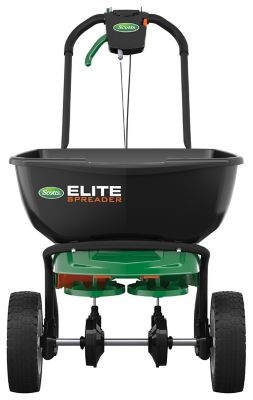
Spreaders, sprayers and lawn maintenance tools make a difference in how comfortably and consistently those materials reach the ground. For a small yard with narrow strips along a walkway, equipment that turns easily and offers straightforward shutoff controls can be more practical than a large-capacity setup. A wider lawn may call for a larger hopper or tank to reduce refill stops, but capacity needs to match the person moving the equipment as well as the area being covered. A full backpack sprayer adds weight to the shoulders, while a push spreader needs wheels and a handle that suit the operator and the ground. Broadcast spreaders cover a wider swath, whereas drop spreaders release material directly beneath the hopper for more controlled placement. That difference matters near flower beds, paved edges and tight property boundaries. Sprayer nozzles, pressure controls and shutoff valves influence application patterns, and chemical-compatible tanks, hoses and seals matter wherever lawn treatments pass through the equipment. Plastic tanks and hoppers, corrosion-resistant metal components and sturdy wheel assemblies each have a role, but material choices need to suit the formulation and the work. Clear measurement markings, accessible fill openings and parts that are easy to rinse can make routine handling less of a chore. Care matters after the job, too: residue left in a sprayer may affect its next application, and fertilizer remaining in a hopper can contribute to corrosion or interfere with moving parts. Cleaning and storage directions help protect both the equipment and future treatments. Property owners tending broad lawn areas often share the same needs as crews doing
Commercial Lawn Care, including manageable capacity, consistent coverage and controls that are comfortable through repeated work. Whether the job is filling a worn path near the porch or managing turf across several properties, weed and lawn care supplies work best when their purpose, grass compatibility and application equipment fit the ground being maintained.