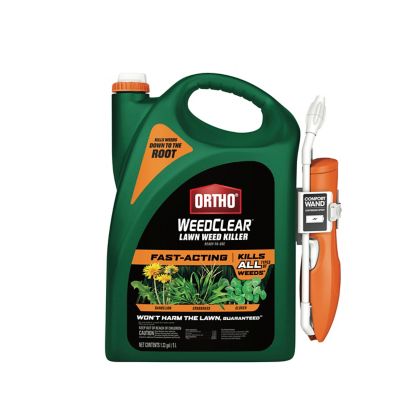
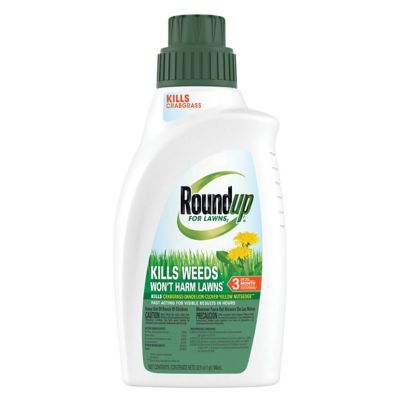
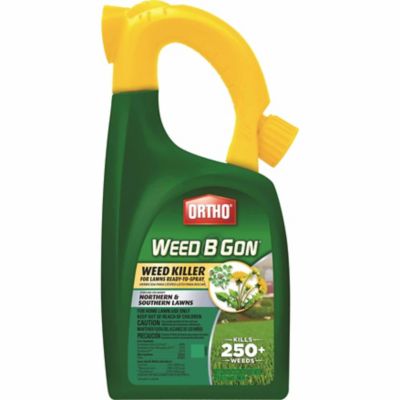
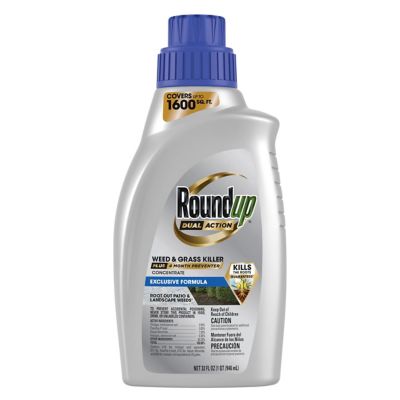
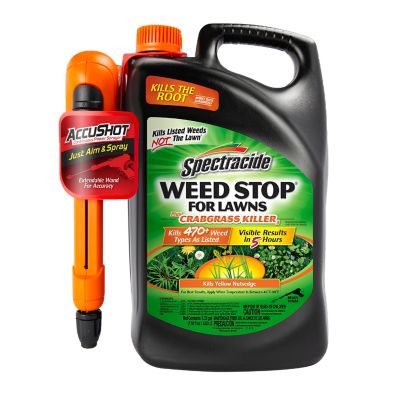
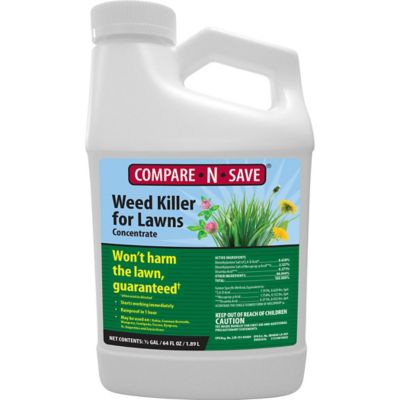
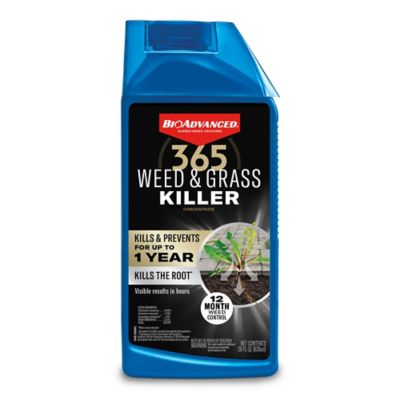
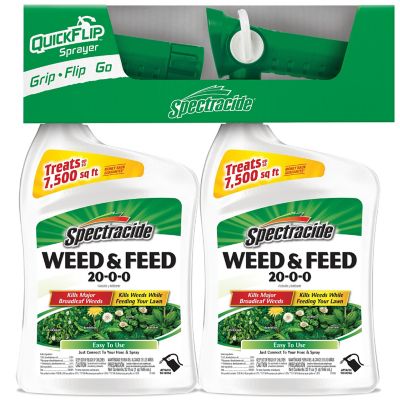
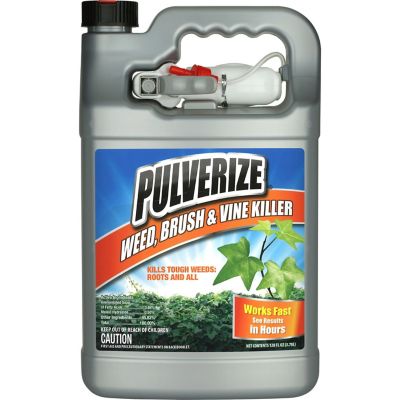
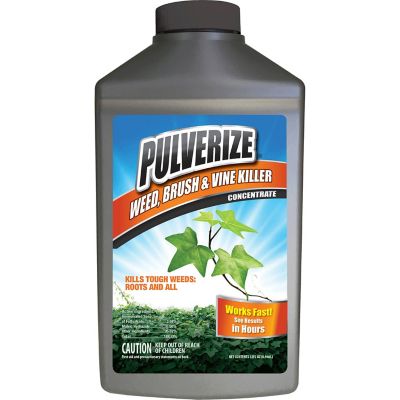
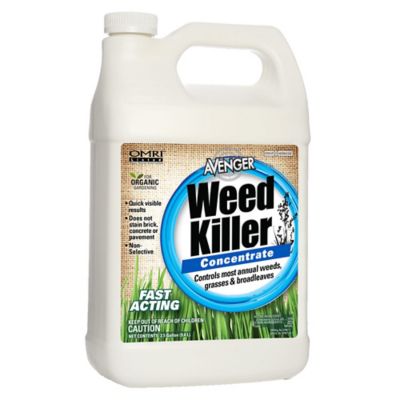
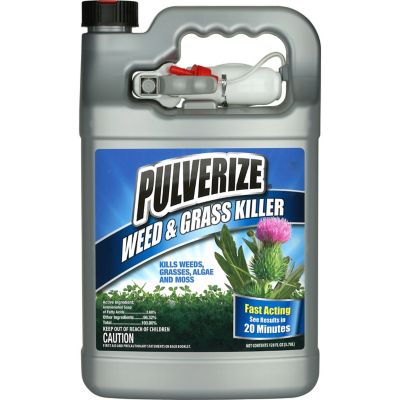
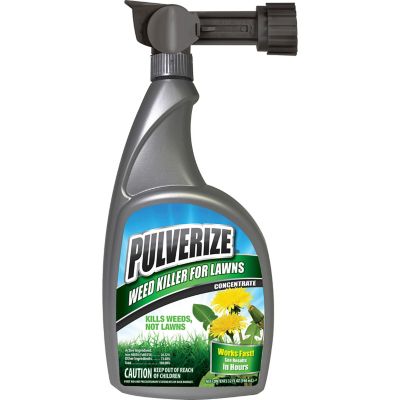
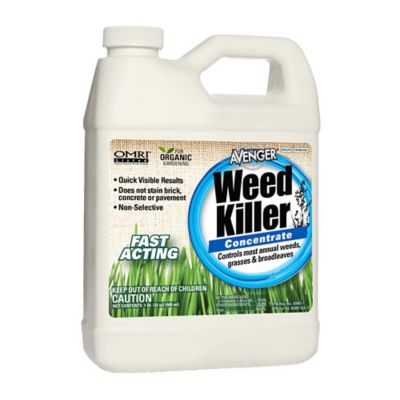
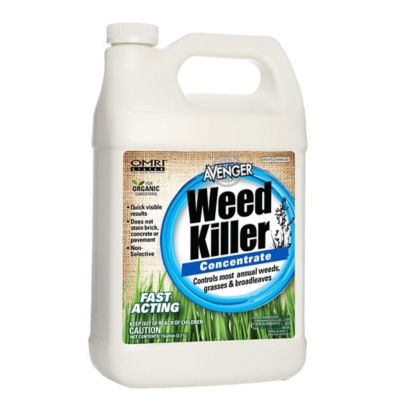
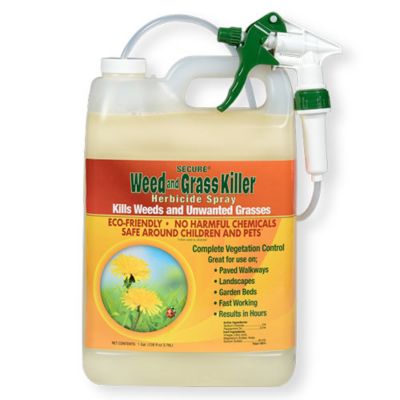
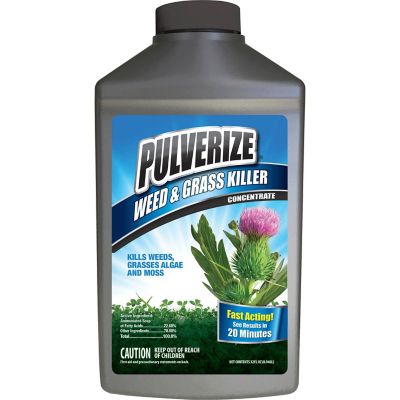
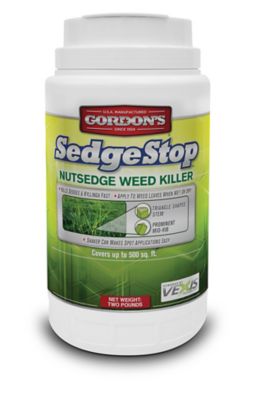
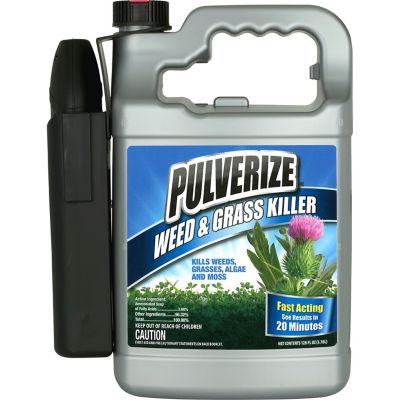
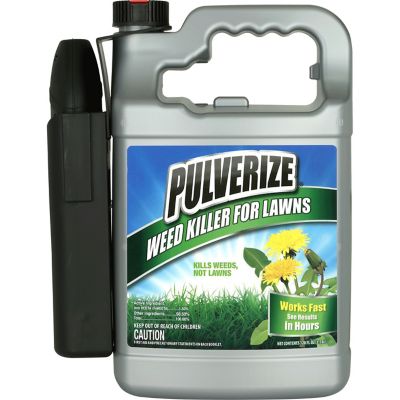
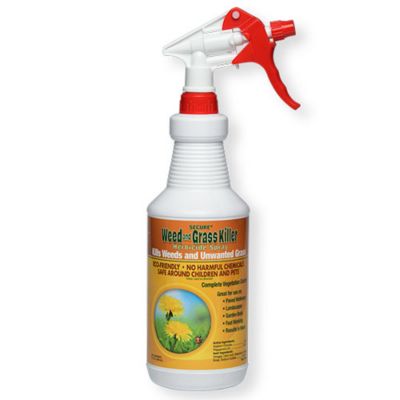
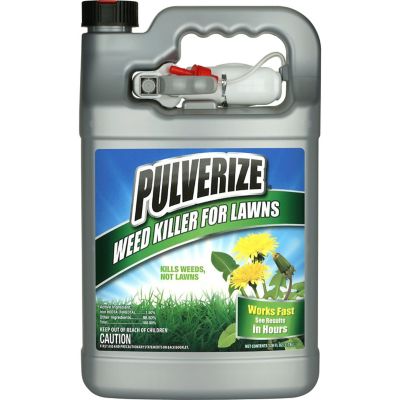
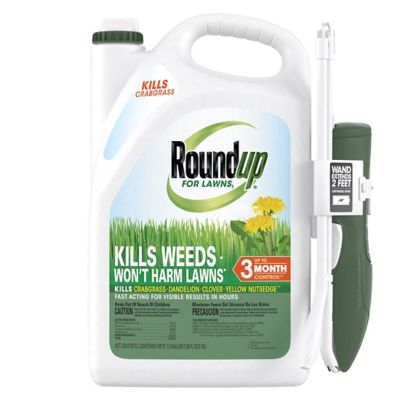
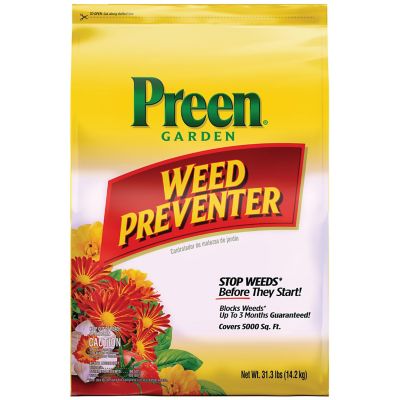
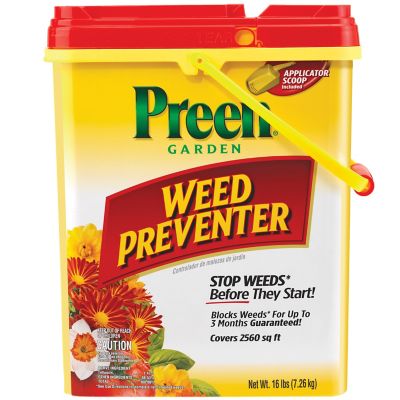
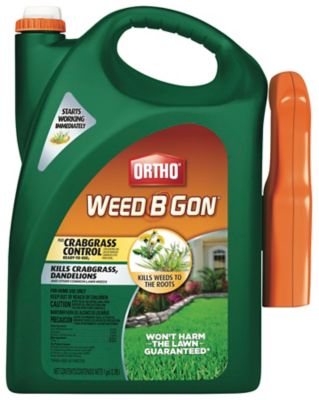
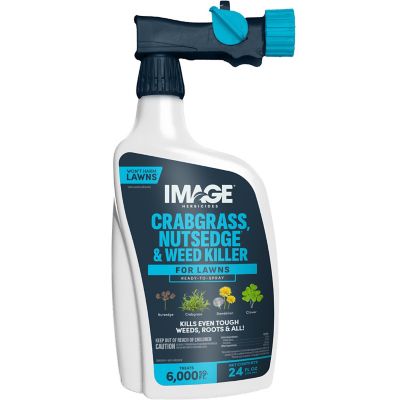
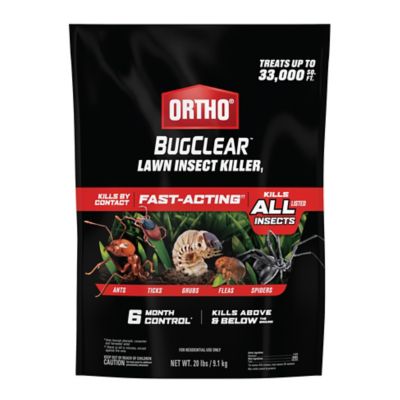
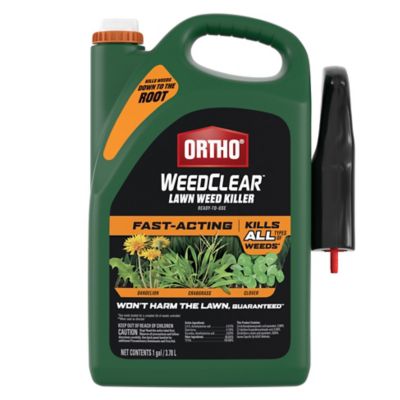
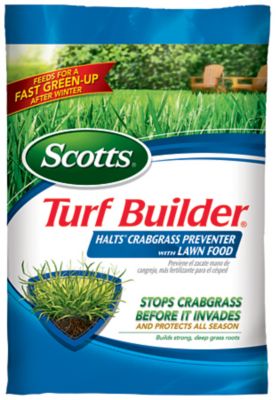
Lawn herbicides help control unwanted plants in turf, with different formulas suited to preventing new weeds, treating existing growth or targeting particular weed types. Pre-emergent herbicides act on developing weeds before they become established, making them an option for preventing certain annual weeds, including crabgrass. A pre-emergent ingredient alone generally will not clear away mature weeds already standing in the yard. Post-emergent herbicides treat weeds that have emerged, though the species controlled and the extent of root control depend on the active ingredients. Selective lawn herbicides target listed weeds in certain turfgrasses, while nonselective herbicides can injure or kill desirable grass along with unwanted plants. These categories overlap: a selective formula may provide pre-emergent control, post-emergent control or both. That makes the label’s weed list and approved turf species more useful than a broad claim about weed control. A lawn dotted with dandelions and plantain calls for different considerations than one with spreading crabgrass or patches of nutsedge. Nutsedge resembles grass at a glance, but it is a sedge and may require a treatment specifically labeled for it. Grass identification matters just as much. Bermudagrass, St. Augustinegrass, tall fescue and Kentucky bluegrass do not all tolerate the same herbicides, and some labels include restrictions for particular varieties. Mixed lawns need attention to every desirable grass present, not just the one covering the most ground. For homeowners tending a front yard, acreage owners maintaining grass around the house or groundskeepers caring for established turf, the best fit starts with that match between weed, grass and intended treatment area. A lawn beside a vegetable patch also presents different boundaries than an open stretch of turf. Lawn herbicides are not automatically appropriate for pastures, hayfields, gardens or areas where livestock graze, even when those spaces sit just across the fence.
Liquid and granular lawn herbicides offer different ways to cover those treatment areas. Ready-to-use liquids simplify smaller jobs because the formula comes prepared for application, while concentrates require measuring and dilution according to the label. A few broadleaf weeds beside the front walk may call for spot treatment rather than coverage across an entire yard, provided the label permits that approach. Larger areas may suit a compatible sprayer or spreader, with the choice depending on the formulation, equipment requirements and amount of ground involved. Granules distribute through a spreader, but their application needs vary. Some need irrigation to move the active ingredient into the soil; others need moisture on weed leaves so the granules can adhere. Liquid treatments have their own requirements for coverage, drying time and rainfall after application. Those details affect performance and belong in the buying decision, especially where irrigation options are limited or nearby plants need protection from spray drift. Package weight or container size alone does not show how much lawn a treatment will cover. Concentration, labeled application rate and the target weed all factor into coverage, so comparing the stated treatment area gives a clearer picture of how much material the job calls for. Equipment fit matters, too: a concentrate intended for a particular application method should match the sprayer and measuring tools on hand. Even distribution helps avoid missed strips and overlapping passes that can damage turf. Weed-and-feed formulations combine fertilizer with herbicide, which can make sense when the lawn needs both components at their labeled rates and timing. Where turf does not need added nutrients, a herbicide-only option keeps those jobs separate. Reseeding plans are another important consideration. Certain herbicides interfere with grass seed establishment, while others carry waiting periods before seeding or restrictions around newly planted turf. A bare patch scheduled for repair and an established lawn needing weed control may therefore need different approaches.
Results also depend on the weed’s growth stage, the condition of the turf and how the treatment works. Some post-emergent herbicides act mainly on contacted plant tissue, while systemic herbicides move within susceptible plants. Visible changes may take time, and a slower response does not necessarily mean the application failed. Established perennial weeds can need follow-up treatment when the label allows it, while pre-emergent protection lasts only for the period supported by the formula, rate and application conditions. Longer residual activity is not automatically better if planting or lawn renovation is also on the calendar. A good lawn-care routine pairs appropriate weed control with mowing, watering and soil care that help turf fill in rather than leave open ground for another round of weeds. A broader approach to
Lawn Weed Management brings those pieces together without treating every patch of green the same way. Identification help from a local Cooperative Extension office can be worthwhile when a troublesome plant looks like a grassy weed but does not respond as expected. Around the home place, practical safety details deserve the same attention as the weed-control claims. Product labels specify protective clothing, application limits and when people and pets may return to treated areas; there is no single reentry rule that applies to every lawn herbicide. Nearby flower beds, tree roots, drainage areas, wells and waterways can also affect where a treatment belongs. Storage instructions matter after the job is done, too. Herbicides belong in their original labeled containers, secured away from children, animals, feed and food, with leftover material and empty packaging handled as directed. Sprayers and spreaders need cleaning according to their instructions so herbicide residue does not carry into a later task. Choosing around the actual lawn, its weeds and its everyday use helps keep treatment focused on the problem, whether that is a handful of stubborn broadleaf plants near the porch or a larger area of established turf.