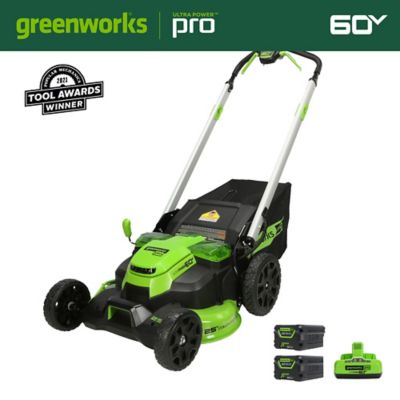
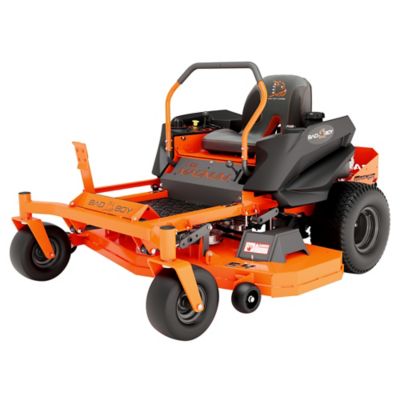
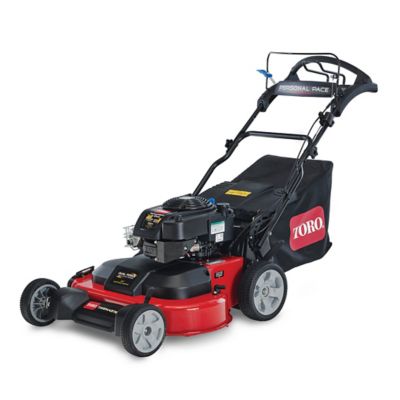
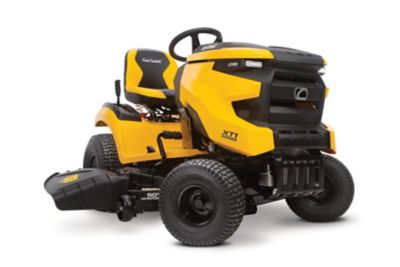
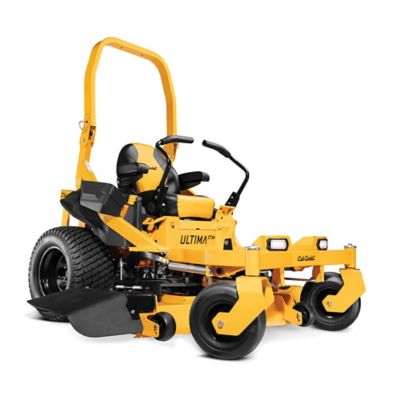
Commercial lawn care covers the regular work that keeps business grounds, rental properties, schools, churches, parks and other shared spaces looking orderly, safe and ready for foot traffic. A dependable maintenance plan commonly includes mowing, edging, string trimming, blowing, weed control, fertilization, aeration, overseeding, bed care, irrigation checks and seasonal cleanup. The right equipment depends on the property, the grass, the terrain and the amount of time available between visits. A wide, open area may call for a riding mower that can cover acreage efficiently, while tight spaces around loading docks, fences, trees and walkways are often easier to manage with a walk-behind mower or handheld equipment. When comparing
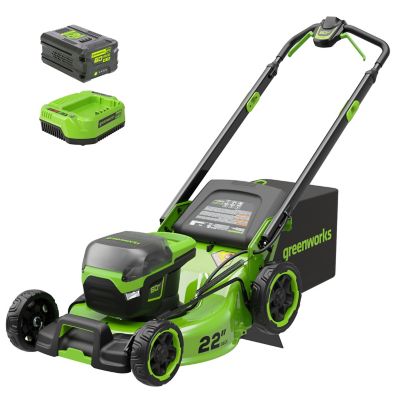
Commercial Mowers, consider cutting width, deck construction, operator comfort, turning ability, storage needs and how well the machine can handle long workdays. Slope, soft ground and rough patches matter, too. A mower that performs well on a flat sports field may not be the best fit for rolling ground or properties with narrow gates. For crews that travel between accounts, transport size, tie-down points and ease of loading can make a noticeable difference. Fuel capacity and battery runtime should match the number of properties scheduled in a day, with enough reserve for thick growth, damp grass or an unexpected cleanup. Simple access to routine maintenance points, replacement parts and attachments can help reduce downtime when the mowing season gets busy.
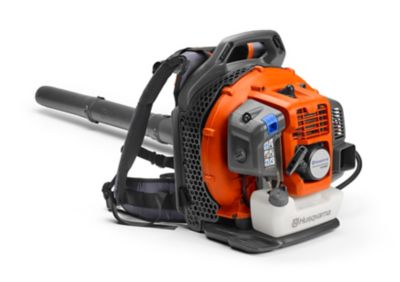
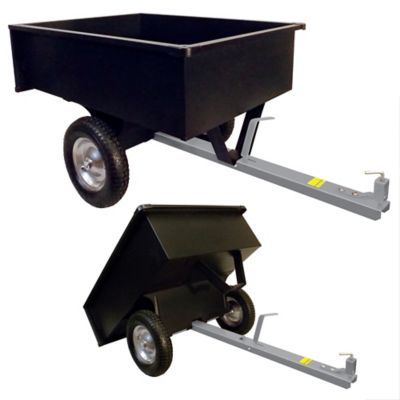
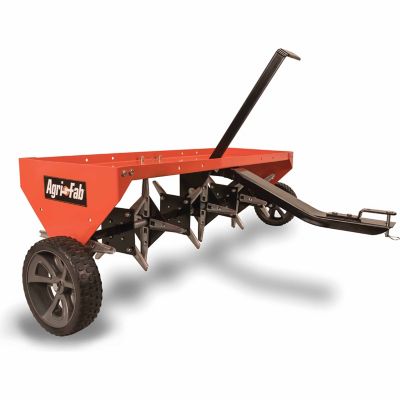
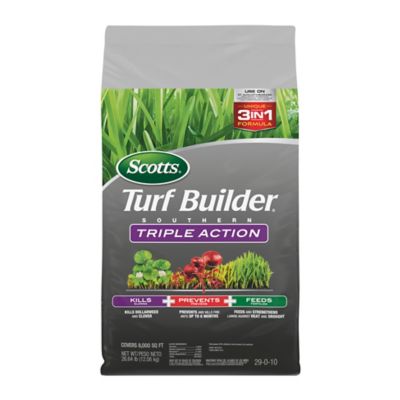
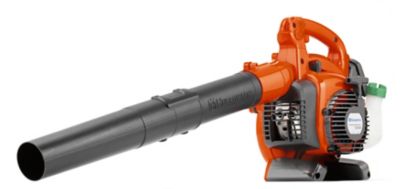
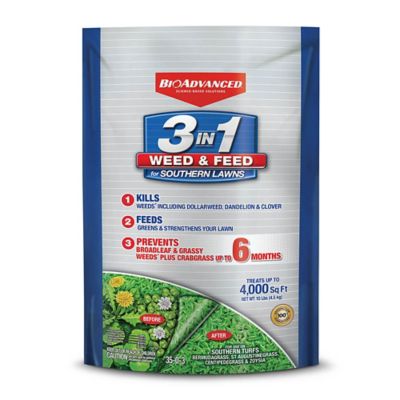
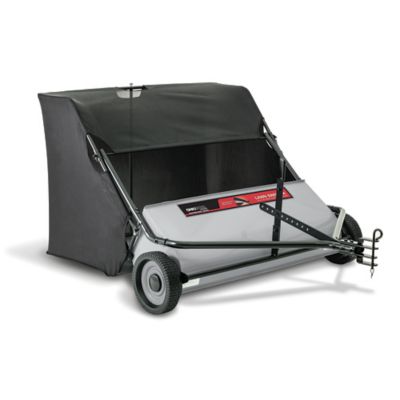
A commercial lawn care setup usually works best when mowing equipment is supported by the right tools for finishing and cleanup. String trimmers help clear grass around signposts, curbs, buildings, trees and fence lines where a mower cannot reach. Edgers create a clean line along sidewalks and driveways, while blowers move clippings and leaves away from entrances, patios and parking areas. For larger properties, carts, utility wagons and other hauling equipment can make it easier to move mulch, soil, hand tools, fuel cans and collected debris without repeated trips across the grounds. Spreaders are useful for applying fertilizer, seed and approved lawn treatments at a consistent rate, and aerators can relieve compacted soil in areas that see steady foot traffic. During the cooler part of the year, core aeration and overseeding may help improve turf density before the next strong growing period, especially where grass has thinned near gates, walkways or gathering areas. Fertilizer and weed control applications should always be selected and used according to local rules, label directions, weather conditions and the needs of the turf. Soil testing can provide useful information before choosing amendments, while irrigation checks can uncover clogged heads, broken lines or uneven coverage that leaves some sections dry and others soggy. Bed maintenance may include pruning, cultivating, mulching and clearing leaves from around shrubs and ornamental plantings. Keeping a few durable hand tools, marking supplies and protective items on each service vehicle can also save time when a small repair or touch-up comes up during a route.
Commercial lawn care costs vary widely with acreage, terrain, grass height, service frequency, local labor rates and the amount of cleanup included. As a general planning reference, full-service maintenance for commercial property may run about $800 to $1,600 per acre each month, while mowing alone on properties under five acres often averages around $50 to $150 per acre. Larger properties may fall closer to $25 to $60 per acre for mowing, depending on layout and efficiency, and labor commonly ranges from $40 to $80 per worker per hour. Aeration may cost roughly $150 to $300 per acre, while fertilization may run about $220 to $440 per acre, though local pricing and application requirements can change those figures. These numbers are best used for early budgeting rather than as a fixed quote. Before stocking up on equipment and supplies, measure each property, note the acreage, identify narrow or sloped areas and list the services expected during the cooler months and as the weather warms. A written route plan helps determine whether one versatile machine can handle several jobs or whether separate equipment will keep the crew moving. It also helps account for wet leaves, storm debris, dormant grass and the heavier cleanup that can follow changing weather. Choose equipment that workers can operate safely for a full shift, and keep maintenance schedules, tire checks, blade care and storage in the regular routine. With practical equipment matched to the property and a plan built around mowing, turf health, trimming, cleanup and irrigation, commercial grounds can stay neat and inviting through changing seasons.