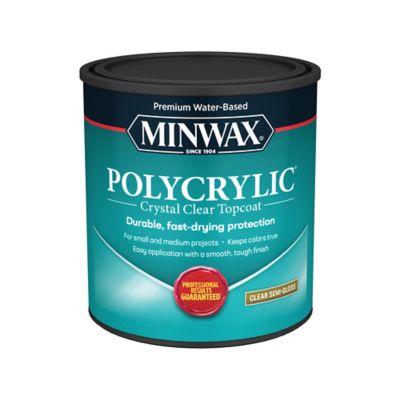
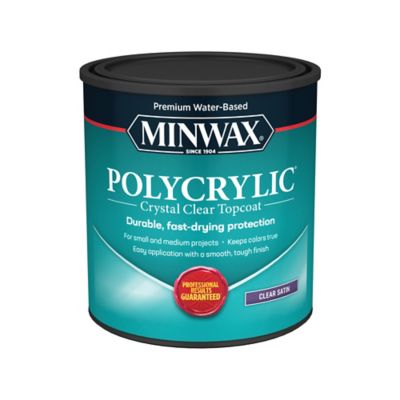
Water-based polyurethane finishes give wood a clear protective topcoat while letting its grain, color, and character show through. These finishes form a film that helps shield suitable surfaces from everyday handling, light spills, and scuffs, making them a practical choice for furniture, cabinets, interior trim, and other woodwork around the house. A pine bookcase, an oak entry bench, and a painted cabinet each call for slightly different finishing considerations, but all benefit from a coating matched to the surface and the job. Many conventional water-based formulas look milky in the container and dry clear, with less amber color than traditional oil-based polyurethane. That clarity can be especially helpful over pale maple, light stains, or white-painted wood, where a warmer topcoat might change the appearance. Water-based oil-modified formulas can add some warmth, though, so the label and a test on a hidden area matter more than the broad category name alone. Resistance to yellowing also varies by formulation; a clear finish should not be treated as a promise that the wood beneath it will never change color. Sheen plays a big part in the finished look, too. Matte and satin finishes keep reflections softer and can make small surface marks less noticeable, while semigloss and gloss bring more shine and tend to reveal sanding scratches or uneven spots. Neither a shinier surface nor a thicker-looking coat automatically means better protection. The resin system, intended application, and recommended coat count are more useful measures of suitability. For a farmhouse dining area, a home office, or a small woodworking shop, water-based polyurethane offers a way to keep the wood itself front and center. It also fits projects made for someone else, such as a bookshelf or keepsake chest, provided the finish has enough time to cure before wrapping, transport, or everyday handling. The result should suit how the piece lives in the home, not just how it looks when the last coat dries.
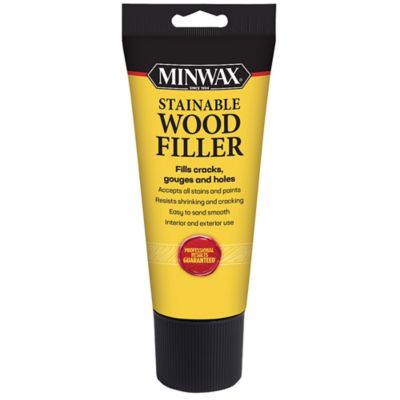
Matching water-based polyurethane to the project starts with the intended surface and the amount of wear it will face. A finish labeled for furniture or trim is not automatically suitable for floors, and an interior coating should not be expected to handle exposure on a porch railing or outdoor bench. Floor-rated formulas are designed around foot traffic, while furniture coatings may be better suited to shelves, chair parts, and cabinet faces. Even within those applications, a hallway floor, a side table, and a kitchen cabinet door face different demands. Resistance to abrasion, water, household cleaners, and staining can differ from one formula to another, so the stated performance and care directions deserve a close look. Clear polyurethane is not a substitute for coasters, trivets, or prompt spill cleanup, and ordinary interior formulas are not meant for standing water or continuous immersion. Bare solid wood, plywood, stained wood, and previously finished surfaces also need different preparation. Water in the coating can raise loose wood fibers, especially on bare lumber, leaving a slightly rough feel that may call for light sanding as directed. Old wax, polish, grease, and sanding dust can interfere with adhesion, even when a surface looks clean at a glance. Over stain or paint, compatibility and sufficient drying time are important; a topcoat applied too soon can disturb the color or fail to bond properly. A small test area helps reveal color changes and adhesion concerns before a whole tabletop or cabinet face is committed. Nail holes, shallow dents, and small gaps may need attention before the clear coat goes on, and
Water Based Wood Fillers can be part of that preparation when their labeled applications match the repair. Filler does not necessarily take stain or reflect light like the surrounding grain, so color matching still matters beneath a transparent finish. For woodworkers, homeowners, and folks maintaining rental houses or farm offices, these surface details often make the difference between a finish that looks settled into the project and one that calls attention to every patch.
Application characteristics are another useful way to compare water-based polyurethane finishes. Many have less odor than traditional oil-based coatings, and many allow soap-and-water cleanup of tools while the finish is still wet. Lower odor does not mean there is no need for ventilation or the protective equipment listed on the label. Once the coating hardens, cleanup becomes a different matter, so the wet-cleanup directions are worth checking before opening the container. Drying speed can make these finishes convenient for projects that need several coats: some formulas list roughly 30 minutes to become dry to the touch and about two hours before recoating under their specified application conditions. Those figures are not universal, and coat thickness, airflow, and the particular formula can change the wait. Dry to the touch, ready to recoat, ready for light handling, and fully cured are separate stages. A shelf may feel dry long before it is ready for a row of heavy books, and a tabletop may need more cure time before placemats or other coverings can sit on it without leaving impressions. Package coverage estimates, recommended coat counts, and sanding requirements help set realistic expectations for the work involved. Multiple thin coats are common, with three coats specified by some formulas, but the product directions determine the appropriate build. Synthetic-bristle brushes, compatible foam applicators, pads, or other label-approved tools can help lay down an even film without excessive ridges. Gentle stirring rather than shaking helps limit bubbles, while repeated brushing as the finish begins to set can leave tracks. Between-coat sanding, when required, smooths raised grain or small dust specks; the recommended grit and timing vary by coating. After curing, simple care helps preserve the surface: a soft cloth, a compatible mild cleaner, felt pads under movable objects, and quick attention to spills go a long way. A well-matched water-based polyurethane finish keeps everyday woodwork looking cared for without hiding the grain that made the piece worth finishing in the first place.