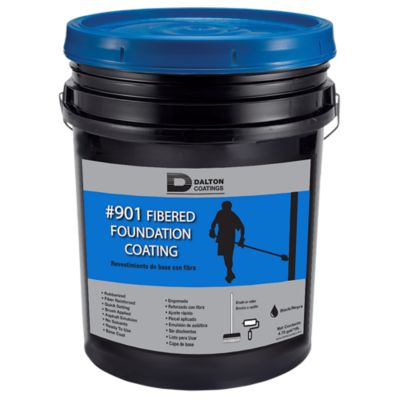
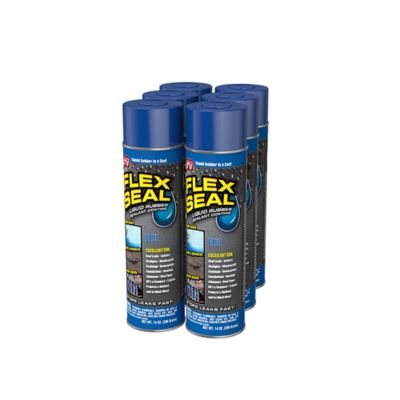
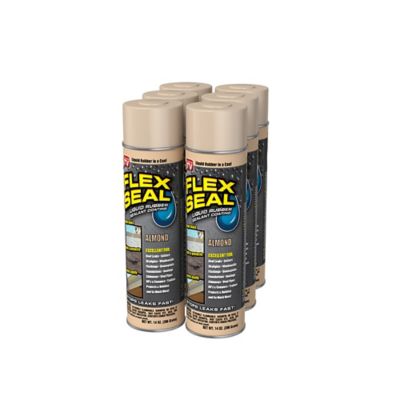
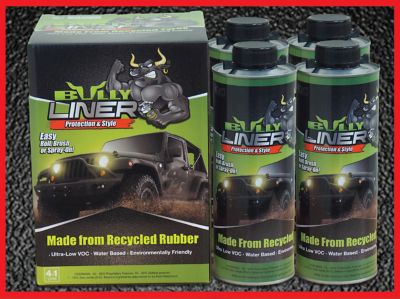
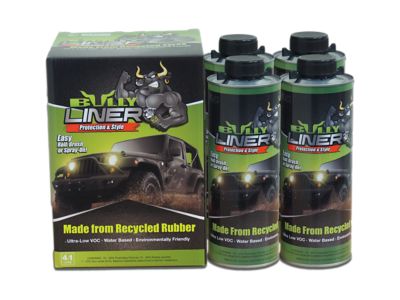
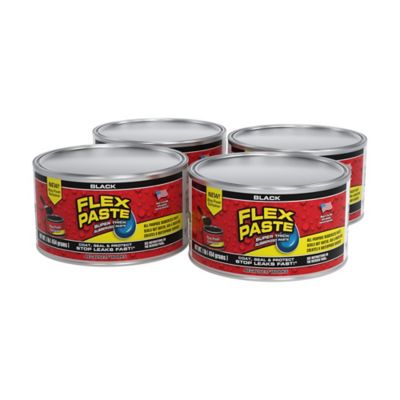
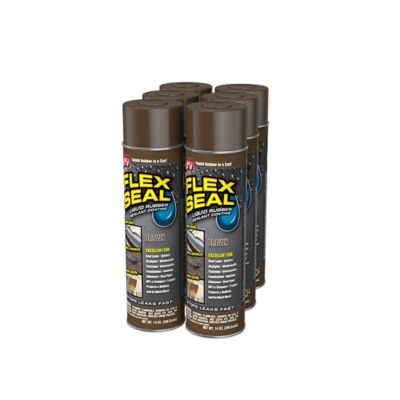
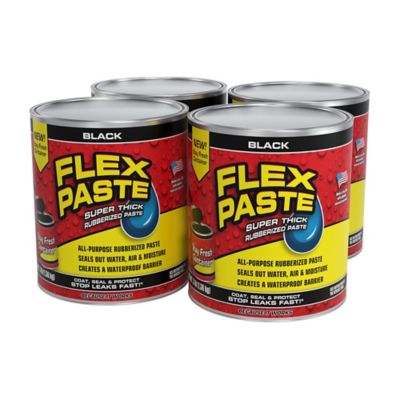
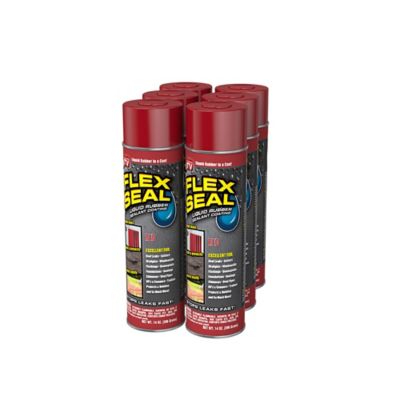
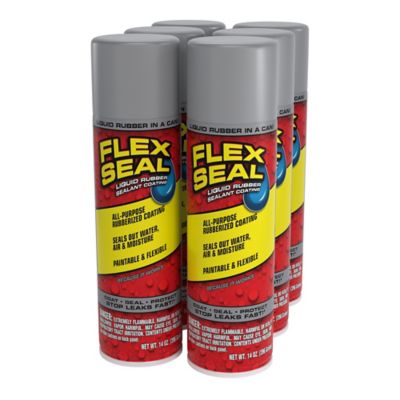
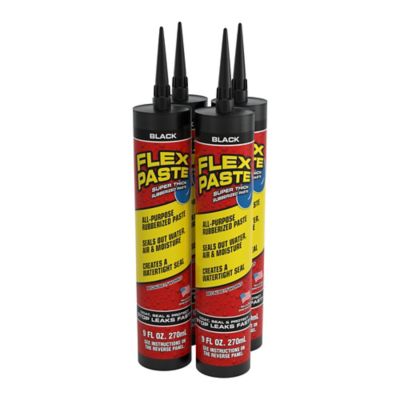
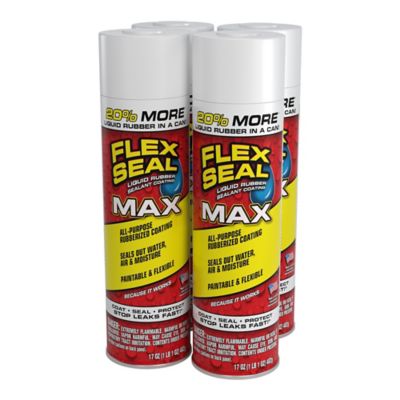
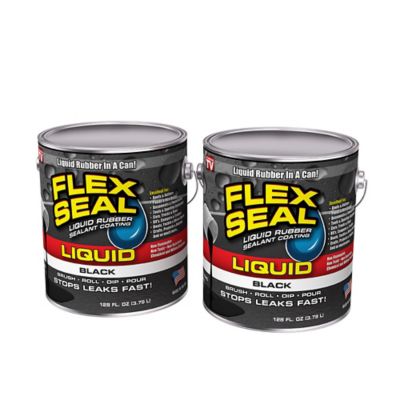
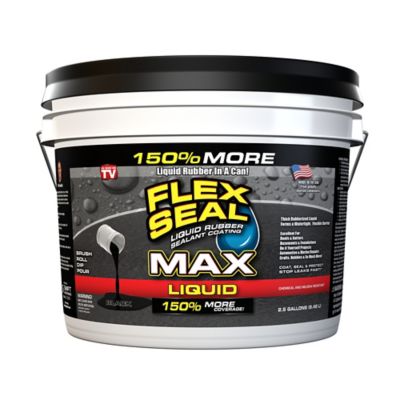
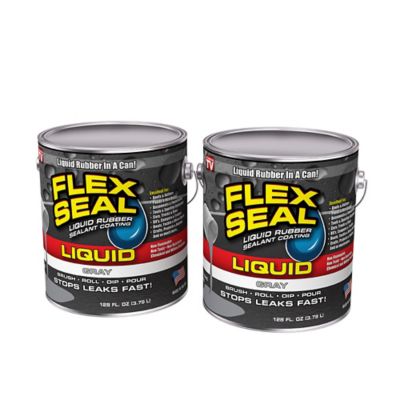
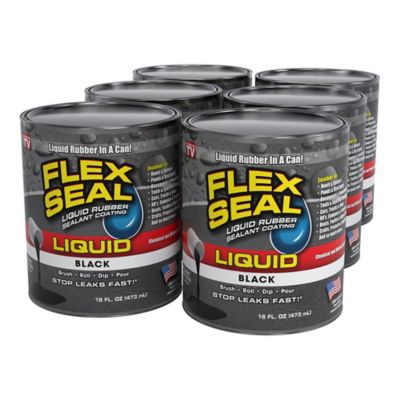
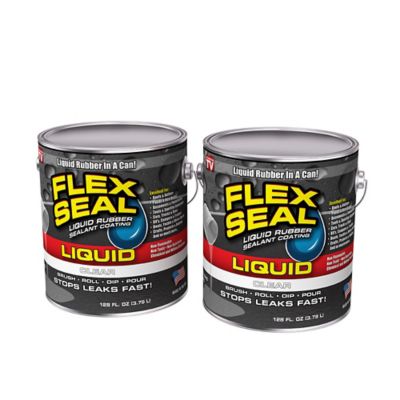
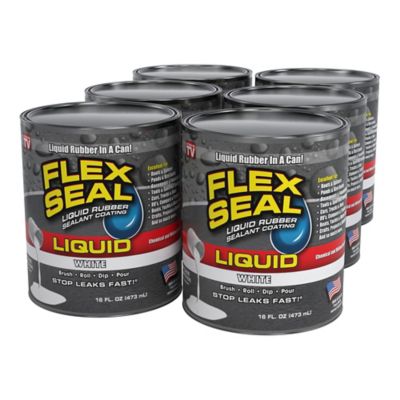
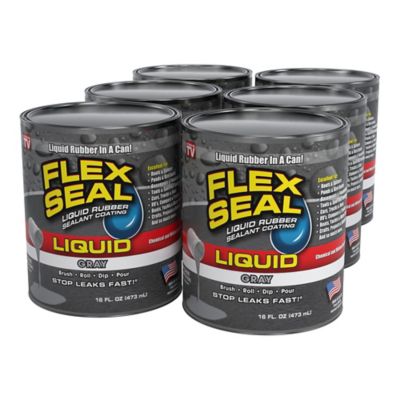
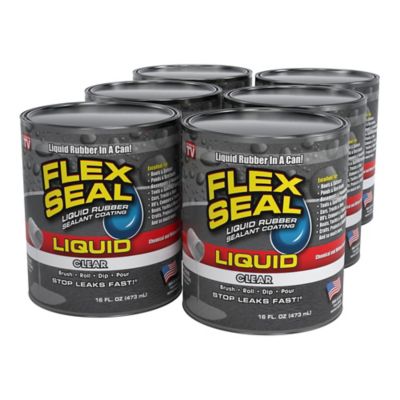
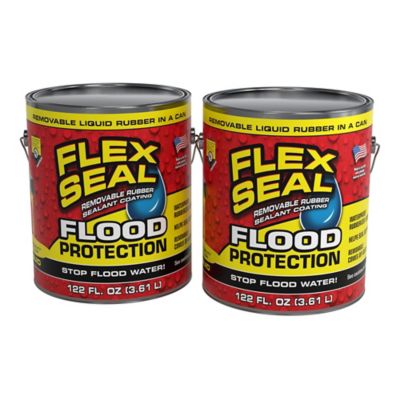
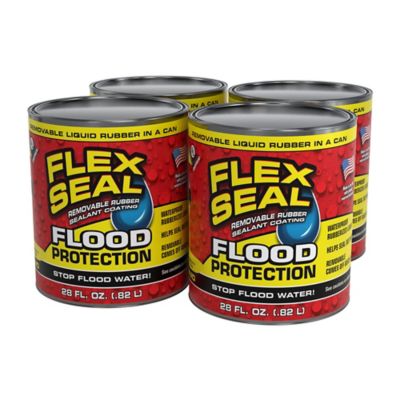
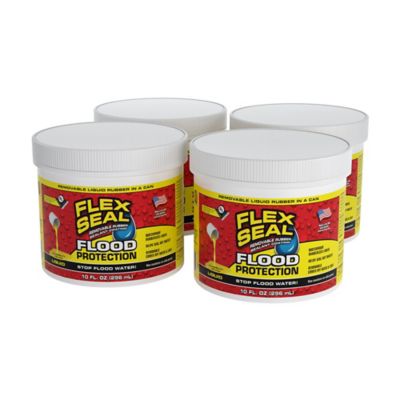
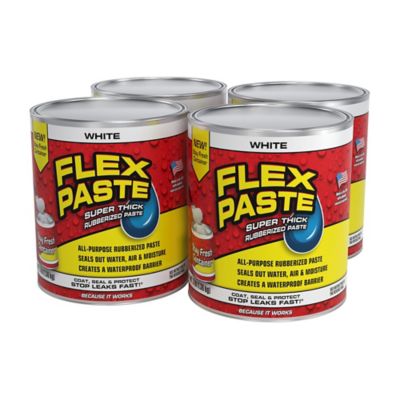
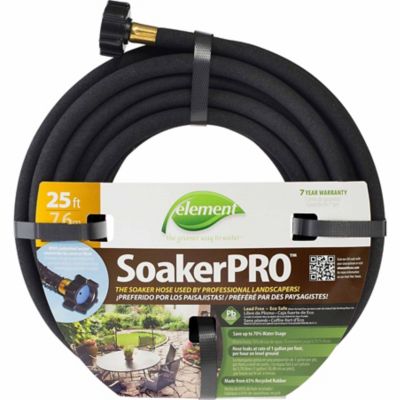
Rubber coatings give farm, home, shop, and outdoor surfaces a flexible layer that helps seal out moisture, reduce wear, and improve grip. These products are commonly sold as liquids, brush-on formulas, roll-on coatings, or sprays, with each type suited to different jobs and application styles. As the coating cures, it forms a rubber-like barrier that can help protect wood, metal, concrete, masonry, glass, fabric, and other prepared surfaces from rain, splashes, dirt, rust, corrosion, and everyday abrasion. A coating may be useful around a barn, shed, trailer, livestock area, workshop, garage, or home property where water finds its way into seams and small openings. Some formulas are made for broad surface coverage, while others work better on handles, tools, fittings, small repairs, or areas where added traction is helpful. The right choice starts with the surface and the job: check whether the coating is intended for indoor or outdoor application, whether it can handle foot traffic or vehicle traffic, and whether it is suitable for exposure to sunlight, standing water, fuel, oils, animal areas, or changing temperatures. A flexible coating can expand and contract as the weather shifts, which is especially helpful on outdoor surfaces that face hot sun, cool nights, frost, and damp conditions during the cooler months. Even so, no coating takes the place of sound material and proper preparation. Look for loose paint, flaking rust, mud, grease, and standing water before applying, and follow the product directions for cleaning, drying, mixing, coverage, ventilation, and cure time.
For roof edges, gutters, foundations, concrete steps, ramps, trailers, recreational vehicles, and other large surfaces, liquid rubber coatings can help create a continuous seal without leaving many joints for water to find. Brush-on and roll-on options can be handy when working around corners, fasteners, seams, and irregular shapes, while spray formulas may reach narrow gaps or cover hard-to-reach areas. Several thin coats are often easier to control than one heavy coat, though the proper method depends on the product and the material beneath it. On walkways, loading areas, ramps, porch steps, and other places where wet conditions may create a slipping concern, a textured rubber coating or a formula containing rubber granules can add surface traction. Pay attention to the texture, spread rate, and cleaning needs, since a rougher finish may provide more grip but can also hold dirt and require more scrubbing. For tool handles, levers, hooks, wire ends, and shop fixtures, dip or brush-on coatings can create a more comfortable hold and help protect metal from moisture and contact wear. They can also help mark handles by color or make small parts easier to spot in a busy work area. Before coating any item, test a small hidden section when possible. Materials vary, and a coating that bonds well to prepared steel may not perform the same way on oily plastic, smooth glass, soft fabric, or a surface that flexes heavily. Keep the work area protected from dust, leaves, wind, and rain while the coating sets. During early fall through early winter, cooler temperatures and higher humidity may slow curing, so allow extra time before placing the item back into service, walking across a coated surface, or exposing it to water.
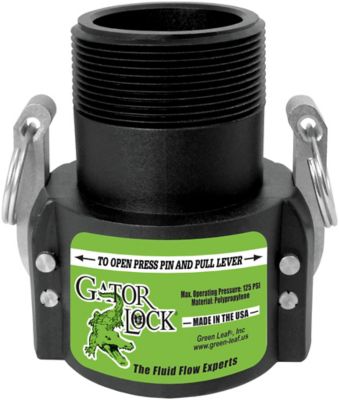
These coatings can serve homeowners, farmers, ranchers, maintenance crews, mechanics, property managers, and anyone who spends time keeping a place in working order. A landowner might seal a small leak along a metal roof edge before wet weather settles in. Someone caring for a horse barn may coat a frequently handled gate latch or improve traction on a slick step. In a shop, a rubberized grip can make a shovel, wrench, clamp, or hand tool feel steadier when gloves are on, while a protective layer on a trailer or utility equipment surface can help limit moisture intrusion at seams and corners. They also make practical gifts for a new homeowner, farmhand, mechanic, gardener, or weekend shop worker, especially when paired with gloves, brushes, rollers, surface cleaner, or other application supplies. When comparing options, consider the container size, coverage area, finish, color, drying time, temperature range, surface compatibility, and whether the coating can be removed or recoated later. Read the label for any limits on drinking-water contact, food areas, animal contact, tire contact, or immersion below water. For plumbing and connection work, related items such as
Rubber Couplers may be a better fit than a surface coating, since they are made to join or connect components rather than cover a broad area. Store unopened material according to the label, keep containers sealed between uses, and clean tools promptly when the instructions call for it. With the right surface preparation and application method, rubber coatings can help keep equipment, structures, walkways, and everyday tools ready for the work ahead.