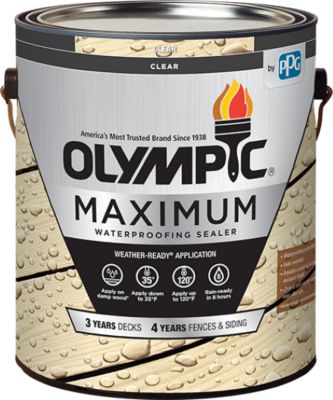
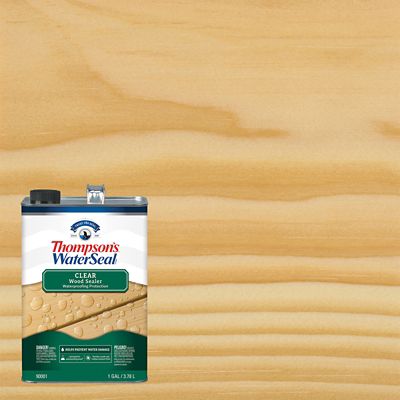
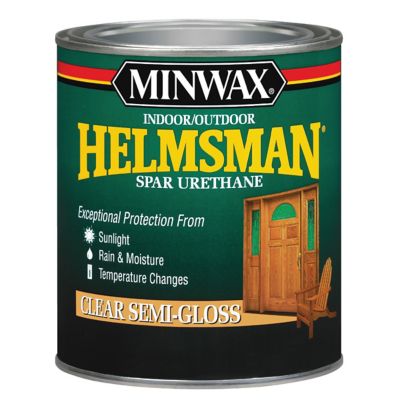
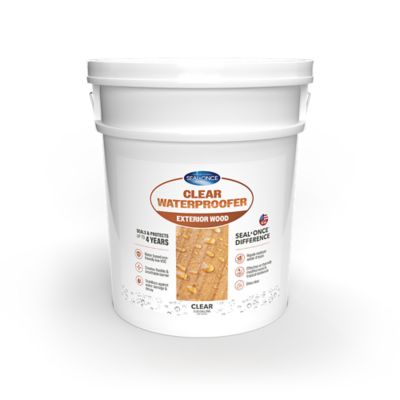
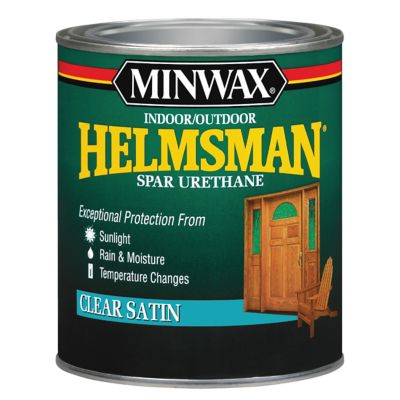
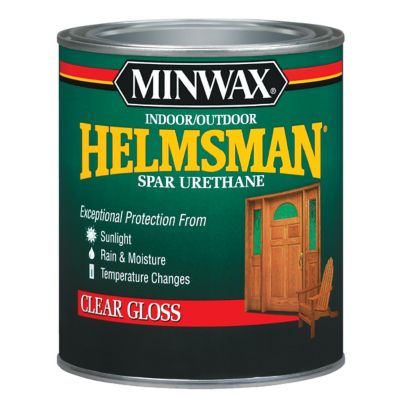
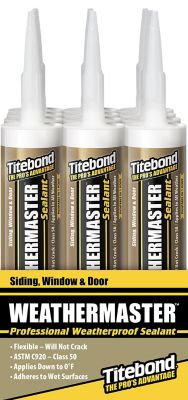
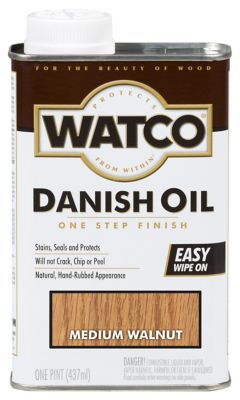
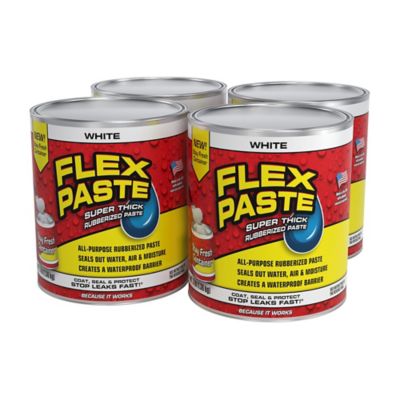
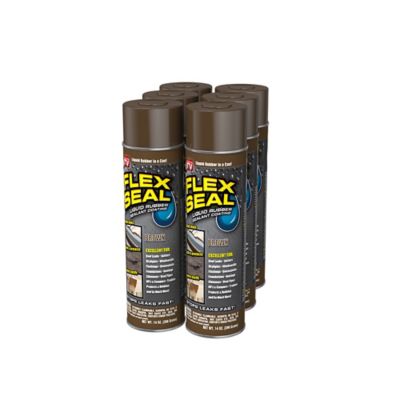
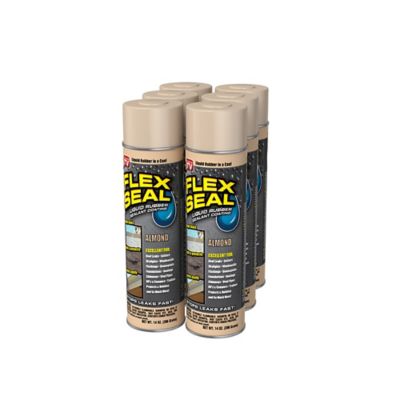
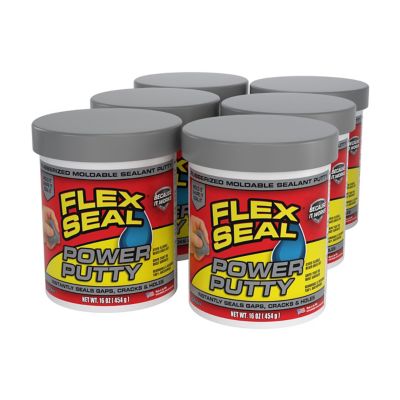
Wood sealants help limit moisture absorption in wood, reducing the repeated swelling and shrinking that can lead to checking, splitting, and surface wear. Depending on the formula, they may also provide protection against sunlight or help resist mildew growth on the finished surface. The right wood sealer depends on where the wood sits, how much handling or foot traffic it gets, and whether the goal is a natural-looking finish or added color. A fence rail, a porch floor, and an indoor storage bench face different demands, even when they start with the same lumber. Exterior wood sealants are formulated for outdoor exposure, while interior finishes focus on needs such as resistance to spills, scuffs, and regular wiping. For a porch swing with grain worth showing off, a clear or lightly tinted finish can keep the wood’s character front and center. Clear does not always mean invisible, though: some formulas deepen the color or leave an amber cast, and sheen can range from nearly flat to glossy. Tinted sealers add color while allowing varying amounts of grain to show, and their pigments can contribute protection against ultraviolet exposure. A clear finish without suitable UV protection may slow water absorption without preventing the wood from turning gray. For deck boards and steps, suitability for horizontal surfaces and foot traffic matters more than appearance alone. Fence panels, posts, siding, and outdoor furniture may call for different coating properties, so an exterior rating by itself does not settle every choice. Slip resistance also deserves attention anywhere boots track moisture across a walking surface. Around a homestead, small farm, or backyard workshop, wood sealants serve a practical purpose: helping sound lumber stand up to daily use while keeping its appearance in line with the space. They are protective finishes, not structural repairs, and cannot restore strength to a rotted post or close a split that needs repair.
The way a sealer interacts with the wood makes a difference in both the finished look and the upkeep down the road. Penetrating wood sealers soak into the surface rather than relying mainly on a continuous coating over it. They often leave a more natural feel, though appearance and maintenance requirements vary by formula. Film-forming finishes create a surface layer that can provide resistance to spills and abrasion when matched to the job, but a worn or peeling film may take more preparation before recoating. Neither type is automatically the better fit for every board. A rough-sawn fence and a smooth tabletop have different textures, and a coating intended for one may not suit the other. Water-based formulas often offer easier cleanup and less odor during application, while oil-based and other solvent-based formulas may enrich the grain or produce a warmer tone. Those are general tendencies, not substitutes for the directions on the container; odor, cleanup, drying time, and compatibility depend on the actual formulation. The wood itself matters just as much. Cedar and redwood contain natural extractives that can affect the appearance of some finishes, while dense hardwoods may not absorb a penetrating sealer as readily as more porous lumber. Pressure-treated wood needs to meet the finish manufacturer’s moisture requirements before sealing, even if the boards look dry on the outside. Previously painted, stained, or sealed wood brings another consideration: the existing coating may prevent absorption or interfere with adhesion. Some sealers work over certain stains, while others need bare wood. Compatibility matters when a finish will sit beneath another coating, too. For indoor benches, shelving, and furniture, resistance to handling and routine cleaning may take priority over exterior exposure ratings. Food-contact surfaces, animal enclosures, garden structures, and areas where children play call for finishes expressly suited to those applications, with any required curing and use restrictions observed. A general wood sealer should not be assumed safe for direct food contact or animal chewing simply because it dries clear.
Package size, coverage, application method, and future care all affect how well a wood-sealing project fits the job. Coverage figures are estimates tied to surface condition and application requirements; rough lumber, open grain, board ends, and thirsty older surfaces can take more finish than smooth, dense wood. A long fence also has edges, rails, and post faces that add up beyond its broad visible sides. Some formulas suit a brush, roller, pad, or sprayer, but the approved method and any back-brushing requirements come from the manufacturer. For someone sealing a few outdoor chairs, manageable application and cleanup may matter most, while a property owner maintaining extensive fencing may put more weight on coverage and the work involved in future coats. Surface preparation remains part of the picture even when the finish itself is straightforward. Dirt, mildew, loose fibers, and failing coatings can interfere with the bond or leave an uneven appearance. Sound, properly prepared wood gives a sealer a better foundation than a surface covered in grime or loose finish. A test area can reveal unexpected darkening, uneven absorption, or a sheen that looks different across the grain. Drying time and full cure time are separate considerations, especially before returning furniture to service or allowing foot traffic onto a coated surface. Ventilation, protective equipment, and safe handling of application materials also matter, including the disposal requirements for oily rags. Once the finish is in service, regular cleaning and occasional checks for worn patches help keep upkeep from becoming a bigger job. High-traffic paths, exposed board ends, and spots beneath planters can behave differently from surrounding wood, so a fixed recoating schedule does not tell the whole story. Around wood-framed windows, surface protection is only one part of moisture control;
Window Seals address sealing needs at the opening rather than replacing a protective wood finish. Matching each material to its intended role helps protect the wood without asking one coating to do every job.