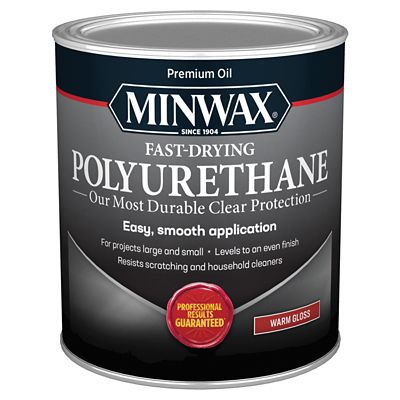
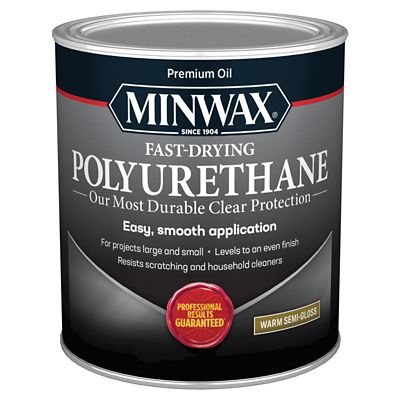
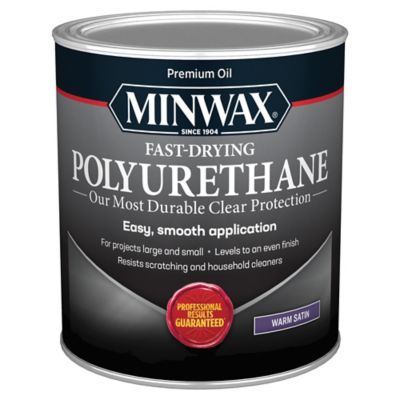
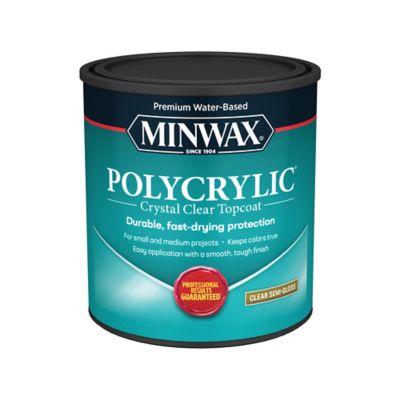
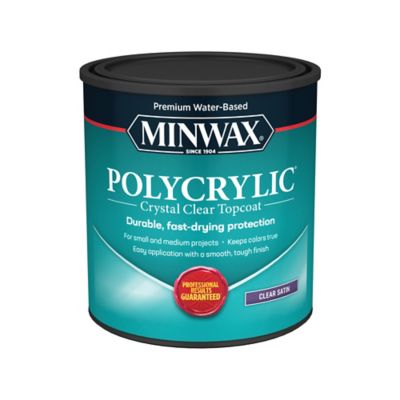
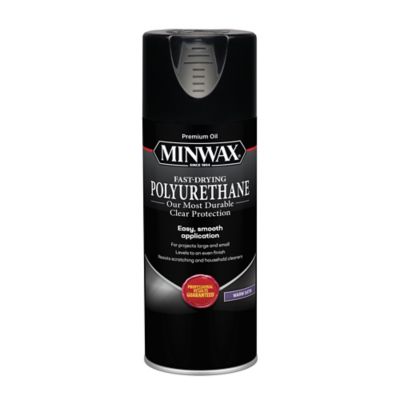
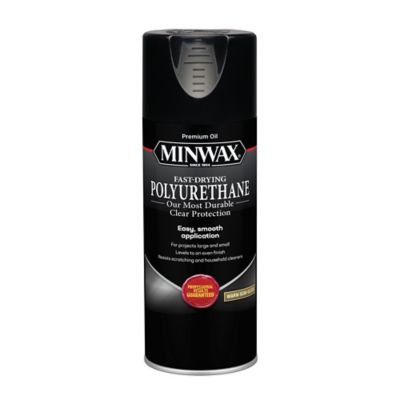
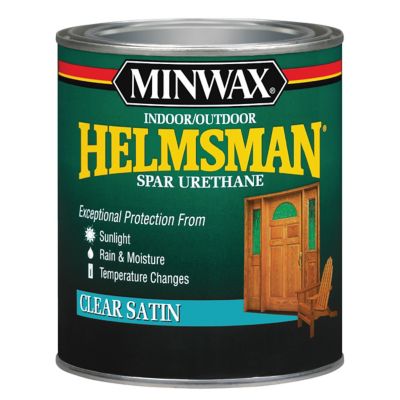
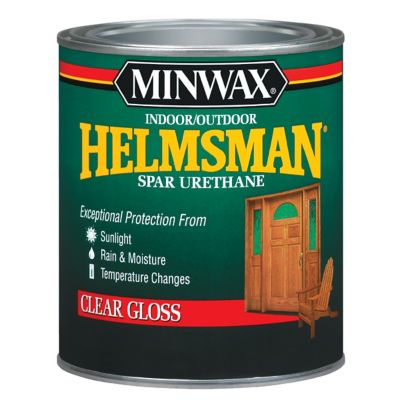
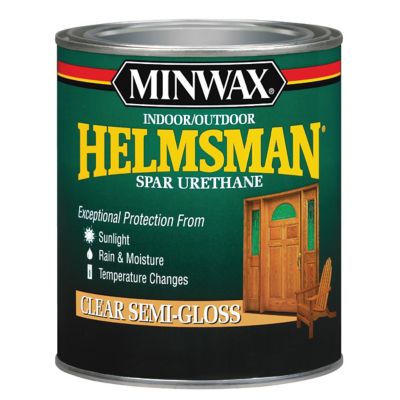
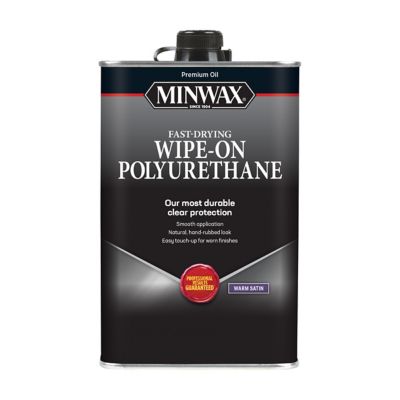
Polyurethane finishes for hardwood floors provide a durable protective layer that helps shield wood from everyday scratches, scuffs, moisture, dirt, and the steady wear that comes with boots, muddy paws, dropped toys, and kitchen traffic. Whether you are restoring a worn farmhouse floor, finishing new boards in a cabin, or freshening up hardwood in a busy family room, the right finish can help preserve the character of the wood while making routine cleanup easier. These coatings are available in different sheens, including satin, semi-gloss, and gloss, so you can choose between a softer, low-reflective appearance and a brighter finish that catches the light. Satin is a popular choice for high-traffic areas because it tends to be more forgiving of small marks and dust, while glossier finishes can highlight the grain and give a room a polished look. Before shopping, consider the type of wood, the age and condition of the floor, the amount of foot traffic, and the look you want once the finish has cured. A floor in a quiet guest room may not need the same level of protection as an entryway, hallway, mudroom transition, or great room where family, pets, and outdoor gear come through every day. Polyurethane is commonly used by homeowners, remodelers, flooring professionals, landlords, and handy folks taking on a weekend project. It can also make a thoughtful gift for someone settling into a new home, restoring an older property, or building a workshop or hunting cabin, especially when paired with other practical supplies for sanding, surface preparation, and cleanup.
The two main choices are water-based and oil-based polyurethane, and each brings its own set of benefits. Water-based polyurethane generally dries faster, often in about two to three hours under suitable conditions, and typically has lower odor and fewer fumes during application. It cleans up with soap and water and usually keeps light-colored wood looking clear, without adding as much amber color as an oil-based finish. That clear appearance can be a good fit for pale oak, maple, pine, or floors where you want the natural tone to stay close to its unfinished look. Oil-based polyurethane takes longer to dry, commonly around eight to twelve hours per coat, and cleanup requires mineral spirits or another solvent listed on the label. In return, it can add a warm, amber glow that deepens the color of the wood over time, bringing out a traditional, rich appearance in darker floors or older boards. Drying time can vary with temperature, humidity, ventilation, coat thickness, and the condition of the room, so always follow the instructions on the container instead of relying on a general schedule. Product labels also explain whether the finish is intended for floors, previously finished wood, or bare wood, along with recommended coats, recoat windows, coverage, sheen, and cure time. During the cooler months, closed windows and slower air movement may lengthen drying, while a warm, well-ventilated space can help the finish set as expected. Keep people, pets, and livestock away from the work area, and use appropriate gloves, eye protection, and ventilation. Fumes can linger even after a surface feels dry, and a floor may need additional time before rugs, furniture, or regular foot traffic return.
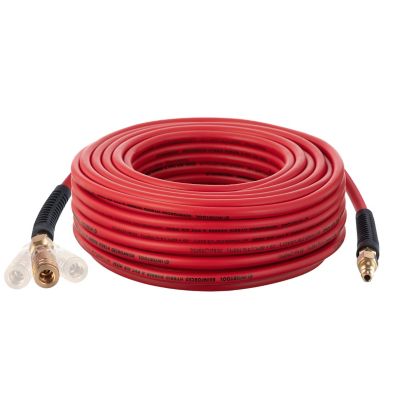
Good results start with careful preparation. Remove furniture and floor coverings, then vacuum thoroughly to pick up grit that could leave a rough speck beneath the coating. Clean the floor according to the finish manufacturer’s directions and allow it to dry completely. Bare or heavily worn wood may need sanding and dust removal, while a previously finished floor may require light abrasion or other preparation so the new coating can bond properly. Test the finish in an inconspicuous spot or on a scrap board when possible; the same coating can look different on red oak, pine, reclaimed boards, and dark-stained wood. When applying polyurethane, many flooring projects begin by cutting in around the edges with a suitable brush, followed by spreading the finish across the main floor with a roller, pad, or applicator approved for that product. Work in manageable sections, use smooth, even strokes, and follow the direction of the wood grain. Avoid overworking areas as they begin to set, since repeated brushing or rolling can leave marks and uneven sheen. Let each coat dry fully before applying another, and lightly smooth between coats only when the label calls for it. Keep dust, sawdust, pet hair, and open containers out of the room while the finish is drying. For related workshop preparation and pneumatic tool setups, you can also browse
Polyurethane Air Hoses. Once the final coat has cured according to the manufacturer’s instructions, place furniture carefully, add protective pads beneath legs, and use mats near entrances to catch grit and moisture. A little routine care goes a long way: sweep or vacuum regularly, wipe up spills promptly, and choose cleaning products made for finished hardwood rather than soaking the floor with water. With the right finish, a well-prepared surface, and patience between coats, hardwood can keep its warm grain and dependable protection through muddy seasons, family gatherings, and years of everyday living.