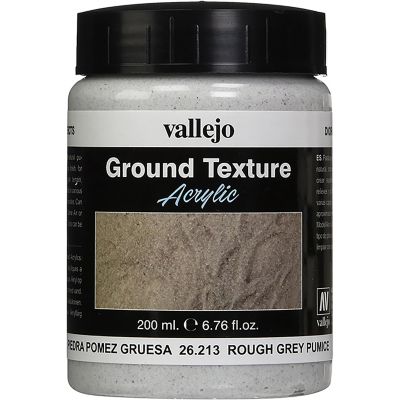
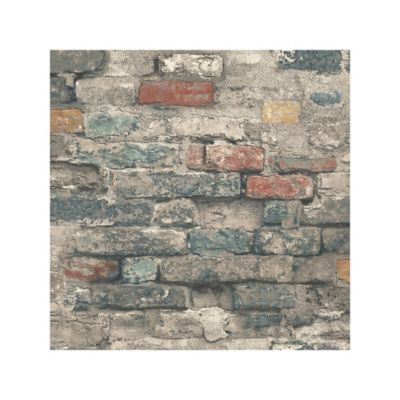
Textured paint finishes add physical depth to a surface, giving walls, ceilings, and other suitable areas a feel that goes beyond color alone. Depending on the coating, that texture can range from a fine, sandy grain to a more pronounced stone-like pattern or softly varied plaster effect. The difference shows up in the way light catches the surface: a wall that looks quiet and even in soft daylight may reveal more depth beneath a lamp or beside a sunny window. That makes texture worth considering for a farmhouse entryway, a gathering room, or a finished workspace where plain walls could use a little character. Texture can also help make small surface irregularities, shallow patches, and minor blemishes less noticeable, though it does not repair cracks, stop moisture, or strengthen loose material underneath. Sound surfaces still matter, even when the finished look is intentionally uneven. Textured coatings get their appearance in different ways. Some contain fine sand or other aggregate, while others develop variation through their consistency and the tools that shape them. Certain mineral-based finishes create a low-sheen, clouded appearance with subtle movement rather than a sharply raised grain. Stone-effect coatings can offer a speckled, dimensional look, but their approved surfaces and exposure limits vary by formula. A finish described as textured is not automatically suitable for every wall, floor, or outdoor project. Color and sheen also influence the final effect. Earth tones can soften the contrast between high and low spots, while deeper colors and light shining across the wall may make ridges stand out. Matte finishes tend to scatter reflections; coatings with more sheen can draw attention to the texture. For a room with rough-sawn wood, brick, or stone already in view, a finer grain can bring those materials together without making every surface compete for attention. A stronger texture may fit better on one focal wall than throughout a small room, especially where windows and overhead lighting throw long shadows across the surface.
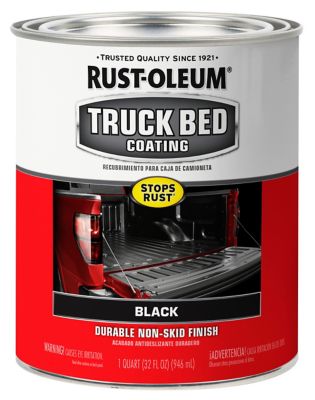
The best fit for a textured paint finish starts with the material underneath and the work that space handles every day. Drywall, plaster, masonry, wood, and metal have different preparation and coating requirements, so surface compatibility matters as much as appearance. Bare masonry may absorb a coating differently than a previously painted wall, and wood or metal may need a primer intended for that material. Existing glossy paint, chalky residue, grease, and loose layers can interfere with adhesion. Texture will not make those conditions disappear. In a mudroom where chore coats brush the wall and boots bring in grit, washability and resistance to scuffing deserve a close look. In a quiet sitting room, the feel of the finish and the way it works with the light may carry more weight. Coarser surfaces can collect dust and snag cleaning cloths, while a finer texture may be easier to live with near frequently touched areas. For bathrooms, laundry spaces, and other damp locations, the coating needs approval for the expected moisture exposure; texture alone offers no protection against condensation or leaks. Exterior projects bring another set of demands, including sunlight, rain, temperature changes, and the movement of the underlying material. Interior wall texture should never be assumed to handle those conditions. Floors, steps, and walking surfaces call for coatings specifically rated for foot traffic and the setting. A gritty feel by itself does not establish slip resistance, particularly when a surface is wet or muddy. Coverage is another practical consideration because raised patterns and porous substrates may require more material than a smooth, sealed wall. The coverage range on the label, recommended coat thickness, and primer requirements give a better starting point than appearance alone. During the cooler months, minimum application temperatures, ventilation, and drying conditions become especially important in garages, enclosed porches, and outbuildings. A room that feels comfortable for an afternoon may still cool below the coating’s stated limits overnight, affecting how the finish dries and cures.
Tools and care requirements help separate a finish that simply looks right from one that fits the project over time. Roller texture, brush shape, and the thickness of the coating all influence the final pattern, so the finished appearance depends on more than the color name. A coating intended for a troweled effect will behave differently from one formulated for rolling or spraying, and equipment should match the manufacturer’s directions. Brushes can help reach corners and recessed areas, while suitable rollers cover broad wall sections; spray application requires a coating and setup intended for that method.
Paint Equipment is a natural part of planning the job, alongside surface protection and the protective gear called for on the coating label. A small sample area can show how the texture feels, how much shadow it creates, and whether the color changes under morning light and evening lamps. That matters in a long hallway or open room, where a pattern repeats across a large area and differences in application can become noticeable. Application experience is worth weighing, too. Homeowners refreshing a room, property owners maintaining rental spaces, and painters handling larger projects may have different needs for working time, cleanup, and pattern consistency. Heavy texture can take more effort to change later, and spot repairs may remain visible if the grain or application pattern does not match. For everyday care, the label’s cleaning guidance and cure time should lead the way. Dry to the touch does not necessarily mean ready for washing, scrubbing, or regular contact. Once fully cured, some finishes tolerate gentle cleaning, while others need a lighter touch to preserve their surface. Deep grooves may need occasional dust removal, and abrasive scrubbing can wear down raised areas or change their sheen. The right textured finish balances the look of the room with its everyday demands, whether that means a softly varied wall behind the kitchen table or a more pronounced surface in a low-contact corner. Matching texture, substrate, exposure, and upkeep helps the finished space feel settled in rather than fussy.