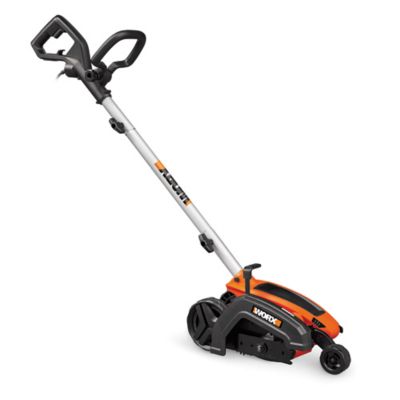
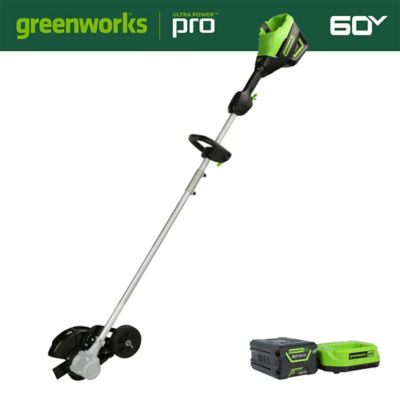
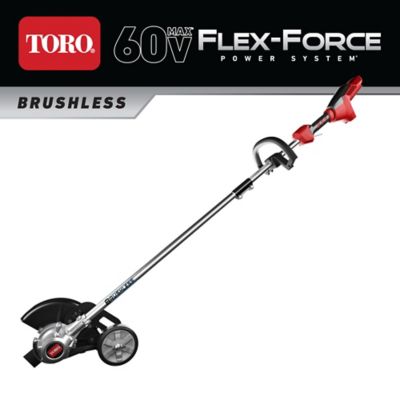
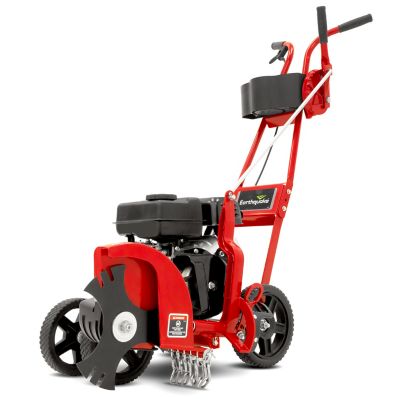
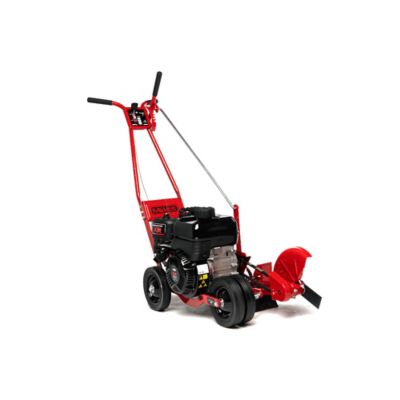
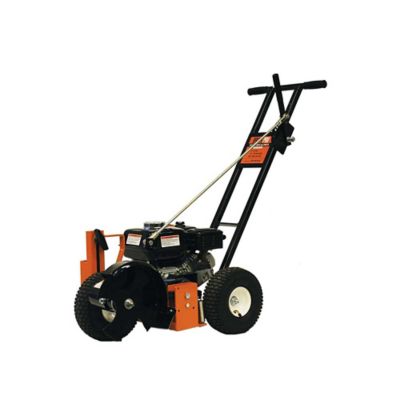
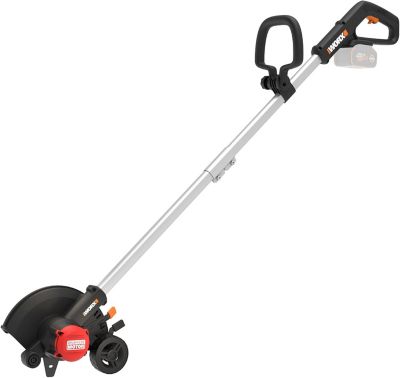
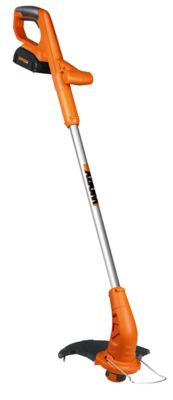
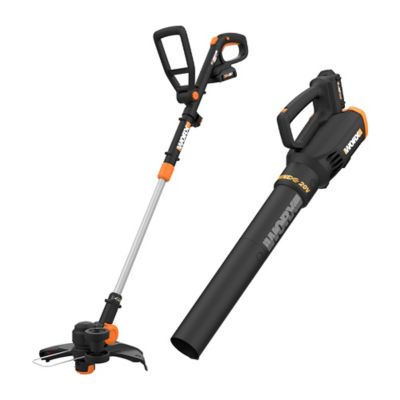
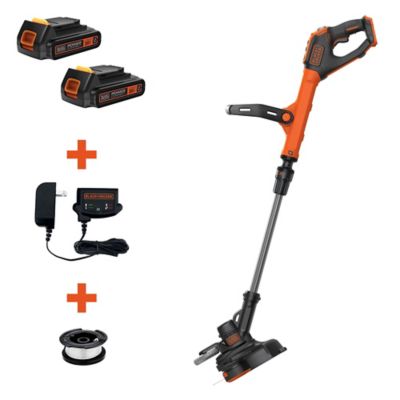
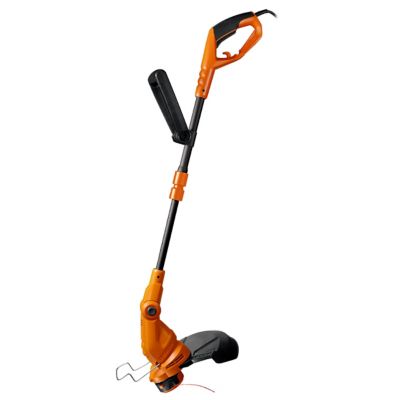
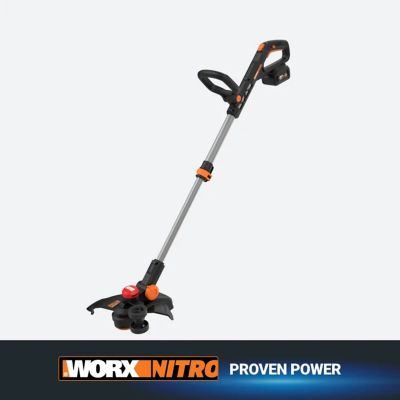
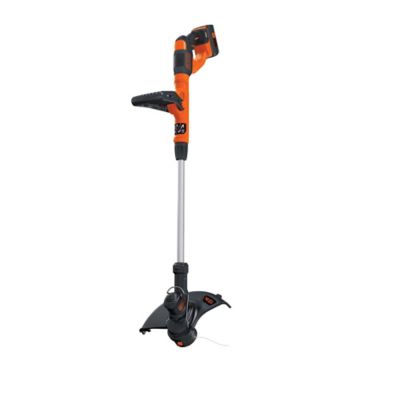
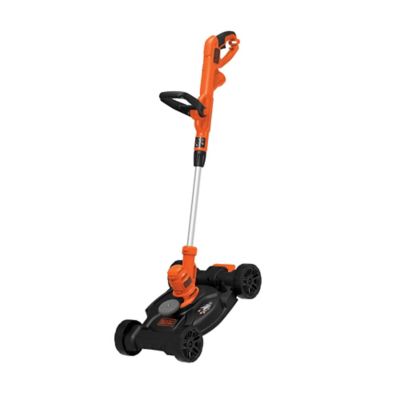
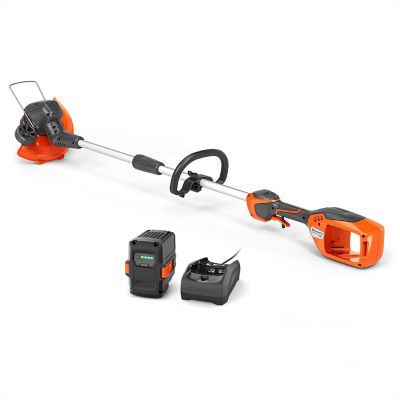
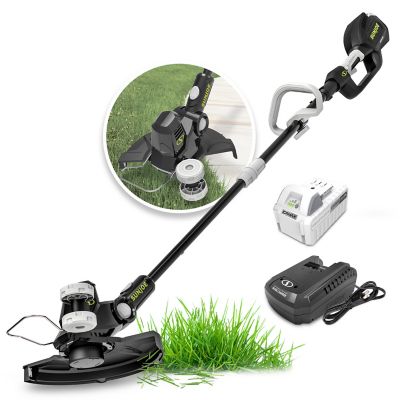
Power lawn edgers cut through grass and sod to create a defined border along sidewalks, driveways, patios, and planting beds. Most make that cut with a vertically rotating metal blade, separating creeping turf from the surface beside it. That narrow groove gives a property a finished look that mowing alone cannot deliver, especially where grass has started spreading over concrete or hiding the edge of a walkway. Power lawn edgers belong to the broader family of
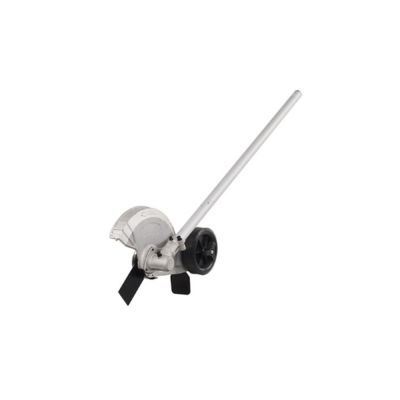
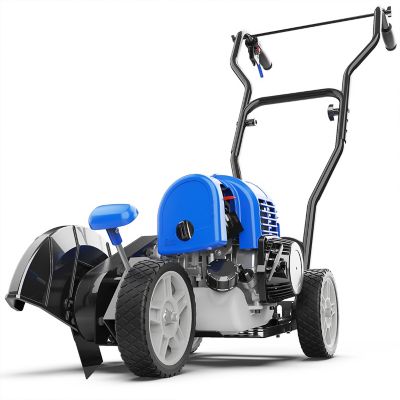
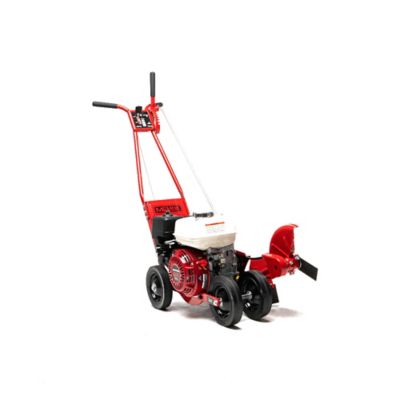
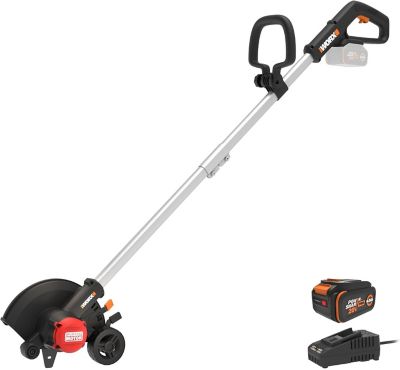
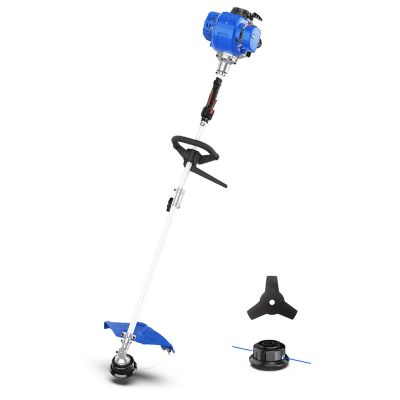
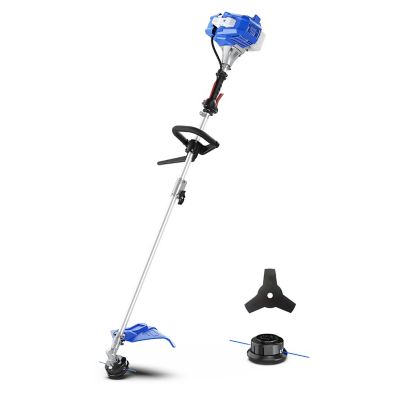
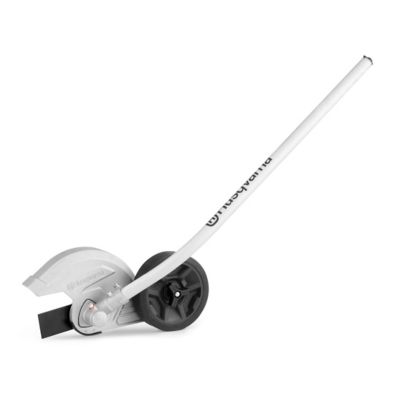
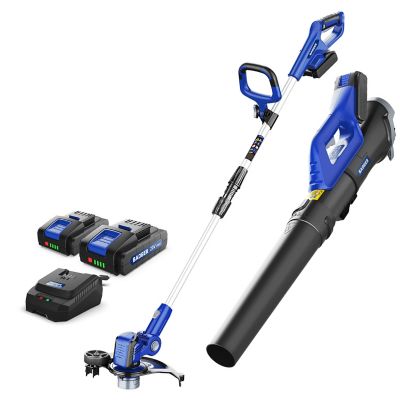
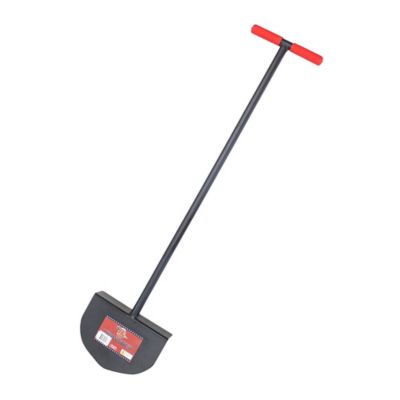
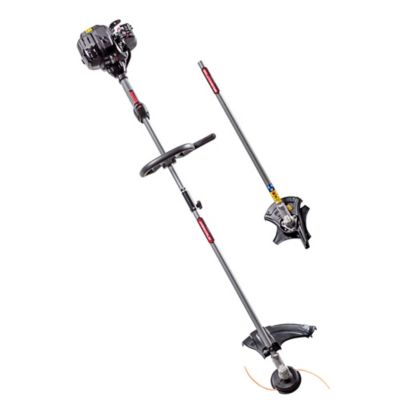
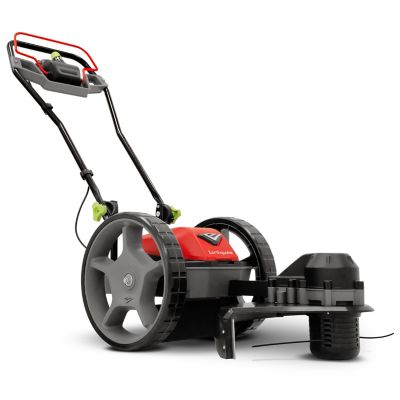
Edger Machines, with different power sources and configurations suited to different stretches of ground. Gas-powered designs offer freedom from extension cords and battery charging, making them worth considering for properties with long paved driveways or several separate areas to maintain. Battery-powered designs provide cordless movement without gasoline storage or gas-engine upkeep, although working time depends on the battery, cutting conditions, and equipment setup. Corded electric designs draw power from an outlet and can suit smaller spaces where an outdoor-rated extension cord can safely reach the entire border. The distance from the house to the last section of sidewalk matters just as much as the size of the lawn. A compact yard with several tight turns presents different demands than a broad front walk leading past a porch and out to a paved parking area. Handheld edgers offer maneuverability around shorter runs and changes in direction, while wheeled, walk-behind designs provide ground support along longer borders. Compatible edging attachments also let certain attachment-capable powerheads handle this task alongside other lawn work, but the connection type and approved attachment list need to match. For homeowners, groundskeepers, and anyone keeping paved access around a rural property tidy, the right configuration comes down to the amount of edging, the layout of the property, and how the equipment feels in hand. An edger complements a mower and grass trimmer rather than replacing either one: its main job is cutting the boundary beneath the grass, not clearing a broad patch of growth.
Cutting depth, blade construction, and wheel placement all affect how a power lawn edger handles that boundary. Adjustable depth settings allow the blade position to suit the job, from maintaining an established groove to working through turf that has crept across a hard edge. A deeper setting is not automatically a better choice; excessive depth can increase resistance and bring the blade closer to roots, irrigation components, or buried lines. Depth adjustment also does not take the place of locating underground utilities before work begins. Steel blades face repeated contact with soil and abrasive grit, so access for inspection and replacement matters over the life of the equipment. Blade diameter, center-hole size, and mounting hardware must match the manufacturer's requirements rather than simply looking close enough. Guards help limit exposure to the blade and thrown material, while guide wheels can help maintain a steadier path beside pavement. Some designs offer adjustable wheels or curb-positioning features for borders where adjoining surfaces sit at different heights. Those features can make a noticeable difference along a raised walkway or driveway apron, but their intended applications vary by design. Frame and shaft materials influence weight, balance, and resistance to everyday bumps, and the heaviest machine is not necessarily the most comfortable one to operate. Handle shape and height matter when following a long sidewalk, especially for someone who would otherwise spend the whole pass leaning forward. A well-positioned grip, manageable controls, and balanced weight can reduce awkward handling around corners. For handheld configurations, shaft length and motor placement affect how much effort it takes to keep the cutting head aligned. For walk-behind configurations, wheel size, handle adjustment, and the space needed to turn deserve a closer look. Storage fit counts, too: an edger needs a secure spot in a shed or garage where the blade stays protected and the machine does not block the mower, feed cart, or other equipment that comes out regularly.
The kind of border being maintained helps narrow those choices further. A straight concrete sidewalk offers a clear reference line, while a curved patio edge calls for more frequent changes in direction. An established groove generally presents less resistance than a thick mat of sod covering the edge of a driveway. Stones, roots, and broken pavement can interrupt either job, so a power lawn edger should not be treated as a tool for cutting concrete, removing rock, or digging a drainage trench. Planting beds also need a measured approach, with attention to nearby roots and any landscape lighting or irrigation lines. For someone maintaining several buildings, walking paths, and paved entrances, easy transport between work areas may matter as much as cutting power. A homeowner with a short front walk may place more value on compact storage and straightforward starting. Battery compatibility deserves attention when other cordless equipment already shares a charging system, but voltage alone does not establish compatibility between batteries and tools. Charger requirements, battery fit, and manufacturer approval all matter. Gas equipment brings engine maintenance and fuel-handling requirements, while corded equipment requires attention to cord rating, outlet protection, and keeping the cord clear of the cutting path. Across all power sources, accessible blade hardware, clear maintenance information, and manageable cleaning needs make routine care less of a chore. Packed soil and grass should be cleared only after the machine is shut down and its power source is disconnected according to the owner's manual. Blade wear, loose fasteners, damaged guards, and wheel movement also deserve regular checks. Eye protection, sturdy footwear, and any additional protection specified by the manufacturer belong alongside the equipment, with people and animals kept clear of the work area. A well-matched power lawn edger makes that last strip along the pavement part of regular property upkeep, leaving a visible separation between lawn and walkway without asking a grass trimmer to do a blade's job.