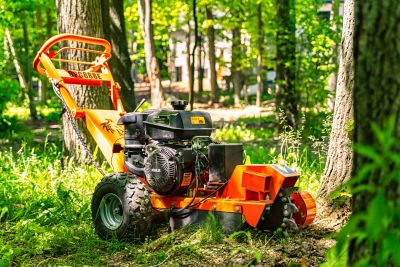
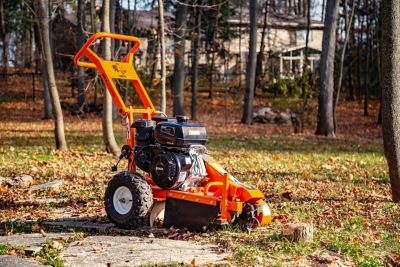
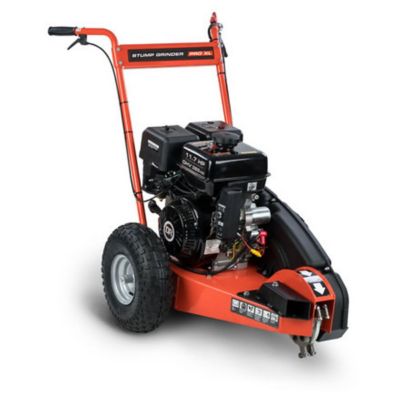
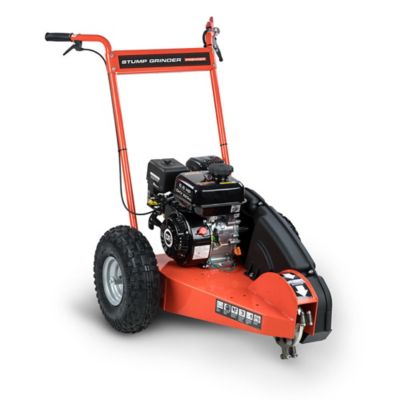
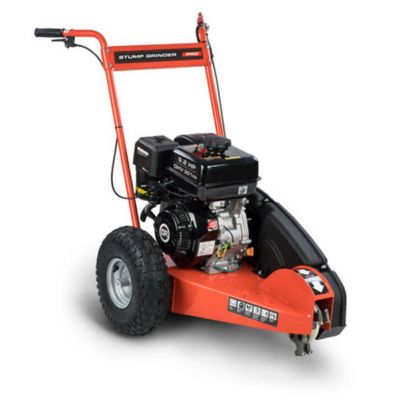
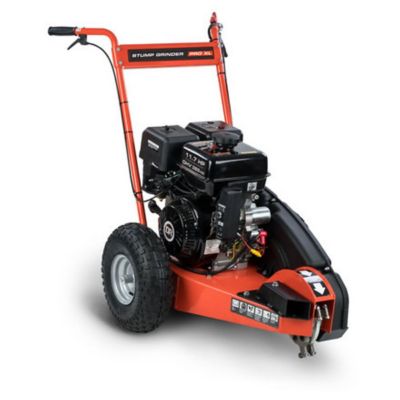
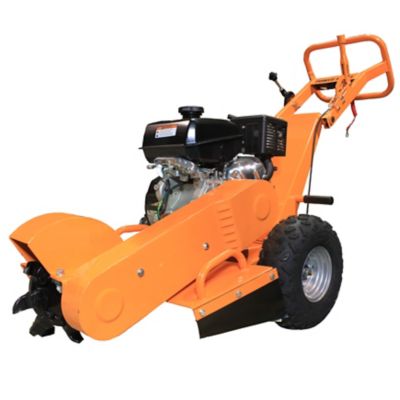
Stump grinders are purpose-built machines for turning stubborn tree stumps into manageable wood chips and soil. Instead of digging out the entire root ball, a stump grinder uses a fast-spinning cutting wheel fitted with hardened carbide teeth to chew through the wood a little at a time. The operator moves the wheel side to side across the stump, shaving away layers until the remaining wood is below the surrounding grade. Many machines can grind roughly 6 to 12 inches beneath ground level, though the actual cutting depth depends on the machine, stump size, soil conditions, and the operator’s technique. That extra depth gives grass, flowers, shrubs, or a new tree more room to establish without running into a hidden slab of old wood. It also helps smooth out an area where a mower, wheelbarrow, or ATV needs to pass. Stump grinders can be useful after storm cleanup, a fence-line clearing, orchard work, property improvements, and routine tree maintenance. A compact walk-behind machine may suit homeowners and small properties where access is limited by a narrow gate, shed, landscaping, or a backyard fence. Larger towable units offer more cutting power and can be hauled between jobs with a properly equipped vehicle. For land clearing, farm work, tree services, and commercial jobs, tractor-mounted or excavator-mounted attachments can put PTO or hydraulic power to work on large stumps and heavy root flares. When looking through stump grinders, match the equipment to the work rather than choosing by size alone. Measure the stump at its widest point, including the flare where the trunk meets the roots, and consider how many stumps need attention. A small machine may be easier to maneuver around a home, but a larger unit can save time on thick hardwoods or multiple stumps spread across a property.
Property access is one of the first details to check before bringing a stump grinder home. Measure gates, pathways, bridges, and other tight spots, and allow room for the machine to turn without scraping a building or damaging a flower bed. Think about the ground, too. Soft soil, slopes, loose gravel, and wet conditions can make transport and positioning more difficult. Walk-behind stump grinders are often handy in residential yards because they can be guided into places that are out of reach for a truck or tractor. Towable machines make sense for hauling to different properties, especially when the job includes several large stumps, but they require a suitable hitch, safe loading practices, and a vehicle rated for the equipment’s weight. Mounted attachments need a compatible tractor or excavator with enough horsepower, hydraulic flow, lift capacity, and ballast to operate safely. Other useful considerations include cutting wheel size, tooth arrangement, cutting depth, swing range, engine or power source, control layout, tire style, braking equipment, and access to replacement teeth and service parts. Carbide teeth take a beating when they meet dirt, rocks, buried fencing, wire, or old nails, so a machine with easy tooth inspection and replacement can be a practical choice for regular use. A stump grinder is generally a job-site tool rather than a casual gift, but it can be a worthwhile addition for a rural landowner, property manager, firewood cutter, landscaper, or small tree-service operator who regularly deals with fallen or removed trees. For occasional work, compare the cost and convenience of owning equipment with other available options, including local rental services or hiring experienced help. The right choice depends on the number and size of stumps, how often the machine will be used, storage space, transport needs, and the time available for cleanup. Browse
Stump Removal Tools to find equipment and accessories that can help with clearing the old wood and preparing the ground for its next use.
Safe preparation matters as much as machine power. Before grinding, locate underground utilities and mark their paths, then remove rocks, wire, metal, landscape edging, loose branches, and other debris from around the stump. A shovel, mattock, or rake can help expose the root flare and identify hazards that are hidden beneath grass and soil. Keep people, pets, livestock, and vehicles well outside the work area, since the cutting wheel can throw chips and debris at high speed. Wear sturdy boots, heavy eye or face protection, hearing protection, gloves suited to the controls, and clothing that fits close to the body. Follow the equipment manual for starting, fueling, transport, brake use, and shutdown procedures, and never bypass guards or safety controls. Start with the cutting wheel clear of the stump, position the machine securely, and make controlled passes rather than forcing the wheel into a large bite. Moving slowly from side to side and taking roughly half-inch to one-inch passes can help the teeth cut more evenly, reduce strain on the machine, and give the operator better control. Work around the stump in stages, checking the cut and clearing chips when needed. Roots that run beyond the main trunk may need separate passes, and deep grinding can uncover more rock or soil than expected. Avoid rushing when the stump is close to a foundation, fence, septic area, driveway, irrigation line, or other improvements. Once the wood is ground down, rake out the chips and fill the hole with clean soil or appropriate fill material, allowing for settling before planting or finishing the surface. Wood chips can be used as mulch if they are free of treated wood and disease concerns, though fresh chips may temporarily tie up nitrogen as they break down. During the warmer part of the season, take care around dry grass and keep fuel and hot equipment away from combustible materials; during cooler, wetter weather, watch for slick ground and reduced traction. Proper preparation, steady passes, and routine tooth inspection help stump grinders work more smoothly, protect the cutting wheel, and leave a cleaner, more usable patch of ground.