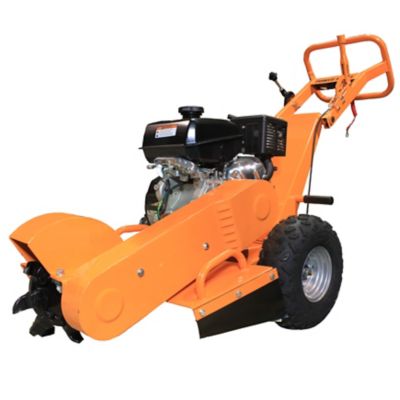
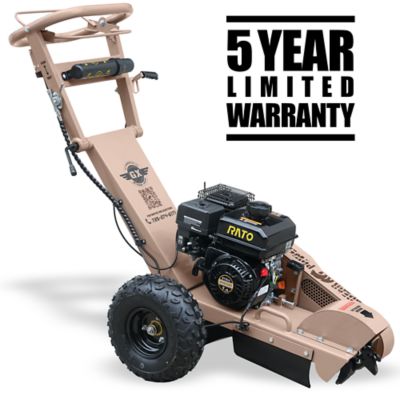
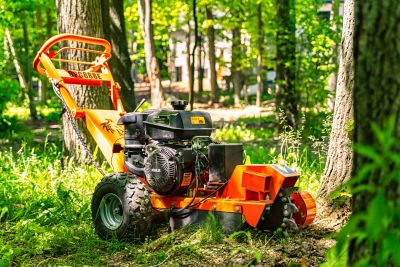
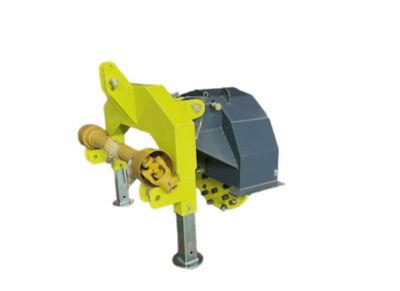
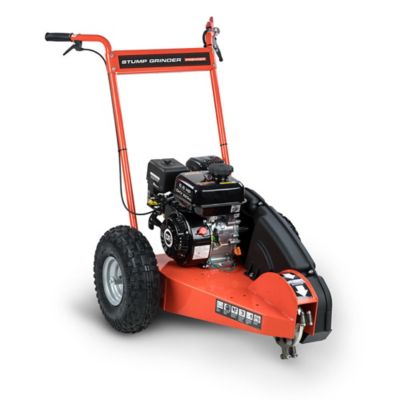
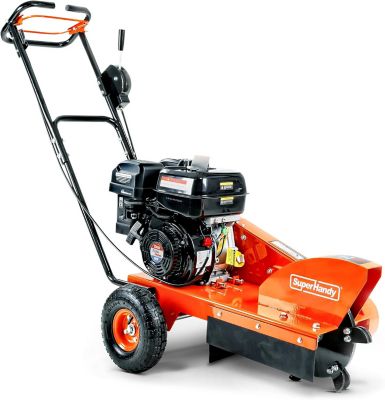
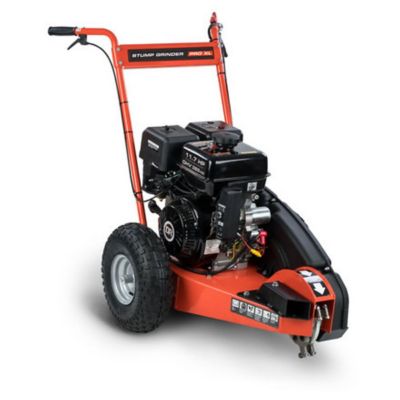
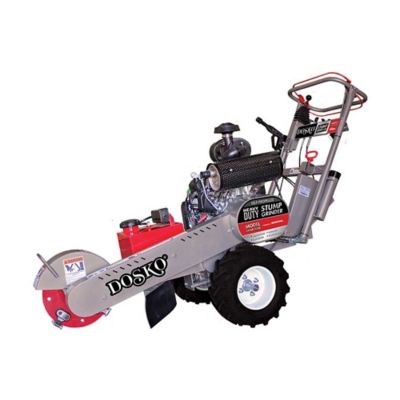
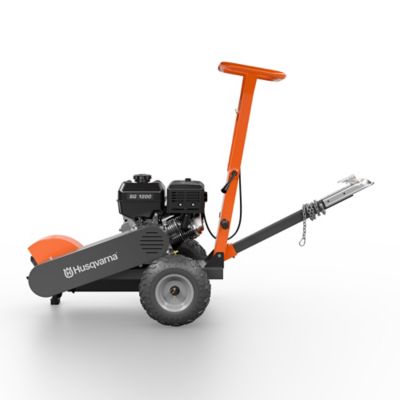
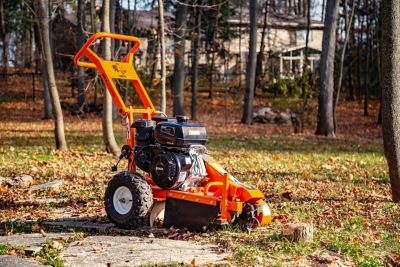
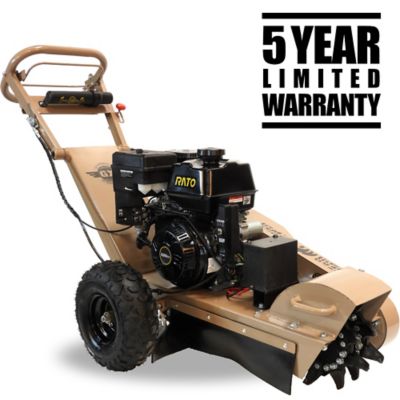
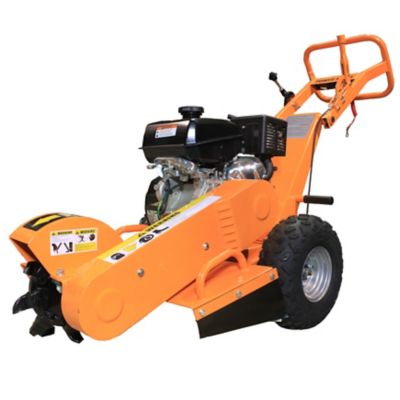
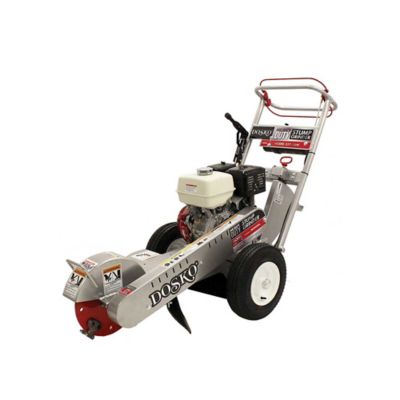
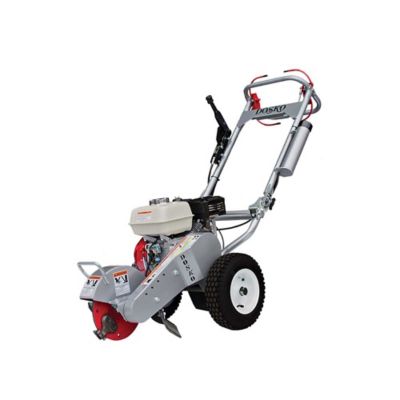
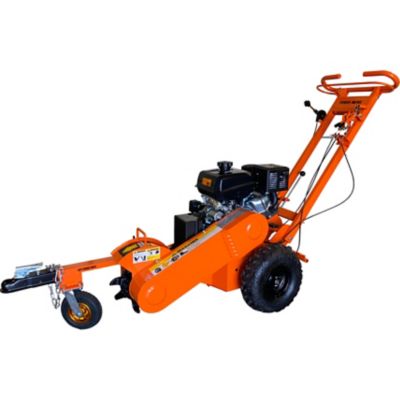
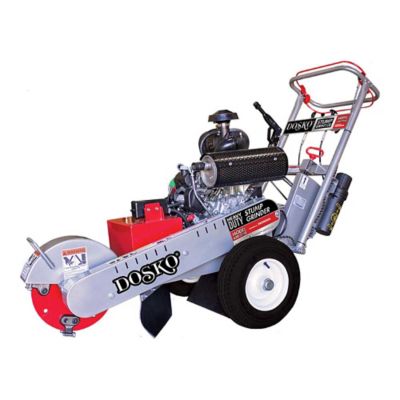
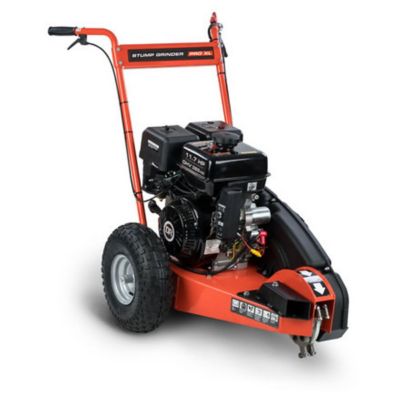
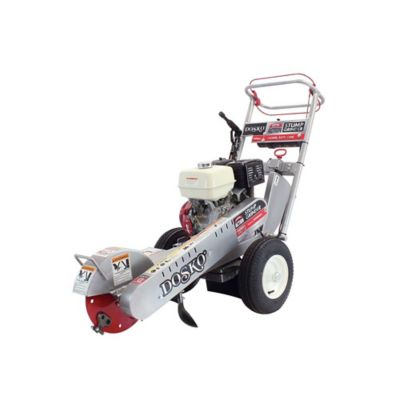
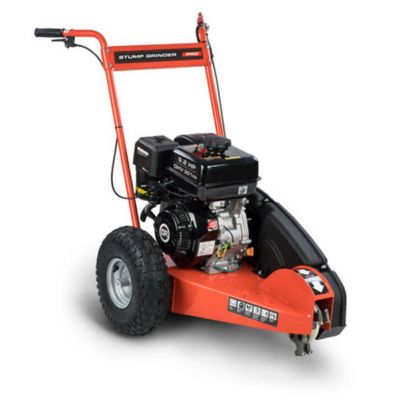
Portable stump grinders make it easier to clear old tree stumps from yards, fence lines, driveways, pasture edges and job sites without bringing in a full-size excavator. These compact, motorized machines use a rotating cutting wheel fitted with hardened teeth to chip away at a stump a little at a time, often several inches below the surrounding soil. A walk-behind grinder can be a practical fit for homeowners, property managers, landscapers, arborists and small firewood or land-clearing crews, especially where access is limited by a narrow gate, shed, garden bed or wooded trail. When choosing among portable stump grinders, start with the size and number of stumps rather than horsepower alone. A small stump in an open yard may only need a compact machine, while a large hardwood stump with a wide root flare can call for a heavier unit with more cutting depth and a wider swing. Mini and compact models commonly use engines in the 6 to 9 horsepower range and may be narrow enough to pass through a standard gate. Some have folding handles or other transport features that make loading and storage easier in a truck, trailer, SUV or garage. Larger walk-behind and towable machines may use engines around 13 to 14 horsepower, offer greater cutting depth and handle repeated work with less strain on the operator. Pay attention to machine width, overall weight, wheel design, handle height, cutting wheel diameter and the stated depth below grade. A machine that fits through the gate but is difficult to roll across uneven ground can still make a simple job feel like a long afternoon. For landowners who regularly handle trees, logs and brush, a
Portable Sawmills setup may also be useful for getting more value from usable timber after a tree comes down, while a stump grinder handles the remaining base below the trunk.
The stump itself has a big effect on the right tool. Softwood stumps may cut more quickly, while dense hardwood, twisted roots and embedded rocks can wear cutting teeth faster and slow the work. Measure the stump’s diameter at ground level, then account for exposed roots and extra room around the work area. Cutting several inches below grade is often enough for replanting, laying sod or spreading gravel, but deeper grinding may be helpful where a driveway, walkway or building project is planned. Grinding does not remove every root from the soil; it reduces the main stump and surface roots to chips, leaving an underground root system to decay over time. The resulting mulch can be raked away or mixed with soil, though fresh wood chips may settle as they break down. Before starting, mark buried utilities and irrigation lines, move livestock, children, pets, vehicles and loose equipment away from the area, and inspect the stump for nails, wire, fence hardware or stones. Those hidden items can damage teeth and throw debris with considerable force. Wear eye and hearing protection, sturdy work boots, gloves, long pants and a face shield or other protection recommended by the machine maker. Keep bystanders well outside the work zone, especially in the direction chips may travel. A centrifugal clutch, belt drive, emergency shutoff and adjustable cutting controls can add convenience, but they do not replace careful handling. Learn how the grinder moves before engaging the wheel, keep both hands on the controls, and make shallow side-to-side passes instead of forcing the cutting head deep into the wood. Let the machine do the cutting at its own pace. Clearing brush and loose dirt from around the stump first also helps prevent rocks and debris from entering the cutting path.
Portability matters from the first trip to the work area through the final cleanup. Look for balanced handles, solid tires and lifting points that make it easier to position the grinder without wrestling its full weight. If the machine will ride in a trailer, check the required ramp capacity and securement points, and plan for fuel, oil, replacement teeth and basic tools. Carbide-tipped teeth can stay sharp through substantial work, but they are wear items and may need to be rotated, sharpened or replaced after contact with soil, gravel or metal. Check the owner’s instructions for engine oil, air-filter service, belt tension, clutch inspection and storage procedures, particularly before the cooler months when equipment may sit for a while. Work is often most comfortable when the ground is firm and visibility is good; wet soil can become rutted under the wheels, while frozen ground may make positioning and cleanup harder. Keep chips away from foundations, drains and buildings, and backfill the finished hole with clean soil suitable for the next use. Portable stump grinders can be a worthwhile investment for someone maintaining acreage, opening a new garden space or caring for rental properties, while an occasional user may prefer comparing purchase costs with local rental rates, which often fall around $150 to $250 per day depending on machine size and location. For a professional who clears several properties, a larger model can save handling time and keep jobs moving. For a homeowner with one or two small stumps, compact storage and easy transport may matter more than maximum power. Either way, matching the grinder to the stump diameter, access conditions and planned workload helps turn an awkward leftover stump into a manageable cleanup job.