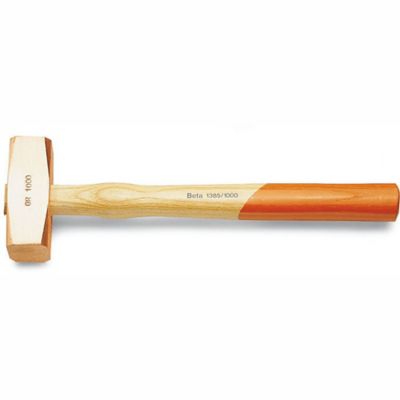
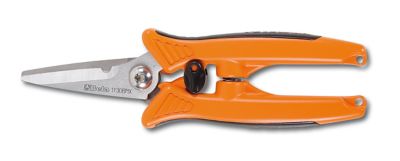
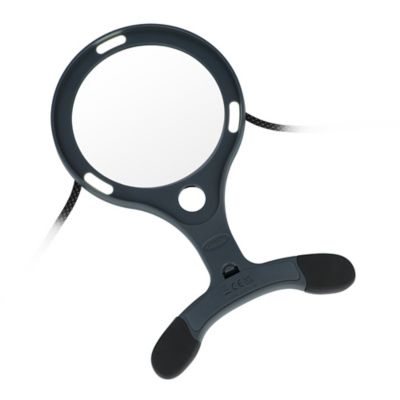
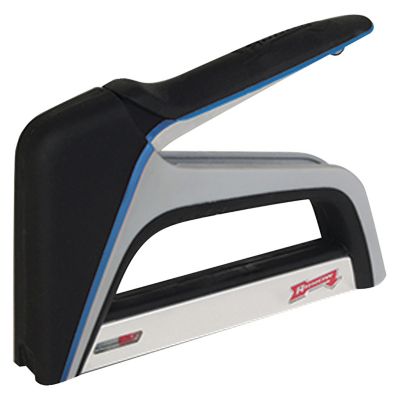
Craft tools handle the cutting, measuring, scoring, shaping, and assembly work that turns paper, fabric, leather, clay, and other materials into finished projects. Each task calls for a different balance of edge shape, control, reach, and working pressure. Cutting tools separate material cleanly, measuring tools help keep dimensions consistent, scoring tools create controlled fold lines, and assembly tools help position or hold pieces as they come together. That matters whether the project is a stack of paper invitations, fabric pieces for a quilt, or a leather patch for a well-worn bag. Paper work benefits from crisp cuts and folds that meet neatly at the corners, while fabric work calls for cutting edges that move through fibers without pulling them out of line. Leather and heavier craft materials demand enough cutting strength to make steady progress without forcing the tool. Clay work places more emphasis on shaping, smoothing, and reaching small details without disturbing the surrounding surface. Materials within the same craft can behave differently, too: thin paper bends easily, heavy cardstock needs a more deliberate fold, and loosely woven fabric can shift during cutting. Matching the tool to the material’s thickness and texture helps keep those differences manageable. For repeat work, clear measurement markings and stable reference edges make it easier to keep each piece consistent with the next. For small details, a narrow working tip can offer better visibility than a broad one, while wider contact surfaces can spread pressure across larger areas. Projects often involve several of these jobs, so a useful assortment balances everyday tasks rather than filling a drawer with overlapping functions. Someone who enjoys making cards may put cutting and scoring first, while a person repairing fabric goods may care more about controlled trimming and secure assembly. The common thread is a tool that suits the work, feels manageable in the hand, and helps leave edges, folds, and connections looking tidy.
Construction and fit make a noticeable difference once a project moves from a quick trim to an afternoon at the worktable. Steel working surfaces can provide firm cutting or shaping edges, while stainless steel offers resistance to corrosion where moisture is part of the job. Hardened cutting edges may hold their sharpness longer, though sharpening and replacement needs depend on the tool’s design and the materials it handles. Lightweight bodies can be easier to maneuver through detailed work, while added weight may feel steadier for certain shaping or pressing tasks. Neither is the best choice for every pair of hands. Handle size, grip texture, opening width, and the position of the wrist all affect comfort and control. A large handle opening can leave room for a fuller grip, but an oversized tool may be awkward for someone with smaller hands. Left-handed and right-handed designs can also differ in blade alignment and sightline, which matters when following a marked edge. Spring-assisted movement may reduce repeated squeezing on compatible tools, while smooth pivots help prevent jerky motion. The working end deserves the same attention as the handle: a fine point reaches tight corners, a rounded edge spreads pressure, and a broader face can help flatten or smooth a larger area. Adhesive and assembly work brings another set of considerations, including material compatibility, application control, holding time, and the appearance of the finished joint. A bond that suits paper may not suit leather, fabric, or a flexible surface. Heat, moisture, and contact with skin can also affect which assembly method makes sense for the finished piece. On the bench, a stable surface, good lighting, and room to lay material flat support better control. Protective work surfaces help keep cutting and shaping tasks separate from the tabletop underneath, especially when a family dining table does double duty as a craft space.
Care and storage help craft tools stay ready for the next project without turning setup into a chore. Paper dust, loose fibers, dried clay, and adhesive residue can build up around working edges and moving parts, so cleaning methods need to suit both the tool and the material left behind. Manufacturer care directions are especially important for coated surfaces, cushioned handles, and moving joints. Tools that contact moisture generally need thorough drying before storage, and exposed steel may need additional protection where the care directions call for it. Sharp edges belong in suitable covers or designated compartments rather than loose among measuring tools and softer supplies. Keeping fabric-cutting tools separate from paper-cutting tasks can also help preserve the edge performance needed for clean fabric cuts. Clear storage groupings make a difference in a busy household: measuring and marking tools together, cutting tools protected, and small assembly tools close to the materials they serve. A portable setup may suit someone who works at the kitchen table, while a fixed bench offers room for larger layouts and projects that need time to dry or set. Craft tools can be a thoughtful gift for a quilter, paper crafter, leatherworker, or anyone who enjoys making useful things by hand. The best match comes from the recipient’s familiar materials and working habits rather than the size of the assortment. A beginner may appreciate straightforward functions and manageable grips, while an experienced maker may value a tool that handles a particular detail or reduces strain during repeated work. For younger crafters, age recommendations, guarded designs where appropriate, and adult supervision matter more than simply choosing a smaller tool. Projects that branch into frame building, board preparation, or bench setup also connect naturally with
Work Tools. Whether the finished piece is headed for a gift bag, a craft fair table, or everyday use around the house, well-matched craft tools support careful work from the first measurement through the final touch.