Hardwood tools help turn rough boards, flooring planks, and home improvement plans into clean, sturdy finished work. They are useful for more than large construction jobs, too. A homeowner replacing a worn hallway floor, a farmer building shelves for the shop, a contractor fitting flooring in a new room, and a weekend woodworker shaping trim can all benefit from having the right tools close at hand. The best choice depends on the job, the type of hardwood, and the finish you want to achieve. Before purchasing, consider whether you need speed for a large installation or the careful control that comes with a hand tool. Power tools can make long runs of flooring and repeated cuts much more efficient, while hand tools are often the better choice for fitting a board around a corner, cleaning up an edge, or making a small adjustment without removing more material than necessary. It also helps to measure the project area, check the thickness and profile of the flooring, and make sure each tool is designed for the material being installed. Hardwood can be dense, heavy, and unforgiving of rushed work, so a tool that feels solid in your hands and has an easy-to-control action is worth considering. Look for comfortable handles, straightforward adjustments, durable construction, and storage that keeps small pieces from getting misplaced. For larger jobs, dependable
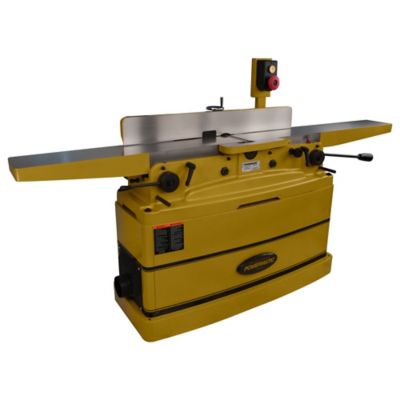
Heavy Duty Tools can make a noticeable difference when the work calls for more power, longer run times, or equipment built to handle repeated use. Keeping a few extra boards on hand for test cuts is also a smart habit, especially when working with expensive hardwood or a finish that will be difficult to match later.
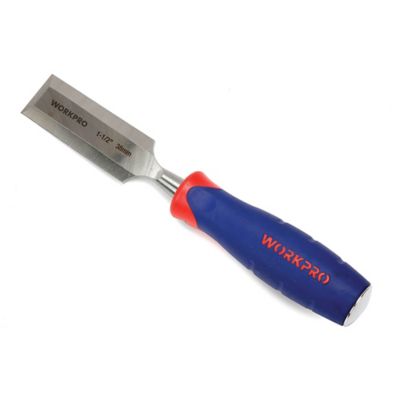
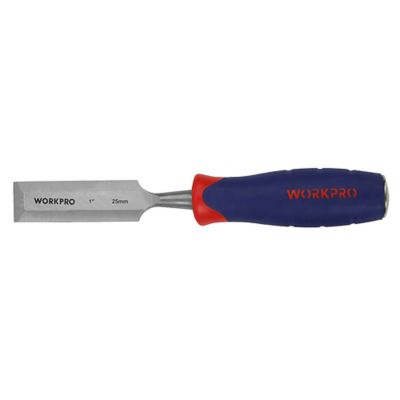
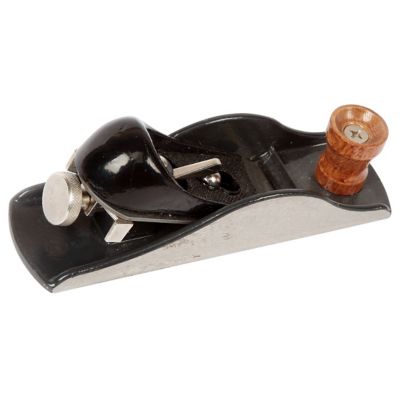
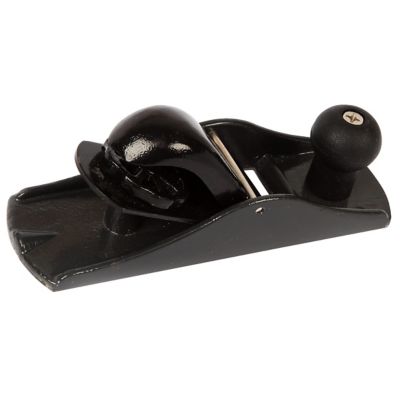
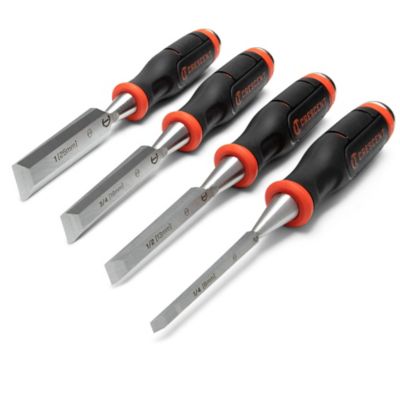
For installing hardwood flooring, several types of tools work together to keep boards straight, tight, and securely fastened. A flooring nailer or stapler can speed up installation on compatible tongue-and-groove flooring while helping place fasteners at a consistent angle and depth. Always confirm that the fastening tool matches the thickness, construction, and manufacturer requirements of the flooring; using the wrong fastener or setting can damage the tongue, leave marks, or create loose spots that show up underfoot. A router is useful when precise edge work, trimming, or a custom profile is part of the plan, and variable-speed control can help when moving between different hardwood species and bits. For straightening and aligning boards, a floor jack or similar positioning tool can apply steady pressure where a hand alone cannot, helping close small gaps without forcing the plank out of line. Hand tools remain just as important. A tapping block spreads the force of a mallet across the board, a pull bar helps draw the last pieces snug against a wall, and spacers maintain the expansion gap needed around the room’s perimeter. A smoothing plane or chisel can refine an edge, ease a proud spot, or prepare a piece for a cleaner fit, though sharp blades should be handled with care and used with controlled strokes. Work on a clean, stable surface, inspect each board before fastening it, and keep dust and chips swept away so they do not interfere with joints. Hardwood should have time to adjust to the conditions in the room before installation, and the subfloor needs to be dry, level, and sound. During the warmer part of the year, good airflow can make a work area more comfortable, while cooler months call for extra attention to indoor moisture and temperature. Taking those small preparation steps often saves more time than trying to correct a bowed row or uneven seam after the floor is finished.
Hardwood tools also make practical gifts for someone who enjoys building, repairing, or improving a home, barn, cabin, or workshop. A beginning woodworker may appreciate a dependable set of basic hand tools that builds confidence without taking up much space, while an experienced craftsperson may value a specialty tool that improves accuracy on a familiar task. For someone preparing a flooring project, an installation assortment can gather the everyday essentials—alignment aids, spacers, a mallet, and tools for drawing boards together—in one convenient place. A person who spends weekends making furniture or restoring old wood may get more use from precision tools for trimming, shaping, smoothing, and fitting. When choosing a gift, think about the recipient’s workspace, the scale of their projects, and whether they prefer hands-on control or powered efficiency. Compact tools are easy to store in a truck, tack room, or crowded garage, while larger equipment may be a better fit for a dedicated shop with sturdy workbenches and reliable power. Safety equipment belongs alongside any hardwood tool purchase. Eye protection helps guard against flying chips, hearing protection is important around loud equipment, and work gloves can provide grip during handling, though gloves should be kept clear of rotating blades and bits. Secure loose clothing, use clamps whenever possible, unplug equipment before changing accessories, and follow the instructions for each tool. As the weather shifts and indoor projects become more appealing, hardwood tools can help make productive use of time spent in the workshop. With careful measuring, a steady pace, and equipment suited to the material, a stack of boards can become a floor, workbench, set of shelves, or piece of furniture built to serve for years.