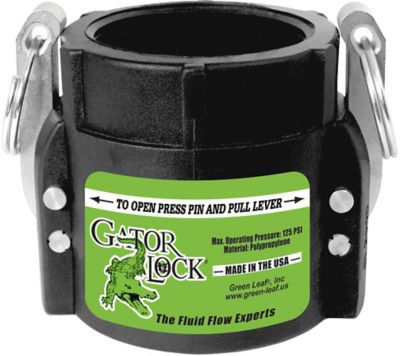
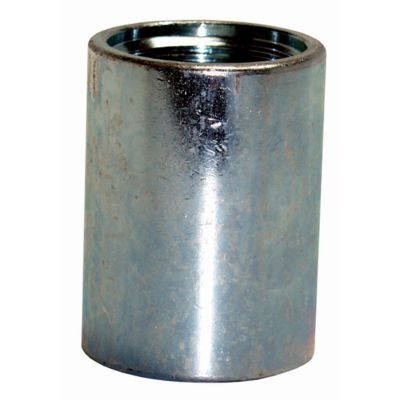
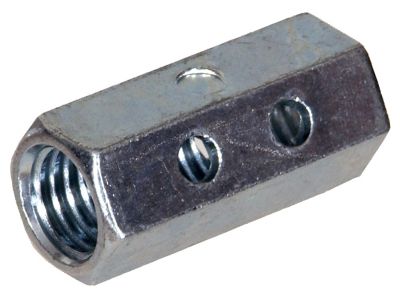
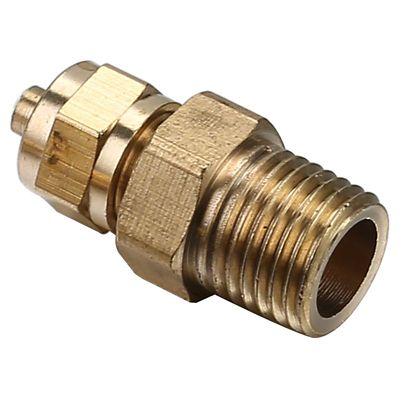
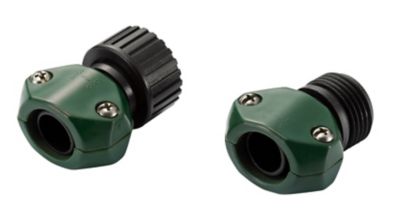
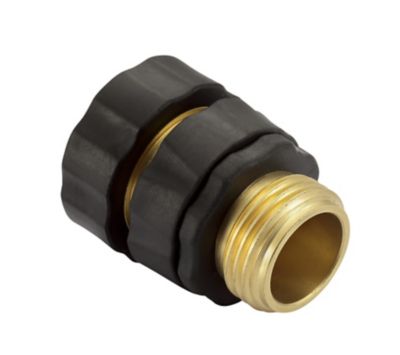
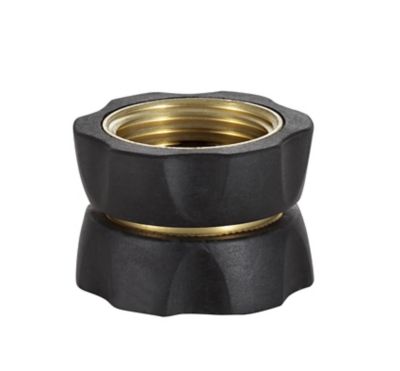
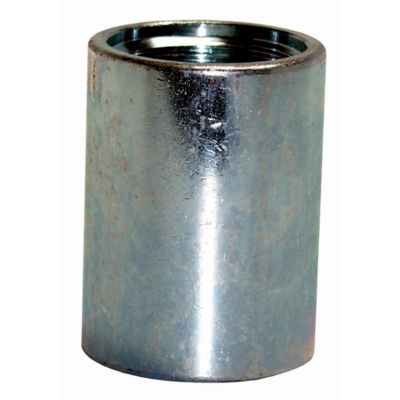
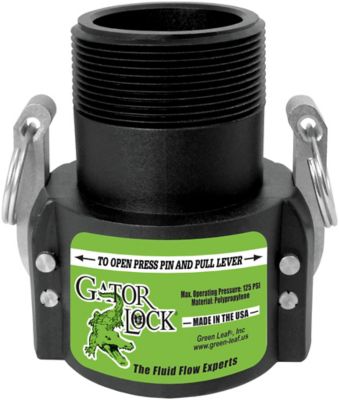
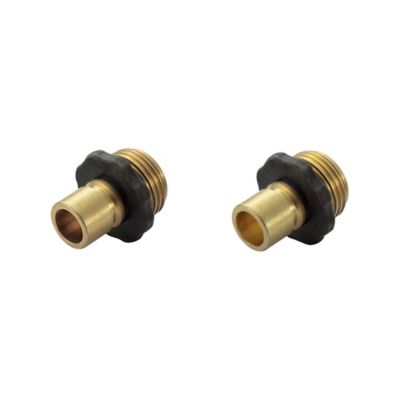
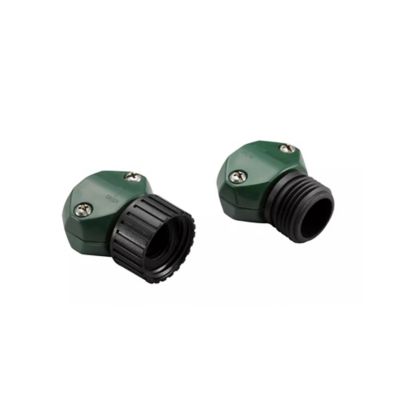
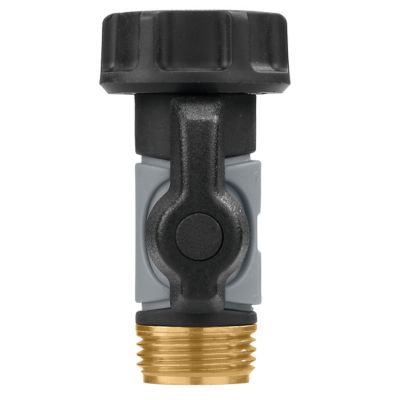
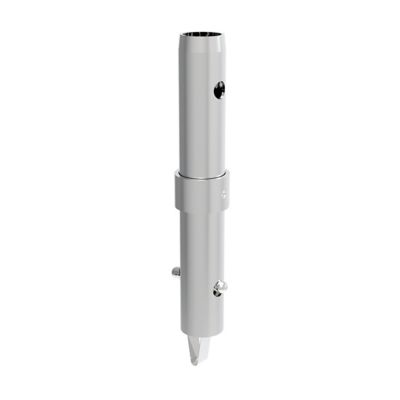
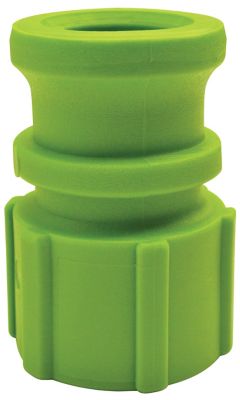
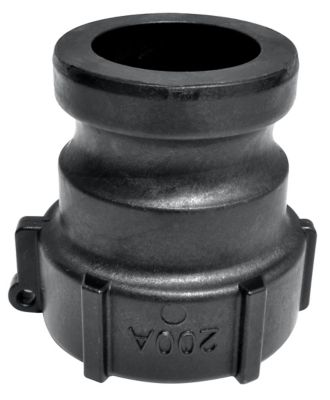
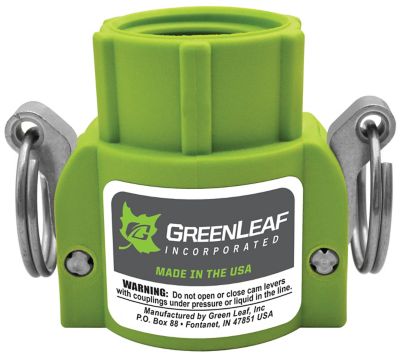
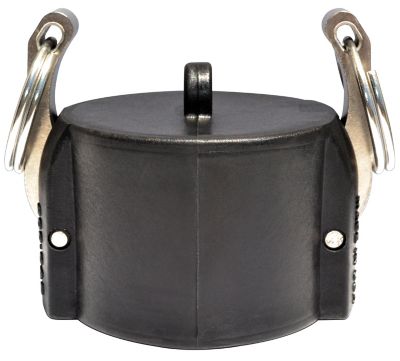
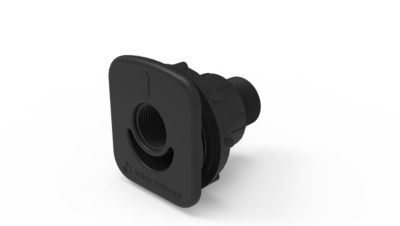
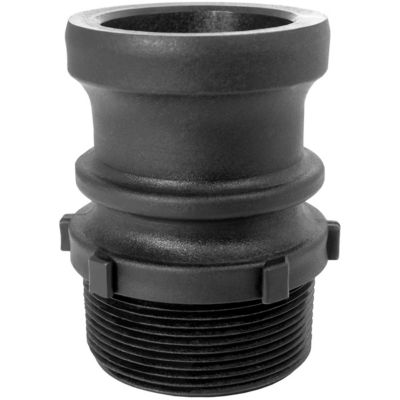
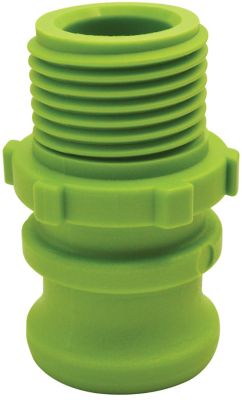
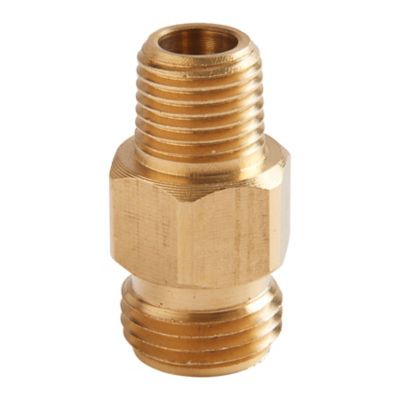
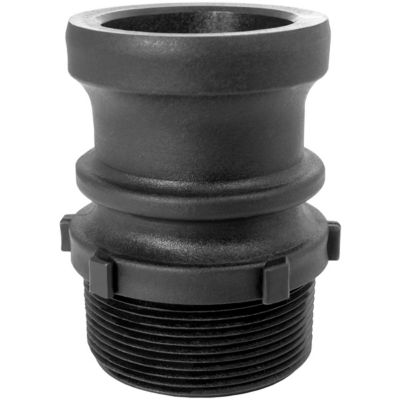
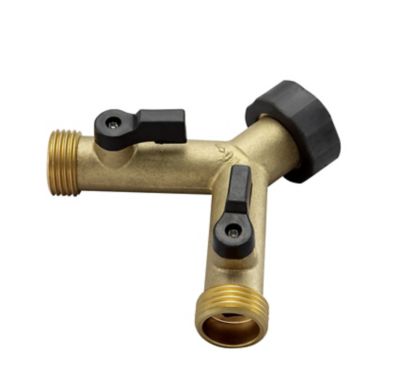
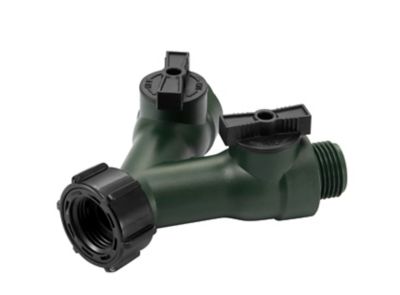
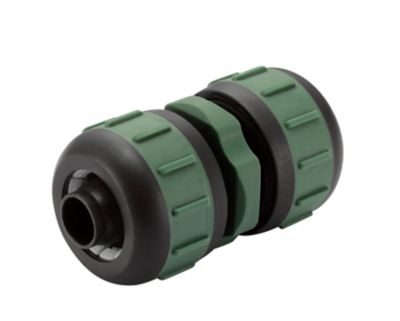
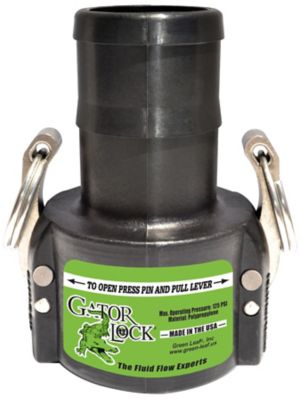
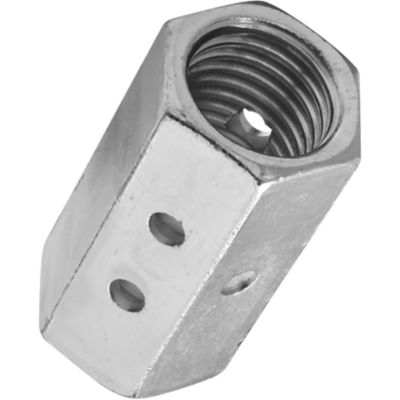
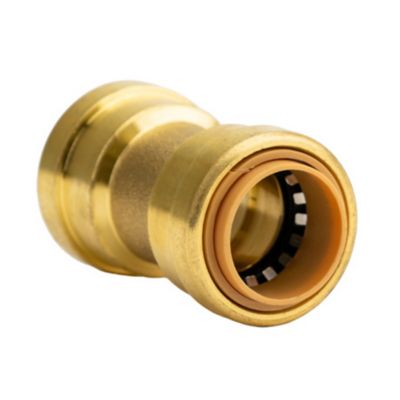
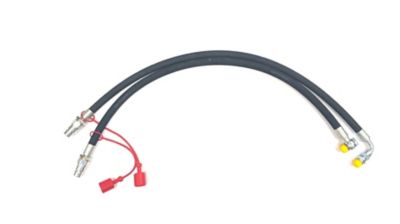
When you’re out working on the farm or keeping things running smooth in your shop, having the right pipe fittings on hand can make all the difference. Threaded couplings are a staple for folks who need to join pipes together quick and easy, whether you’re patching up a water line in the barn, setting up a new irrigation system, or working on hydraulic lines for your equipment. These handy fittings come with internal threads, letting you connect two male-threaded pipes or fittings in the same direction—no welding torch or fancy tools needed. Most are made from tough materials like stainless steel, brass, or plastic, so they hold up well to the bumps and scrapes of everyday use. You’ll see them used in all sorts of setups, from plumbing and HVAC to fuel lines and even low-pressure air systems. During the warmer months, when outdoor projects and repairs are in full swing, or as the weather cools and you’re getting things ready for winter, a good stash of threaded couplings means you’re always prepared for whatever comes your way.
Choosing the right threaded coupling comes down to a few important details. First off, you want to make sure the material matches whatever you’re connecting—stainless steel and brass are great for heavy-duty jobs or spots where corrosion is a worry, while plastic works well for lighter-duty applications or where chemicals are involved. Pay close attention to the thread type, like National Pipe Taper (NPT) or BSPT, so everything fits together snug and leak-free. Standard couplings are perfect for joining pipes of the same size, while reducing couplings—sometimes called bell reducers—let you connect pipes of different diameters. It’s also smart to double-check the pressure and temperature ratings, especially if you’re running hot water, steam, or high-pressure lines. Installation’s a breeze: just wrap the threads with Teflon tape, thread the coupling on by hand, and snug it up with a wrench. If you need a connection that’s easy to take apart for maintenance, you might also want to look at pipe unions or even
Rubber Couplers, depending on your setup.
Threaded couplings are a must-have for folks who like to keep their own repairs in-house, whether you’re a seasoned rancher, a backyard hobbyist, or someone just learning the ropes of farm maintenance. They’re a thoughtful gift for anyone who spends time tinkering in the shop or working on DIY projects—especially during those times of year when you’re gearing up for big seasonal changes and want all your systems running tip-top. With the right couplings in your toolbox, you’ll find it’s a whole lot easier to keep water flowing, air moving, and equipment running strong, no matter what the season brings. Whether you’re fixing a leaky line before the first frost or adding new plumbing to the greenhouse as the days get longer, having quality threaded couplings on hand means you’re always ready for the next job.