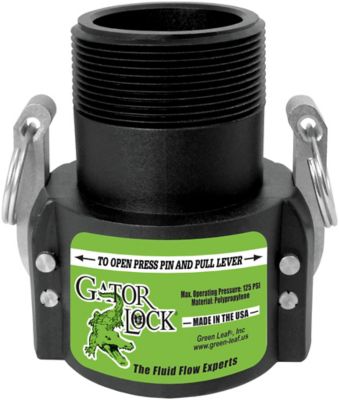
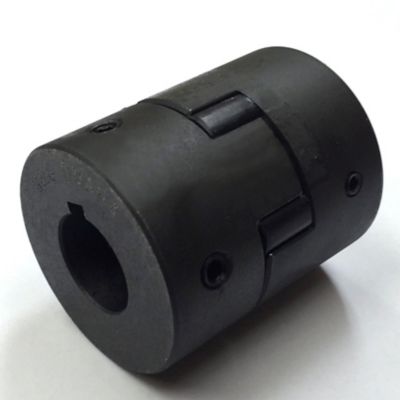
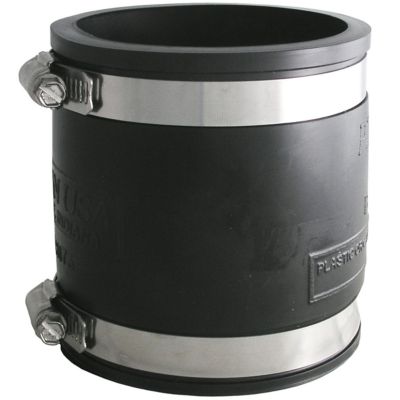
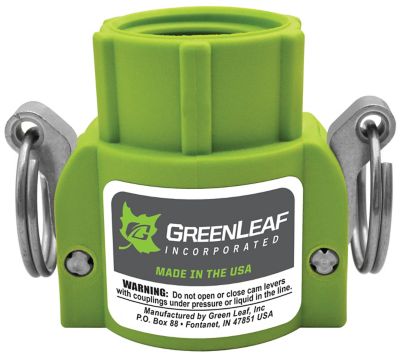
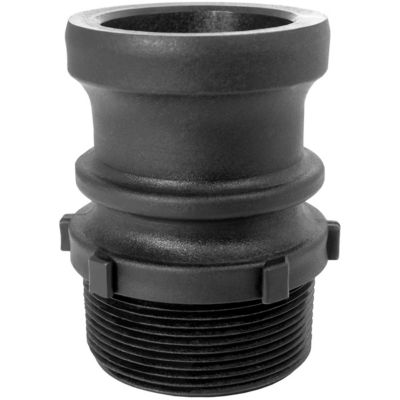
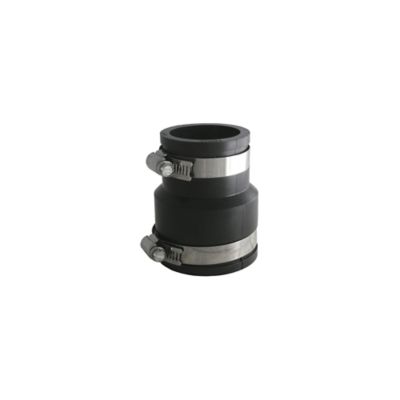
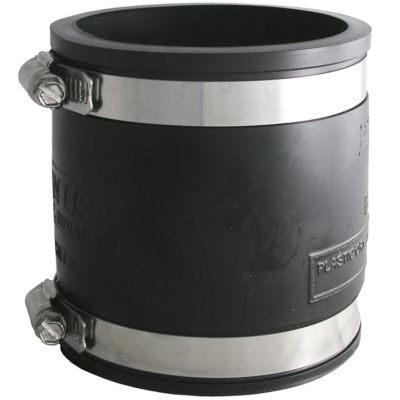
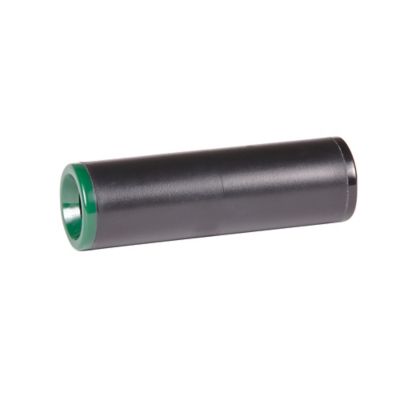
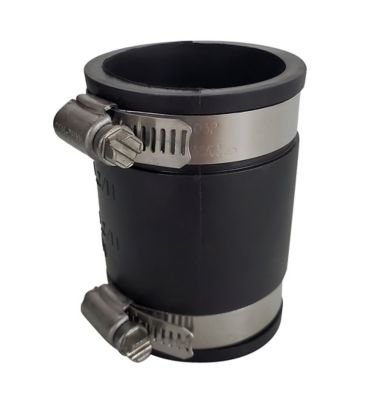
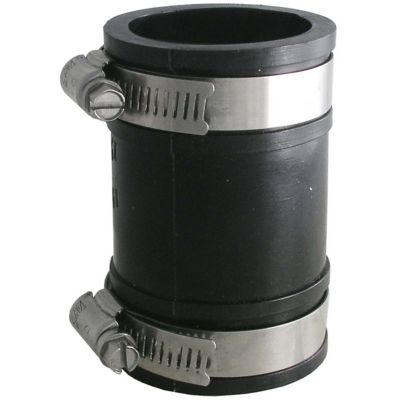
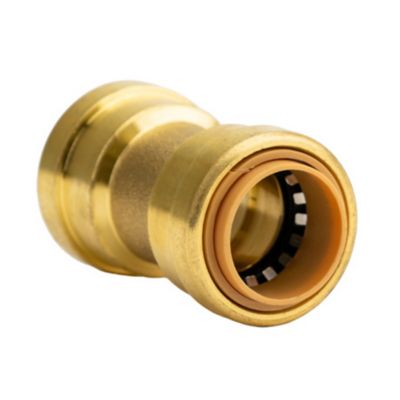
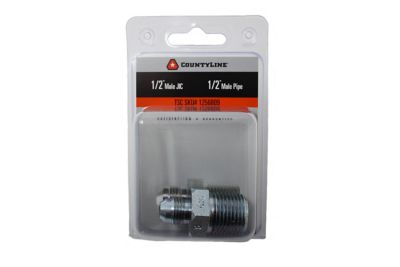
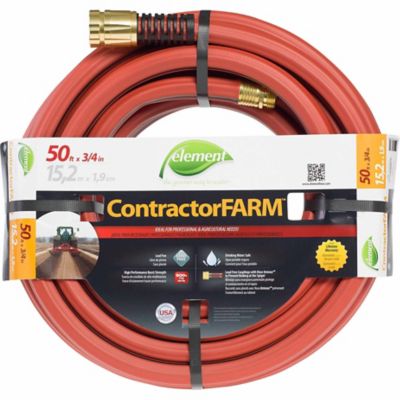
Rubber couplers are a real workhorse when it comes to connecting pipes around the farm, in the shop, or even out in the barn. Folks who handle plumbing jobs—whether it’s fixing up a leaky drain, adding a new line to the well house, or patching up irrigation—know just how handy these flexible connectors can be. Made from tough, durable rubber and usually secured with sturdy metal clamps, rubber couplers make it easy to join pipes of different sizes or materials, like PVC to cast iron, without a lot of fuss. They’re especially useful when you need a little give in the line, like when pipes aren’t perfectly lined up or when there’s a bit of vibration from pumps or other equipment. That flexibility means less stress on your plumbing and a lower chance of future leaks. During the warmer months, when outdoor projects ramp up and folks are running new water lines or repairing livestock waterers, having a few rubber couplers on hand saves a lot of time and trouble. When the weather cools off and you’re winterizing or making last-minute repairs before the ground freezes, these connectors make quick fixes a whole lot easier.
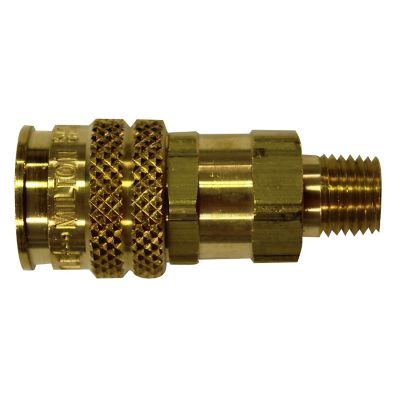
Rubber couplers aren’t just for the pros—anyone who likes to tackle their own repairs or upgrades will find them useful. They’re a smart addition to any toolbox, whether you’re a seasoned rancher, a weekend DIYer, or someone who just likes being prepared for whatever comes up around the homestead. If you’ve got a neighbor or family member who’s always working on a project, a set of rubber couplers makes a practical and thoughtful gift—especially as folks gear up for another busy season of repairs and improvements. When picking out the right coupler, pay attention to the size and type of pipes you’re connecting, as well as the kind of fluids or materials that’ll be flowing through. Not all rubber compounds are created equal, so it’s worth double-checking compatibility for things like water, fuel, or chemicals. Also, keep in mind the pressure and temperature ratings to make sure your repair holds up over time. For jobs that call for a more rigid or corrosion-resistant connection—especially where higher pressure or heat is involved—it might be worth looking at
Brass Couplers for another reliable option. Whether you’re patching up a line in the middle of a summer thunderstorm or getting things squared away before the first frost, rubber couplers are a simple, dependable solution that keeps everything running smooth around your place.