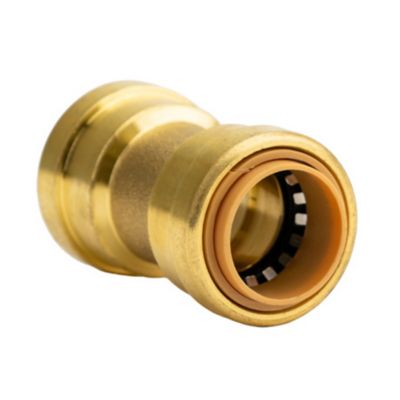
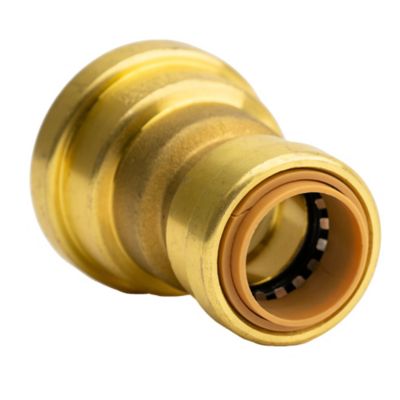
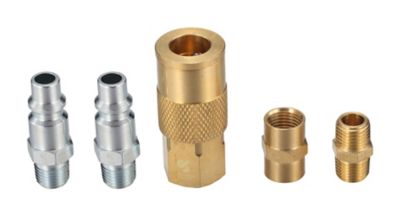
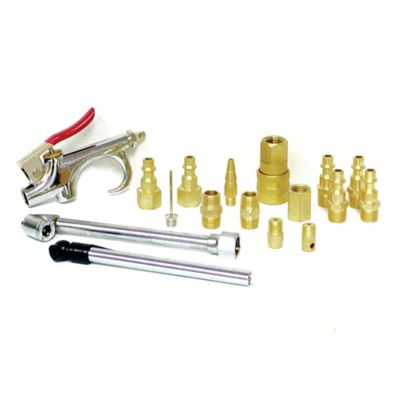
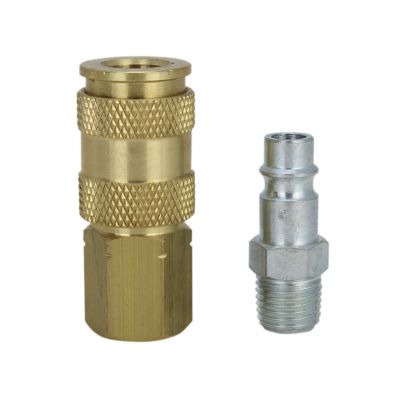
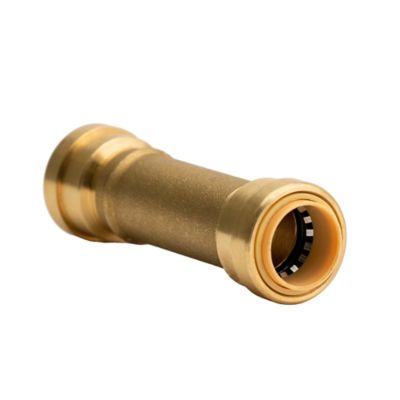
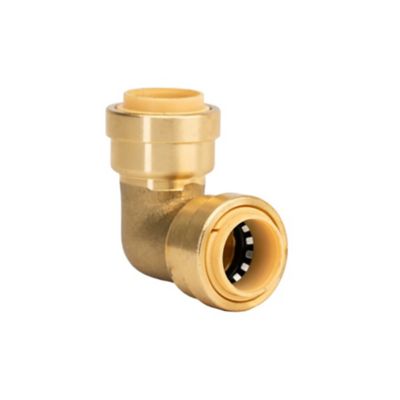
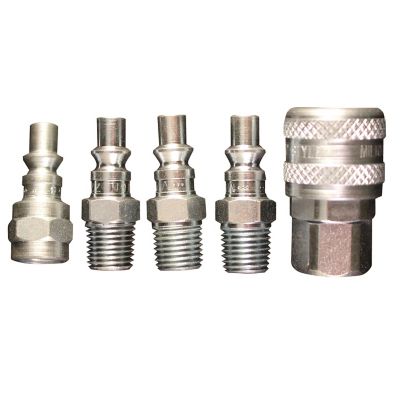
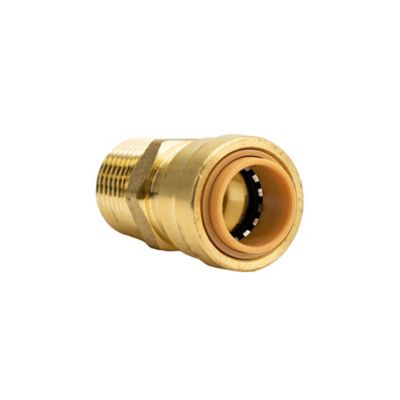
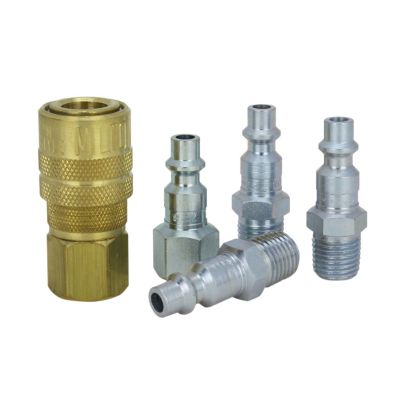
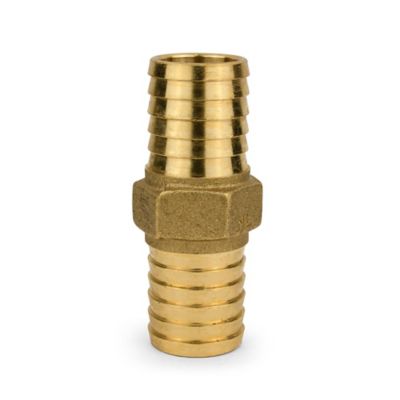
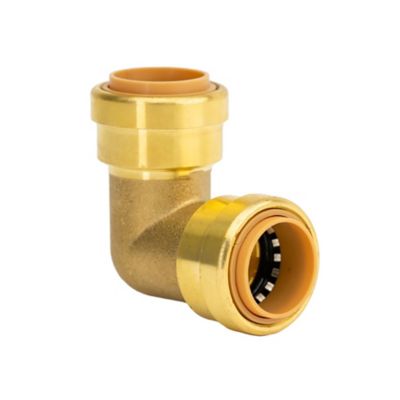
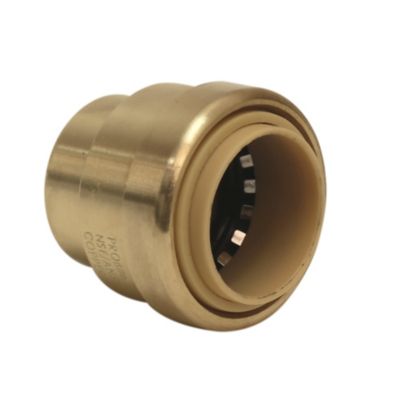
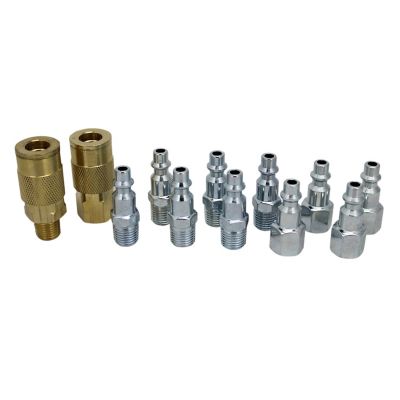
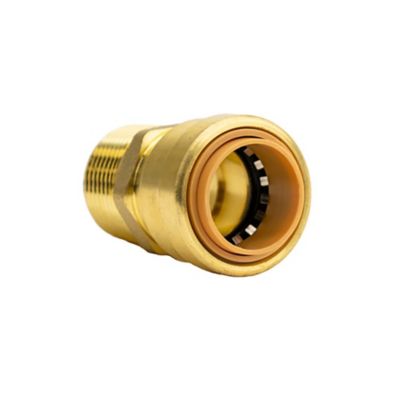
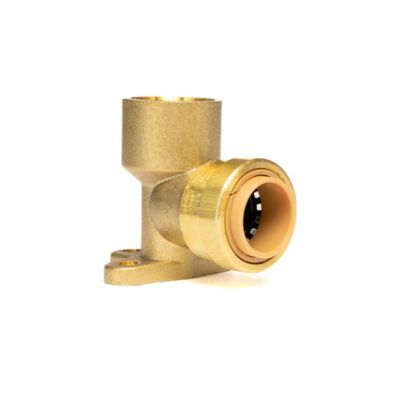
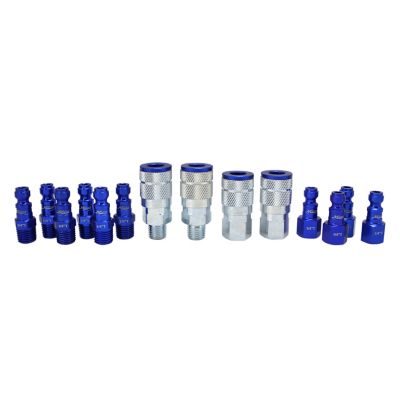
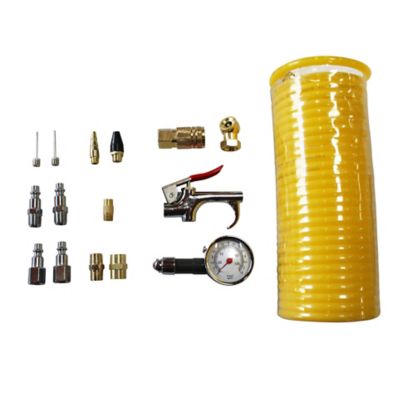
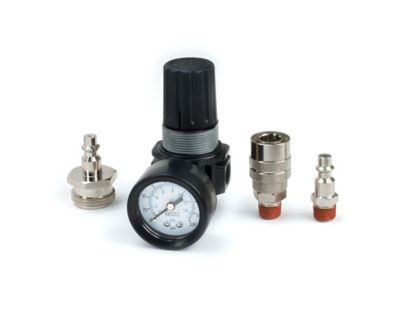
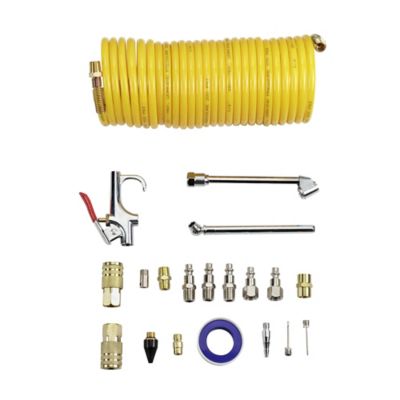
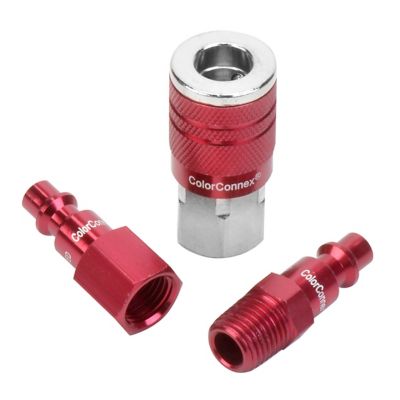
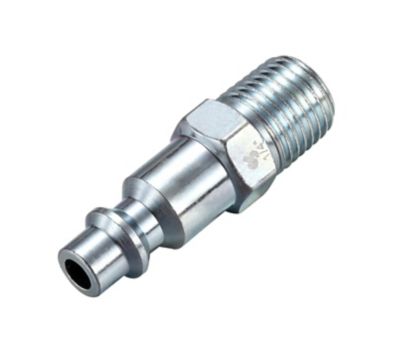
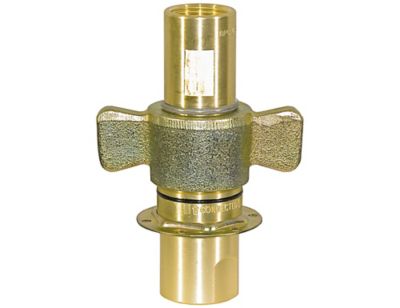
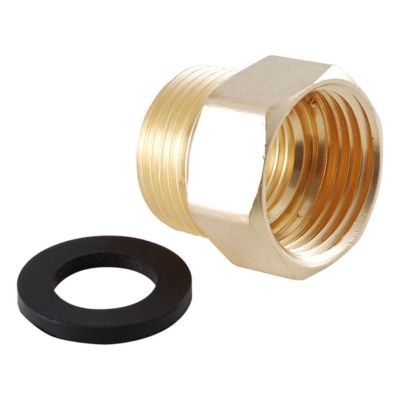
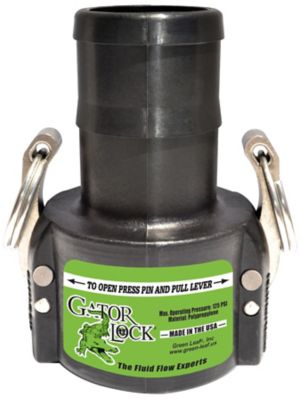
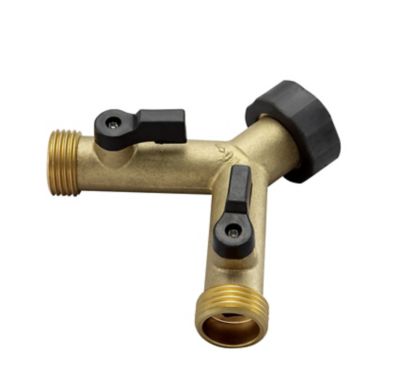
Brass couplers are handy connection pieces for bringing hoses, tubing, pipes, and other equipment together without making every setup a permanent one. In a farm shop, garage, barn, or home workshop, they can help make it easier to connect and disconnect air lines, water lines, fuel-related equipment, and other compatible systems. Brass is a popular choice because it is sturdy, easy to work with, and naturally resistant to rust, making it well suited to everyday jobs where fittings may see moisture, dust, vibration, or changing temperatures. A coupler can be especially useful when you move tools around the property, swap out hoses, or need to break down equipment for storage during the cooler months. It may also come in handy when repairing an older setup and matching a new connection to an existing brass, copper, or compatible threaded fitting. Before choosing one, take a close look at the job it needs to do. The size of the coupler, the type of threads, the connection style, and the material of the hose or pipe all need to line up. Threaded connections may be male or female, while other couplers are made for quick connections, compression-style assembly, or push-to-connect tubing. Measuring an existing fitting is helpful, but it is just as important to identify the thread standard and confirm whether the connection is straight or tapered. A fitting that looks close may still leak or fail to seat properly if the threads do not match. Keeping a few common sizes and adapters on hand can save a trip into town when a hose needs attention before chores, watering, cleaning, or equipment maintenance can continue.
When selecting brass couplers, consider what will move through the connection and the conditions around it. Air systems, water lines, fuel applications, and chemical-handling setups can each have different requirements, so check that the coupler is rated for the intended fluid or gas, operating pressure, and temperature range. For compressed air, the connection style should match the tools and hoses already in the shop, and the working pressure should be suitable for the compressor system. For water, look for a connection intended for the water service and pay attention to the pressure rating, especially when the line feeds a pump, sprayer, livestock watering setup, or outdoor cleaning equipment. If the fitting will be exposed to dirt or standing water, a dependable seal and a little routine inspection go a long way. Use the correct thread sealant for the application, applying it carefully so loose material does not enter the line, and avoid overtightening, which can damage threads or split a softer hose end. A wrench should be used on the fitting flats rather than on the body of a quick-connect mechanism. After assembly, turn the system on slowly and check for leaks before putting the line under full pressure. A small drip around a connection can become a steady spray once a pump or compressor is running. It is also wise to inspect couplers when preparing equipment for seasonal changes. Dust, grit, rust-colored residue, worn seals, and stiff connection points are signs that a fitting may need cleaning or replacement. A clean storage bin with labeled compartments for couplers, plugs, thread seal tape, and spare seals can make repairs much simpler, particularly when gloves are muddy and the daylight is fading.
Brass couplers are useful for property owners, farmers, ranchers, maintenance workers, mechanics, DIYers, and anyone who likes having the right connection ready when a repair cannot wait. They can help organize a flexible air-tool setup in a workshop, connect sections of garden or utility hose, or make it easier to remove a line from equipment that needs regular cleaning. They are also a practical addition to a tool chest for someone settling into a new home, outfitting a farm shop, or taking on projects during the cooler seasons. While they may not be the kind of item most people wrap as a stand-alone gift, a small assortment can make a thoughtful add-on for a handy friend, a new tractor owner, or a family member building a workbench. Choosing the right match matters more than buying the largest assortment. Start with the equipment already in use, note the connection sizes and thread types, and then add compatible pieces as new tools or hoses come along. For more ways to build a dependable connection setup, browse
Brass Fittings and compare related fitting styles for the job at hand. Whether you are keeping a stock tank line working, setting up an air hose near the bench, washing down equipment after a long day, or making a quick repair before evening chores, a properly matched brass coupler can help keep the work moving with less fuss.