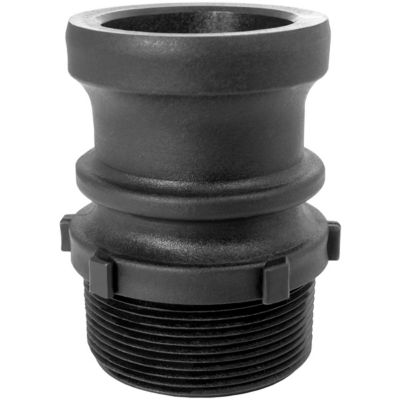
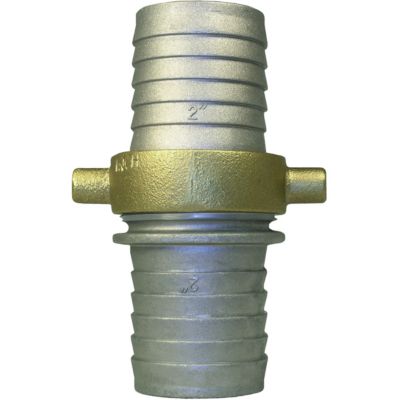
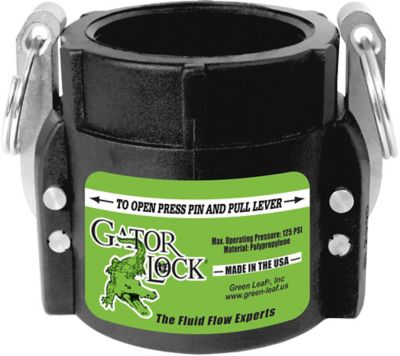
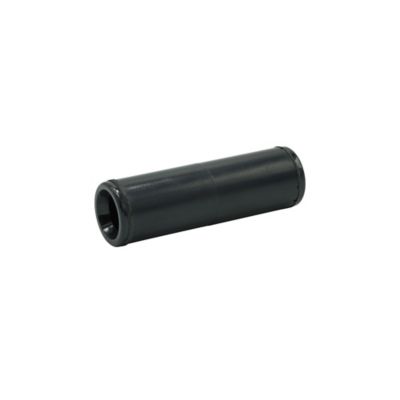
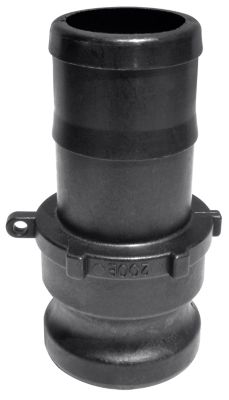
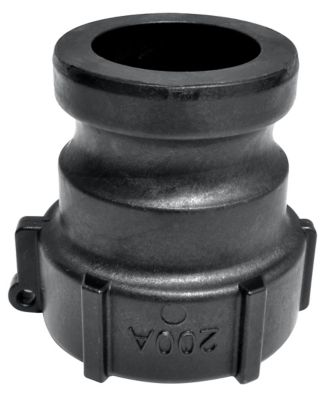
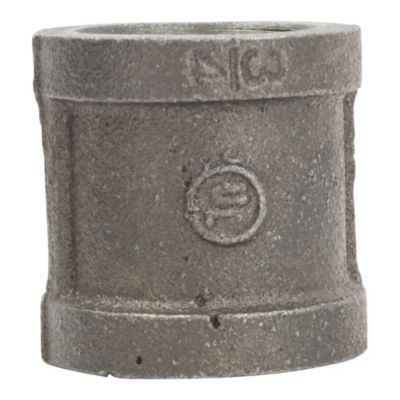
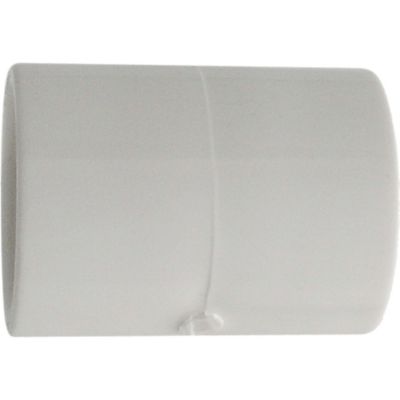
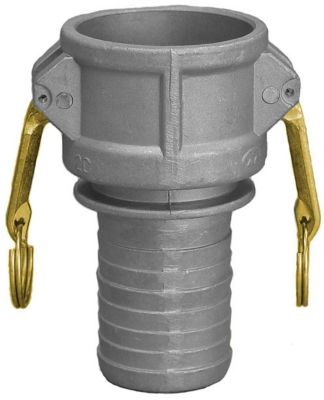
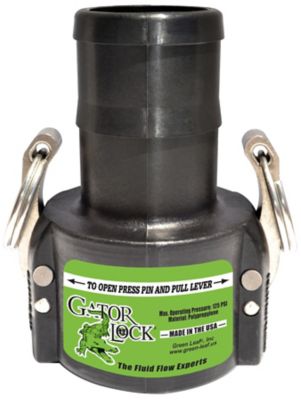
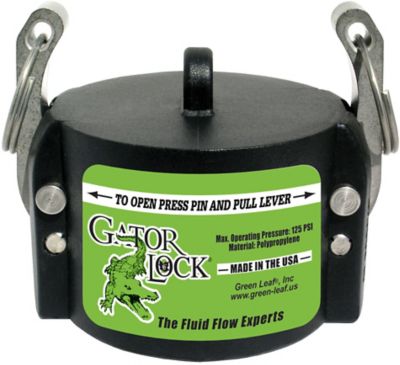
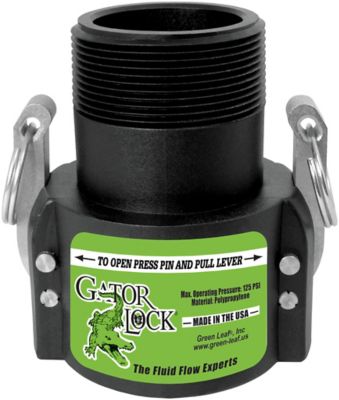
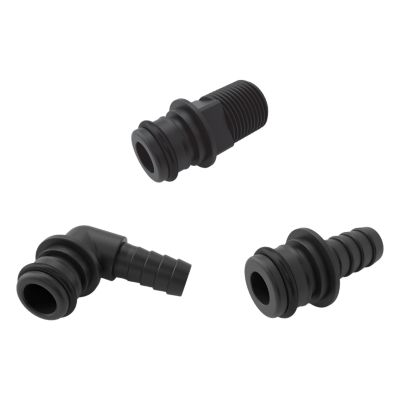
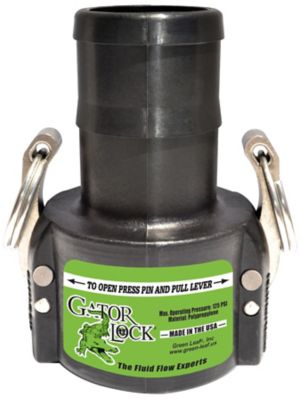
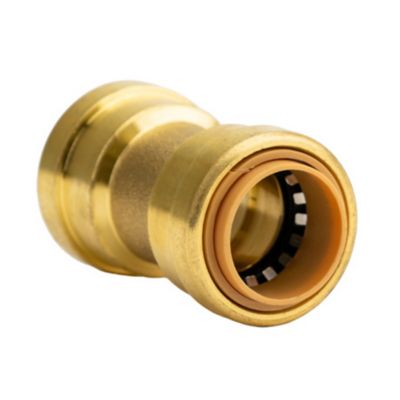
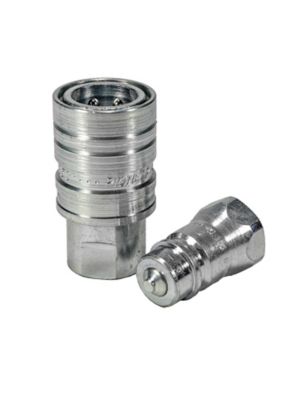
A 1/2-inch coupler joins compatible sections of pipe, tubing, hose, or fittings with a matching connection size. Depending on its design, the connection may be threaded, solvent-welded, compressed around tubing, or secured with a quick-connect mechanism. These small fittings help extend a water line, connect an air tool to its hose, or bring matching sections together during a repair. Around a farm, shop, or home, they can be part of livestock watering setups, irrigation lines, plumbing projects, and equipment service. The important detail is what the 1/2-inch measurement describes. With many pipe fittings, it is a nominal trade size rather than the exact inside or outside diameter. On a quick-connect coupler, it may refer to the port thread, the coupling body size, or another dimension specified by the manufacturer. Tubing connections may instead be sized by the tubing’s outside diameter, and irrigation tubing can have dimensions that differ between systems. Matching the label alone is not enough to confirm fit. A threaded pipe coupler commonly has female connections that accept matching male threads, while a slip coupling receives compatible pipe ends for a solvent-welded joint. Compression couplers grip tubing with their designated sealing parts, and quick-connect couplers mate with plugs of a compatible series and profile. Even when two fittings both carry a 1/2-inch marking, different thread standards or plug shapes can keep them from joining properly. NPT threads, for example, are not interchangeable with every other pipe thread type, and an air-line plug must match the coupler’s connection standard. Farmers, mechanics, plumbers, and folks tending a property all benefit from comparing the actual end connections before choosing a fitting. When a water line needs another length of pipe near a trough, or a shop hose needs a detachable connection, the right fit matches the whole system, not just the size printed on the package.
Material plays a big part in how 1/2-inch couplers handle their intended job. Brass is common in threaded water and compressed-air connections because it offers corrosion resistance and works well in many everyday service applications. For connections that call for this material, browse
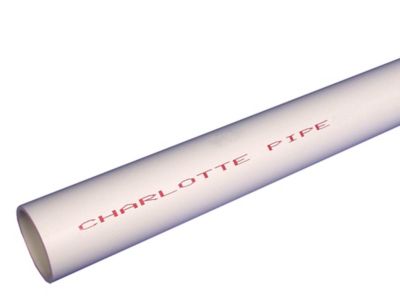
Brass Couplers with the same attention to thread type, seals, and service ratings. Stainless steel can suit applications where corrosion resistance is especially important, though the particular alloy and the fluid passing through the line still matter. Steel couplers are common in equipment and hydraulic systems, with protective finishes helping limit surface corrosion where specified. Neither a metal body nor a heavy feel establishes a fitting’s pressure rating. That rating comes from its construction, connection design, and manufacturer specifications. PVC and CPVC couplings serve compatible piping systems, including certain water applications, but each calls for the correct pipe material and joining method. Solvent cement and any required primer must match the piping system; PVC and CPVC should not be treated as interchangeable simply because the pieces look alike. Neither should be selected for compressed-air or compressed-gas piping. For polyethylene irrigation tubing, compression or purpose-built gripping connections can provide a joint without solvent cement, provided the tubing dimensions and fitting requirements line up. Drinking-water lines need fittings that meet the applicable drinking-water requirements, rather than an assumption that any water fitting will do. Hydraulic lines require couplers rated for the system’s pressure and fluid, and pneumatic couplers are not substitutes for hydraulic connections. Internal seals deserve attention, too, since seal materials respond differently to water, oils, fuels, and other fluids. The working-pressure limit of an assembled line is governed by its lowest-rated component. A sensible match accounts for the coupler, pipe or hose, mating fittings, and seals together, whether the job involves a watering line beside a stall or an equipment connection in the shop.
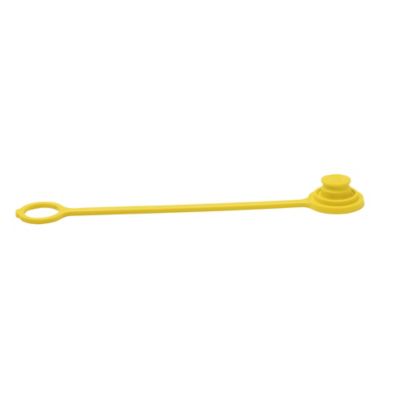
Connection style also affects everyday handling, maintenance, and flow. A fixed pipe coupling makes sense where two sections stay joined, while a compatible quick-connect fitting allows equipment or hoses to be detached when its design permits. Some quick-connect couplers have shutoff valves, but valve behavior varies, so a fitting’s specifications should explain what happens when the connection separates. A 1/2-inch port does not guarantee an unrestricted 1/2-inch passage through the fitting. Internal openings and valves can affect flow, making flow specifications worth checking when an air tool needs a steady supply or a water line serves several outlets. Installation starts with clean, undamaged mating surfaces and the joining method specified for the fitting. Pipe ends need the proper preparation for solvent welding, threaded connections need compatible threads, and compression fittings need tubing that meets their dimensional requirements. Thread sealant belongs only where the connection design calls for it; it does not replace a ferrule, gasket, or O-ring. Extra wrench force is not a cure for a mismatched connection and can crack plastic, distort sealing parts, or damage threads. Hose routing and pipe support matter as well. A coupler should not carry a hanging hose’s weight or take the strain of a line stretched around a sharp corner. Between jobs, keeping disconnected ends clean and fitting protective caps where appropriate helps keep grit out of valves and sealing surfaces. Periodic checks for cracks, corrosion, damaged threads, worn seals, and loose connections can catch trouble before a small seep becomes a bigger repair. Before opening or servicing a line, isolate its supply and relieve pressure according to the equipment instructions. Hydraulic leaks require particular caution: never feel for a leak with a hand, since pressurized fluid can penetrate skin. With the correct fit, suitable materials, and sensible care, 1/2-inch couplers help keep water, air, and fluid connections working as intended across routine property maintenance and shop work.