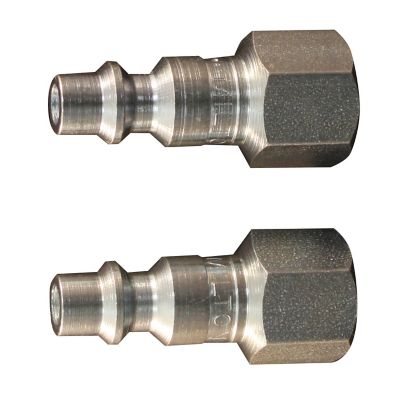
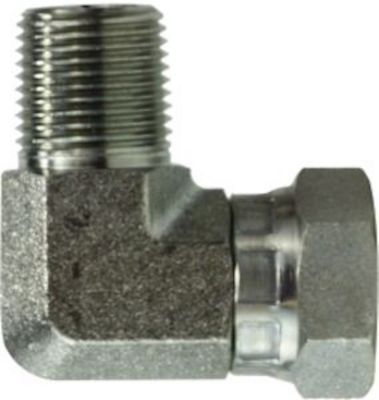
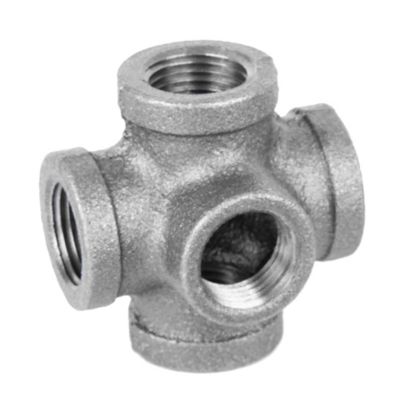
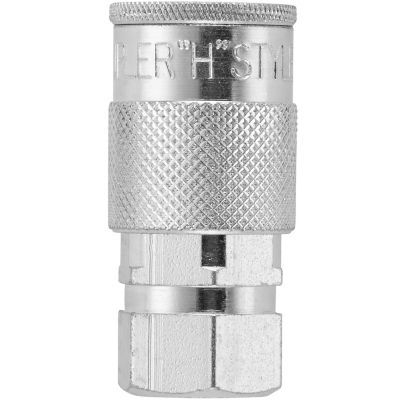
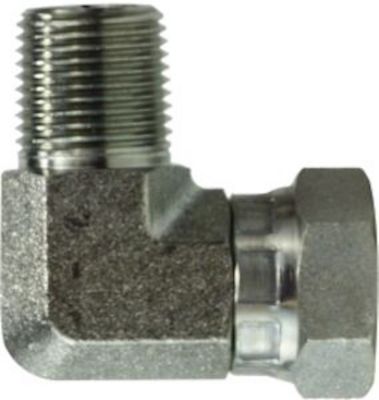
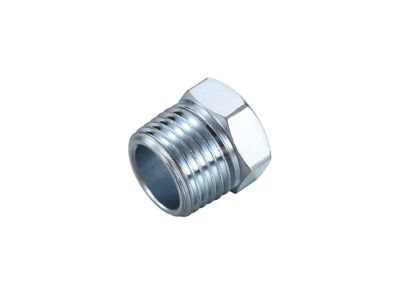
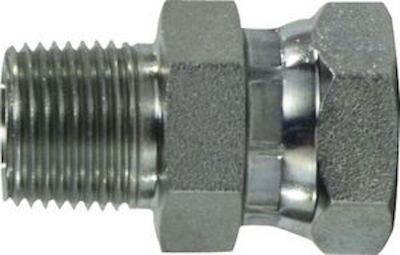
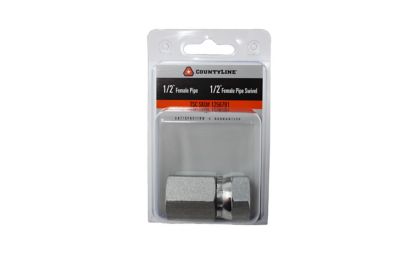
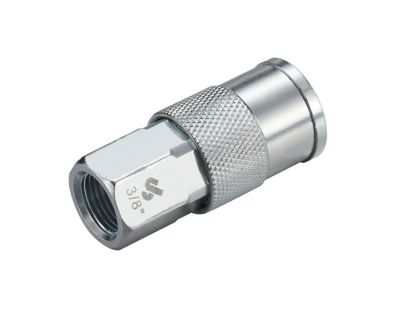
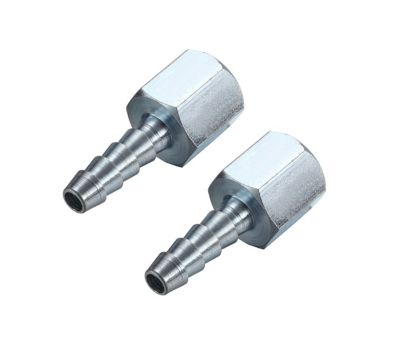
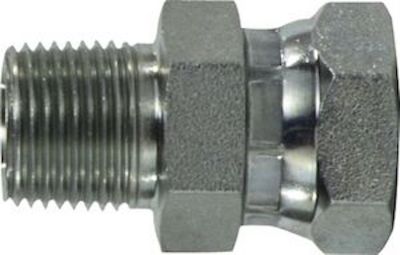
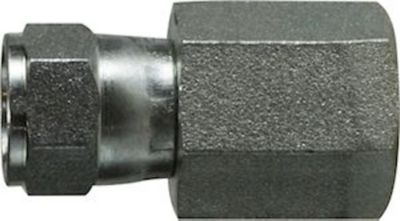
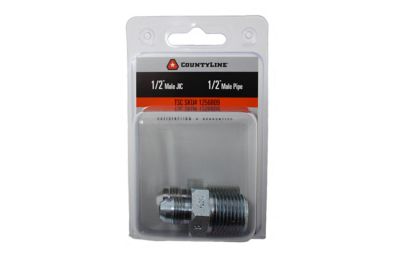
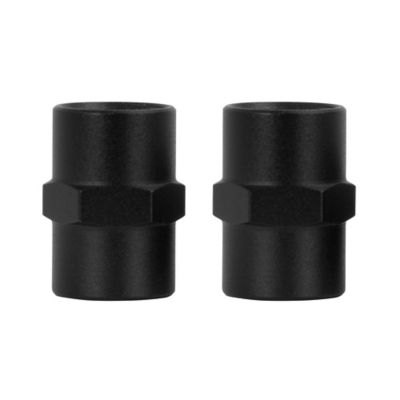
Steel fittings connect, redirect, branch, or close off sections of pipe in plumbing, compressed-air, gas, and industrial systems when rated for that service. They bring separate lengths of pipe together, carry a line around a corner, create a branch to another connection, or provide a finished end where a run stops. Around a farm, shop, or equipment shed, those connections can be part of anything from a utility water line to a compressed-air setup serving several work areas. Elbows change direction, tees create branches, couplings join pipe, and caps and plugs close openings. Unions provide a connection that can come apart for service without requiring an entire pipe run to turn. Each shape serves a practical purpose, especially where equipment, walls, and existing lines leave little room to work. Material matters just as much as shape. Carbon steel offers strength for demanding applications, while galvanized steel has a zinc coating that helps protect the underlying metal against corrosion. Stainless steel contains alloying elements that improve corrosion resistance, though the particular grade still needs to suit the fluid and surrounding conditions. Black steel does not offer the same corrosion protection as galvanized or stainless steel, and its suitability depends on the application. Steel, malleable iron, and cast iron are also different materials, even when their fittings look much alike. For farmers, ranchers, maintenance crews, plumbers, and folks keeping a home workshop running, those distinctions help narrow the choice beyond appearance alone. A compact connection behind a pump and an exposed line beside a workbench may call for different materials, layouts, or connection styles. The best match comes from the system’s requirements: what moves through the pipe, how much pressure it carries, how the piping connects, and what the fitting manufacturer permits. A fitting’s size or substantial feel cannot establish whether it belongs in a particular application.
Fit starts with more than finding an opening that looks about right. Pipe fittings typically carry a nominal size, which does not necessarily equal the outside diameter measured across the pipe. That distinction matters when matching an existing line or replacing a connection in an older barn or workshop. Thread type, male or female ends, connection size, and fitting dimensions all affect whether the parts will join as intended. National Pipe Taper threads, commonly called NPT, have a tapered form and require the sealing method specified for the application. Other thread systems may look similar without being interchangeable, so a few turns of engagement do not prove a proper match. Threaded, welded, flanged, and other connection styles also have different installation and service requirements. Some connections seal at the threads; others depend on a gasket, sealing face, or another designed sealing surface. Thread tape or pipe compound is not a universal fix for a mismatched connection. For a line carrying air, water, fuel, or another substance, compatibility includes the fitting, pipe, seals, and any sealing compound involved. Pressure ratings deserve the same attention, since the system must stay within the limits of every component. Pipe schedule describes wall thickness, but it does not establish the working-pressure rating of an entire assembly. Space is another everyday consideration. An elbow’s dimensions can determine whether a line clears a wall, while a union may make servicing a pump possible without disturbing neighboring piping. A reducer can connect different nominal sizes, although a smaller passage may affect flow. For projects involving another metal,
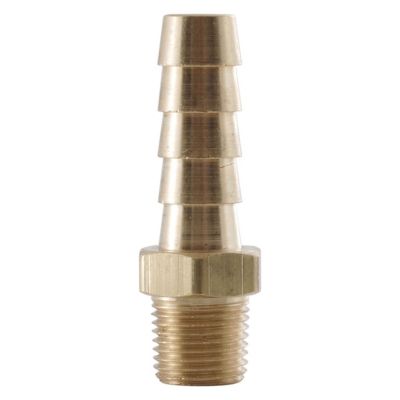
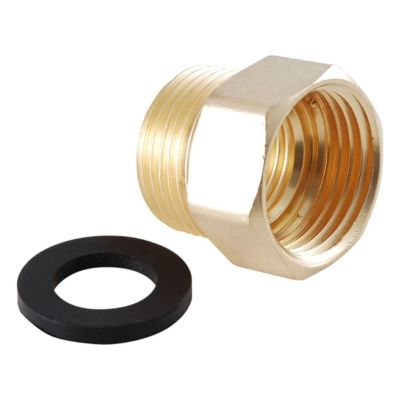
Brass Fittings provide a related category to compare, with the final choice depending on service requirements and compatibility between adjoining materials. Connections between dissimilar metals may need additional protection against galvanic corrosion. These details matter whether the job involves a short repair beside a wash sink or a longer run feeding several workstations. Getting the connection geometry and service rating right helps avoid a fitting that threads into place but does not belong in the system.
Care and long service life begin with a fitting that suits its surroundings, followed by proper installation and routine attention. Moisture, chemicals, trapped debris, and contact with incompatible metals can all contribute to corrosion or damage. A zinc coating helps protect galvanized steel, but damaged areas and exposed threads still need attention consistent with the manufacturer’s recommendations. Stainless steel also benefits from appropriate cleaning and handling; its corrosion resistance does not make every grade suitable for every chemical. Clean sealing surfaces and sound threads matter because grit, dents, and cross-threading can interfere with a secure connection. Excess force can damage threads or adjoining components rather than improve the seal. Pipe supports are important, too, especially near pumps, valves, or equipment that vibrates. A fitting should not carry the weight of a poorly supported pipe run or compensate for sections that do not line up. In a busy shop, enough clearance around a connection makes later inspection and service less of a chore. Signs such as staining around a joint, visible corrosion, seepage, or damaged threads deserve attention before a small problem interrupts the workday. A connection tucked behind a tank can be easy to overlook, which makes access worth considering when comparing fitting shapes and dimensions. Drinking-water applications require fittings that meet applicable potable-water standards, while gas piping and other regulated systems must follow local codes and any licensing requirements. Compressed-air systems likewise call for components expressly rated for that service, not assumptions based on appearance. Inspection, repair, and pressure testing belong within the manufacturer’s directions and applicable safety practices, with systems properly isolated and depressurized before work begins. Across these applications, steel fittings serve a straightforward purpose: keeping pipe runs connected in a layout that fits the job. Matching material, dimensions, connection style, and service rating gives a farm, home, or shop piping system a sound foundation for everyday work.