Stump removal tools range from shovels, mattocks and root saws for smaller jobs to powered stump grinders for larger stumps and repeated property cleanup. The right match depends on stump diameter, root spread, wood condition, access and whether the job calls for removing the root mass or reducing the stump below ground level. A small stump beside a garden bed presents a different challenge than a broad hardwood stump in the middle of a pasture. Hand tools offer control around exposed roots and in spaces where a machine may not fit, while powered equipment takes on the work of cutting a solid stump into chips. Neither approach makes every buried root disappear. Grinding generally leaves roots underground to break down over time, while digging and cutting may allow a smaller stump and part of its root system to come out together. That distinction matters when the cleared spot will become a planting bed, a fence line or a stretch of lawn. For homeowners, acreage owners, grounds crews and folks reclaiming an overgrown corner of the property, stump removal equipment earns its place by matching the work ahead rather than simply being the biggest tool in the shed. A narrow gate, nearby fence post, sloped approach or established planting can influence that match as much as the stump itself. Soil makes a difference, too: loose ground offers a different digging experience than packed clay or a rocky patch. Sound wood usually takes more cutting effort than wood that has already softened through decay, though appearances above ground do not tell the whole story. Tools for exposing roots, cutting wood and moving loosened material serve different purposes, so a well-matched setup often includes more than one tool type. Comparing those roles helps keep expectations practical, especially when a stump that looks small at the surface has roots running well beyond its edges.
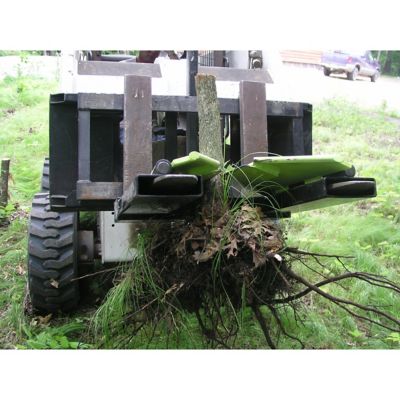
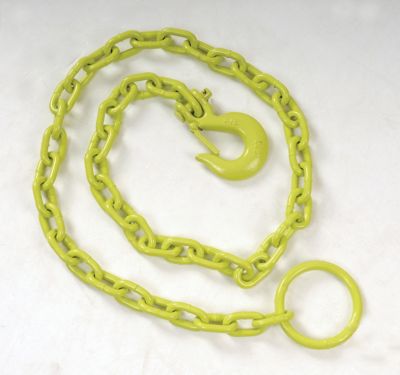
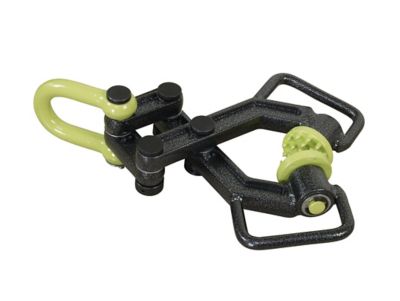
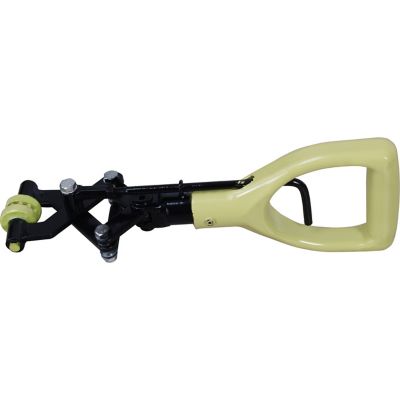
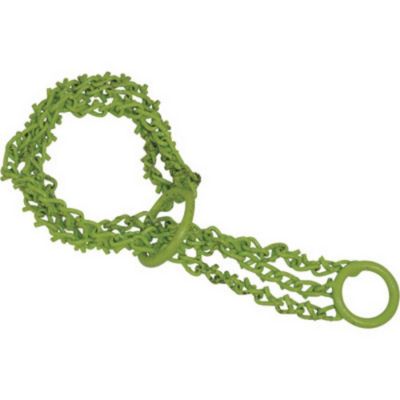
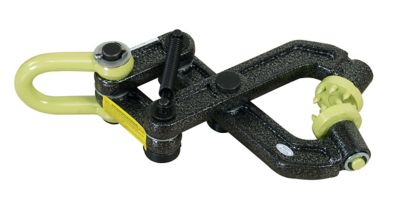
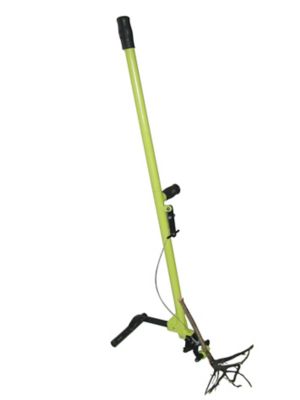
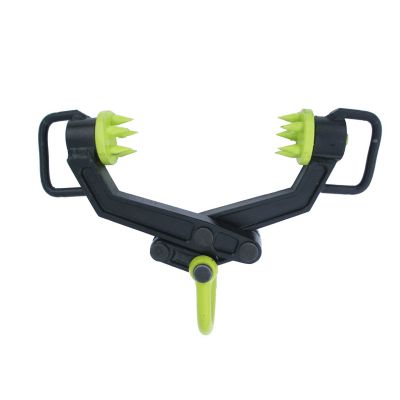
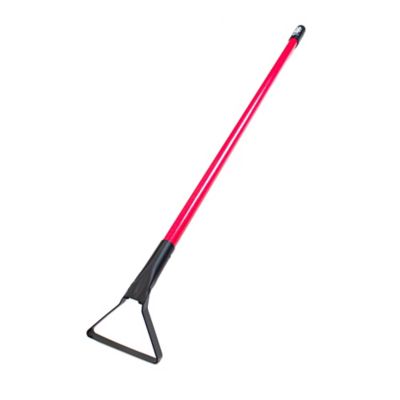
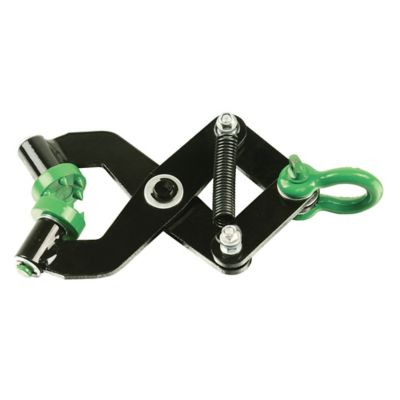
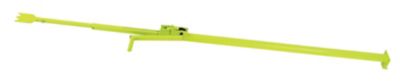
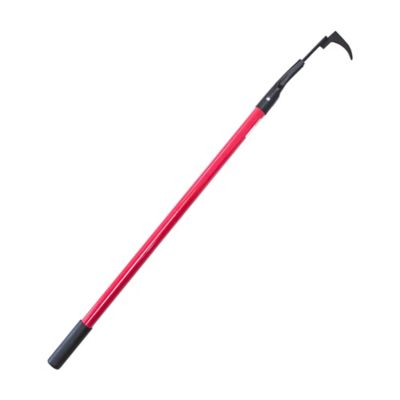
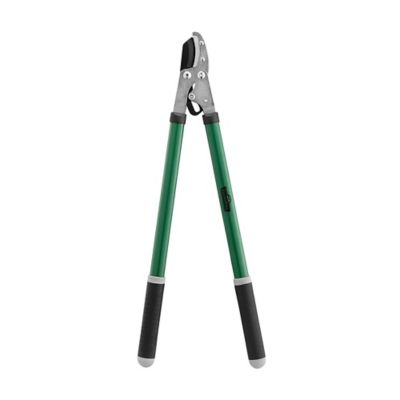
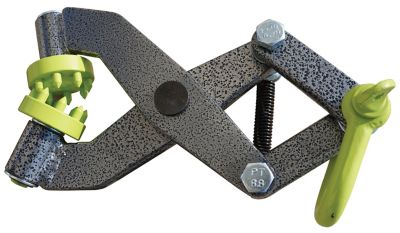
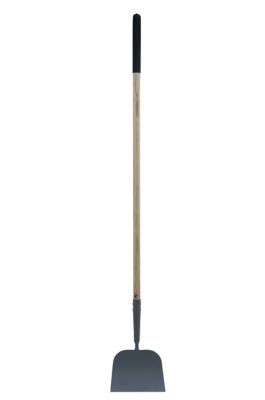
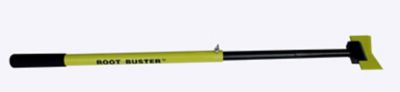
Manual stump removal tools suit smaller stumps, accessible roots and jobs where controlled digging matters more than speed. A digging shovel opens space around the root crown and moves soil, while a spade’s straighter edge can help define a tighter digging area. Blade shape, foot steps and handle length all affect how a shovel feels through repeated work. A mattock combines chopping and digging functions, with head designs that may include an adze-style blade, a pick or an axe-style blade. Those shapes are not interchangeable in every situation: some favor loosening compacted ground, while others are intended for cutting roots. A digging bar offers leverage and concentrated force within its intended application, but it is not a substitute for equipment rated to lift or pull a heavy stump. Root saws and pruning saws can handle exposed woody roots when their blade design suits the task; contact with dirt and stones can dull cutting edges quickly. For small woody stems, a leverage-style puller may grip the stem near ground level and help lift the root mass, with capacity determined by the tool’s design, soil resistance and root structure. Material choices matter across these tool types. Steel heads and blades need enough strength for the intended work, and a secure head-to-handle connection deserves close attention on striking tools. Wood handles offer a familiar feel and can be checked for splits, while fiberglass handles call for inspection for cracks or other damage. Grip shape, shaft length and overall weight affect control, especially when the work involves reaching around a stump or lifting soil out of a narrow opening. A heavier tool may deliver more force, but extra weight also adds effort with every swing. For someone maintaining a few acres or tackling an occasional yard project, comfortable proportions and a manageable swing can matter more than sheer heft. Work gloves with a secure grip and task-appropriate eye protection belong alongside the digging and cutting equipment, not as an afterthought.
For medium to large stumps or several removal jobs around a property,
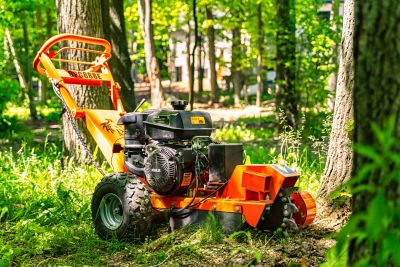
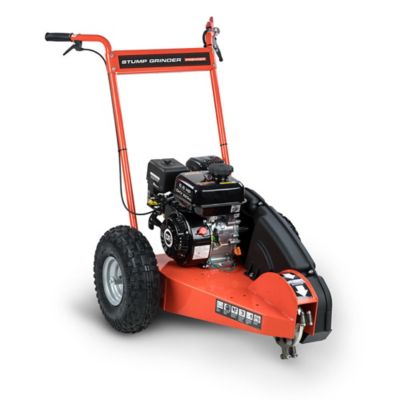
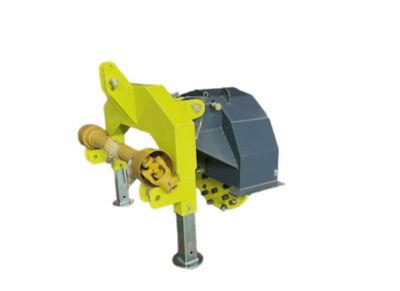
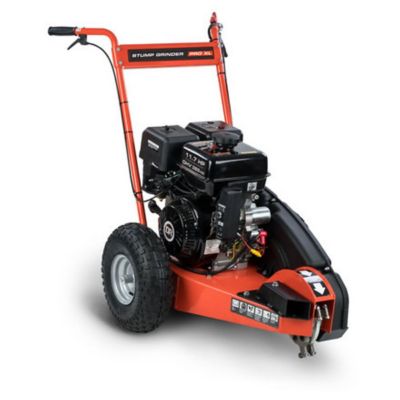
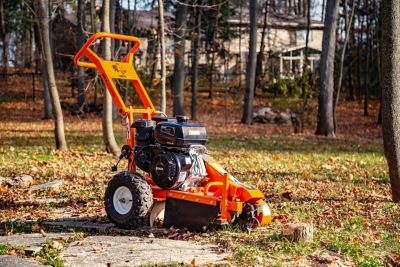
stump grinders offer a powered way to reduce wood without digging out the entire root system. A rotating cutting wheel fitted with teeth chips away at the stump, with cutting depth and reach depending on the machine. Carbide-tipped teeth are common, but tooth condition, wheel design and the equipment’s operating limits all influence performance. Engine output alone does not describe how a grinder will handle a job. Overall width matters at gates, wheel size affects maneuvering, and machine weight influences handling and transport. Cutting height and below-ground cutting depth help determine whether the equipment suits a low stump in a lawn or a taller remaining trunk section. Controls that are easy to reach, clear sightlines to the work area and guards in good condition also deserve attention. A grinder removes wood, not buried hazards, so underground utilities, irrigation lines, rocks and metal embedded in an old fence-line stump require consideration before work begins. Utility locating through 811 and any additional locating needed for private lines are important when ground disturbance is involved. Flying chips and loud operation also make the manufacturer’s clearance requirements, eye and hearing protection, and separation from bystanders and animals essential. Beyond the cutting work, ownership includes keeping teeth, fasteners, shields and drive components in the condition specified by the manufacturer. Hand tools benefit from removing packed soil, drying metal surfaces and maintaining edges according to their intended purpose; powered equipment adds engine and cutting-system service requirements. Access to compatible replacement teeth and other wear parts matters for equipment expected to handle repeated jobs. The finished area needs attention as well, since grinding leaves a mix of wood chips and soil rather than a ready-to-plant surface, and remaining roots can leave settling spots as they decay. Whether the goal is easier mowing beside the barn, clearing room for a garden or tidying a property boundary, tools matched to the stump and the site help turn a stubborn obstacle into manageable work.