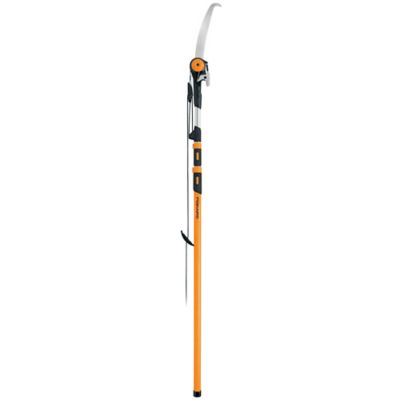
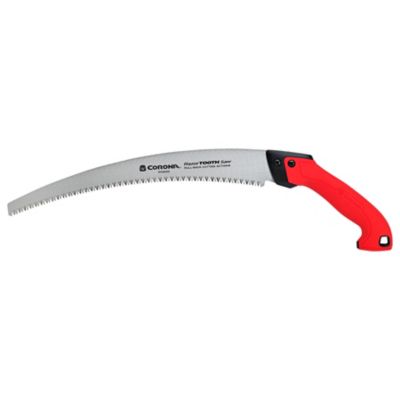
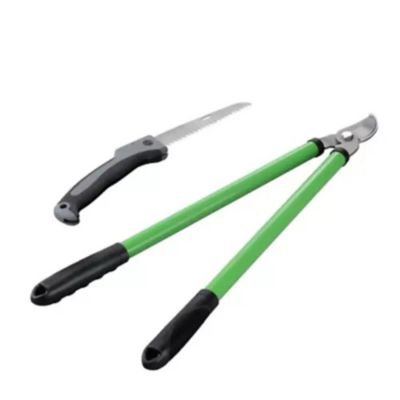
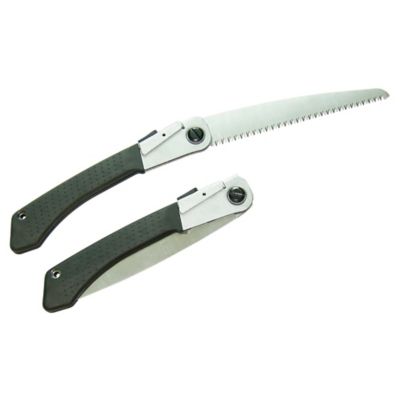
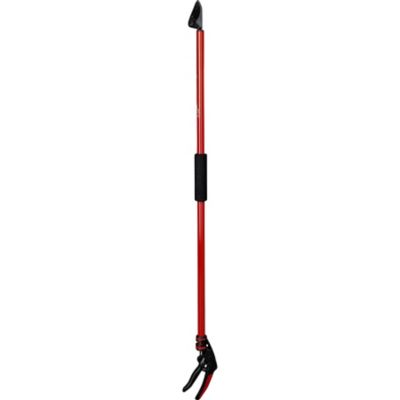
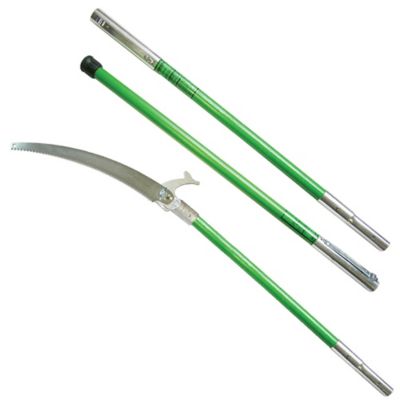
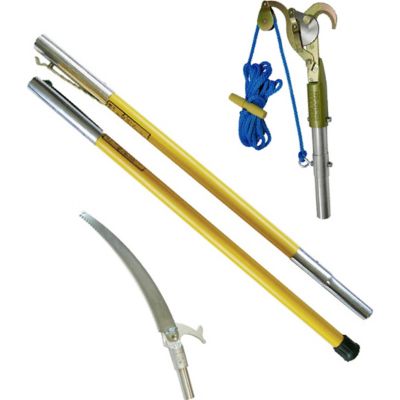
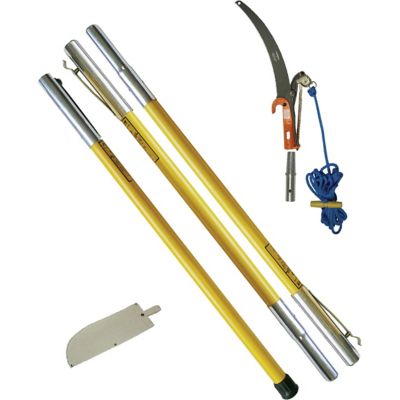
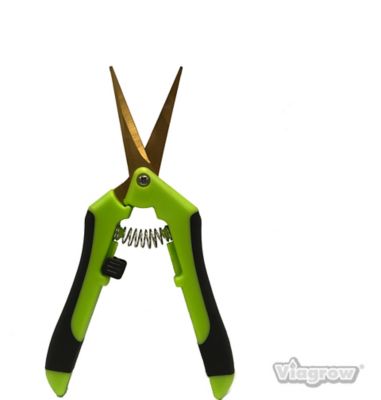
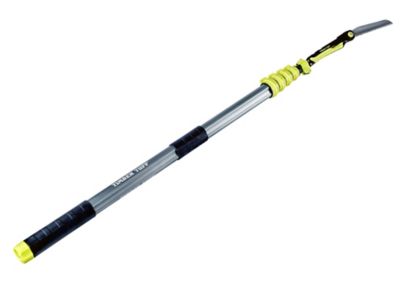
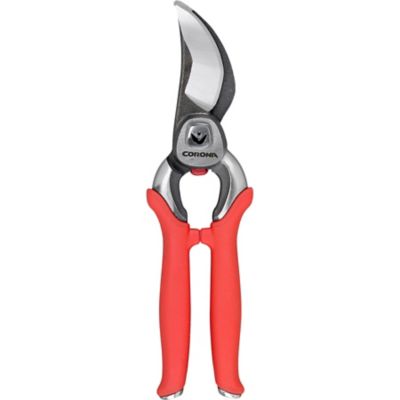
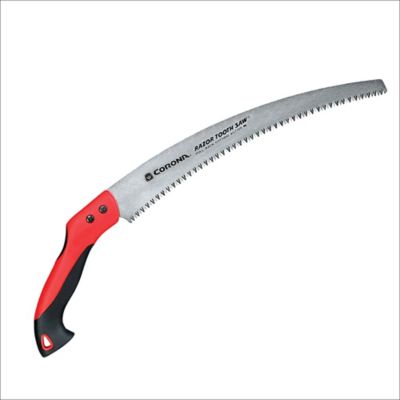
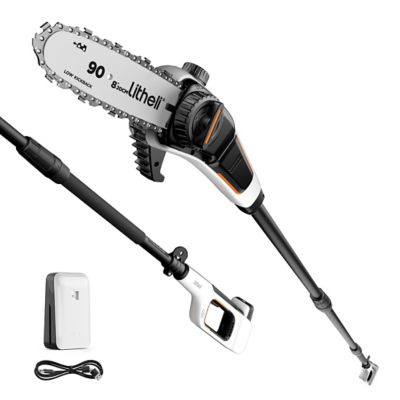
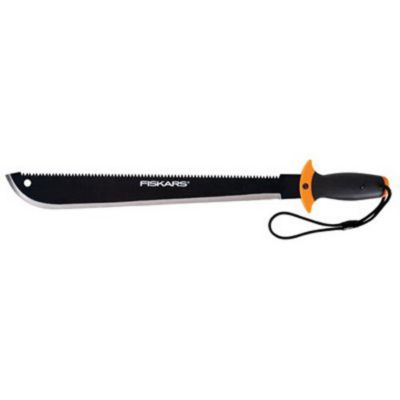
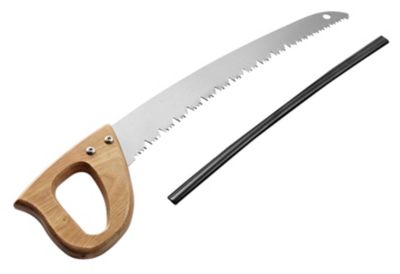
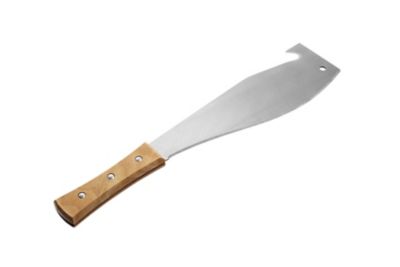
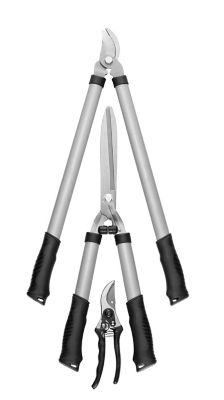
Bush pruning tools help keep everything from front-yard shrubs to fence-line growth looking manageable and healthy. The right tool depends mostly on what you’re cutting, how much ground you need to cover, and how thick the stems have become. For a few single stems, small pruning shears make quick work of fresh growth, dead twigs, and light shaping. They’re handy to keep in a pocket or tool tote when you’re walking the property and spot a branch rubbing against a gate or leaning into a walkway. Hedge shears, with their longer blades, are a better fit for trimming soft, leafy bushes and maintaining a clean, even outline across a hedge. They work especially well when you’re making light passes over a broad surface instead of cutting through heavy wood. For larger branches, long-handled loppers provide extra reach and leverage, helping you cut thicker stems without bending down or putting all the strain in your hands. If a shrub has gotten away from you during a busy growing season, loppers can help open it up a section at a time. Before choosing, take a close look at the plants you plan to prune. Green, flexible stems call for a different tool than dry, woody branches, thorny canes, or young saplings. A clean, sharp cutting edge usually leaves a smoother cut that heals more readily, while a tool that is too light for the job can crush stems, wear out quickly, or turn a simple afternoon chore into a tiring one.
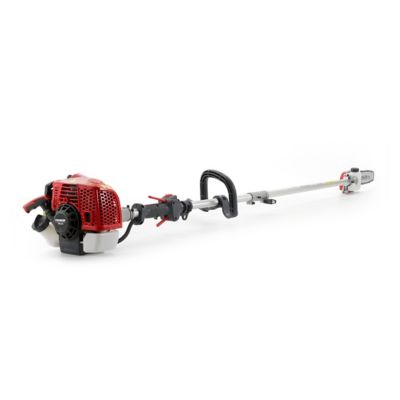
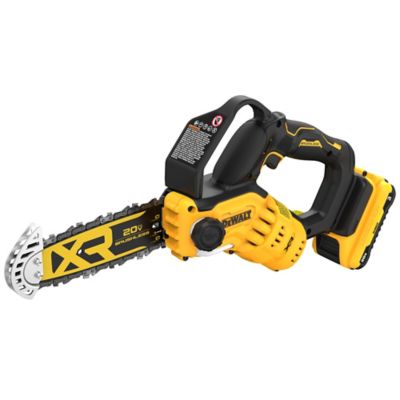
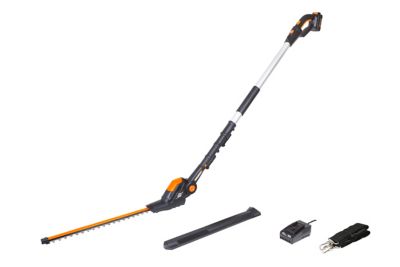
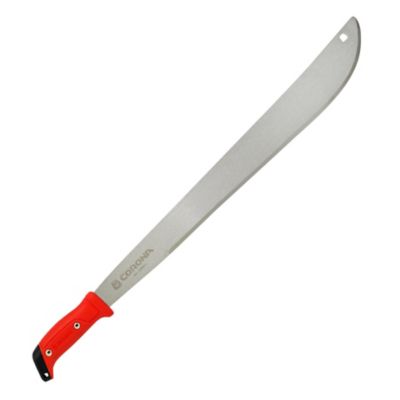
Powered bush pruning tools are useful when the job covers a long hedge, a row of shrubs, or a patch of brush that would take hours with hand clippers. Corded electric tools can be a practical choice near an outdoor outlet, while battery-powered models offer more freedom for moving around a yard, pasture edge, driveway, or outbuilding. Look for a comfortable grip, balanced weight, an easy-to-reach control, and a cutting length that matches the work in front of you. A shorter cutting head can feel nimble around ornamental shrubs and tight corners; a longer one can cover more hedge with each pass. Battery systems are convenient for routine property maintenance, especially when you already use compatible equipment, but it’s worth checking run time, charging needs, and whether an extra battery will be useful for larger jobs. Gas-powered brush cutters and clearing saws are suited to dense, neglected growth, including woody briars, tall weeds, thick vines, and small saplings along a field, drainage ditch, or fence row. These heavier tools may use a metal blade or other cutting attachment rather than a hedge-style blade, making them better for clearing rough vegetation than for shaping a neat landscape shrub. Match the attachment to the material being cut, and avoid forcing a tool beyond its stated capacity. The
Hedge Trimmer For Bushes selection can help when your main goal is routine trimming and shaping around the home. For any powered option, consider noise, fuel or charging requirements, vibration, storage space, and the amount of maintenance you’re willing to handle. A tool that feels natural in your hands and fits the size of your property is more likely to get used regularly, which goes a long way toward keeping brush from becoming a bigger problem.
Bush pruning tools are useful for homeowners, gardeners, landowners, and anyone caring for a rural property where growth can quickly spill over a fence or narrow a path. They can also make a thoughtful gift for a new homeowner, someone settling into a homestead, or a neighbor who takes pride in tidy hedges and well-kept lanes. During the cooler months, many plants slow down, making it easier to see the structure of bare branches and decide what needs attention; always follow the pruning needs of the specific plant and avoid cutting when branches are frozen or brittle. In warmer weather, light trimming can help keep walkways clear and maintain the shape of fast-growing bushes, while heavier clearing may be best handled when conditions are dry and visibility is good. Keep safety at the center of every job. Wear sturdy gloves, eye protection, long pants, and closed-toe boots, and use hearing protection with loud powered equipment. Check for hidden wire, stones, fencing, and wildlife before cutting through brush, and keep bystanders and pets away from the work area. Inspect blades, guards, handles, cords, fuel lines, and batteries before use, then clean and store tools out of the weather when the work is finished. Cutting with a steady motion and taking regular breaks is easier on your hands, shoulders, and back than trying to muscle through an overgrown patch all at once. For clean results, remove damaged or crossing growth first, step back often to check the overall shape, and avoid taking off more than the plant can reasonably handle. Whether you’re giving a hedge a tidy edge, opening up an old shrub, or reclaiming a brushy stretch beside the barn, choosing a bush pruning tool suited to the stems and the size of the job makes the work safer, faster, and far more satisfying.