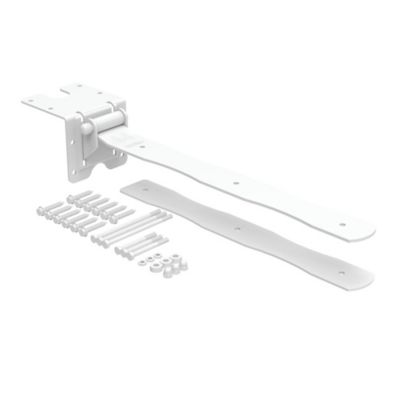
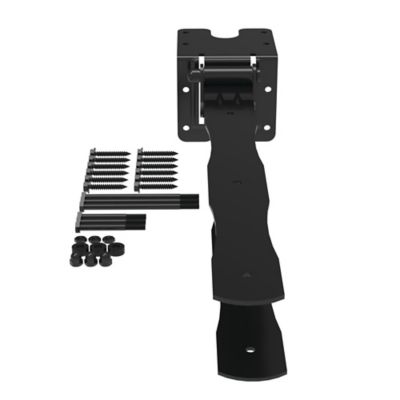
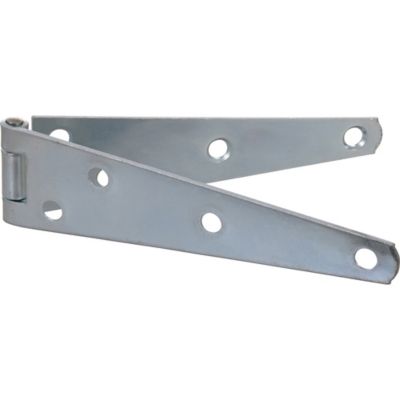
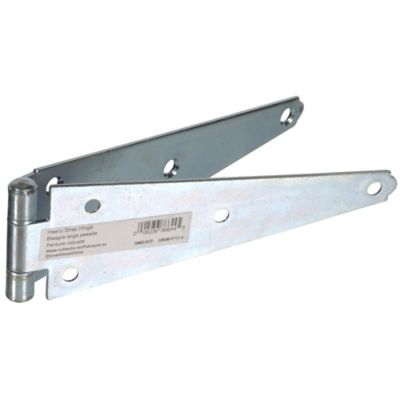
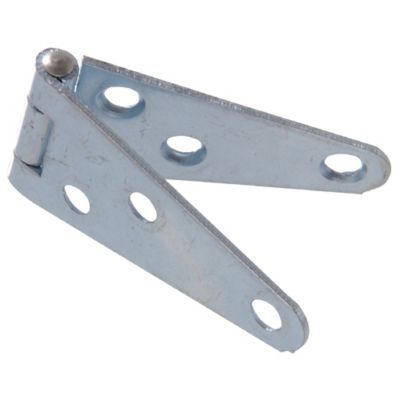
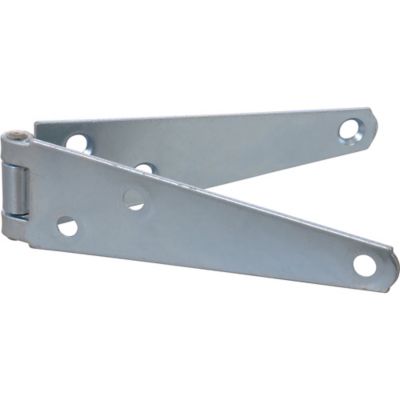
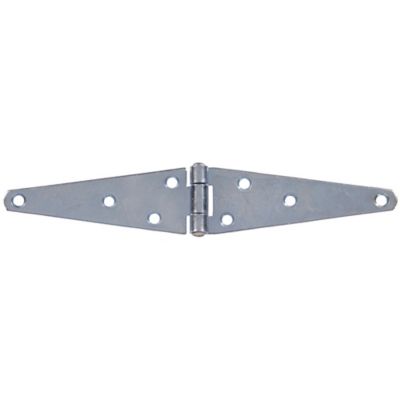
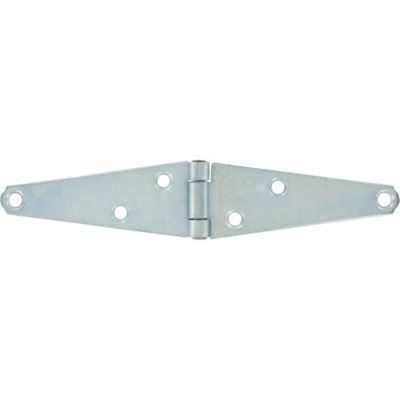
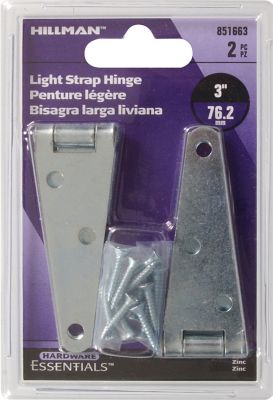
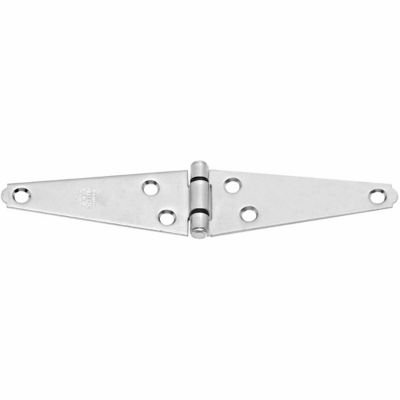
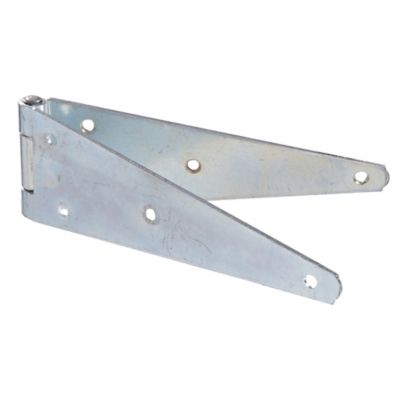
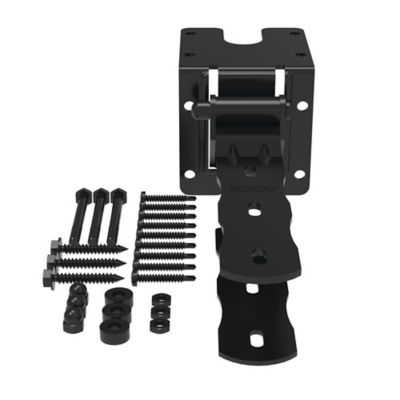
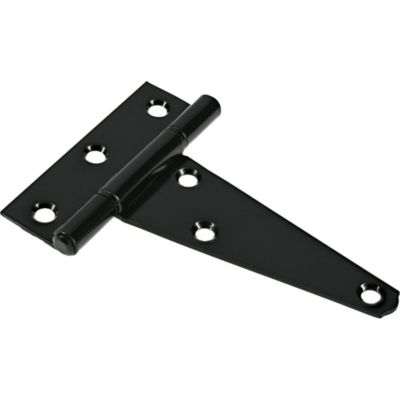
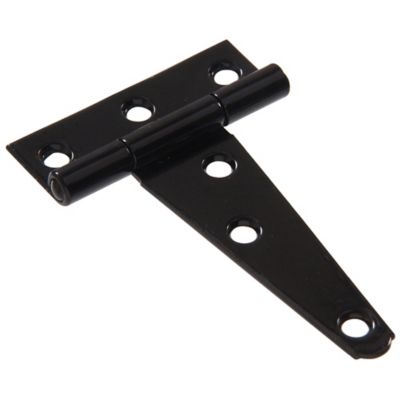
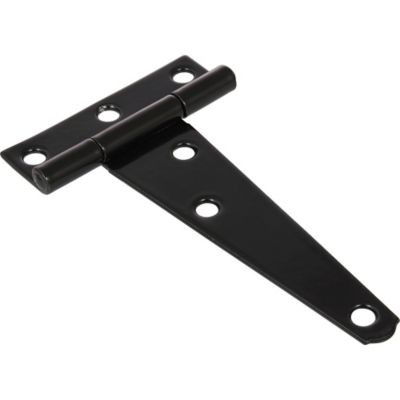
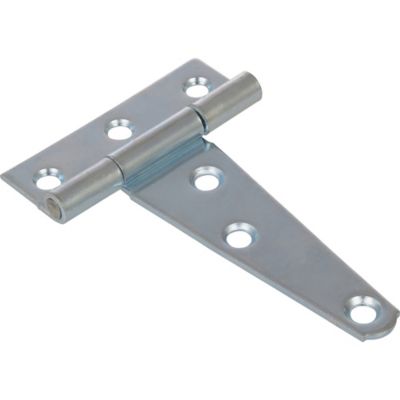
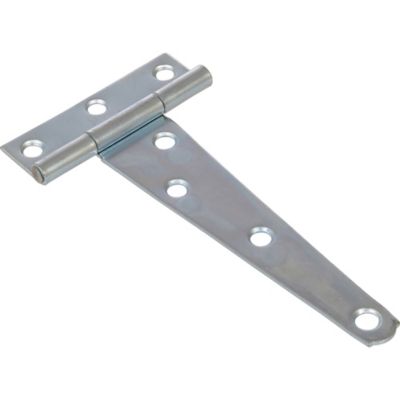
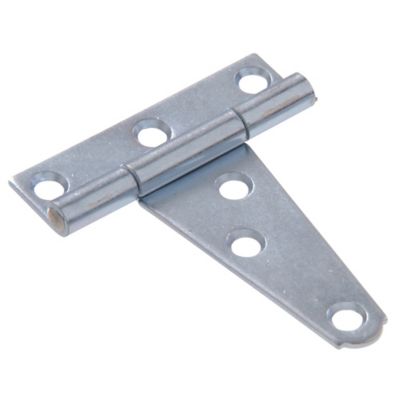
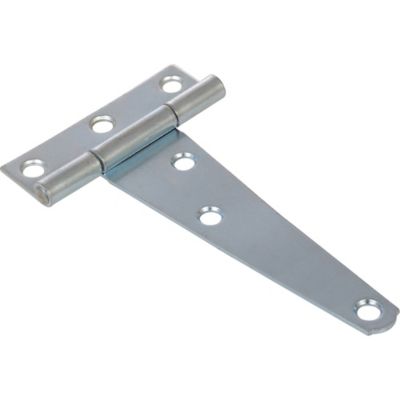
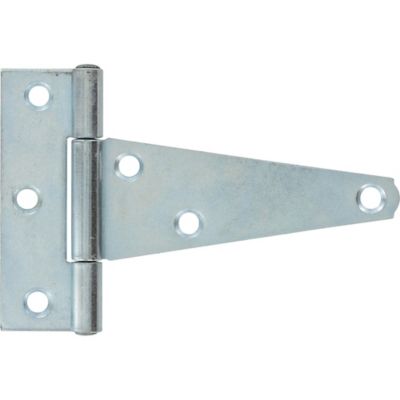
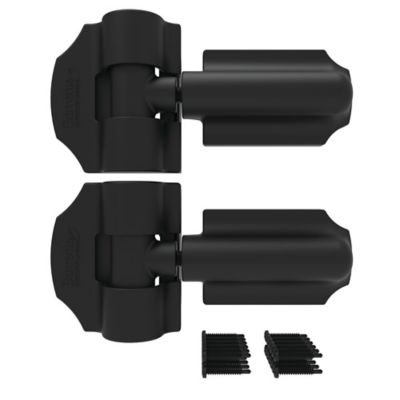
Strap hinges are surface-mounted hinges with one or two long, narrow metal leaves that extend across the face of a gate, door, cabinet, or lid. The leaves connect at a pivot pin, allowing the attached panel to swing while spreading fastening points along its surface. That extended shape makes strap hinges a familiar choice for barn doors, pasture gates, shed doors, storage chests, and other projects where a broad mounting footprint makes sense. On a plank door, the strap may reach across several boards or follow a horizontal rail, tying the hinge placement into the door’s construction. On a small tack-room cabinet, a shorter strap can provide the same straightforward look without overwhelming the door face. Long straps, exposed fasteners, and tapered ends give this hardware a working-farm character, while rectangular leaves and simple finishes suit plain utility spaces just as well. Shape matters, but so does the structure underneath. A long hinge leaf needs sound material behind its fasteners; a strap reaching across thin siding does not provide the same support as one secured into a solid rail. For shoppers comparing strap hinges, useful measurements include leaf length, leaf width, metal thickness, hole spacing, and the size of the hinge barrel. The listed length may describe an individual leaf or another overall dimension, so the dimension drawing matters as much as the name. A replacement hinge also needs to suit the existing door and frame without leaving mounting holes too close to a board edge. Matching an old hole pattern can simplify a repair, but only when the surrounding wood remains firm. Whether the project is a feed-room door that opens several times a day or a chest lid that lifts occasionally, the best fit comes from matching the hinge’s dimensions and mounting arrangement to the job, not simply choosing the longest strap. Clearance for nearby trim, latches, and handles also helps determine how comfortably the whole assembly will work.
Material and construction influence how strap hinges handle their workload over time. Steel provides strength for many gate and door applications, with zinc plating, galvanizing, paint, or other coatings helping protect the surface from corrosion. Stainless steel offers corrosion resistance without relying solely on a surface coating, although its performance still depends on the alloy and the conditions around it. Moisture from washing, livestock areas, and contact with certain chemicals can affect hardware, making the finish and fastener material worth considering together. A black finish can blend with dark gate hardware or stand out against light wood, while a zinc-colored finish keeps the appearance simple and functional. Finish alone, however, does not tell the whole story about carrying capacity. Leaf thickness, barrel construction, pin diameter, fastening method, and the supporting frame all contribute to how a hinge performs. A wide gate places leverage on its hinges differently than a narrow door of the same weight, so panel width belongs alongside weight when comparing load ratings. Any stated capacity also depends on the maker’s mounting requirements and the number of hinges in the assembly. Adding another hinge does not automatically correct a weak post or an unsupported gate frame. Solid bracing and a firm attachment point help keep the latch edge from dropping and dragging. Fasteners need attention, too: screws require enough purchase in sound material, while through-bolts and washers can provide a suitable connection where the hinge design and door construction permit them. Hardware that is too long can protrude into a stall or storage space; hardware that is too short may not secure the leaf properly. The pivot location also affects fit. Flat and offset arrangements accommodate different relationships between the door face and its frame, and the opening path must leave room for posts, trim, and nearby walls. A hinge that looks right lying on a workbench still needs the proper geometry once attached to the door. Matching the hinge layout to that space helps prevent rubbing, binding, and an awkward opening.
Day-to-day use is where a well-matched set of strap hinges earns its place. A gate between a feed area and a livestock pen needs enough clearance to swing freely, but hinge hardware alone does not determine whether the enclosure will contain animals. Latch placement, gate spacing, post condition, and the rest of the enclosure matter as well. On a tool shed, a smoothly moving door makes it easier to carry a shovel or a bag of feed through without wrestling the panel. For a storage chest, hinge placement affects lid travel, and a separate lid support may be necessary to prevent an unexpected drop. Smaller woodworking projects can call for a different mounting arrangement;
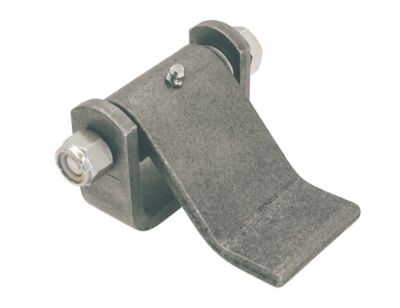
Wrap Hinges have a leaf that wraps around part of a cabinet frame rather than extending as a long strap across the door face. With strap hinges, routine care centers on clean pivot points, secure fasteners, and sound mounting surfaces. Packed dirt and bedding around the barrel can interfere with movement, while a loose screw may let the leaf shift and enlarge its mounting hole. Lubrication should follow the hinge maker’s recommendations, with excess wiped away so it does not collect grit or mark nearby surfaces. Protective finishes also benefit from occasional inspection, especially around fastener heads and edges where contact can expose the metal underneath. A door that begins scraping or needs lifting to latch may have loose hardware, a worn pivot, a weakened rail, or a moving post; replacing the hinge alone may not address the cause. Removable-pin designs can make panel removal easier when their construction allows it, while fixed-pin designs keep the pivot assembled during ordinary handling. For any application, practical details such as accessible fasteners, suitable swing clearance, and a finish suited to the surroundings help narrow the choice. The result should be straightforward: a gate, door, or lid that moves as intended and hardware that fits the way the space gets worked every day.