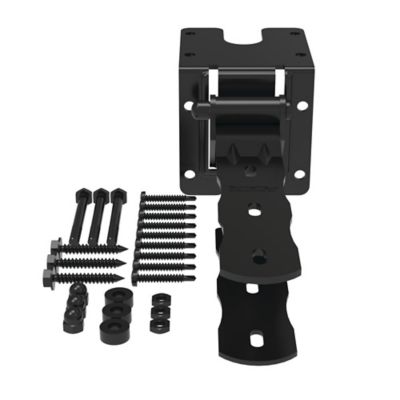
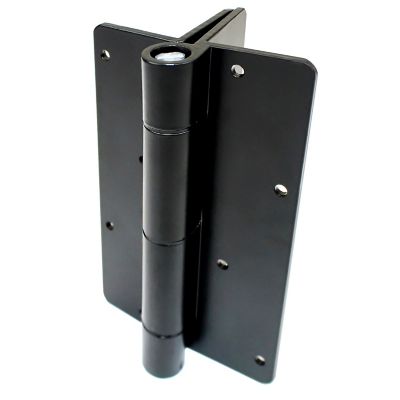
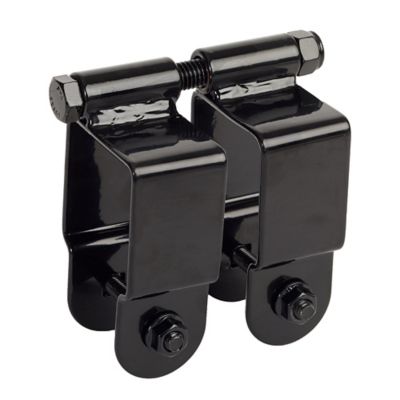
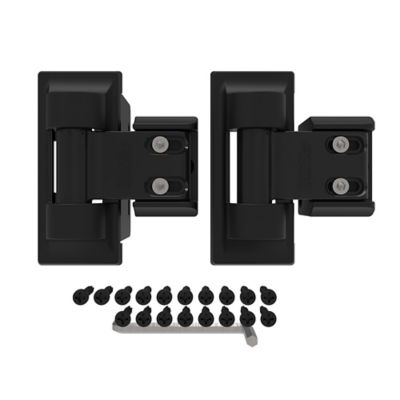
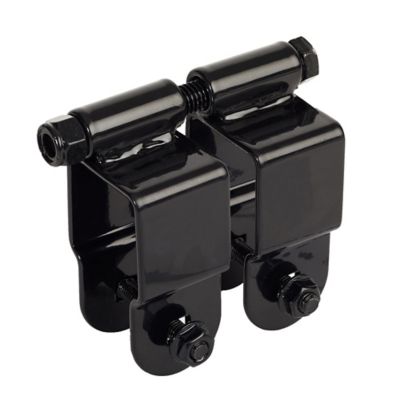
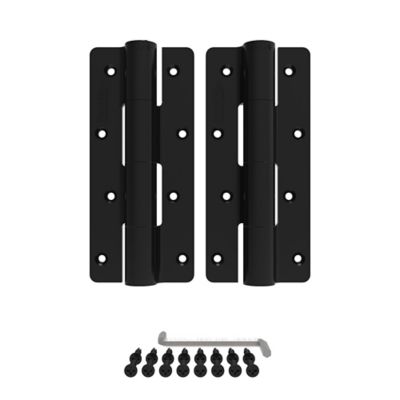
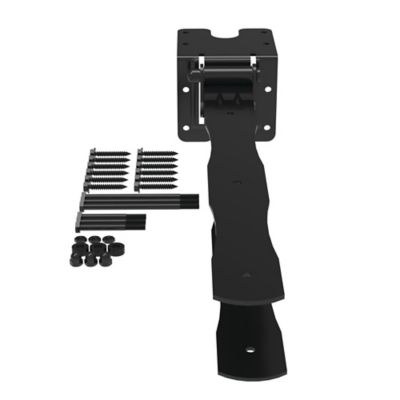
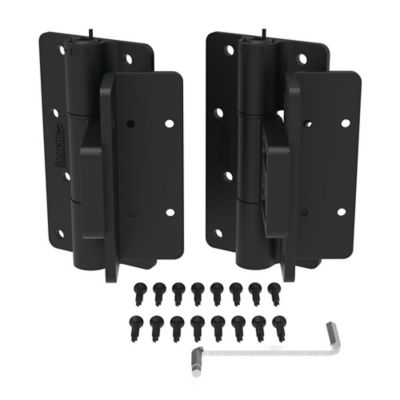
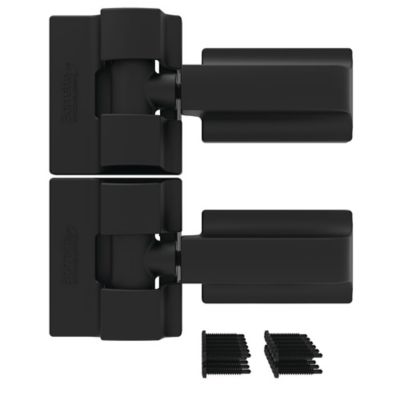
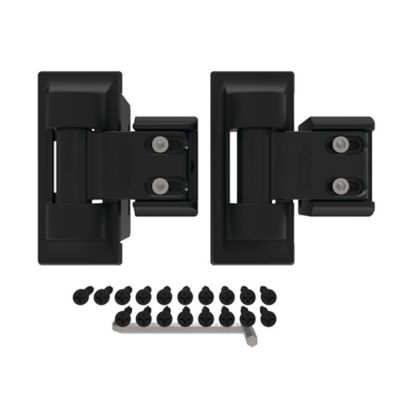
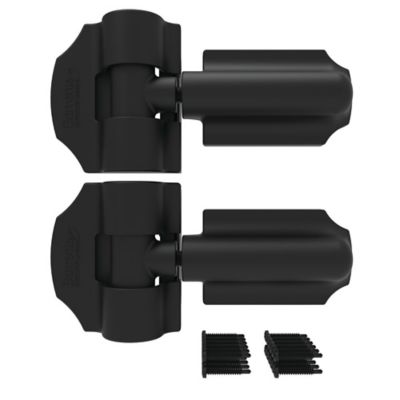
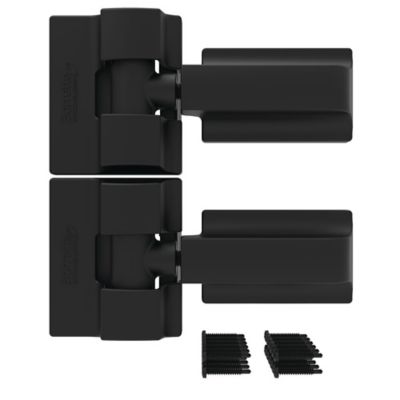
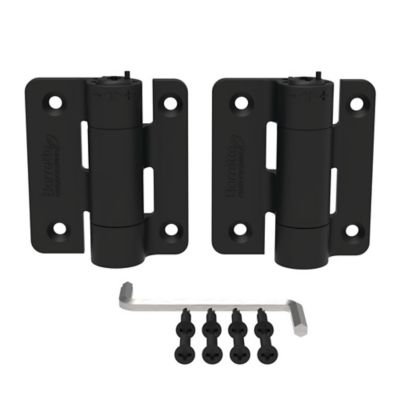
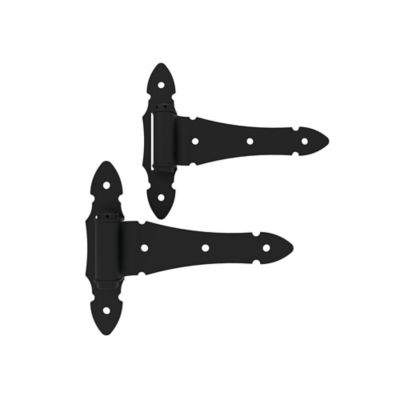
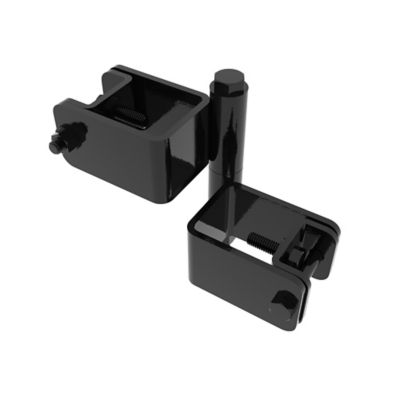
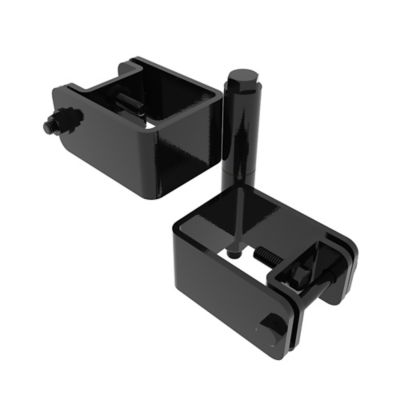
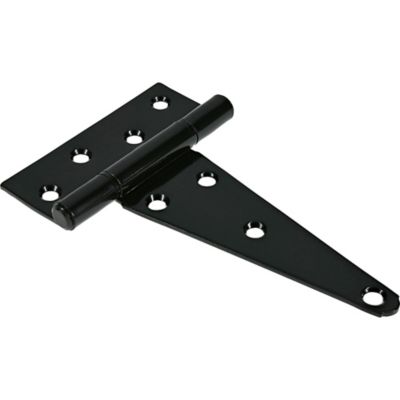
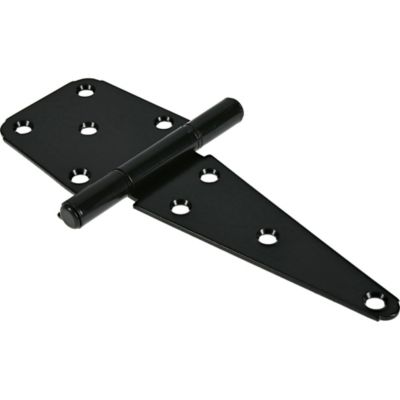
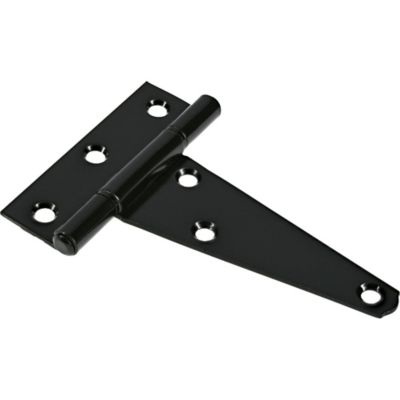
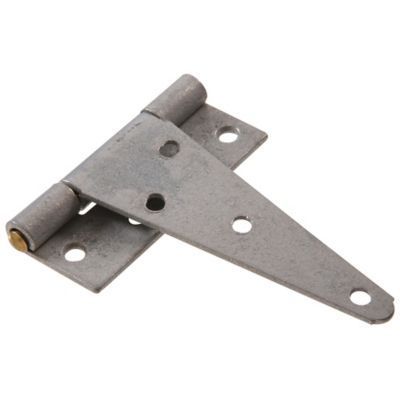
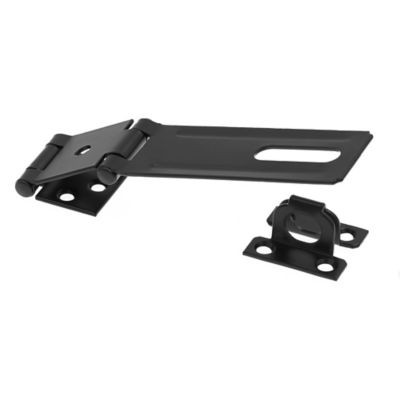
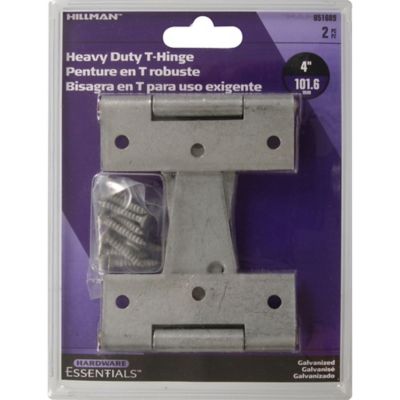
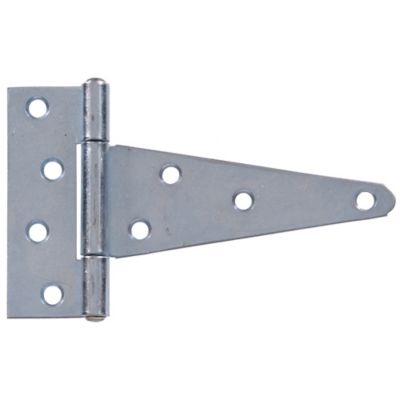
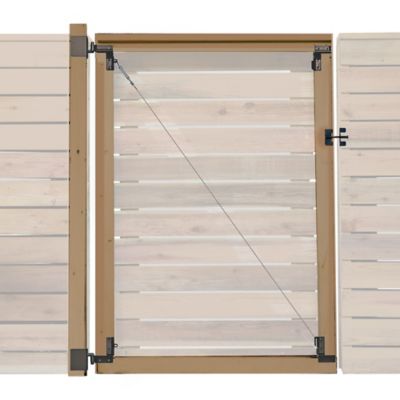
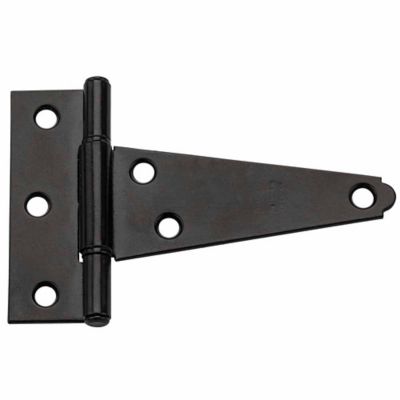
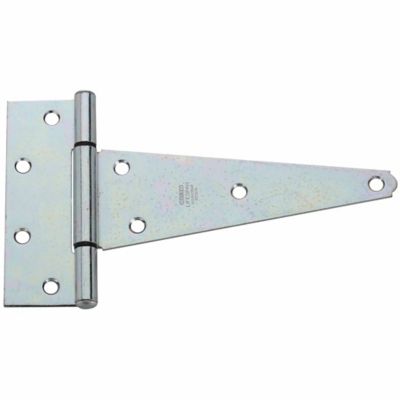
Black gate hinges bring a clean, finished look to a fence line while handling the everyday work of opening, closing, and supporting a gate. Against natural wood, black hardware stands out without looking fussy; on painted metal or a dark fence, it can blend into the frame for a more consistent appearance. That makes this hardware a good fit for everything from a backyard garden entrance to a barnyard passage or the gate beside a gravel drive. Appearance is only part of the job, though. A hinge carries weight through its mounting points and helps keep the gate moving along its intended path, whether someone is heading out with a feed bucket or bringing a wheelbarrow back from the garden. Steel is a common material for gate hardware, with different constructions and finishes suited to different settings. A black finish may come from paint, powder coating, or another surface treatment, and the finish alone does not tell the whole story about corrosion resistance. The base metal, any underlying protective treatment, and the manufacturer’s stated application all matter, especially where hinges face rain, damp vegetation, or moisture around animal areas. Strap-style hinges extend along the gate face, while other designs keep more of the hardware close to the post or frame. Pintle-style arrangements support a gate on a pin, and some hinge designs provide adjustment for alignment. Each style brings its own mounting requirements and range of movement, so choosing by color alone can leave important details out of the picture. For a broader look at hinge styles and mounting arrangements, the
Gate Hinges page offers another way to explore the category. Black gate hardware works best as part of a matched setup, with the hinge design, gate construction, post, and latch all doing their share rather than asking one component to make up for another.
Fit starts with the gate itself: its material, overall weight, width, frame shape, and the way it needs to swing. A short garden gate and a wide pasture entrance place different demands on their hinges, even when both have a similar black finish. Width matters because a gate’s weight acts farther from the hinge line as the span increases, putting more strain on the hardware and its attachments. Manufacturer load ratings deserve a close look, including whether a rating applies to a single hinge or a complete set and whether it assumes particular gate dimensions or mounting conditions. Simply adding another hinge does not automatically increase the capacity of the whole assembly. Wood gates need mounting points with enough sound material to hold the specified fasteners, while metal gates may call for hardware shaped around a tube, attached to a plate, or secured by another approved method. Round posts, square posts, and flat mounting faces are not interchangeable without the right attachment arrangement. On a replacement job, the existing hole pattern, hinge offset, pin diameter, and space between the gate and post can make the difference between a straightforward fit and extra work. Fastener length and diameter matter, too, along with compatibility between the fasteners, hinge material, and outdoor setting. A sturdy-looking hinge cannot correct a loose post, split wood, or a gate frame that has fallen out of square. Swing clearance also deserves attention where the ground rises, gravel builds up, or a nearby fence limits travel. A gate that opens neatly over level pavement may need a different arrangement beside a sloped lane. For entrances that need to close on their own, self-closing hardware must be matched to the gate and latch requirements; ordinary hinges do not provide that function. Around livestock, hinge and latch placement should support secure closure without leaving projections where animals are likely to rub or catch themselves.
Day-to-day use helps narrow down which features matter most. At a garden entrance, a smooth swing and tidy alignment may be the main concerns. Beside a feed room or along a frequently traveled chore route, repeated opening and closing make sound attachments and serviceable moving parts especially important. A wide gate that catches the wind puts added stress on its hinges and post, particularly if it swings beyond its intended travel. An appropriate stop or hold-open arrangement can help manage that movement without turning the hinge into the stopping point. Black hinges also make it easier to carry a consistent hardware color across separate entrances, though shades and sheen can vary between finishes. Matching the general appearance of hinges, latch hardware, and visible fasteners gives a wood or metal gate a more settled look without taking attention away from the fence itself. Keeping that finish in good shape usually begins with simple care: clearing away packed dirt, rinsing off residue when appropriate, and following the manufacturer’s cleaning directions. Grit near a pivot can interfere with movement, while leaves or mud trapped against mounting surfaces can hold moisture. Some hinges need periodic lubrication, and others have different service requirements, so the care instructions should determine what goes on the moving parts. Scratches, worn coating around contact points, loose fasteners, and growing gaps at the latch are worth catching before they become bigger problems. Where touch-up is permitted, a compatible coating can help protect exposed metal, but paint should not be allowed to clog a pivot or cover a grease fitting. During the cooler months, wet ground, frost movement, and accumulated debris can change clearance beneath a gate or bring an existing alignment issue into view. Checking the post and frame along with the hinges gives a clearer picture than tightening hardware alone. Whether the setting is a small homestead, a horse property, or a fenced backyard, well-matched black gate hinges combine a straightforward appearance with the support and movement that everyday access depends on.