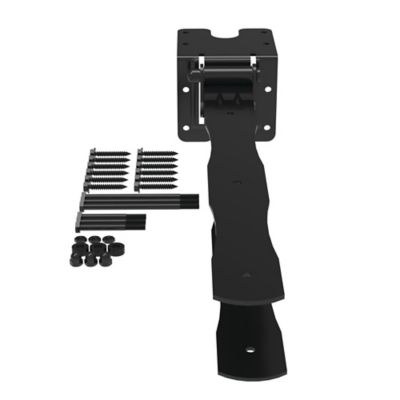
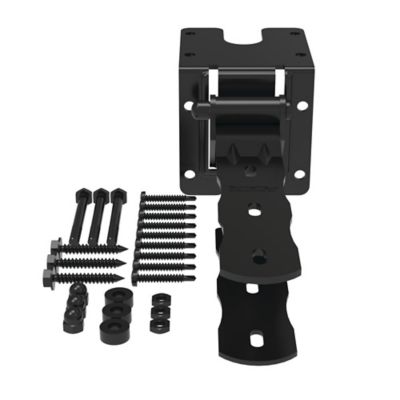
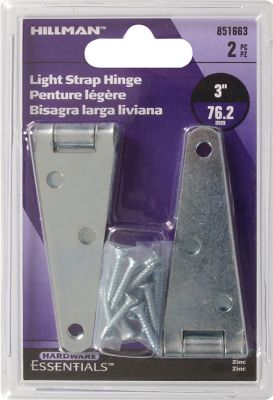
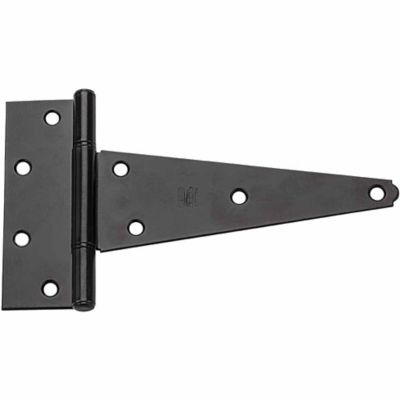
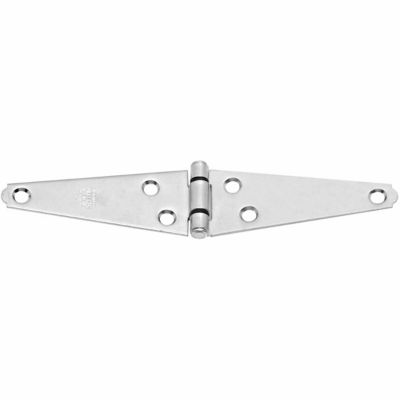
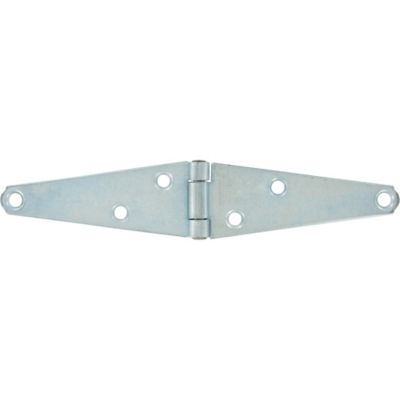
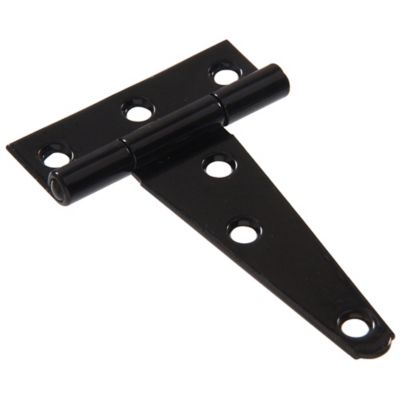
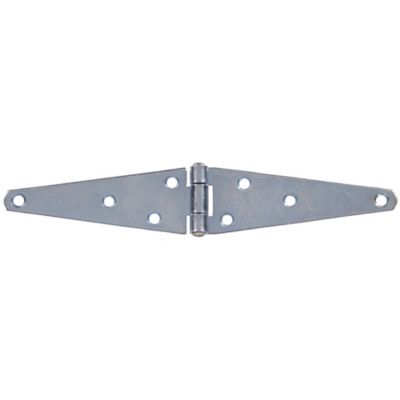
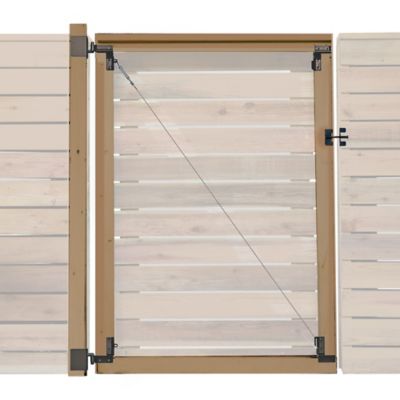
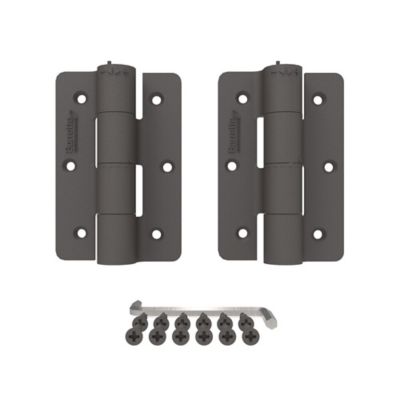
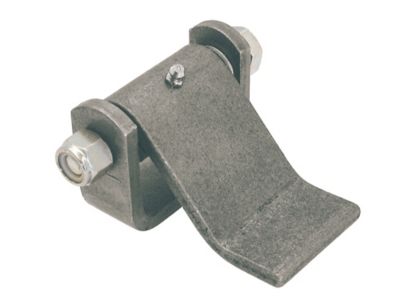
Black strap hinges bring a sturdy, old-country look to gates, barn doors, sheds, chicken coops, garden enclosures, and other projects around the homestead. With their long strap extending across the door or gate, they spread support over a wider area than a small butt hinge and add a bit of visual character at the same time. A matte black finish fits right in with weathered wood, painted lumber, galvanized hardware, stone, and metal fencing, making these hinges useful for both practical repairs and new construction. They can help give a plain shed door the look of a little barn, dress up a garden gate, or add a finished touch to a pair of wooden shutters. Many folks choose them when they want hardware that feels at home in a rural setting instead of something that looks too polished or out of place. They are also handy for restoring an older outbuilding where the original hardware has worn out, loosened, or disappeared over the years. Before choosing a hinge, take a close look at the door or gate itself. Measure the height, thickness, and overall weight, then consider how often it will be used and whether it will be exposed to wind, mud, rain, snow, or livestock. A light decorative gate may need a different size and load capacity than a solid wood entry gate or a wide shed door. The strap length, hinge width, mounting pattern, and number of hinges all play a part in keeping the door aligned and moving smoothly. Taller or heavier doors often benefit from additional support, while smaller doors may only need a compact pair. Check the manufacturer’s recommended weight rating and compare it with the complete door assembly, including framing and any attached trim. It is better to have a little extra capacity than to find the gate sagging after a season of use.
Installation starts with solid, square framing. A strap hinge can only work as well as the wood or metal holding it in place, so repair soft, cracked, or rotten boards before mounting new hardware. Hold the hinge in position with the door closed, mark the holes carefully, and make sure the hinge knuckle sits where it can swing freely without rubbing against the frame. On a gate, use a level to check the top and bottom rails, then confirm that the latch side has enough clearance to open without dragging across gravel, packed dirt, or an uneven threshold. Pre-drilling pilot holes helps prevent splitting in dry lumber and makes it easier to keep screws lined up with the hinge holes. Use fasteners suited to the material and the outdoor conditions; exterior-rated screws are a sensible choice for most outdoor wood projects, while through-bolts or other heavy-duty mounting methods may be better for demanding applications. Keep in mind that the screws included with a hinge may not fit every project, especially when working with thick posts, treated lumber, or metal framing. Black hardware looks sharp when the finish is clean and even, but outdoor exposure can eventually bring dust, moisture, and surface rust. Wipe the hinges down from time to time, keep dirt from packing around the pivot, and touch up small chips before moisture gets beneath the finish. In wet or coastal areas, extra attention to corrosion resistance matters. For larger gates that see frequent use, browse
Steel Gate Hinges for additional options suited to a range of mounting needs. Whether you are freshening up a back pasture gate, building a secure run for animals, or finishing a small woodworking project as the weather warms and carries into the cooler months, black strap hinges offer a dependable way to join good-looking hardware with everyday function. Take the time to match the hinge to the job, install it on sound framing, and the finished gate or door should open with a firm, easy swing for years of chores, projects, and trips out to the barn.