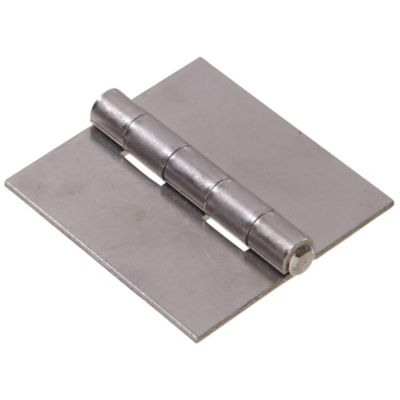
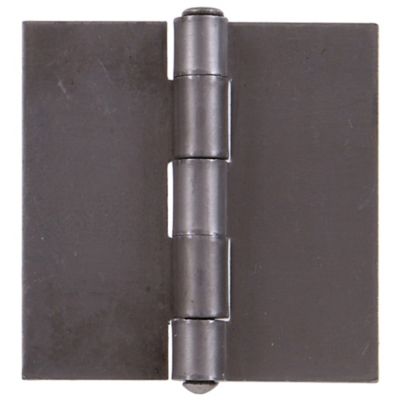
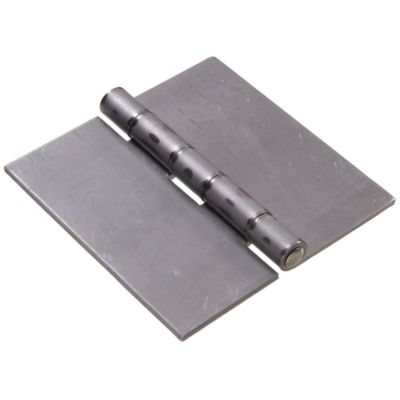
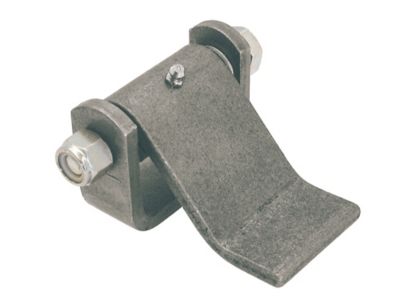
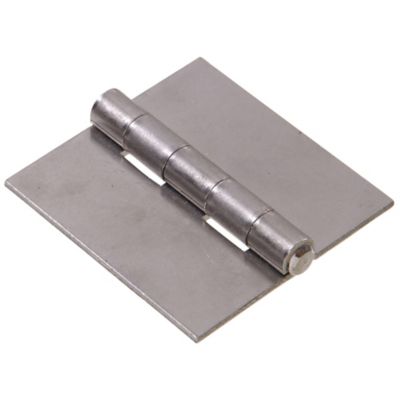
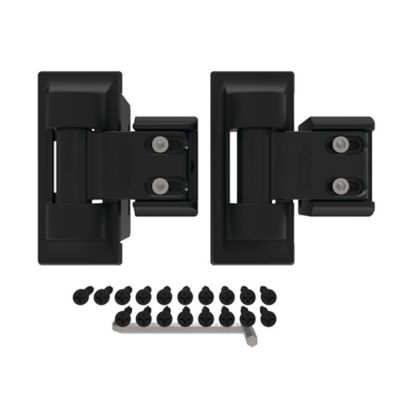
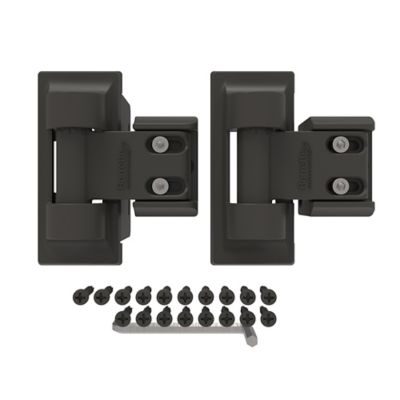
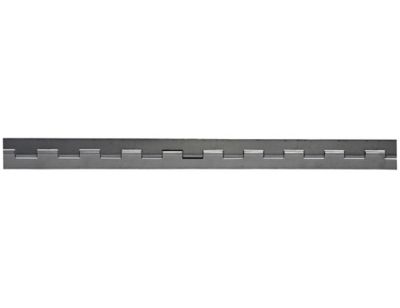
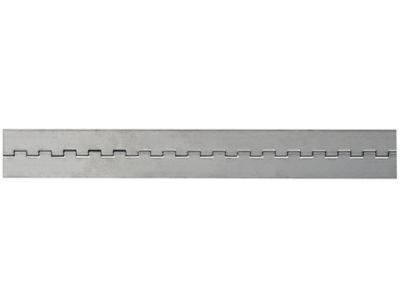
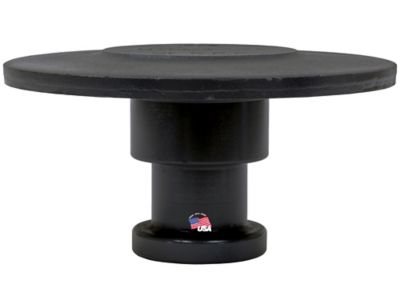
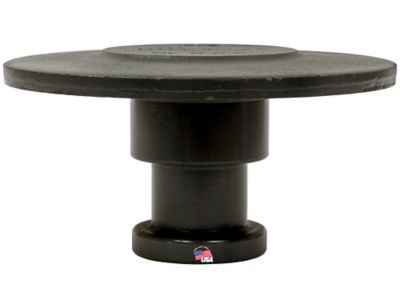
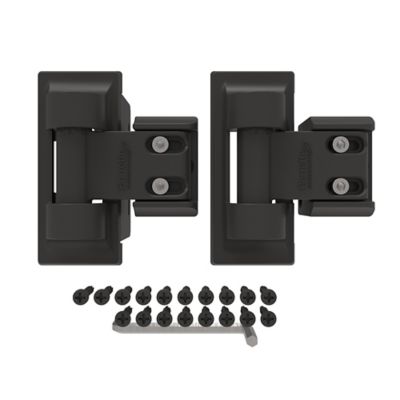
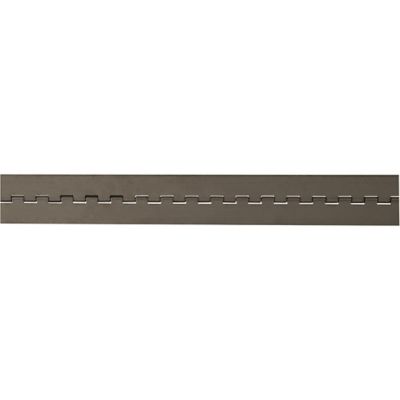
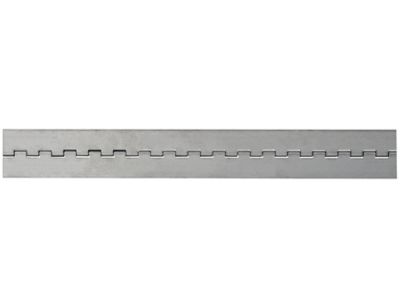
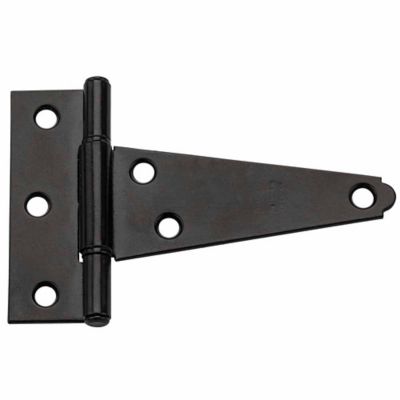
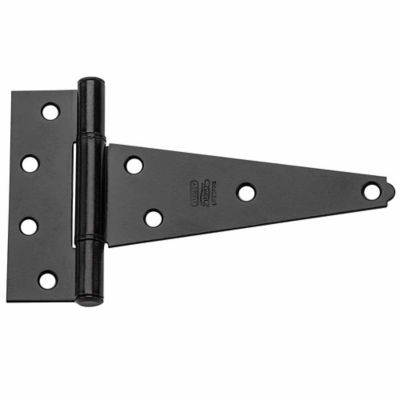
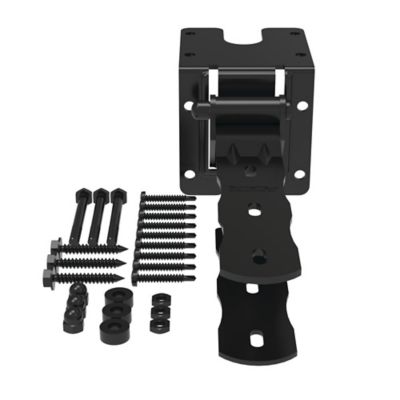
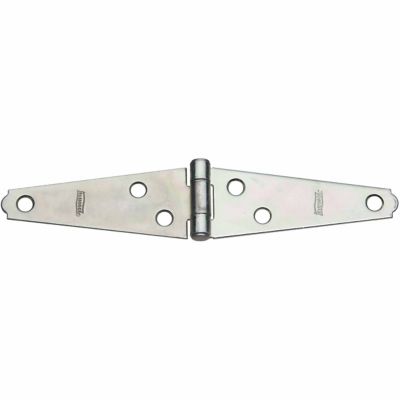
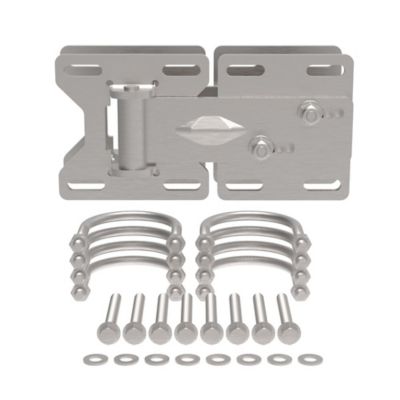
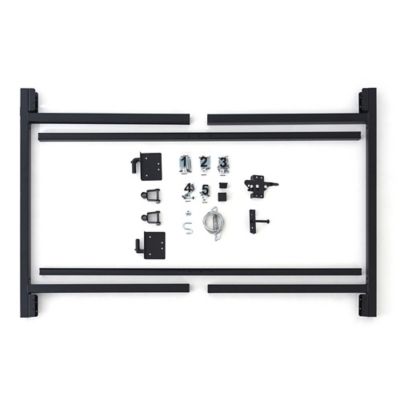
Weld-on hinges are metal gate and door hardware made to be attached directly to a steel surface by welding. Instead of relying on screws or bolts that pass through the frame, these hinges become part of the structure once they are properly positioned and fused in place. That makes them a practical choice for farm gates, livestock pens, trailer doors, utility boxes, equipment compartments, and heavy metal cabinets where a strong connection matters. Their flush profile also keeps the hinge close to the frame, giving the finished project a clean, work-ready appearance without extra hardware sticking through the opposite side. Weld-on hinges are often selected for doors that see frequent opening and closing, along with gates that must stand up to weather, vibration, livestock movement, and everyday chores around the property. A well-matched hinge helps the door swing smoothly while keeping the load supported at the hinge points, which can help limit sagging and strain on the frame over time. For projects calling for a different mounting approach, take a look at
Strap Hinges as another hardware option.
When shopping for weld-on hinges, start with the door or gate itself. Note the approximate height, width, weight, and thickness of the metal, then consider how often the opening will move and what kind of force it may encounter. A small cabinet door has different needs than a pasture gate, trailer ramp, or steel security door. The number of hinges can affect how the load is shared, but adding more hinges does not make up for a hinge that is too small or a frame that lacks support. Look for a size and load rating suited to the full assembly, including the door, frame, latch, and any material that may be carried by the door. Barrel and bullet-style hinges are common choices for gates and doors because their compact shape fits neatly along the hinge side. Some designs include brass bushings that help the moving parts turn with less friction, while others include grease fittings so lubricant can be applied as part of regular maintenance. A removable pin may make future service simpler, while a fixed-pin style can offer a straightforward, solid setup. Pay attention to the hinge’s overall length, pin diameter, mounting surface, swing direction, and clearance around the frame. On a trailer or equipment door, check that the hinge will allow the opening to move through its full range without contacting lights, fenders, seals, or nearby hardware. In a barn or livestock setting, think about mud, dust, moisture, and repeated contact from animals. A hinge that accepts lubrication can be especially handy where fine grit and changing weather are part of the daily routine.
Proper placement is just as important as choosing the right hinge. The hinge leaves or mounting tabs need full contact with clean, bare metal before welding, and the door should be held in its intended position so the hinge pin stays aligned from top to bottom. Even a small shift during setup can make a heavy gate bind, drag, or pull against the latch. Many welders tack the hinges in place first, check the swing and gap, and then complete the welds after the alignment looks right. The welding process—MIG, TIG, or stick—should match the metal thickness, hinge material, and experience of the person doing the work. Follow the welding equipment and hinge maker’s instructions for heat, preparation, and weld placement, and take standard precautions such as eye protection, gloves, protective clothing, ventilation, and keeping flammable material clear of sparks. Let the assembly cool as directed, then inspect the welds, hinge pin, frame, and latch before putting the door into service. Once installed, open and close the door several times to check for rubbing, uneven gaps, or movement at the mounting points. A light coat of suitable lubricant on the pin or bushing can help keep motion smooth, while periodic checks can catch loosened hardware, worn bushings, corrosion, or frame movement before a small concern becomes a larger repair. Weld-on hinges fit right in with practical projects handled in a farm shop, garage, trailer bay, or maintenance shed, whether the goal is to repair a sagging gate, finish a steel cabinet, or outfit a trailer for the cooler months ahead. Their direct-weld mounting, compact shape, and range of sizes make them a useful part of a well-planned metalworking project.