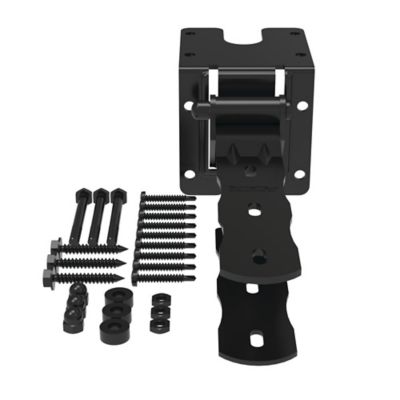
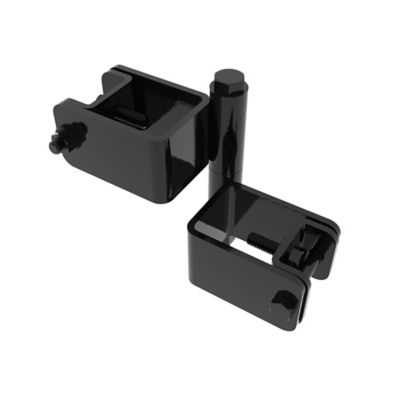
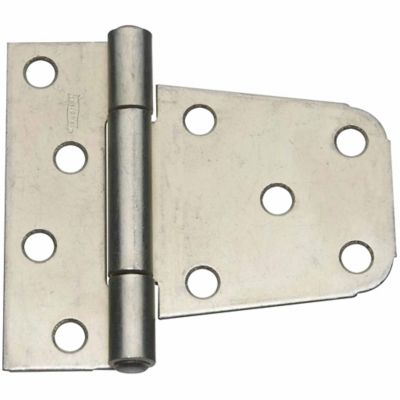
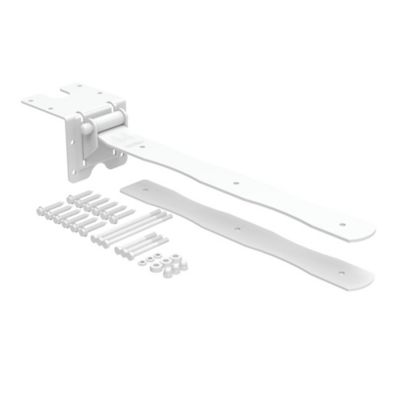
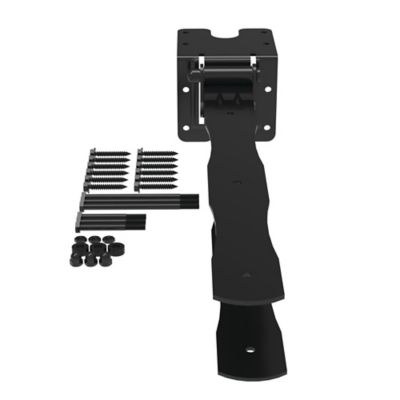
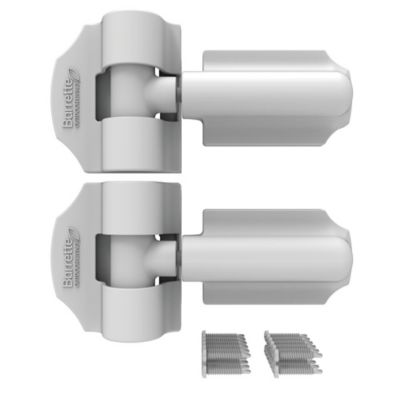
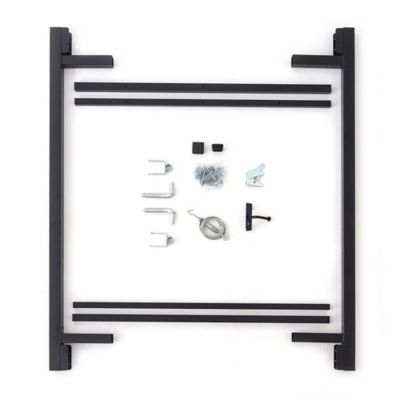
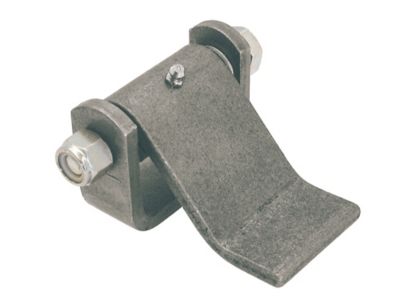
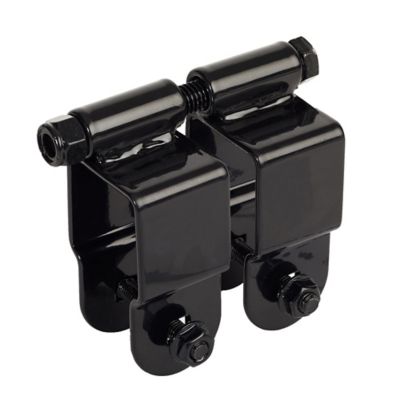
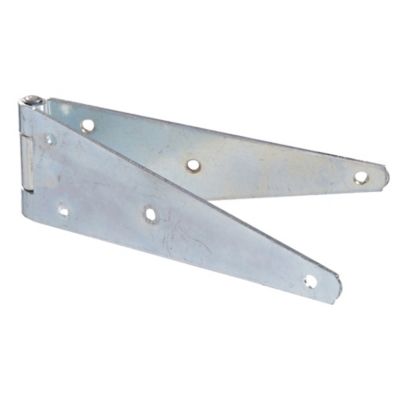
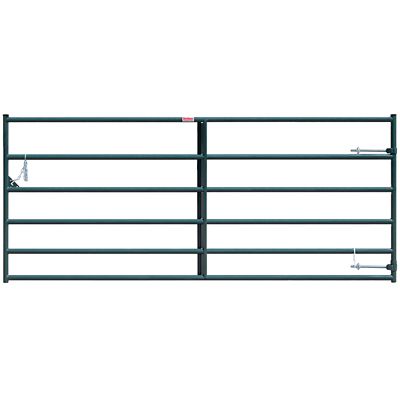
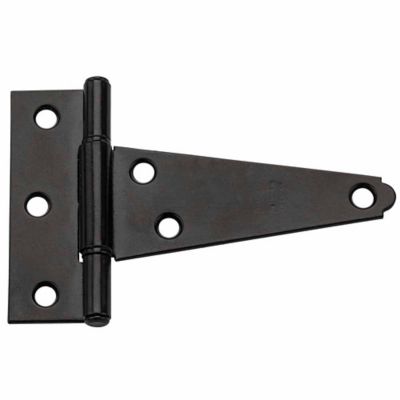
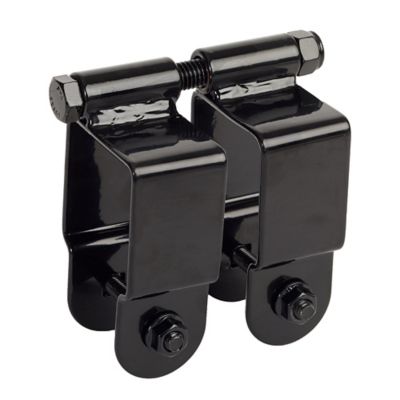
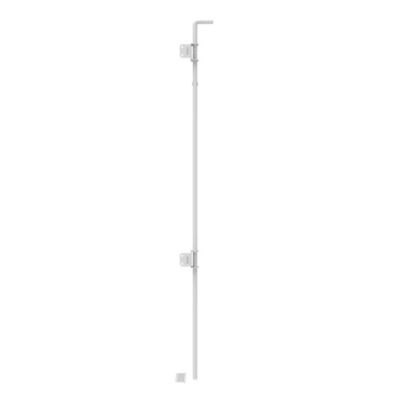
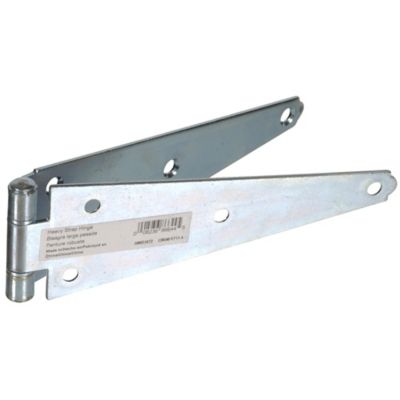
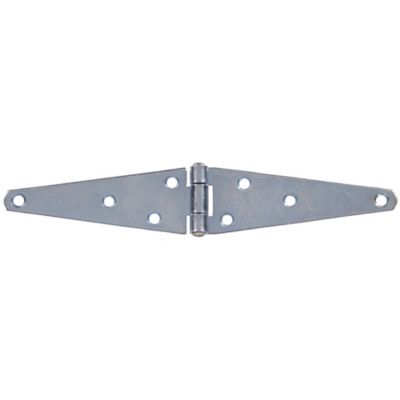
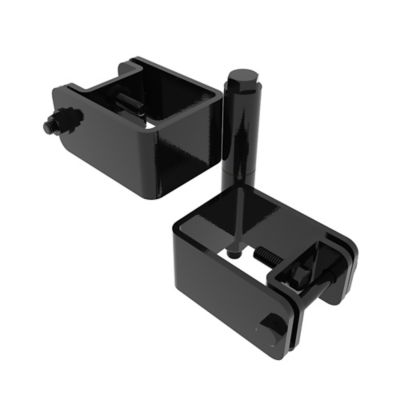
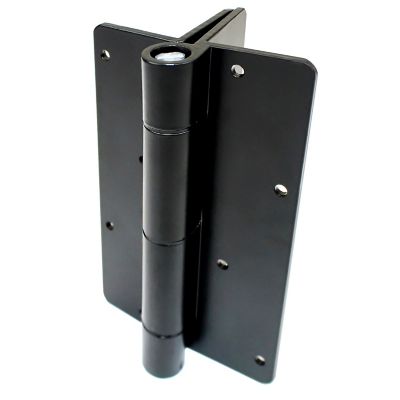
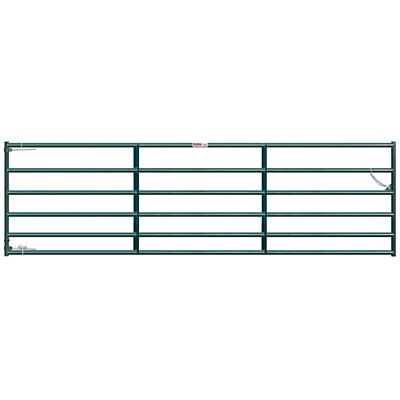
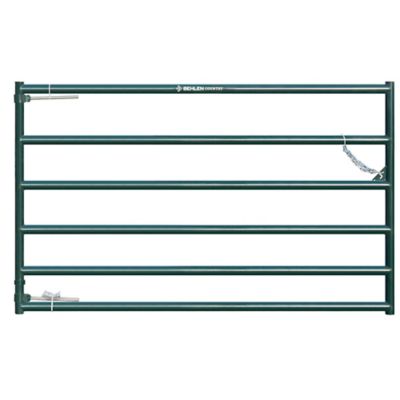
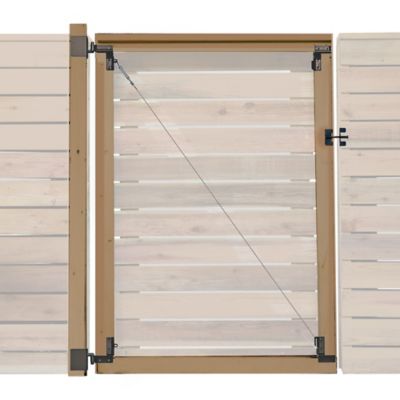
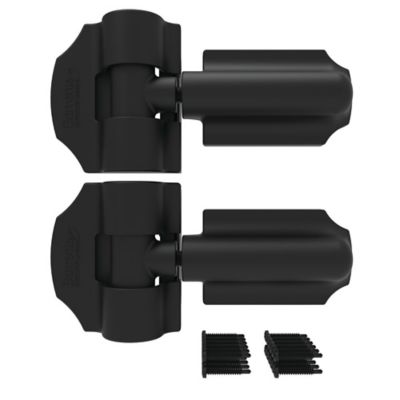
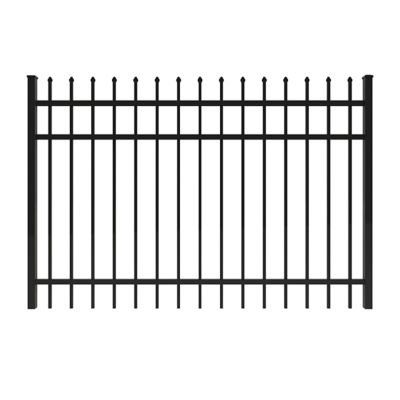
Steel gate hinges are the working hardware behind a gate that opens smoothly, lines up properly, and holds up through years of use. They are a practical choice for farm gates, pasture entrances, garden enclosures, equipment yards, driveways, kennels, workshops, and residential fencing. Whether the gate is built from steel tubing, angle iron, wood, or a combination of materials, the hinges need to support its full weight while standing up to dirt, rain, changing temperatures, livestock, and everyday wear. Steel hinges are available in several shapes and mounting styles, including butt hinges, tee hinges, band-and-hook hinges, and weld-on hinges. Butt hinges are a familiar choice for many framed gates, while tee hinges spread support along the gate and are often used with wooden gates. Band-and-hook hardware works well when a long strap helps distribute the load across a wider section of the gate. Weld-on hinges are made for metal fabrication and can create a strong, clean connection when properly fitted and welded to the gate and post. The best choice depends on the gate’s material, construction, opening direction, post size, and how often the gate will be used. A small garden gate may only need compact hardware, while a broad driveway gate or livestock gate calls for heavy-duty hinges designed to carry a much larger load. Stainless steel offers strong resistance to rust and corrosion, which can be helpful in damp areas, near water, or wherever the hardware will see frequent exposure to moisture. Cast steel and cold-rolled steel are also known for their strength and dependable support in demanding applications. One-piece, non-welded construction can provide added durability by reducing weak points in the hinge body. For a dark, coordinated look on fencing, posts, and entry hardware, browse
Black Gate Hinges alongside other steel options.
Before choosing steel gate hinges, take a careful look at the gate itself rather than judging by appearance alone. Measure the gate’s width and height, estimate its weight, and consider how that weight is distributed. A wide gate with a solid metal frame, thick boards, or decorative panels can put considerable strain on the hinge side, especially when wind catches it. The hinge set should have a load rating that comfortably exceeds the gate’s actual weight, with enough capacity for normal movement, occasional bumps, and seasonal changes in the ground. Tall or especially wide gates may need a third hinge to help prevent sagging and keep the frame square. In general, larger gates benefit from hinges with longer mounting surfaces and stronger bodies because these designs spread stress across more of the gate and post. Also check the space between the gate and the post, the direction of swing, and whether the hinge allows adjustment after installation. A little adjustment can make a big difference when a gate settles or a wooden post shifts over time. For metal gates, weld-on hinges may be the right fit, but welding should be handled by someone with the proper equipment and experience. Bolt-on hinges can be convenient when a gate needs to be installed without welding or may need to be removed later. Match the fasteners to the job, using appropriately sized bolts, washers, and locking nuts instead of light-duty screws on a heavy gate. The posts matter just as much as the hinges. A sturdy, well-set post provides the foundation for reliable operation, while a leaning or undersized post can make even excellent hinges bind, sag, or pull loose. On a working property, it is worth checking whether the gate will be pushed by animals, used by tractors, or opened dozens of times a day. A hinge that works fine on a backyard walkway may not be built for a cattle lane or equipment entrance.
Installation is easiest when the gate and posts are square, plumb, and supported before the hinge hardware is tightened. Use temporary blocks, a jack, or another safe support to hold the gate at the desired height during installation; a heavy gate can be awkward and dangerous to balance by hand. Position the hinges so the load is carried evenly, and make sure the gate has enough clearance to swing without scraping the ground, fencing, or nearby buildings. On sloped ground, plan the swing and hinge placement around the terrain so the gate does not drag as it opens. Once installed, open and close the gate several times and look for rubbing, twisting, loose fasteners, or movement in the post. Some steel gate hinges include low-friction features, such as bushings or brass bearings, that help the gate move smoothly under a heavy load. Even with those features, routine care keeps the hardware working its best. Brush away packed soil, straw, and cobwebs, and inspect the hinge points during regular fence checks. Lubricate moving parts when needed, following the hinge manufacturer’s recommendations, and tighten hardware if vibration or repeated use has loosened it. Keep an eye out for chipped finishes, surface rust, bent components, and cracks around welded areas. In regions with wet weather, road salt, or heavy coastal air, corrosion-resistant materials and protective coatings can help extend service life. During the cooler months, mud, frost, and shifting soil may change the alignment of posts and gates, so a quick inspection can prevent a small adjustment from turning into a stuck gate. Steel gate hinges are useful for homeowners, farmers, ranchers, builders, fence contractors, and anyone repairing an entryway that needs dependable support. They also make a sensible addition to a property maintenance kit for someone settling into a rural home, rebuilding a garden fence, or improving access to a barn, shed, or pasture. With the right size, construction, load capacity, and mounting method, a well-chosen hinge helps a gate swing with the solid, steady feel you want every time you head through it.