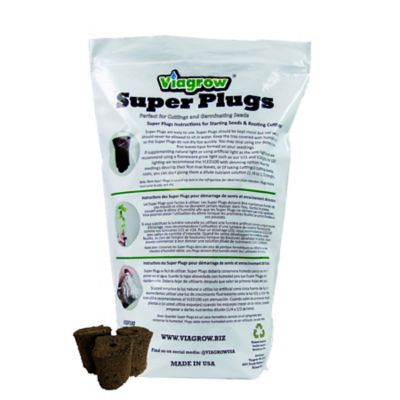
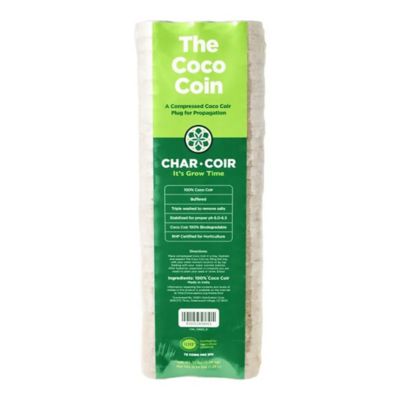
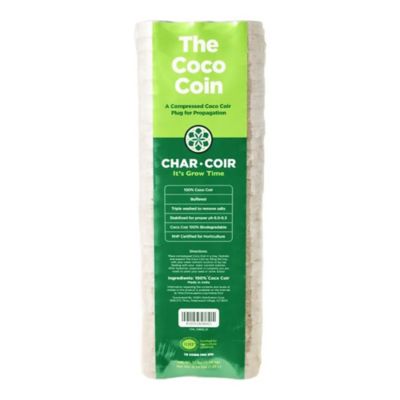
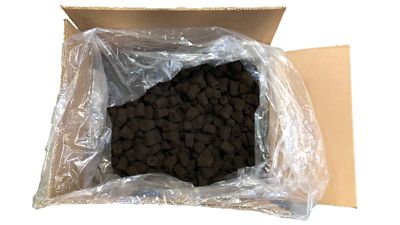
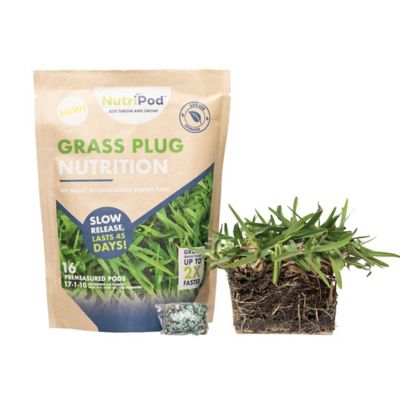
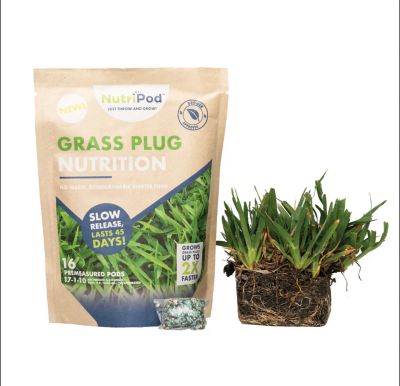
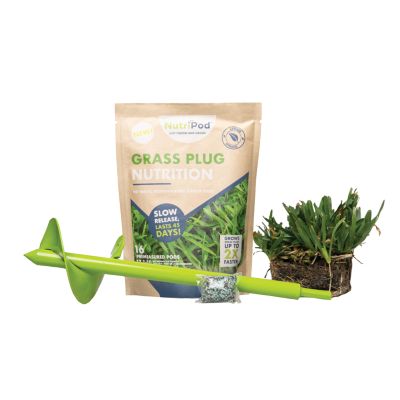
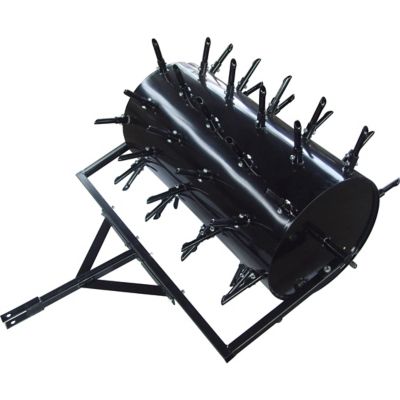
Soil plugs for planting are small, preformed blocks or cylinders of growing medium that support seeds, cuttings, and young roots before transplanting. Often made with peat, coco coir, or blends of plant fibers and binding materials, they give each plant its own starting space without the loose fill of a larger pot. The term also describes the cores of earth pulled from turf during lawn aeration, but those lawn cores serve a different purpose: their removal opens compacted ground to air and water. Seed-starting soil plugs are propagation supplies, intended to hold moisture around developing roots while leaving pore space for oxygen. That balance matters whether the goal is a few tomato plants for a kitchen garden, a tray of flowers for the front walk, or herb cuttings growing on a potting bench. Peat-based plugs hold water within a fibrous structure, while coco coir plugs rely on fibers from coconut husks. Some blends include other ingredients to adjust drainage, structure, or nutrient content. The material alone does not tell the whole story; density, plug size, and the way a plug fits its tray also affect how it handles water. Some soil plugs arrive compressed and expand after hydration, while others come formed and ready for preparation according to their package directions. A planting hole or shallow indentation can make seed placement easier, though seed size and planting depth still matter. Tiny seeds and larger vegetable seeds do not necessarily belong at the same depth or in the same size plug. For gardeners sorting through seed-starting plugs, growing plugs, and propagation plugs, the practical distinction is how well the medium suits the plant and the setup. A plug that keeps its shape during handling can make the move from tray to pot less fussy, especially when several seedlings are ready at once. The purpose is a manageable root ball, not a substitute for the light, moisture, and nutrition a living plant needs.
Fit is one of the most useful considerations when comparing soil plugs because the plug, tray cell, and eventual growing space all work together. Diameter, height, and expanded dimensions help determine whether a plug sits properly in a propagation tray, leaves enough room for roots, and can be lifted without crumbling or squeezing the stem. A narrow plug may suit small seedlings that move along quickly, while a larger plug provides more starting medium for plants that need additional rooting space. Neither size is automatically better; the right match depends on the crop, the time before transplanting, and the room on the bench. Trays with drainage openings help excess water escape, and a catch tray can keep a work surface tidy, provided standing water does not leave the plugs continuously saturated. Moisture management is a bigger consideration than how neat a tray looks. A growing plug should absorb water readily and drain enough to preserve air spaces, rather than remain soggy around tender roots. Compressed plugs need room to reach their stated dimensions, and their hydration requirements can vary by material and design. Some have a surrounding mesh or sleeve that holds the medium together. Its composition and transplanting directions deserve attention, since coverings differ in how they break down and whether they need opening or removal before planting. Binding materials also vary, so shape retention and root penetration are worth considering alongside the growing medium itself. Nutrient content is another point of difference. Some plugs contain a starter nutrient charge, while others provide little nutrition beyond physical support, making the label important when planning later feeding. Gardeners working with hydroponic systems have another fit requirement: the plug must suit the holder, irrigation method, and crop. Not every soil plug belongs in every water-based system, and loose particles can be a concern around pumps and narrow lines. For seed starting on a shelf or rooting cuttings in a greenhouse, compatibility with the whole setup matters more than choosing by appearance alone.
Soil plugs appeal to backyard gardeners, small-acreage growers, greenhouse hobbyists, and anyone who prefers to keep young plants organized from the start. Separate cells make it easier to label varieties, watch germination, and move a ready seedling without disturbing an entire flat. That can be handy when peppers develop at a different pace from nearby flowers, or when only part of a tray is ready for larger pots. For cuttings, a formed planting opening can support the stem while roots develop, although success still depends on the plant species, sanitation, light, and appropriate moisture. Plug size also affects care: a small volume of growing medium has less water reserve than a large container, so it needs regular attention rather than a fixed watering schedule that ignores actual moisture. Clean trays, clear drainage holes, and gentle handling help protect young plants and keep the workspace manageable. Unopened or leftover plugs generally belong in a clean, dry storage area, with package directions taking priority for materials supplied moist. Keeping them away from contamination is especially helpful when the same potting area also handles garden soil and established plants. At transplanting, a cohesive plug can carry the root ball into a pot, raised bed, or prepared garden space with less disruption than separating tangled seedlings. Roots still need room beyond that starting block, and plants that remain confined too long may need a larger container before their final move. A compact seed-starting setup can also make a thoughtful gift for someone who enjoys tending herbs or raising vegetables, particularly when the plug dimensions match the recipient’s existing trays. Around a larger property, propagation supplies may be one part of plans that include garden beds, walkways, and
Pond Installations. Plants intended for pond edges or submerged containers have their own growing-medium requirements, so ordinary seed-starting plugs should not be assumed suitable for underwater planting. Across these different spaces, the best fit comes down to practical details: a medium suited to the plant, dimensions that match the equipment, and a structure that supports roots through the move to their next growing space.