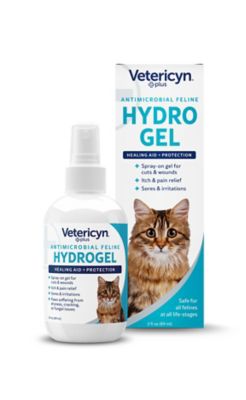
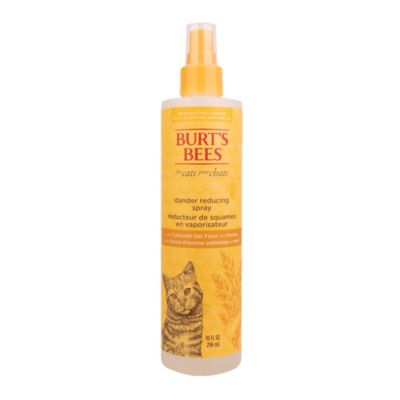
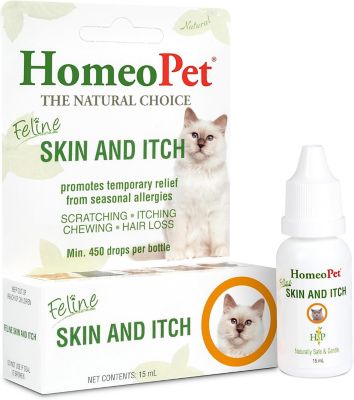
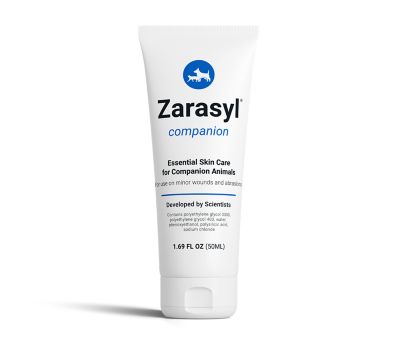
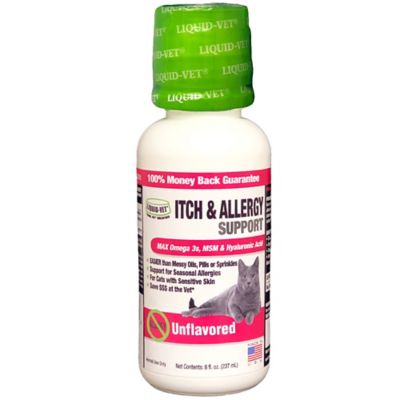
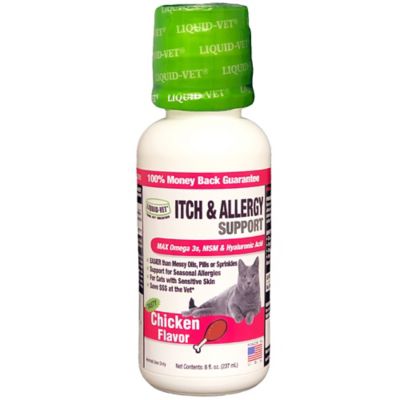
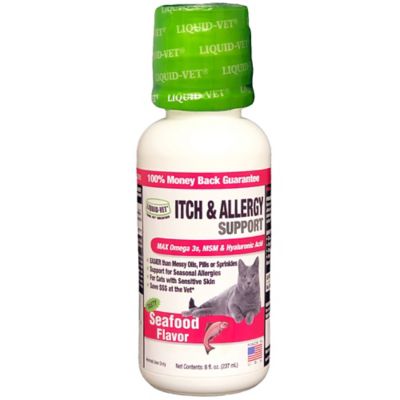
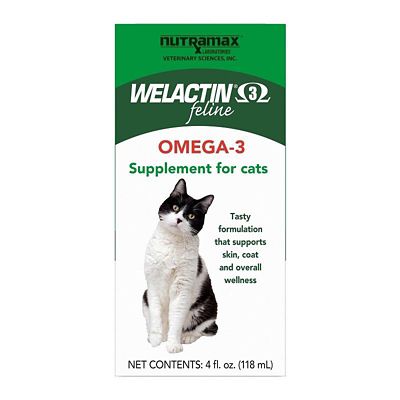
Healthy cat skin starts with the everyday basics: good nutrition, fresh water, regular grooming and protection from common pests. Skin care for cats can help support a clean, comfortable coat, whether you share your home with a short-haired barn cat, a long-haired indoor companion or a senior kitty who no longer grooms as thoroughly as she once did. Brushing once or twice a week helps lift dust, loose fur and small bits of debris while spreading the natural oils along the coat. Long-haired cats may need more frequent brushing to keep mats from forming close to the skin, while short-haired cats often enjoy a quick pass with a soft brush or grooming mitt. During the cooler months, dry indoor air and heated rooms can leave some cats with flaky skin or a dull-looking coat, and regular grooming can help you spot changes before they become bigger concerns. A balanced cat food, along with plenty of clean drinking water, also plays an important part in skin and coat health. Some cats drink more readily from a wide bowl, a fountain or several water stations around the house, while others get extra moisture from wet food. Good nutrition with appropriate omega-3 and omega-6 fatty acids may help support the skin’s natural barrier, but supplements should be discussed with a veterinarian before they are added to your cat’s routine.
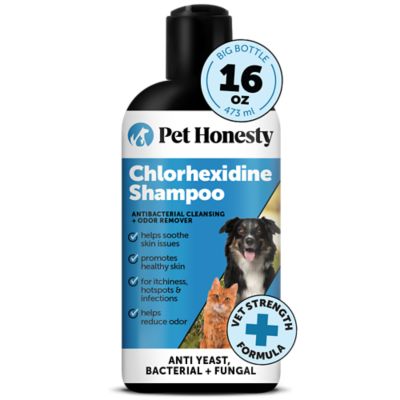
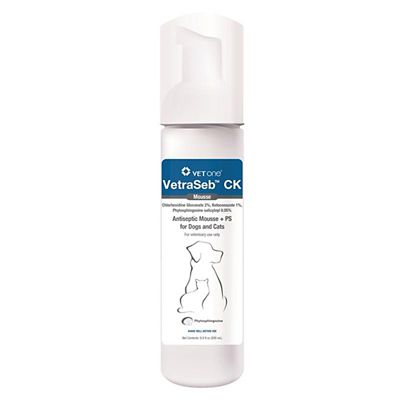
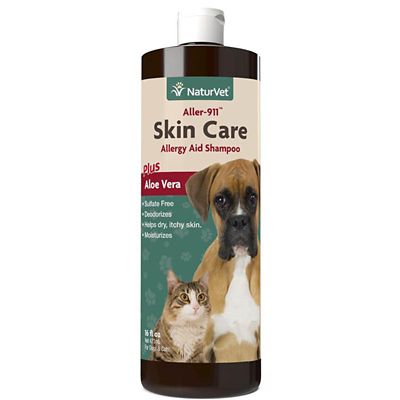
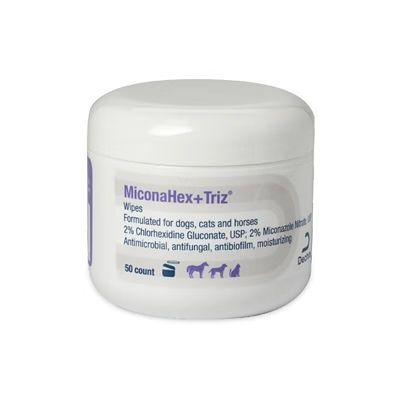
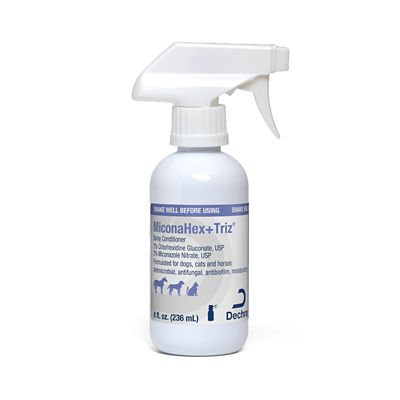
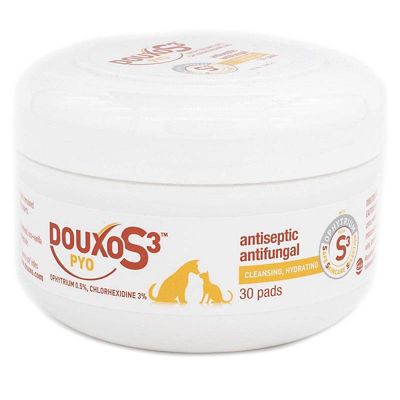
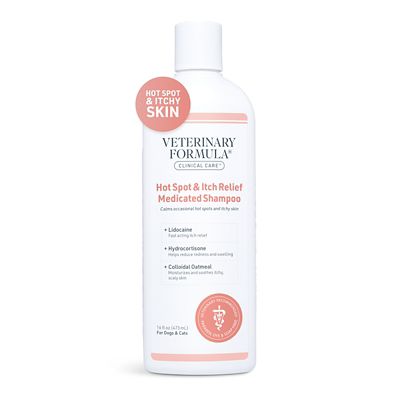
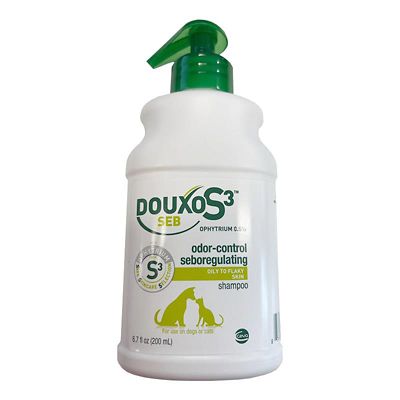
The right skin care products depend on your cat’s coat, age, lifestyle and the reason you are shopping. A cat that spends time outdoors may need dependable flea and tick control, since bites can lead to itching, irritated patches and allergic reactions in sensitive pets. Follow the product label carefully and use only treatments made for cats; products intended for dogs can contain ingredients that are dangerous to felines. For ordinary dirt, pollen or dust, a soft damp cloth can be a simple option for wiping the paws, belly or coat after time outside, without putting your cat through a full bath. Most cats do not need frequent bathing, but a veterinarian may recommend a gentle, cat-specific shampoo when a coat is especially dirty or when a diagnosed skin concern calls for medicated care. Shampoos made for people, scented body washes and household soaps can be too harsh, and essential oils such as tea tree oil can be toxic to cats. If your veterinarian has recommended care for oily scale, dandruff or a seborrheic skin condition, products in the
Antiseborrheic Shampoo For Cats category may be worth considering as part of that plan. Read directions from start to finish, keep suds away from the eyes and mouth, rinse thoroughly and dry your cat in a warm, draft-free spot. A towel warmed near a safe heat source can make the experience more comfortable, but never leave a cat unattended around a heater or heating pad. Introducing grooming supplies slowly, with a few treats and a calm voice, can turn an anxious bath or brush-out into a familiar routine. These items can also make a thoughtful gift for a new cat owner, a friend caring for a rescue animal or a family member whose aging cat needs a little extra help staying clean and comfortable.
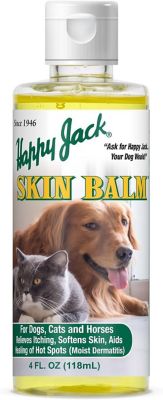
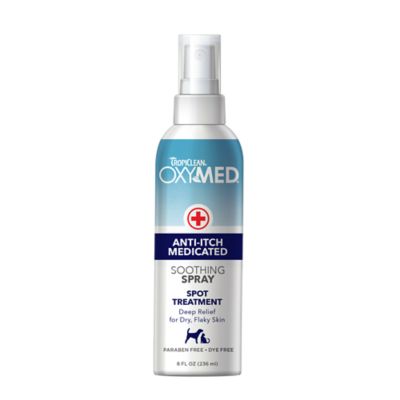
Skin care supplies are useful for maintenance, but they should not take the place of veterinary care when a problem is persistent or severe. Keep an eye out for open sores, spreading wounds, heavy scratching, crusts, sudden hair loss, strong odor, swelling or areas of redness that do not improve. Fleas, mites, allergies, fungal infections and other conditions can look similar at first, so a veterinarian can help identify the cause and recommend the safest treatment. Avoid picking at scabs, shaving irritated areas at home or applying human creams unless a veterinary professional specifically says they are safe. Cats lick their coats, which means anything placed on the skin may be swallowed during grooming. It also helps to wash bedding regularly, vacuum favorite resting spots and keep grooming tools clean, especially in homes with more than one cat. Outdoor cats may bring in burrs, mud and plant material during wet or chilly weather, while indoor cats can collect dust around windowsills, heating vents and favorite blankets. A quick coat check after exploring the porch, barn or yard can catch tangles and debris early. When choosing among skin care for cats, look for clear directions, cat-safe ingredients and a use that matches your pet’s needs rather than choosing based only on fragrance or packaging. With steady grooming, sensible parasite prevention, proper hydration and advice from your veterinarian when something seems off, these simple routines can help your cat stay comfortable from the first cool days through the colder stretch of the season.