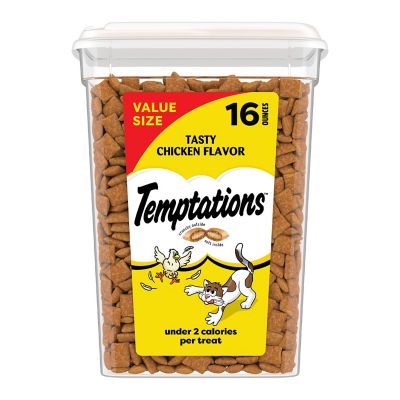
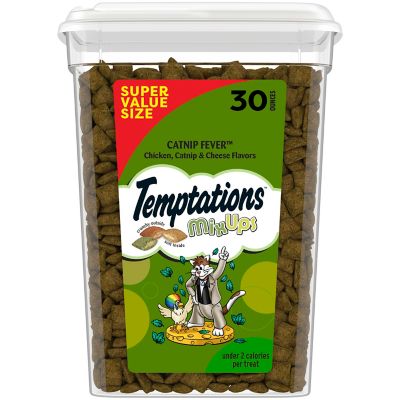
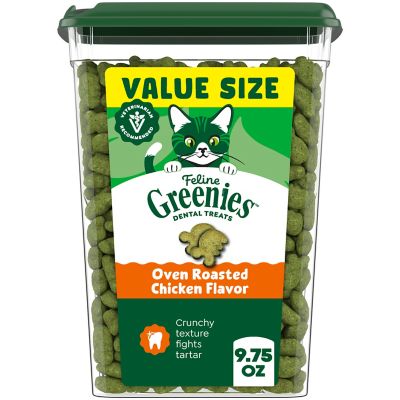
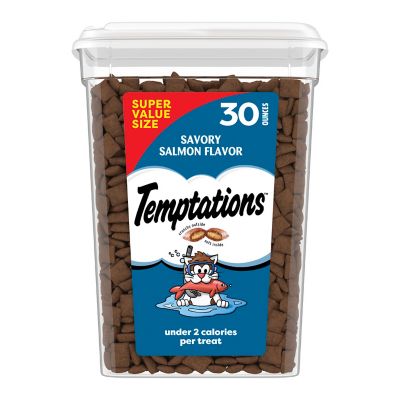
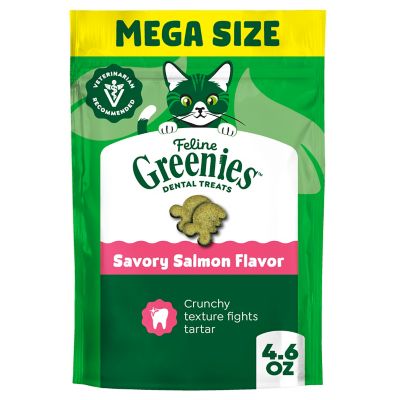
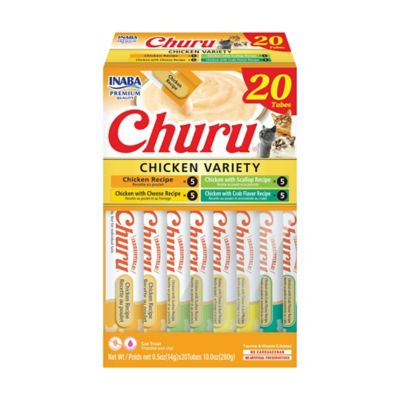
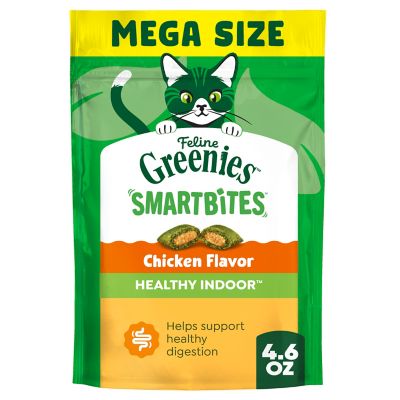
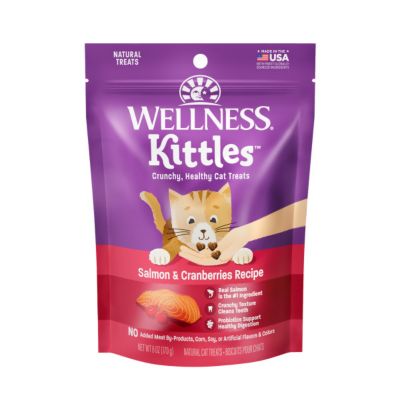
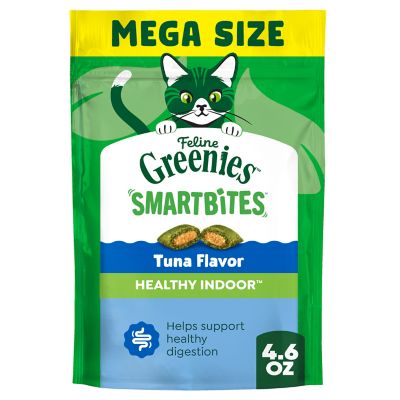
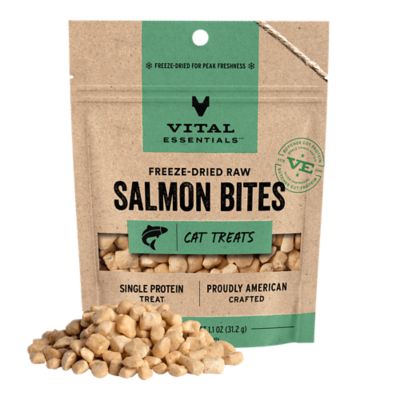
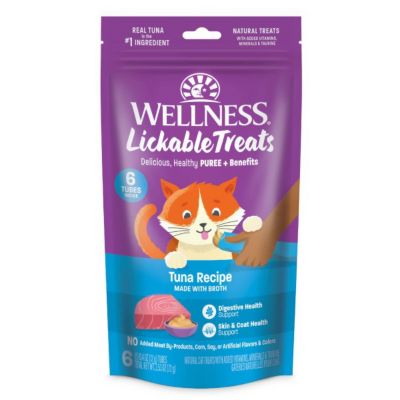
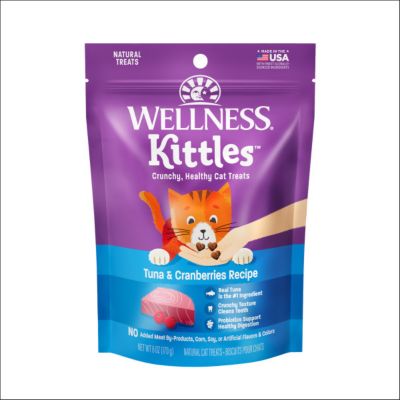
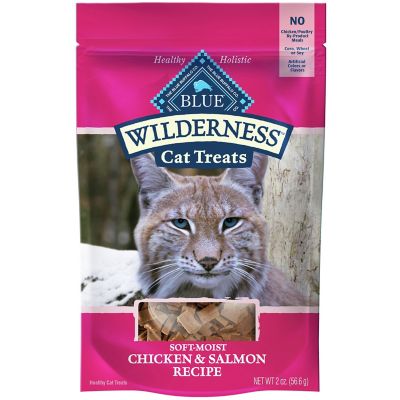
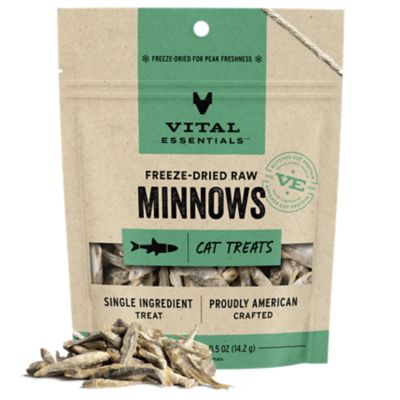
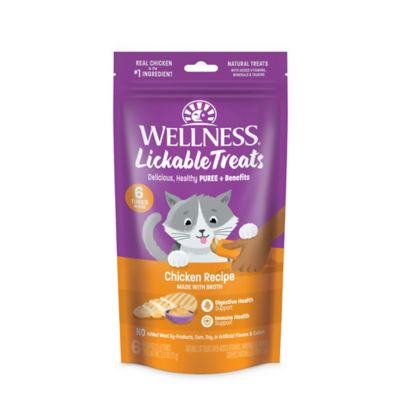
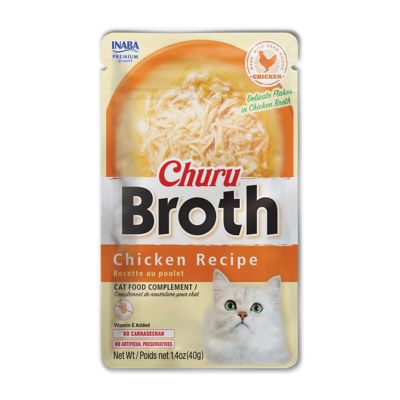
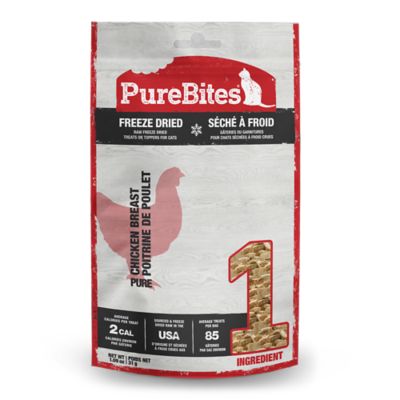
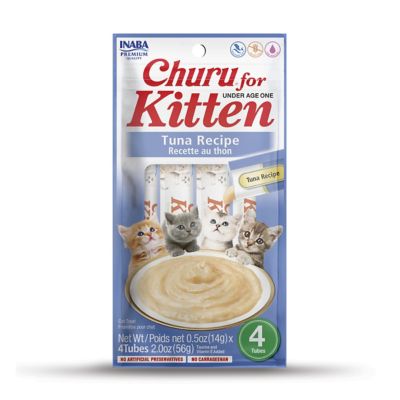
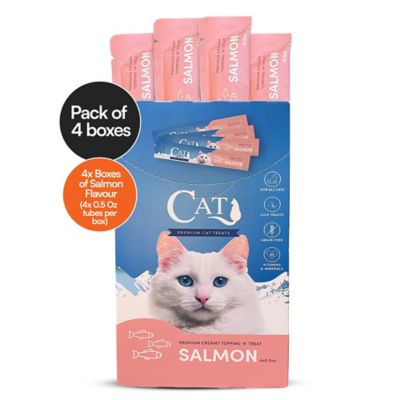
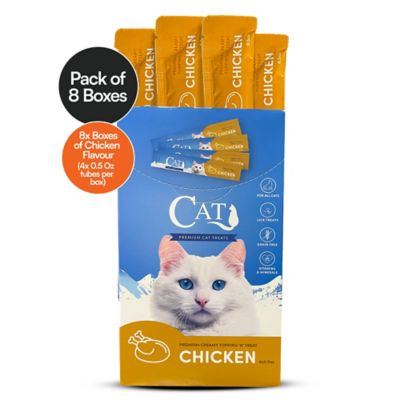
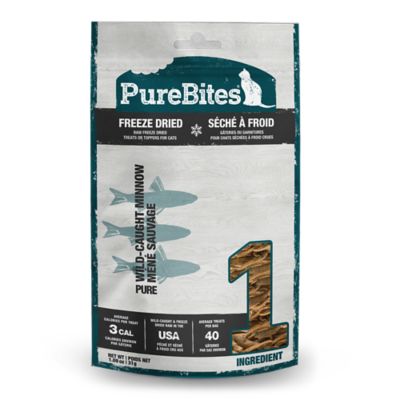
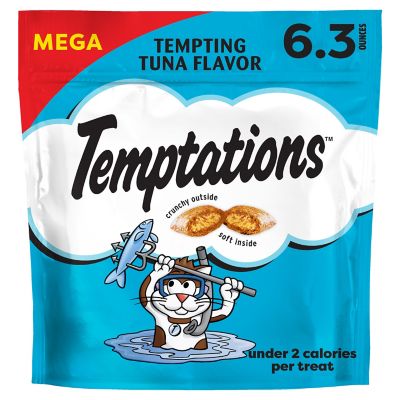
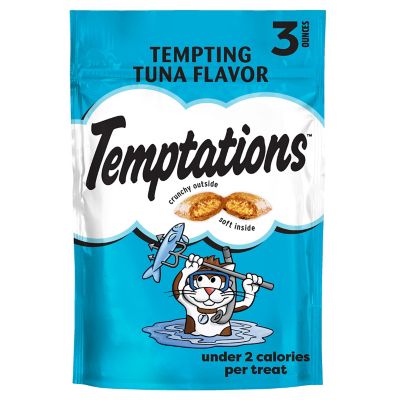
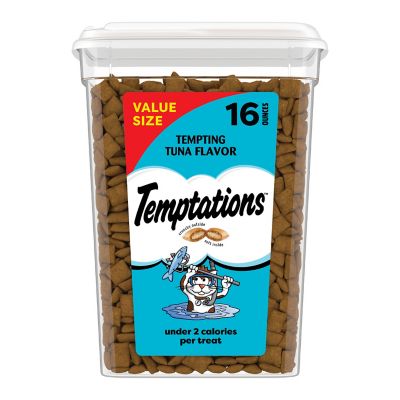
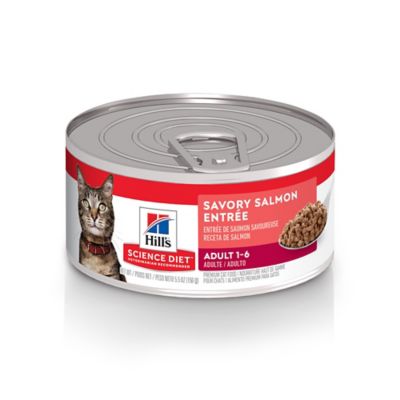
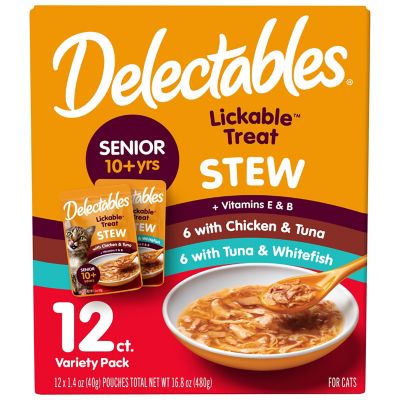
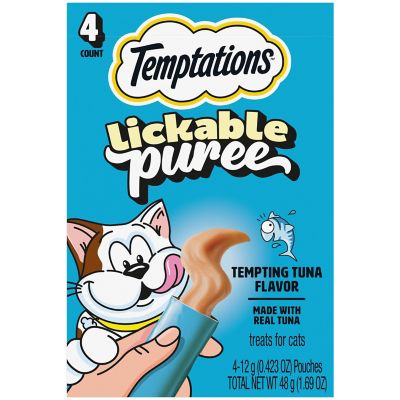
Healthy cat treats can be a handy way to add a little joy to your cat’s day without throwing off a balanced feeding routine. Cats are obligate carnivores, so many folks look for treats built around animal-based protein, simple ingredients, and a reasonable calorie count. Single-ingredient options made from meat or fish are easy to understand and can be especially useful for cats with sensitive stomachs or households trying to keep the ingredient list short. Freeze-dried meat treats offer a light, crisp bite with a strong aroma that often gets a cat’s attention from across the room, while dried fish flakes can add a savory smell and texture to a meal or food puzzle. Crunchy, low-calorie treats may suit cats that enjoy a little snap, and soft bites or lickable purees can be useful for older cats, cats with dental concerns, or any feline that prefers a smoother texture. Purees also contain moisture, which can be a welcome extra for cats that do not drink much from their bowl, though they should still be offered in moderation rather than used as a replacement for fresh water or complete cat food. For more options suited to mature pets, browse
Cat Treats for Adult Cats. Since every cat has its own tastes and tolerances, it can help to start with a small portion and pay attention to appetite, stool, energy, and any signs of itching or stomach upset. A barn cat that comes in after prowling the fence line may prefer a crunchy morsel, while a lap cat may be perfectly happy to lick a soft treat from your hand. Keeping a few different textures on hand can make treat time easier in a multi-cat home, but each cat should have its own portion and a chance to eat without being pushed aside.
Treats are best used as a small part of the overall diet, not as a second meal. A common rule of thumb is to keep treats to about 10% or less of a cat’s daily calories, with the remaining nutrition coming from a complete and balanced food. That amount may be lower for cats that are overweight, less active, recovering from illness, or managing a health condition, so a veterinarian can help set a suitable limit. Measuring out the day’s treats in advance keeps a generous hand from getting carried away, especially when more than one person is sneaking bites to the cat. Reserved pieces of the cat’s regular kibble can work well as training rewards and may be a smart choice for a cat on a weight-management plan. Treats can reward calm behavior during brushing, nail trims, carrier practice, or a visit from the veterinarian. They can also turn a quiet afternoon into a little enrichment session when tucked into a puzzle toy, scattered through a snuffle mat made for cats, or offered one piece at a time while your cat follows a target or comes when called. During warmer weather, a small, moisture-rich treat can be appealing after an active stretch of play, while in the cooler months a familiar savory reward may help make indoor play and handling feel more inviting. For a newly adopted cat, gentle treats can help build trust without forcing contact; place one nearby, sit quietly, and let the cat decide when to come closer. Treats can make thoughtful gifts for a new kitten household, a friend welcoming an older rescue, or a neighbor who enjoys spoiling the cat that patrols the porch. Choose age-appropriate textures and check with the recipient if the cat has allergies, kidney disease, diabetes, food sensitivities, or a prescription diet.
Simple home-prepared foods may also be used as occasional cat treats when prepared safely. Fully cooked, plain chicken or turkey can be cut into tiny boneless, skinless pieces, and plain cooked egg can be offered in a small amount when it contains no butter, milk, salt, garlic, onion, or other seasoning. A few pieces of unseasoned meat can be useful for hiding a pill only when approved by a veterinarian, and a dab of a cat-safe puree may make grooming or medication routines less of a wrestling match. Avoid sharing deli meats, bacon, sausage, salty snack foods, greasy leftovers, and heavily processed table scraps, since their fat and sodium levels are not a good fit for most cats. Garlic and onions, whether fresh, cooked, powdered, or mixed into prepared foods, are toxic to cats and can damage red blood cells. Milk and other dairy products can cause stomach trouble because many adult cats have difficulty digesting lactose. Treats containing bones, hard chunks, unsafe sweeteners, or ingredients your cat has reacted to before should stay off the menu. Read the feeding directions, look at the calorie information when it is provided, and store treats in a cool, dry place so they stay fresh and do not attract pantry pests. A slow introduction, a clean water bowl, and a little common sense go a long way. Whether the reward follows a successful carrier nap, a brave nail trim, or simply a warm greeting at the door, the best healthy cat treats fit your cat’s needs while keeping those small, familiar moments of companionship enjoyable.