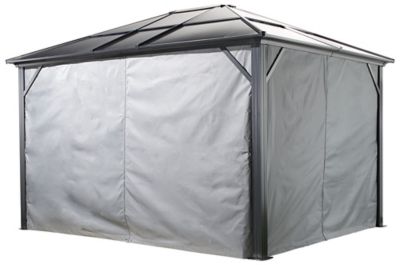
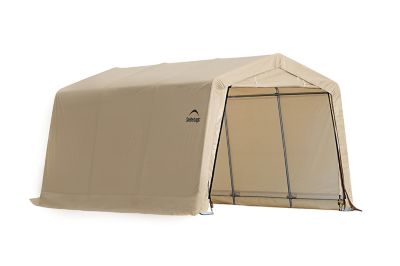
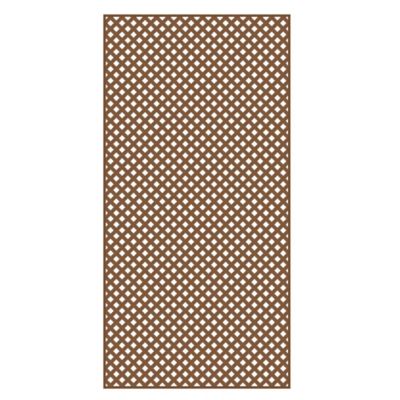
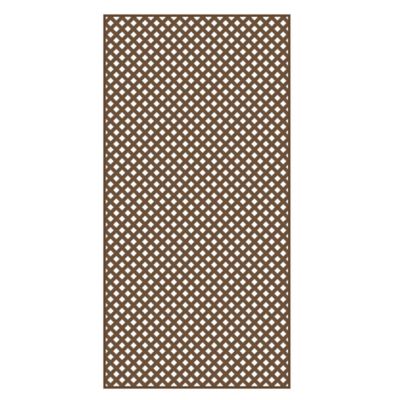
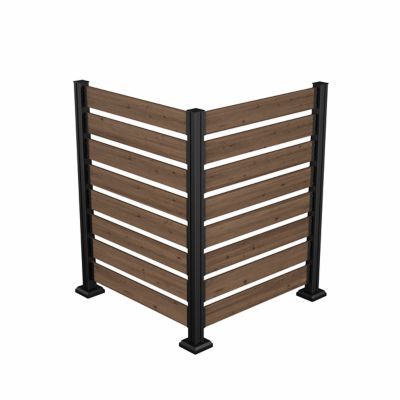
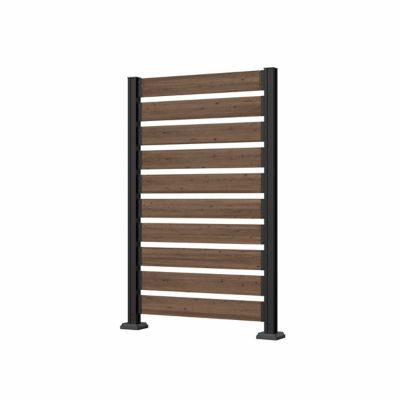
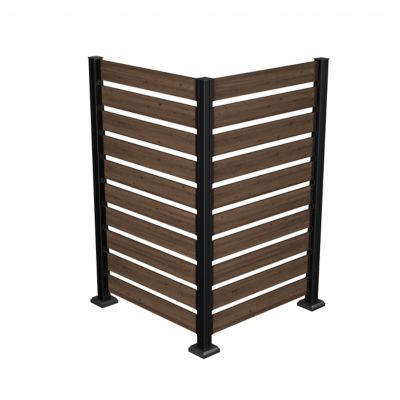
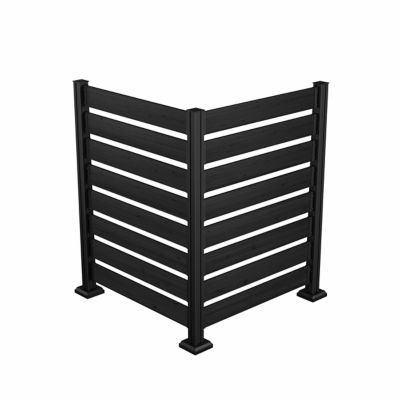
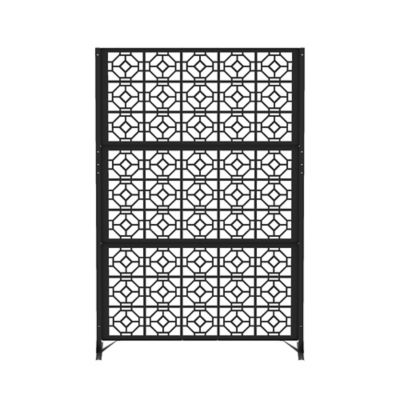
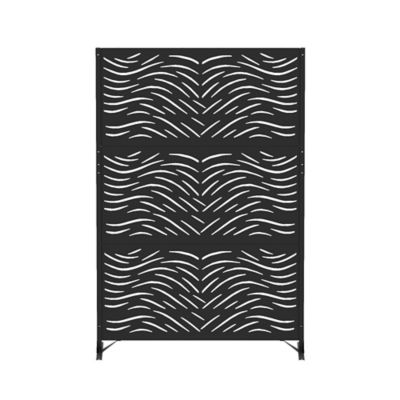
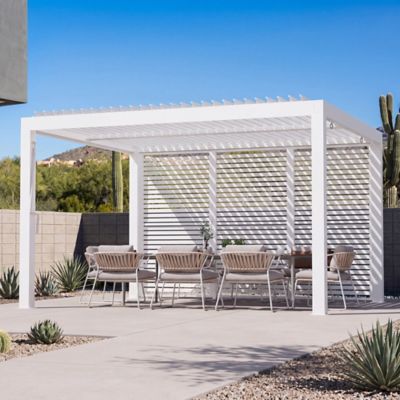
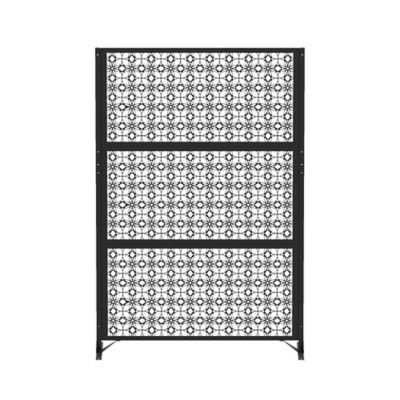
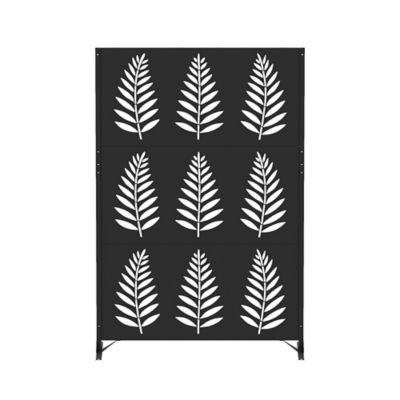
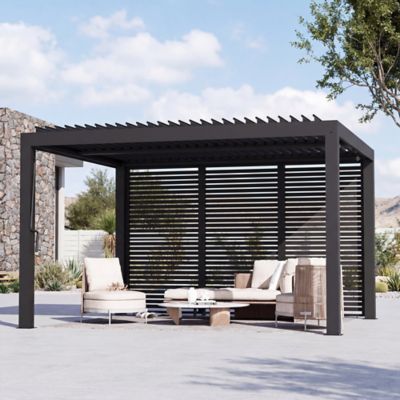
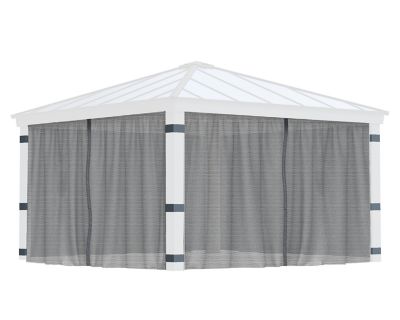
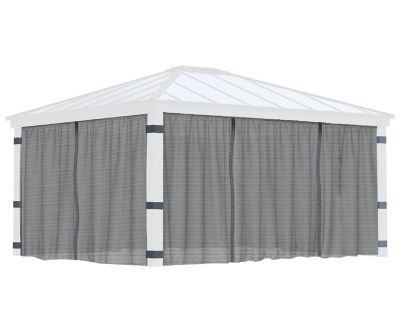
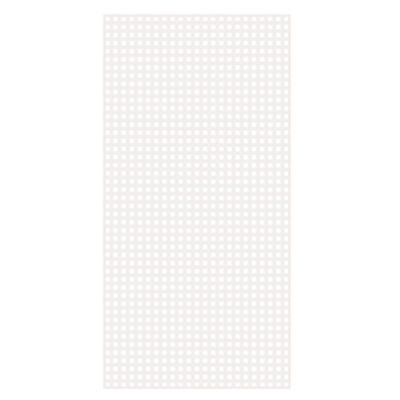
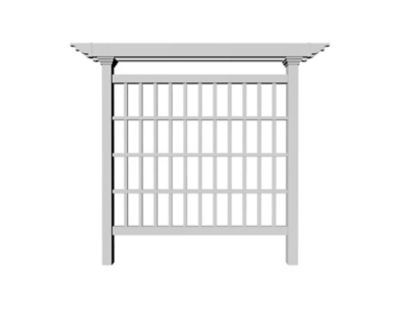
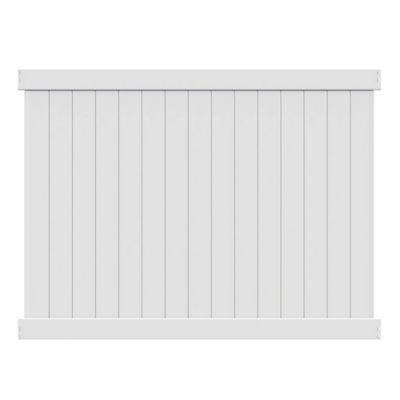
Privacy panels for patios create a visual barrier around an outdoor sitting area, helping block views from neighboring yards, nearby walkways, or a shared driveway. They can also soften the sight of trash bins, storage corners, and other everyday necessities without closing off the whole patio. Unlike a full fence around a property, a panel can focus coverage where it matters most: beside the dining table, behind a pair of chairs, or along the edge facing the next house. That makes these screens a practical fit for small-town backyards, farmhouse patios, and compact outdoor spaces where a little separation goes a long way. The amount of privacy depends on the panel’s height, width, material, and spacing. Solid sections offer more visual coverage, while lattice, open patterns, and spaced slats leave gaps for light and views. Neither style should be mistaken for a soundproof wall; a panel may interrupt a direct view without keeping conversation from carrying beyond the patio. Sightlines also change depending on whether someone is seated at a table, standing on a neighboring deck, or walking past an opening. A screen that feels just right behind a bench may leave more exposed beside taller seating. For a comfortable arrangement, panel dimensions need to work with both the furniture and the surrounding space. A wide section can create a quiet-looking backdrop for a gathering spot, while a narrower one can separate a grill area from a place to sit without making the patio feel boxed in. Straight runs create a clear boundary, and corner arrangements bring more enclosure to an open slab or paved area. Openings still matter, especially along the route between the back door, steps, and yard. Leaving that everyday path clear keeps the setup feeling like part of the home rather than an obstacle to work around when carrying supper outside or bringing chairs back to the shed. Even a single well-placed section can make a familiar patio feel more settled and less exposed.
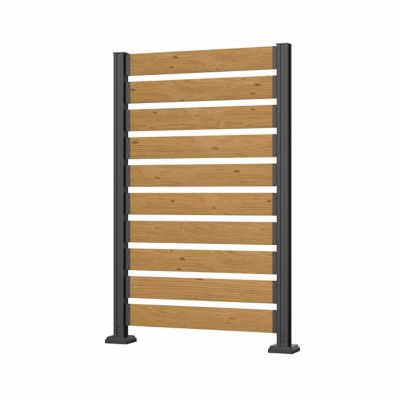
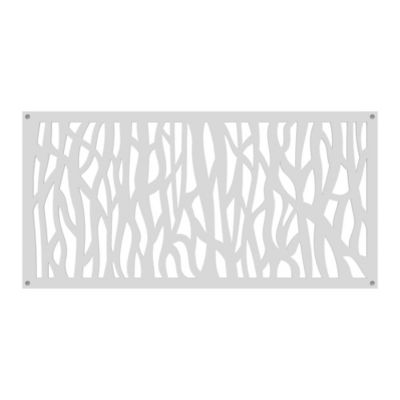
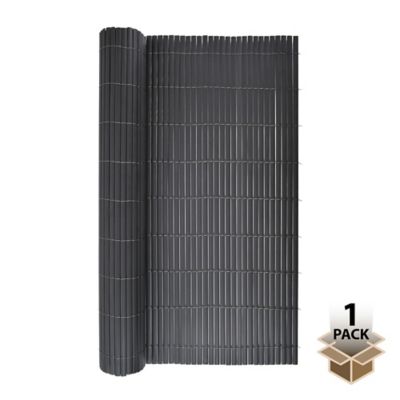
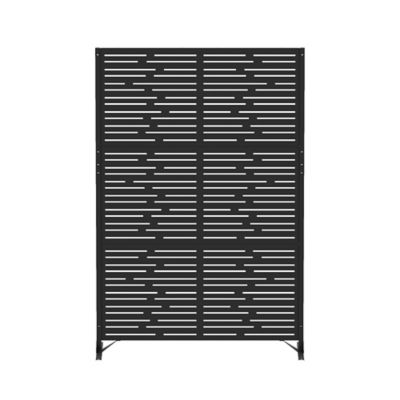
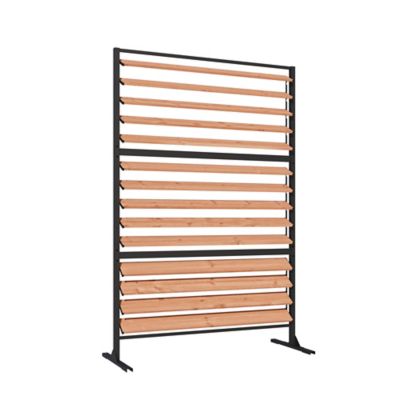
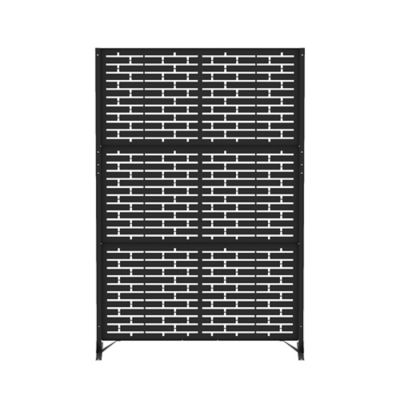
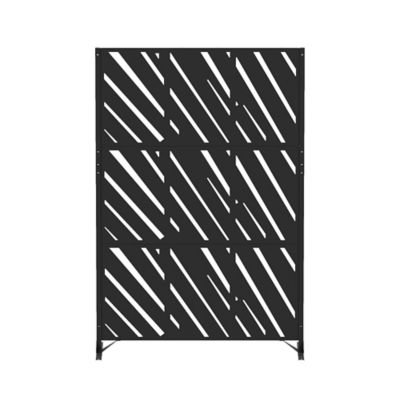
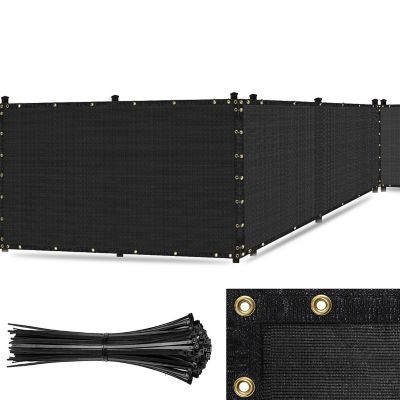
Material affects how patio privacy panels look, feel, and hold up to everyday outdoor use. Wood brings visible grain and a familiar look that sits comfortably beside porch posts, garden beds, and simple outdoor furniture. Depending on the wood and finish, its care may include cleaning, checking fasteners, and renewing a protective coating according to the manufacturer’s directions. Bamboo and reed screens offer a lighter, textured appearance, though their coverage can vary with the spacing and thickness of the individual pieces. They may suit a casual sitting corner better than a spot where a rigid, fully opaque barrier is the goal. Vinyl and resin panels often have smooth surfaces that are straightforward to wipe down, while their construction, reinforcement, and mounting details help determine how firmly they stand. Metal panels bring a more defined outline and can range from solid sections to open cutout patterns. Aluminum and steel have different weights and care needs, and protective finishes deserve attention around scratches, edges, and connection points. Composite panels combine a more uniform appearance with care requirements that depend on their particular construction. Across all these materials, an outdoor rating matters more than appearance alone. Panel thickness, frame strength, secure connections, and compatible hardware all contribute to service life. A tall, substantial-looking screen still needs a base or mounting system suited to its dimensions. For routine care, many surfaces benefit from a soft brush or cloth and a cleaner approved for that material; harsh abrasives can damage finishes instead of improving them. Keeping soil, leaves, and other buildup away from the bottom edge also makes cleaning easier and keeps the base accessible for inspection. Color and pattern have a practical side, too. A dark, solid panel creates a strong backdrop behind pale cushions or green plants, while a lighter, more open screen can blend into a smaller patio without making the boundary feel as heavy. Matching every surface is not necessary; repeating a fence color or furniture finish can help the space feel pulled together.
The right fit also depends on how a privacy panel stays in place. Freestanding designs offer separation without necessarily becoming part of a permanent fence, but their feet, supports, and required anchoring still take up space. Surface-mounted panels connect to a suitable structure, while post-mounted arrangements call for an installation that matches the panel system and the location. Concrete, pavers, deck boards, and bare ground are not interchangeable mounting surfaces, and a tidy installation depends on the supporting structure beneath the visible finish. Connection hardware should match both the panel material and the mounting surface, with enough room around the base to keep feet and chair legs from catching. Renters may prefer removable arrangements when permitted, while homeowners creating a lasting patio boundary may lean toward a more permanent layout. For a longer enclosure around the sitting area,
Privacy Fences For Patios offers a related category to consider alongside individual panels. Local rules, property lines, and any applicable association requirements can affect height and placement, even when the goal is simply screening a table from view. Panels placed near air-conditioning equipment need to preserve the equipment manufacturer’s access and clearance requirements rather than forming a tight enclosure. Around a grill, the appliance’s clearance requirements take priority over the panel layout. Privacy screens also are not substitutes for required pool barriers, deck guardrails, or livestock fencing. Their main job is to shape an outdoor living space and reduce unwanted views. That can mean giving a couple a quieter-looking place for morning coffee, helping a family separate a play corner from the dining area, or making a shared property feel a little less open. With room for chairs to pull back, gates to swing, and a hose to reach nearby plants, the finished arrangement can bring welcome separation while keeping the patio comfortable for everyday life.