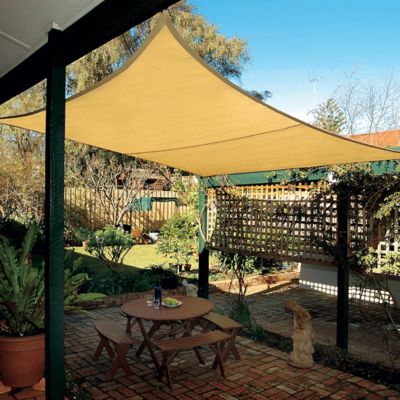
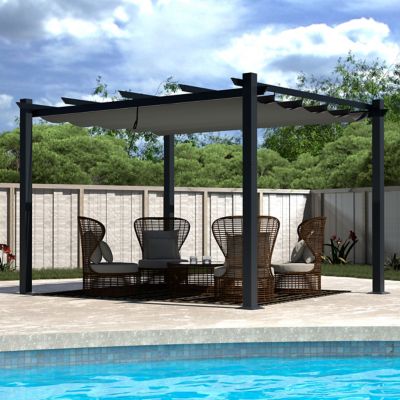
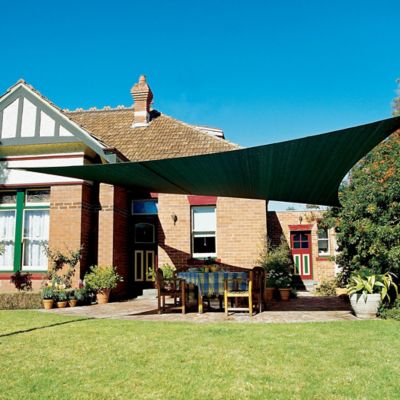
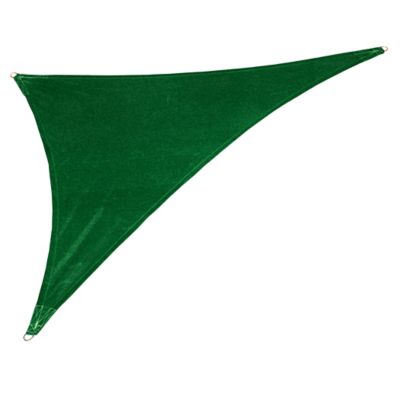
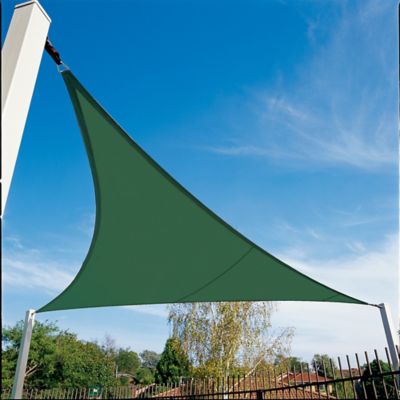
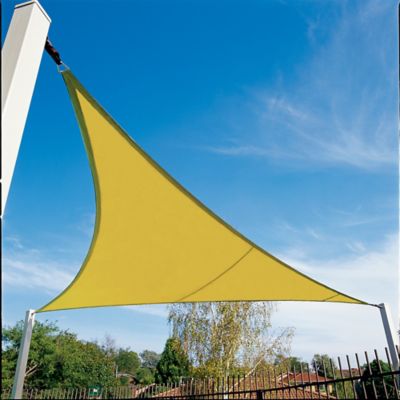
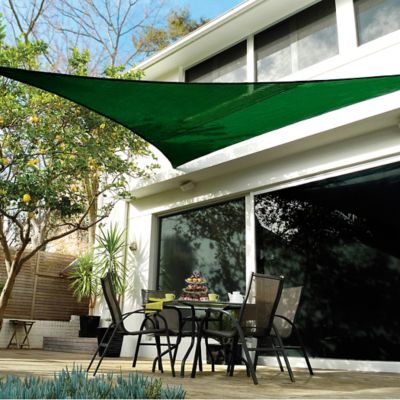
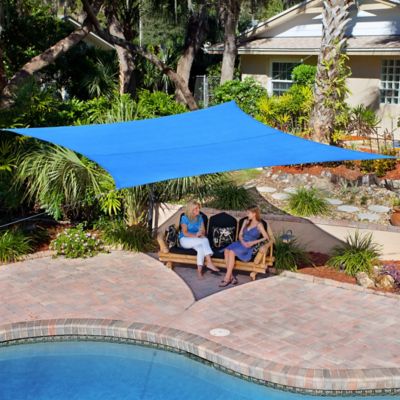
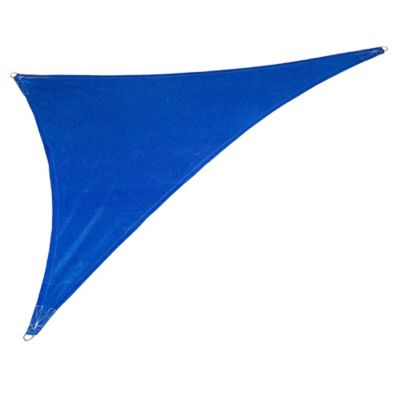
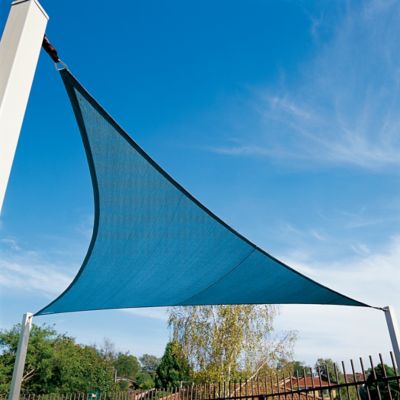
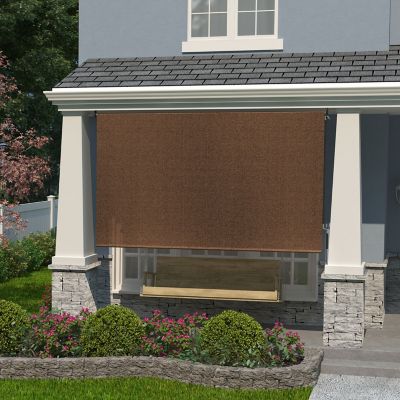
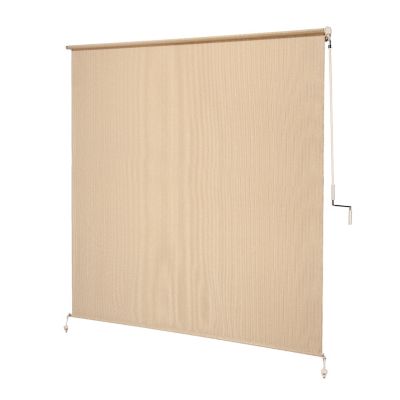
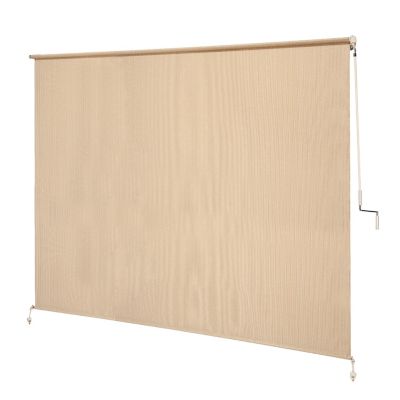
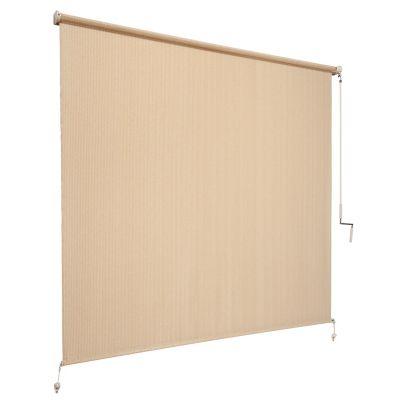
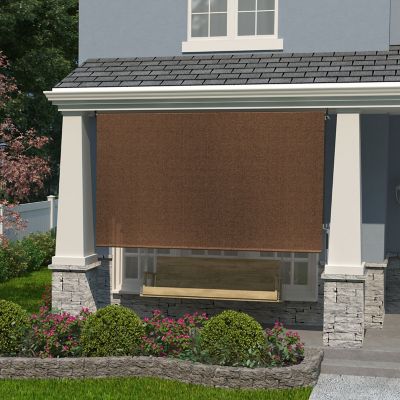
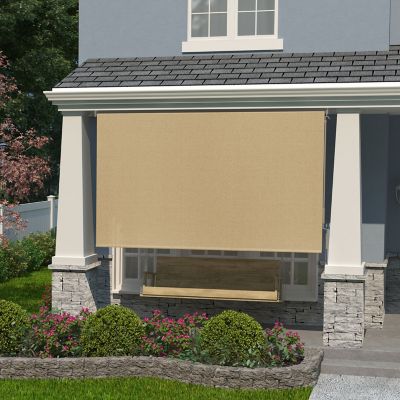
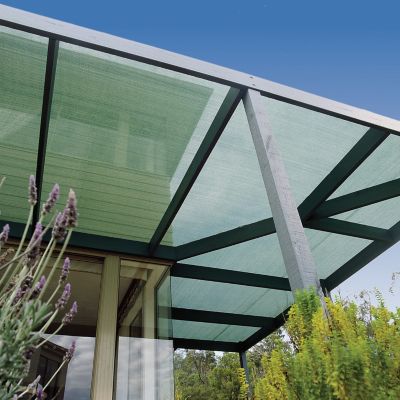
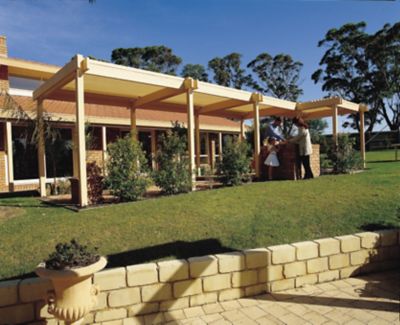
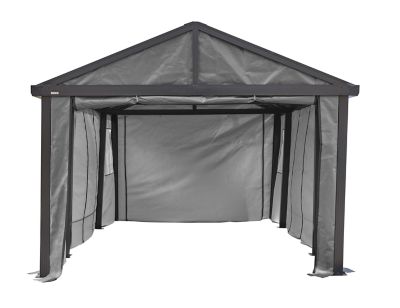
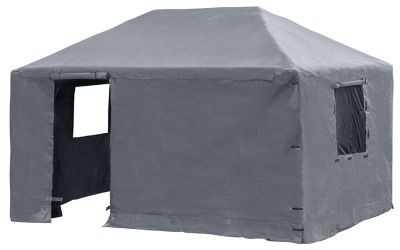
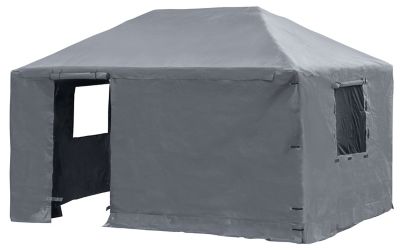
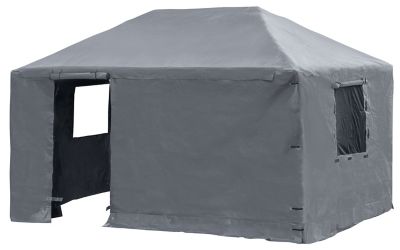
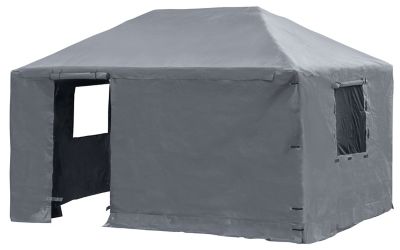
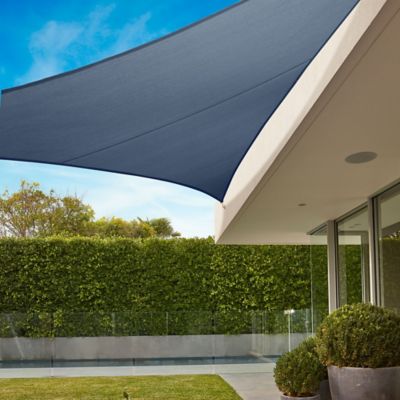
Outdoor shade solutions help make a sunny patio, deck, porch, or stretch of yard more comfortable by reducing direct sun and glare. The main options include shade sails, patio umbrellas, cantilever umbrellas, canopies, pergolas, gazebos, retractable awnings, and outdoor roller shades. Each suits a different kind of space: an umbrella covers a smaller seating area, a shade sail stretches overhead between suitable anchor points, and an awning extends coverage outward from a building. A pergola creates an open framework that may need a fabric cover or other overhead layer for fuller shade, while a gazebo generally has a more complete roof. For a farmhouse porch that catches low afternoon sun, a vertical roller shade may do more good than adding extra coverage overhead. Around a backyard table, an offset umbrella can keep its support pole away from the middle of the gathering spot, provided there is room for its base. Open lawns and occasional gathering areas may suit a freestanding canopy, with anchoring matched to the surface and the manufacturer’s requirements. The right fit depends on where people sit, how the sun crosses the property, and whether the shade needs to stay put or move between activities. A place for coffee before chores has different needs than a long table where the family settles in for supper. Even during the cooler months, bright sunlight can wash across a porch swing or make an outdoor meal less comfortable. Shade can soften that exposure without closing off the whole view of the yard. It can also give gardeners a pleasant spot to sort seed trays, offer a shaded resting area beside an outdoor workspace, or make a seating corner more inviting for visiting neighbors. Coverage should reach the space people actually occupy, not just look right above it; the shaded footprint shifts as the sun moves, particularly when sunlight comes in at a low angle. A broad roof or canopy does not necessarily block sun from the sides, which makes placement just as important as overall size.
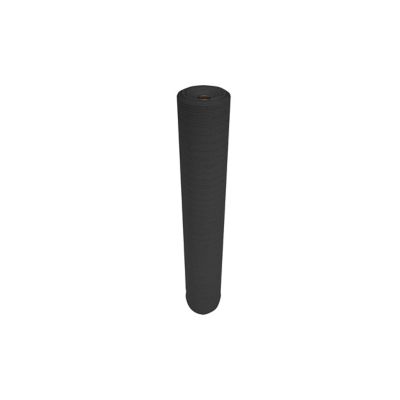
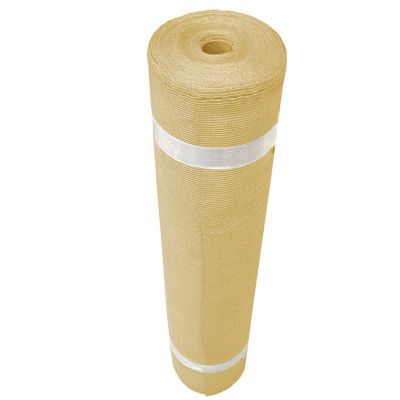
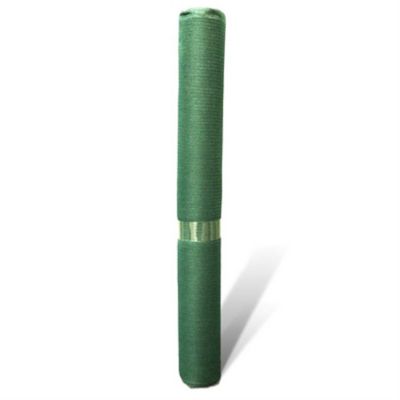
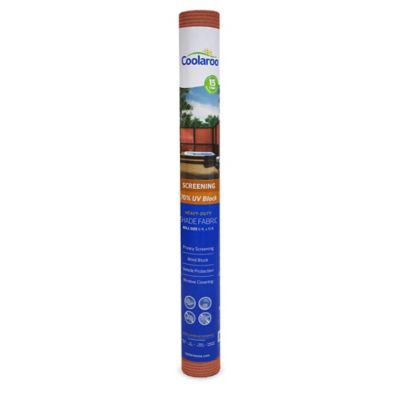
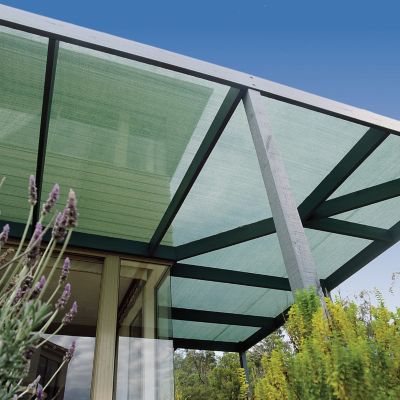
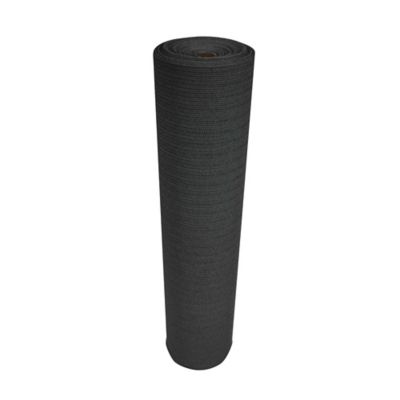
Materials play a big part in how outdoor shade feels and how much attention it needs over time. Knitted high-density polyethylene, often called HDPE, commonly appears in shade cloth and shade sails because its open structure lets air pass through while filtering sunlight. That airflow can help keep an area from feeling boxed in, but an open weave is not a rainproof roof. Woven polyester and acrylic fabrics also appear in outdoor shade coverings, with performance depending on the fabric construction, finish, and stated ratings. Water-resistant fabric may shed a light shower, while waterproof coverage requires suitable fabric, seams, pitch, and installation; those terms are not interchangeable. UV protection varies, too, so a fabric’s stated UV-blocking performance is more useful than its color or thickness alone. Shade does not eliminate exposure to reflected or indirect sunlight. For flexible coverage over a sitting area or along an exposed patio edge,
Shade Cloths For Patios offer a way to explore fabric shade suited to those spaces. The amount of light a cloth filters affects both the brightness beneath it and how enclosed the area feels. A denser cloth may create deeper shade, while a more open fabric allows more light through. Frames and supports deserve the same attention as the cover. Aluminum is relatively light and resists rust, making it practical for movable shade setups. Steel provides strength, though protective finishes need attention wherever scratches expose the metal. Wood brings a familiar look to porches and garden seating areas, with upkeep that depends on the species, finish, and exposure to moisture. Hardware, stitching, reinforced edges, and attachment points all contribute to how a setup holds together through regular opening, closing, and seasonal changes. On a gravel-side patio where dust drifts in from the drive, washable surfaces and easy-to-reach fabric edges can make routine care less of a chore. Near trees, removable covers can simplify clearing away fallen leaves, twigs, and sap before stains have time to settle.
Size and placement matter most when outdoor shade becomes part of everyday life. Beyond the table or bench dimensions, there needs to be room for chairs to slide back, doors to swing open, and folks to pass through without stepping over bases or ducking under low edges. Cantilever umbrellas need clearance for the canopy’s movement and the full base footprint. Shade sails need spacing for tensioning hardware and a layout that follows the maker’s installation directions, rather than a fabric panel stretched tightly into whatever gap happens to be handy. Attachment points must be suitable for the loads involved; fence boards, gutters, and porch trim are not substitutes for properly designed supports. Wall-mounted awnings likewise need mounting surfaces that can carry their loads. For larger structures, local permit rules, utility locations, and installation requirements may affect where they can go. Wind exposure is another practical difference between a sheltered porch and an open yard beside a pasture. No fabric shelter should be treated as storm protection, and movable or retractable shade needs closing, removal, or storage when the manufacturer calls for it. Snow and ice can add loads that many seasonal covers are not designed to carry. A little regular care helps preserve both appearance and service life: brush away loose debris, clean fabric with products permitted by its care instructions, rinse as directed, and let it dry fully before storage. Keep moving joints free of grit and check fasteners, cords, and tension points for wear. Coverage near an outdoor cooking area also needs the clearances required by both the shade structure and the cooking equipment; fabric should stay clear of flames, sparks, and hot exhaust. For households that spend plenty of time outside, a manageable setup often earns its place faster than an elaborate one. An easy-to-operate crank, an accessible shade pull, or a cover that comes down without a wrestling match can make the difference between shade that gets enjoyed regularly and shade that feels like another chore. Thoughtful coverage leaves room for the breeze, the view, and the everyday business of gathering outside.