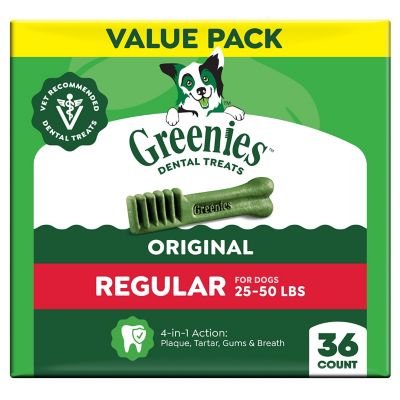
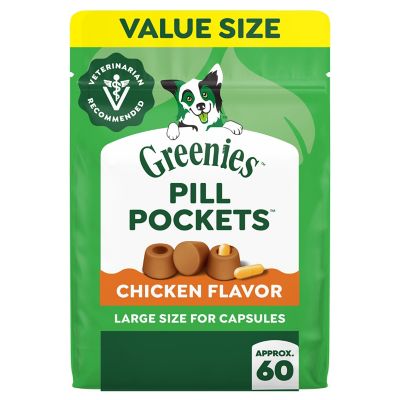
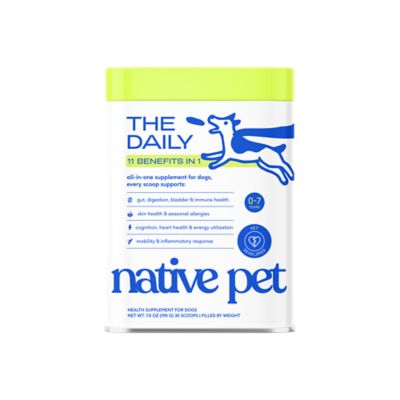
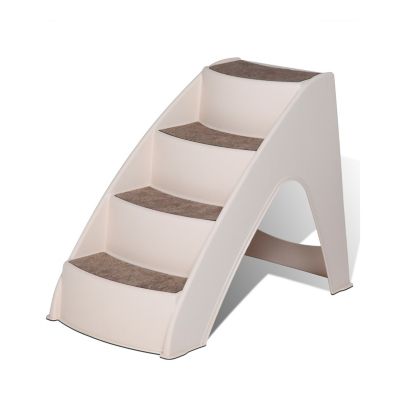
Senior pets often need a little more support to stay comfortable, active and confident as they age. An older dog or cat may still greet you at the door, follow you around the yard and enjoy a familiar routine, but small changes can make everyday tasks harder than they used to be. Stiff joints, reduced vision or hearing, dental trouble, weight changes and a slower metabolism can all affect the way a pet eats, sleeps, plays and moves through the house. Senior pet care products are designed to help make those daily moments easier, from resting and getting around to staying hydrated and mentally engaged. Look for bedding with plenty of cushioning and low, easy-to-step-over sides, especially if your pet has trouble climbing or settling down. A warm, quiet resting spot away from drafts and heavy household traffic can be especially welcome during the cooler months. For pets that spend time on smooth floors, traction mats, runners or washable rugs can help prevent slipping and give older paws a steadier path between the bed, food area and favorite window. Stairs or ramps may also help a dog reach the couch, porch, vehicle or other familiar places without jumping. Choose a design that feels sturdy underfoot, has a gentle slope or comfortable step height, and suits your pet’s size and mobility. These kinds of comfort and access items can make thoughtful gifts for family members caring for an aging pet, especially when you have noticed that a once-simple trip into the truck or onto the sofa has become a careful, slow process.
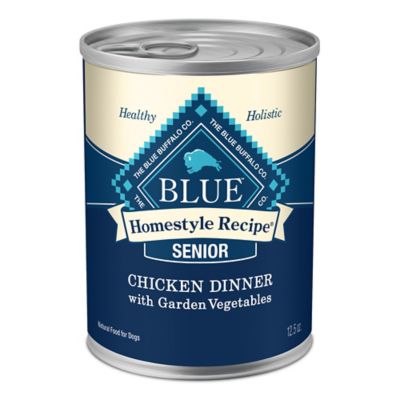
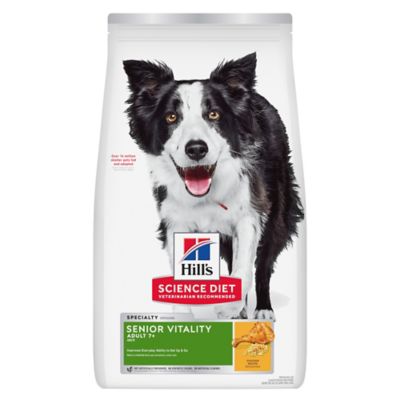
Nutrition is another important part of caring for an older pet. Senior dogs may burn fewer calories than they did in their younger years, while dental sensitivity, digestive changes or medical conditions can affect what they tolerate well. A balanced food made for an older dog may be easier to digest and help provide appropriate calories for a slower metabolism, but every pet is different. Consider your dog’s age, size, activity level, body condition and any advice from a veterinarian when choosing a diet. The
Senior Dog Food selection can help you compare options intended for aging dogs. Keep fresh water available throughout the day, and place bowls where your pet spends time rather than making an older animal walk far across the house. In a multilevel home, having water on each floor can be useful. Wide, stable bowls may be easier for some pets to use, while raised feeding arrangements should be chosen carefully based on your veterinarian’s recommendation and your pet’s comfort. Watch for changes in appetite, thirst, chewing, weight or bathroom habits, since these may point to a health concern rather than simple aging. Regular veterinary visits are especially valuable for senior pets; many veterinarians recommend wellness exams about every six months so changes can be found early. Routine conversations may include dental care, bloodwork, weight checks, joint evaluations and ways to manage pain or other age-related concerns. Joint-support supplements and fatty-acid products are sometimes used for older pets, but they should be selected with veterinary guidance to avoid unwanted interactions or an unsuitable dose.
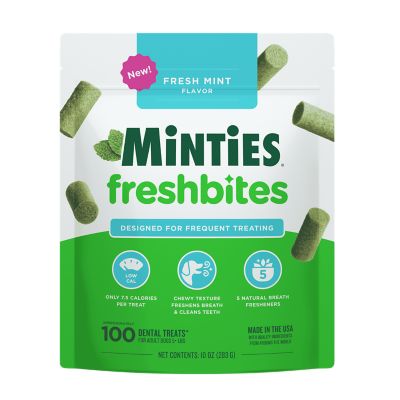
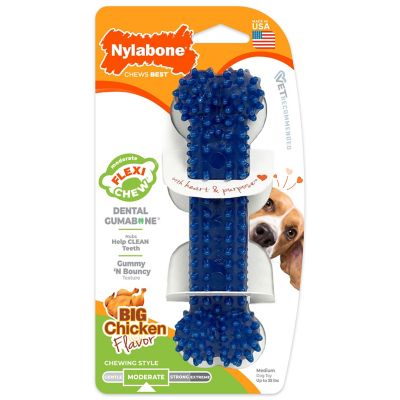
Comfort does not have to mean giving up movement or play. Short, easy walks can help maintain muscle and support a healthy weight without putting too much strain on stiff joints. During cooler weather, older pets may appreciate a warm-up indoors, a shorter route and a soft place to rest afterward. Let your dog set the pace, avoid forcing activity on slippery or uneven ground, and pay attention to limping, heavy panting, reluctance to move or soreness that lasts after exercise. Gentle indoor activities can keep an aging pet interested when outdoor conditions are unpleasant. Treat-dispensing games, simple puzzle toys, scent games and supervised play encourage problem-solving without requiring long runs or sharp turns. Hiding a few pieces of the pet’s regular food around a safe room can turn mealtime into a sniffing activity, while a slow stroll along a new path gives a dog plenty of interesting smells without covering a great distance. Older cats may enjoy low-entry litter boxes, scratchers that are easy to reach and toys that invite brief bursts of movement. Keep pathways clear, use night-lights where vision is limited, and avoid rearranging furniture too often so your pet can move with confidence. Grooming supplies, dental-care items and easy-to-clean feeding accessories can also support a steady routine, especially for pets that need more frequent attention. The best senior pet care setup is one that fits the animal’s habits and the household’s rhythm: a dependable bed near the family, water within reach, safe footing on slick floors, gentle activity and close observation from the people who know that pet best. As the seasons shift and pets spend more time indoors, these simple adjustments can help an older companion remain comfortable, engaged and included in everyday life.