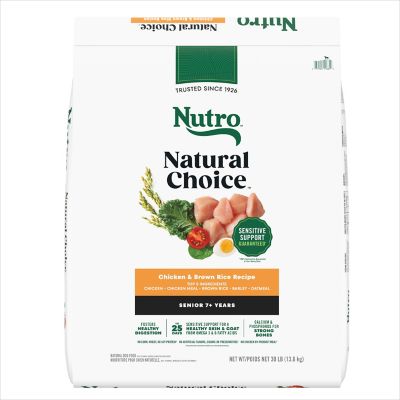
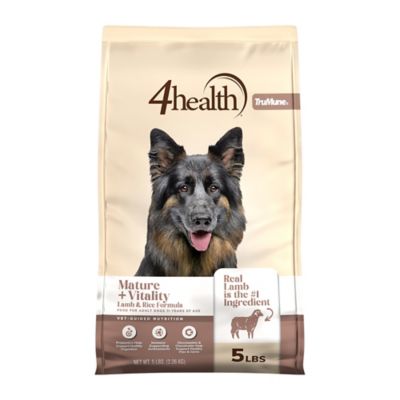
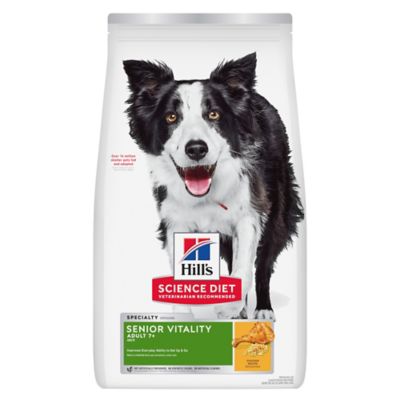
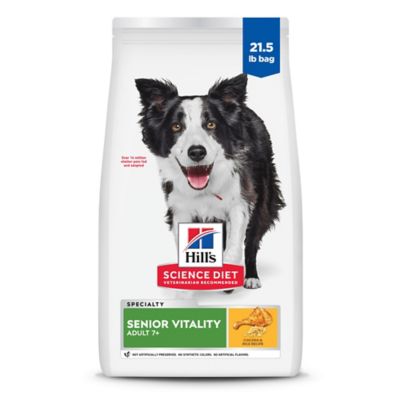
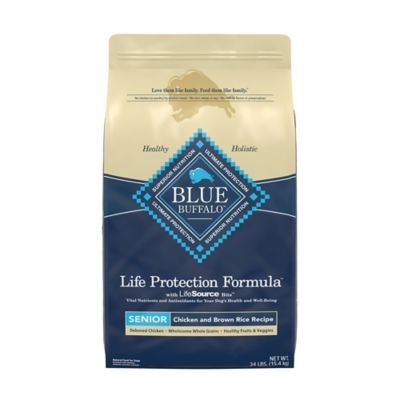
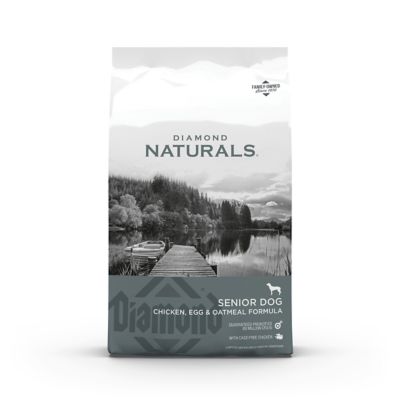
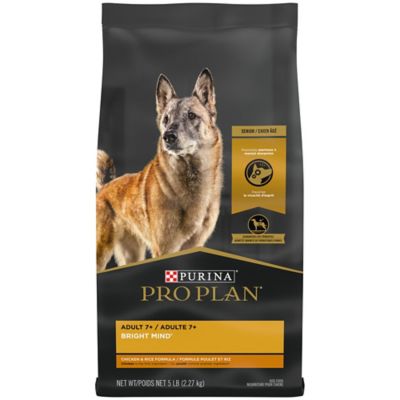
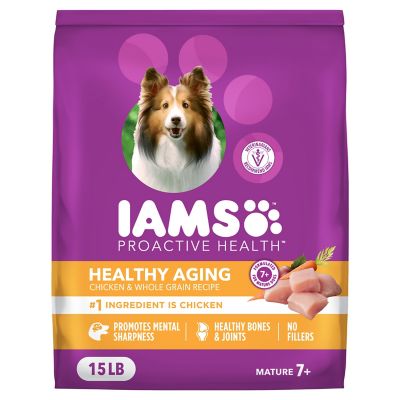
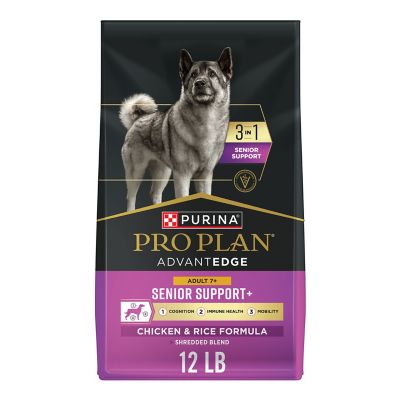
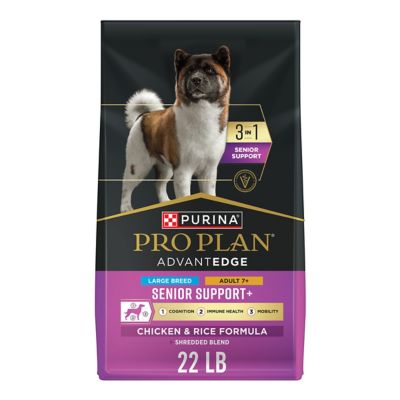
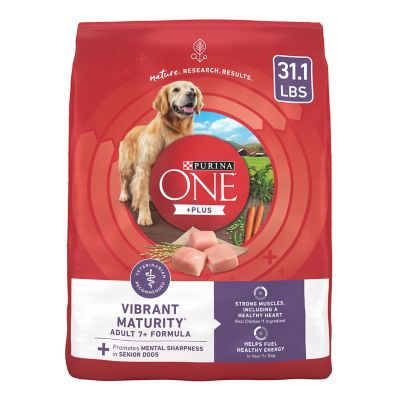
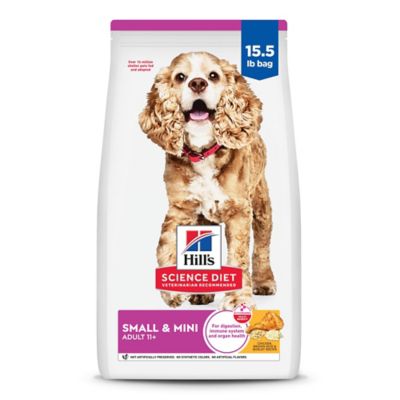
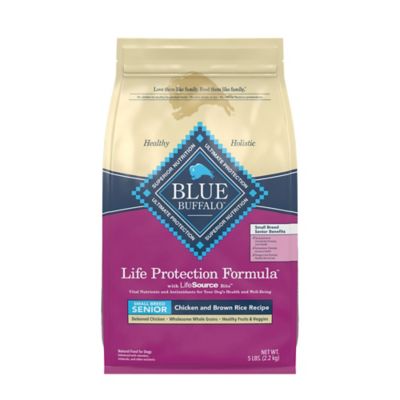
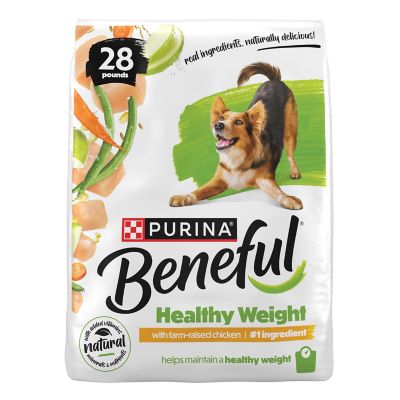
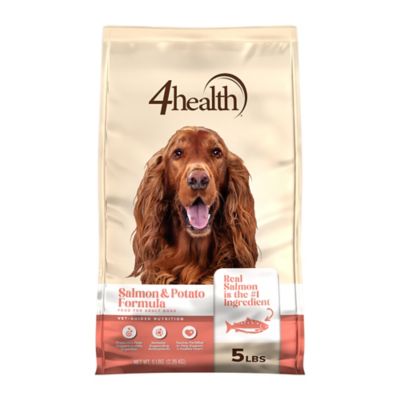
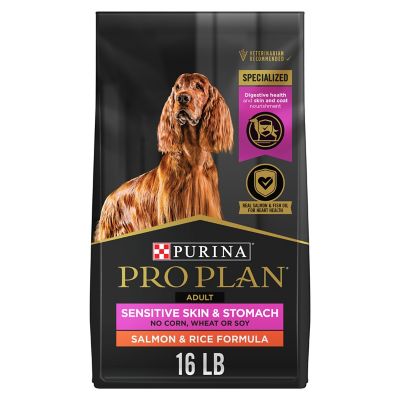
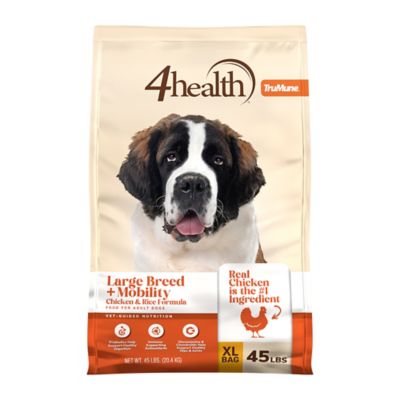
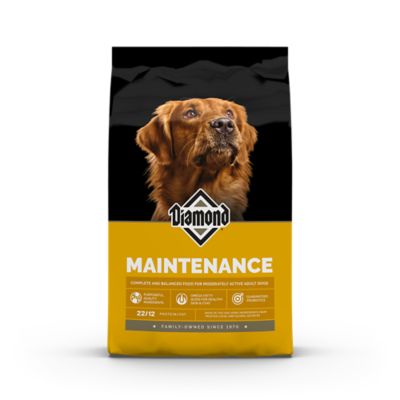
Senior dry dog food can make mealtimes easier for older dogs while helping owners keep an eye on the changes that come with age. Many dogs are considered seniors around 7 or 8 years old, though the right timing depends on breed, size, and overall health. A little gray around the muzzle, slower trips across the yard, longer naps in a sunny spot, or a bit less interest in chasing a ball can all be normal signs of an aging companion. Dry food made for senior dogs is often designed with those changing needs in mind, offering balanced nutrition in a crunchy, easy-to-store form. Look for a formula that lists a high-quality animal protein near the top of the ingredient list to help maintain lean muscle, since older dogs can lose muscle even when their weight stays the same. Digestible ingredients may be especially helpful for dogs with touchy stomachs, while a steady calorie level can help keep a less-active dog from putting on extra pounds. Weight matters more than many folks realize: carrying extra weight puts added strain on aging hips, knees, and backs, and can make ordinary activities such as climbing porch steps or walking out to the barn more difficult. Measured portions, regular activity, and fresh water are useful parts of a senior feeding routine, along with following the serving guidance on the bag and adjusting portions with a veterinarian when needed.
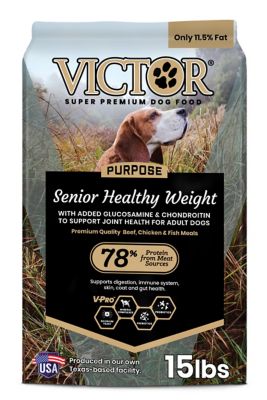
When comparing senior dry dog food, pay close attention to the guaranteed analysis and the specific needs of the dog eating it. Formulas with appropriate protein can support muscle maintenance, while controlled fat and calorie levels may suit dogs that spend more time lounging by the woodstove than running through the pasture. Ingredients such as glucosamine and chondroitin are commonly included to support joint care, and some recipes provide omega-3 fatty acids, including EPA and DHA, for skin, coat, and overall wellness. These nutrients do not replace veterinary treatment, but they can be part of a thoughtful daily diet for a dog that is beginning to move a little slower. Some senior recipes also include ingredients intended to support alertness and cognitive health, which may be useful for dogs that seem unsettled, forget familiar routines, or need a bit more encouragement at mealtime. For dogs with allergies or sensitive digestion, compare protein sources and avoid making a sudden switch. Mix the new food with the old over several days, gradually increasing the new portion while watching stool, appetite, and energy. Grain-free food is not automatically the best choice for every senior dog, and a recipe containing grains may be perfectly suitable when it agrees with the dog and fits veterinary guidance. Dogs with diagnosed kidney disease or other medical conditions may need a diet with carefully managed phosphorus, protein, or other nutrients, so owners should ask their veterinarian before choosing a therapeutic or restricted formula.
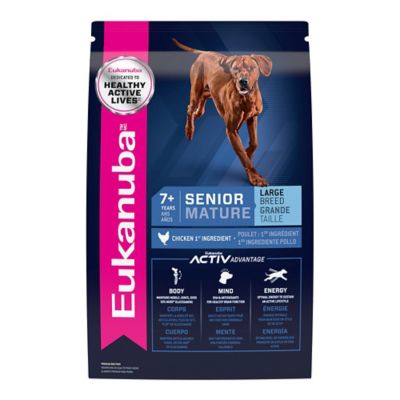
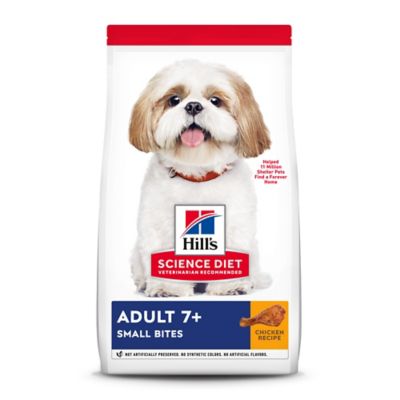
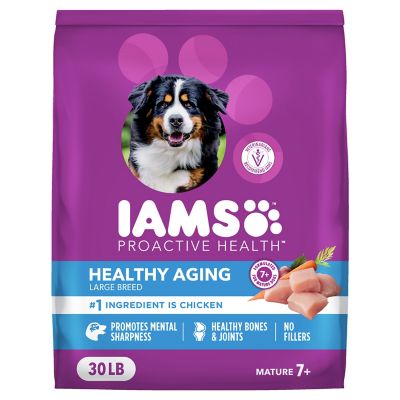
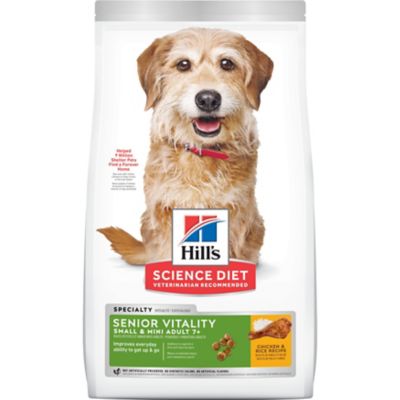
Breed and body size also play a part in finding a good fit. A small older dog may do better with a smaller kibble size that is comfortable to pick up and chew, while a larger dog may benefit from nutrition that supports a heavier frame and aging joints. Owners shopping for a bigger companion can browse
Large Breed Senior Dog Food for options made with large dogs in mind. Dental condition is another practical consideration: crunchy kibble may help reduce some surface buildup, but it cannot take the place of regular dental care, and a dog with sore teeth may need a different texture or softened food. During the warmer part of the year, keep the bag sealed in a cool, dry place away from direct sun, and make sure an older dog has plenty of water after a walk or time outside. As the weather turns cooler, senior dogs may spend more time indoors and burn fewer calories, so portion control becomes even more important. Feeding at the same times each day can help dogs that rely on routine, and placing the bowl on a nonslip mat can make mealtime steadier for a dog with stiff legs. Senior dry dog food can also be a practical gift for a family member caring for an aging dog, especially when paired with a sturdy food container, measuring scoop, or soft blanket for the favorite resting spot. A gradual transition, regular check-ins, and attention to small changes in appetite, weight, water intake, mobility, and behavior help owners choose food that fits the dog’s life now—not just the age printed on the bag.