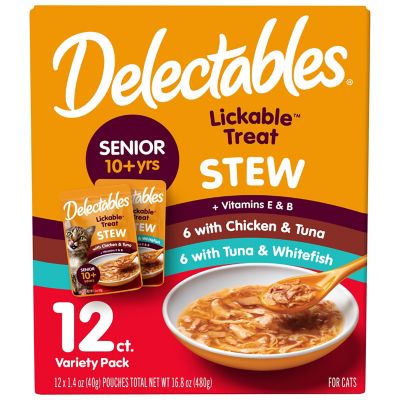
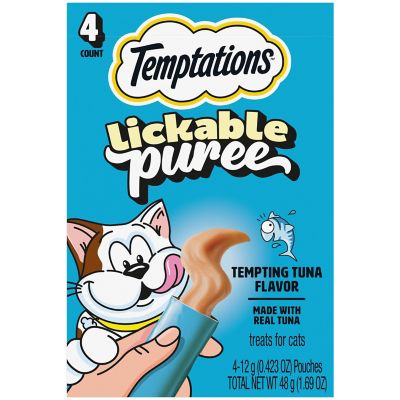
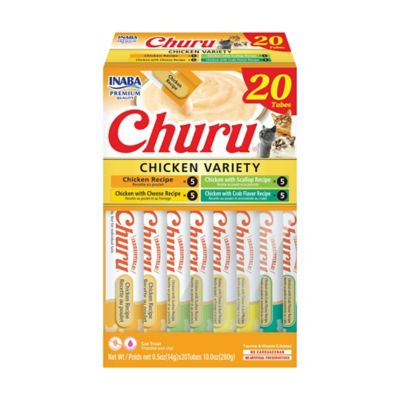
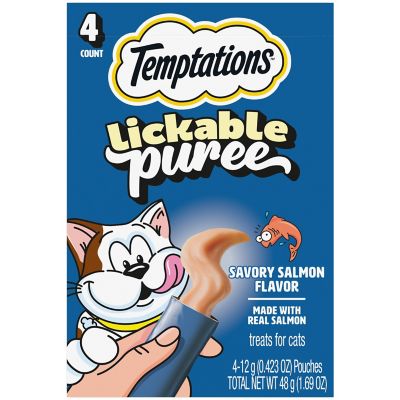
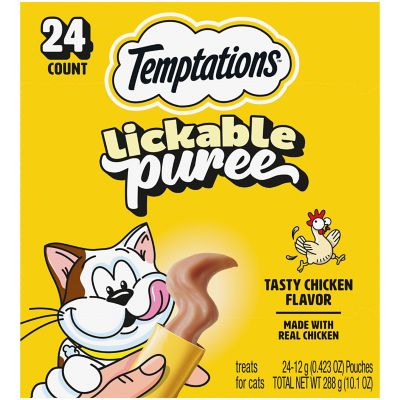
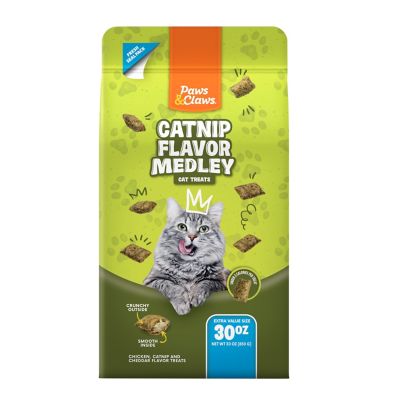
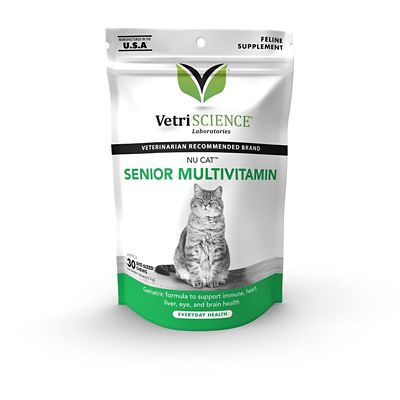
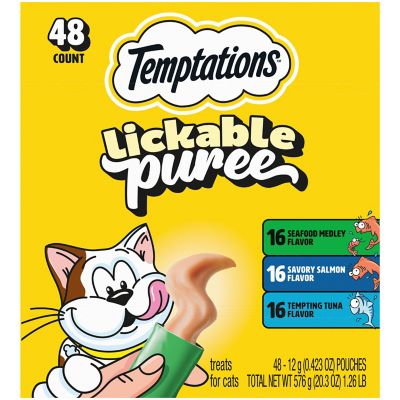
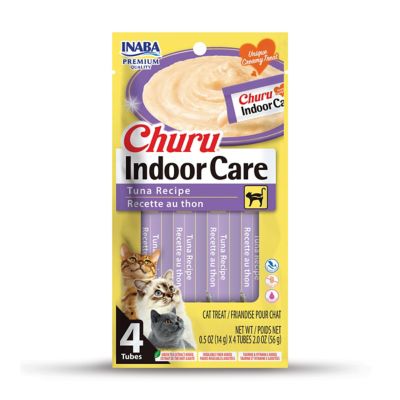
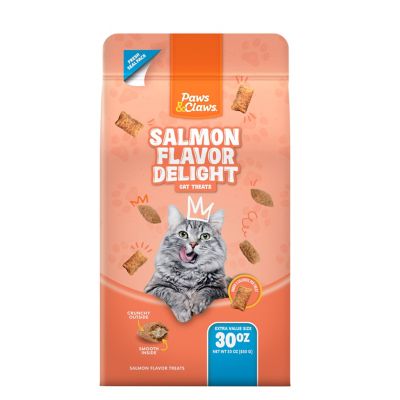
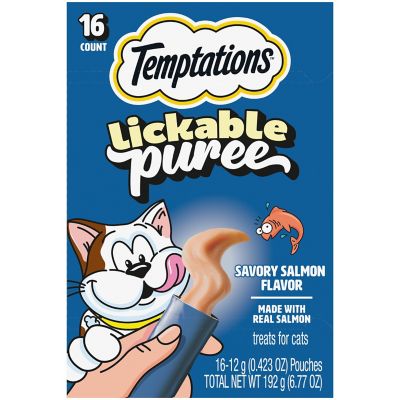
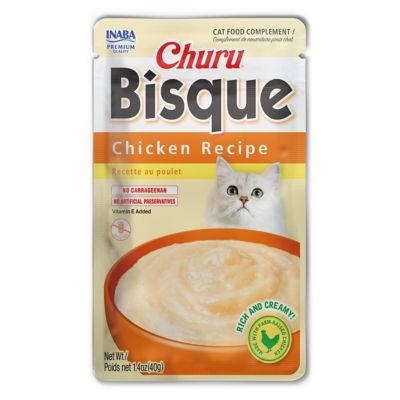
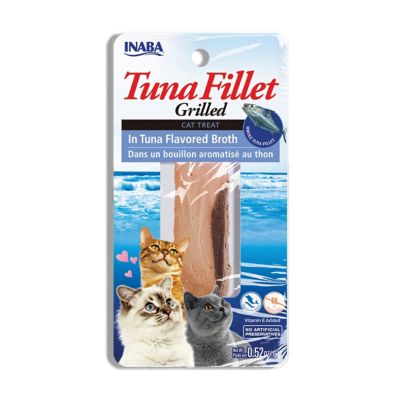
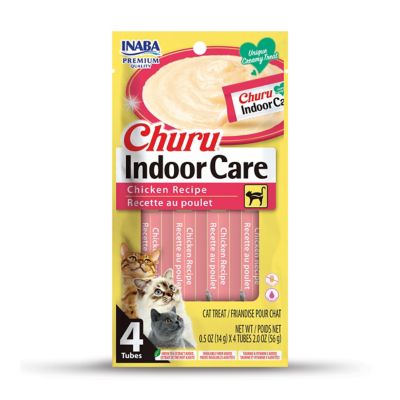
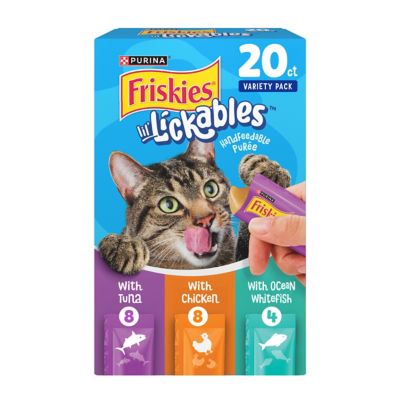
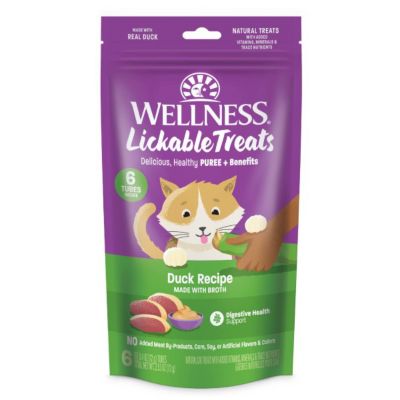
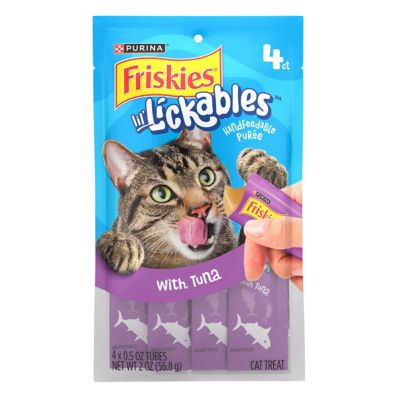
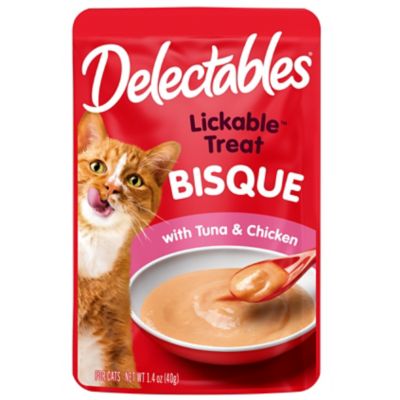
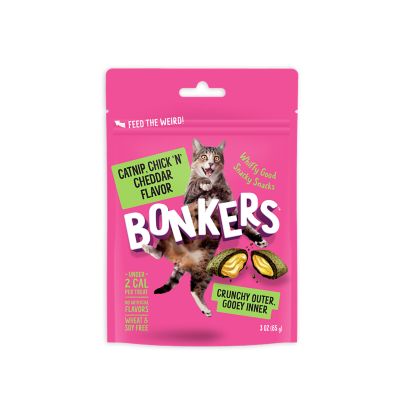
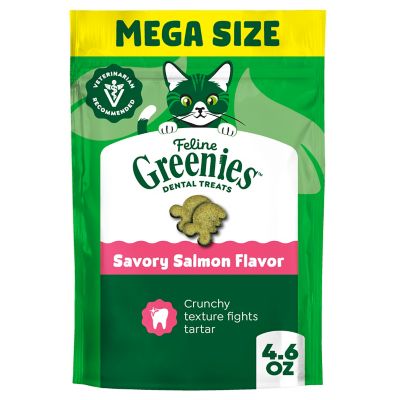
Choosing cat treats for senior cats calls for a little more thought than simply picking the flavor your cat liked as a kitten. Older cats may have tender gums, missing teeth, a slower digestive system, or less interest in food than they once had, so texture and moisture can make a big difference. Soft and chewy bites, smooth lickable purees, finely flaked morsels and tender stews are often easier for aging cats to manage than hard, crunchy snacks. Moist treats can also add a small bit of extra water to the day, which may be helpful for cats that do not visit the water bowl often. Still, treats should remain a small part of a complete feeding routine, and fresh water should always be available. When comparing options, check the guaranteed analysis and ingredient list, and look for a simple recipe with a meat or fish ingredient your cat already enjoys. Low-calorie choices can be useful for cats that spend more time napping than chasing toys, while highly palatable treats may help tempt a picky eater or make everyday handling less of a chore. A creamy treat on a spoon can turn nail trimming into a calmer routine, and a few soft bites can reward a cat for coming in from the porch, stepping onto a scale or settling into a carrier. For a broader look at thoughtful snack choices, browse
Healthy Cat Treats and keep your own cat's age, appetite and chewing ability in mind. A cat is generally considered senior around 11 years of age, though individual cats show their age at different times. Some still crunch happily well into their later years, while others need a soft texture long before that. Watch how your cat handles each snack: dropping pieces, chewing on one side, pawing at the mouth, swallowing without chewing or walking away from a favorite food can point to dental discomfort and deserves a call to the veterinarian. Treats should never take the place of a dental checkup, prescribed diet or medication, and cats with kidney disease, diabetes, food allergies, digestive trouble or other health concerns may need treats approved by their veterinary team.
Many senior-cat treats are made with added ingredients meant to support an aging pet's overall well-being. Omega-3 fatty acids are commonly included in recipes for their role in supporting normal skin, coat and joint health, while taurine is an important nutrient for cats and is found in many complete feline diets and specialty snacks. Vitamins such as E and C may appear in functional formulas that are designed to support normal immune function, and some recipes include collagen or other nutrients associated with mobility and connective tissue. These additions can be useful considerations, but the amount in a treat may be modest, and no snack can reverse arthritis, repair damaged teeth or manage an illness on its own. Read feeding directions carefully, especially when a package offers several pieces per serving, and account for treats along with meals so an older cat maintains a healthy weight. For cats with stiff joints, place a small dish or mat on the floor rather than asking them to jump, and offer rewards in a quiet spot where they do not have to compete with younger pets. During the cooler months, a soft snack can be a comforting way to encourage a house cat to come out from a sunny window nook, while a moisture-rich treat may be welcome after a little indoor play. These options can also make a practical gift for someone caring for an older cat, whether it is tucked into a pet care basket with a soft blanket and grooming supplies or offered as a small thank-you to a neighbor who dotes on their longtime companion. Choose sealed packages with clear expiration dates, store them as directed and introduce unfamiliar ingredients gradually. If your cat has a delicate stomach, start with a small portion and watch for vomiting, loose stool, itching or a change in appetite. Keep treats fresh, use clean hands or a small dish, and avoid feeding human foods that contain ingredients unsafe for cats. The best senior cat treat is one your cat can comfortably enjoy, fits the household's feeding plan and helps make gentle moments—brushing, bonding, training or simply sharing a quiet afternoon—feel easy and familiar.