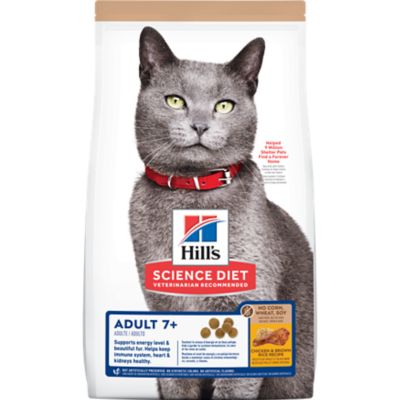
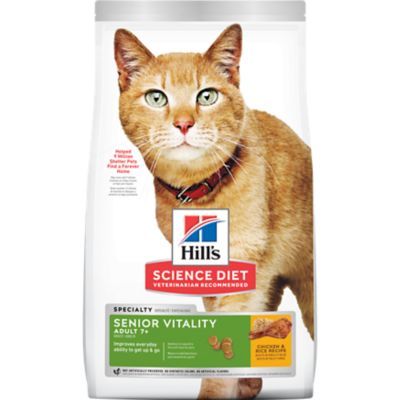
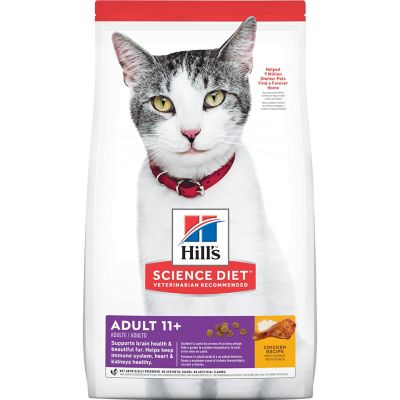
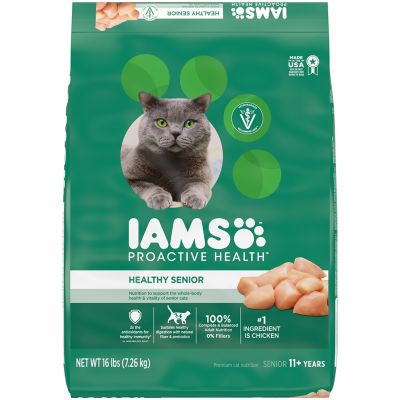
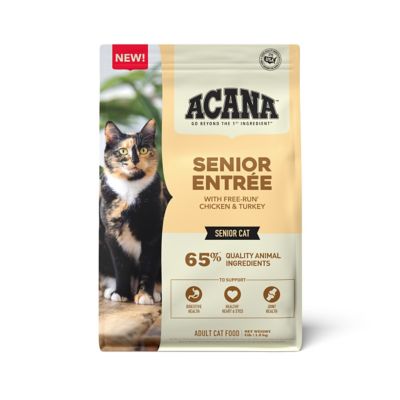
Senior cat food is formulated with the needs of aging cats in mind, including maintaining lean muscle, supporting digestion and providing energy in portions that fit their activity level. Many foods labeled for seniors are intended for cats around age seven and older, though the age on the bag is only part of the picture. A cat that still patrols the mudroom and watches every bird outside the kitchen window may have different needs from one that spends most of the day curled up beside the couch. Body condition, appetite, dental comfort and medical history all matter when choosing food for an older cat. Senior formulas come in dry kibble, wet food and a range of textures, giving households room to match nutrition with familiar eating habits. There is no separate AAFCO nutrient profile specifically for senior cats, so the nutritional adequacy statement matters more than the word “senior” alone. A food labeled complete and balanced for adult maintenance provides the essential nutrients for that life stage when fed as directed; toppers and foods labeled for supplemental feeding do not serve the same purpose. Digestible protein helps older cats maintain muscle, while essential amino acids such as taurine remain important throughout adulthood. Named animal protein sources, including chicken, turkey and fish, can help shoppers understand a recipe, but the first ingredient alone does not establish its overall nutritional value. The complete formula, calorie content and the cat’s response to it deserve attention, too. Age by itself is not a reason to sharply restrict protein. An older cat with a healthy appetite and steady weight may need a different nutrient balance than one with a diagnosed condition. For the longtime house cat that has been part of the morning chores for years, the goal is food that supports everyday comfort and nourishment without making mealtime a struggle.
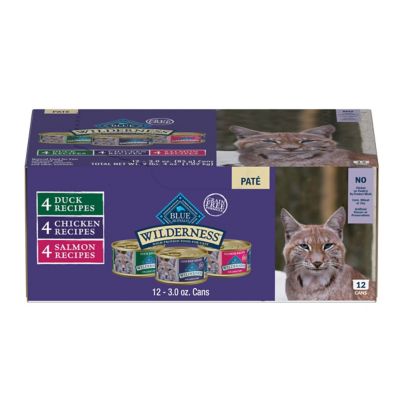
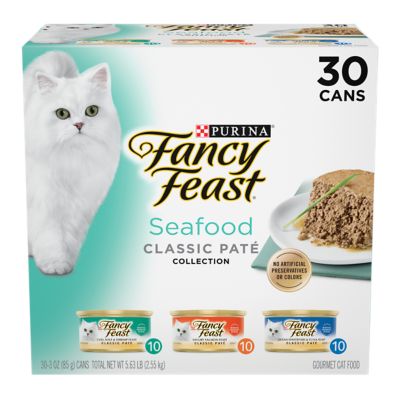
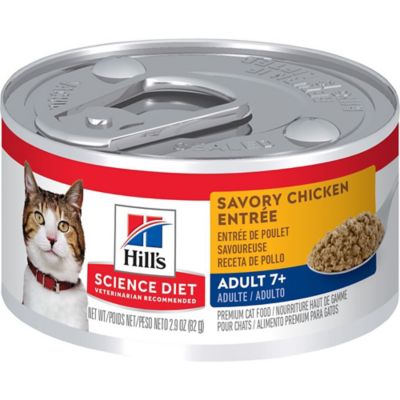
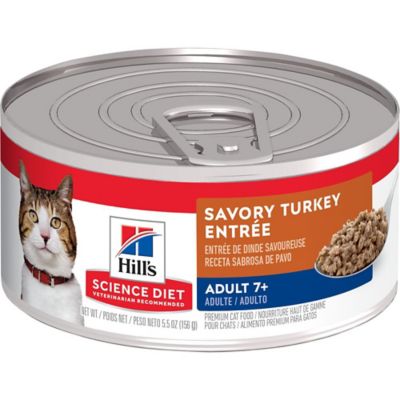
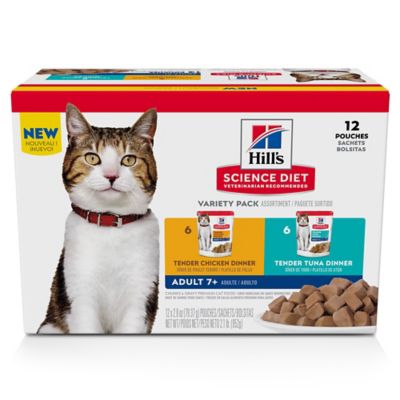
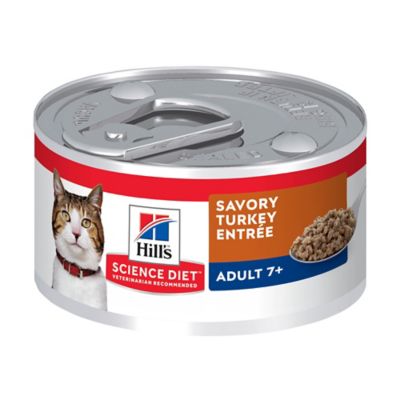
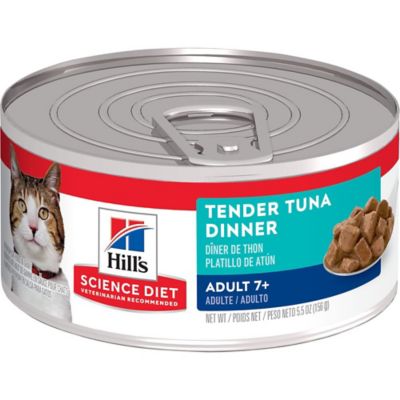
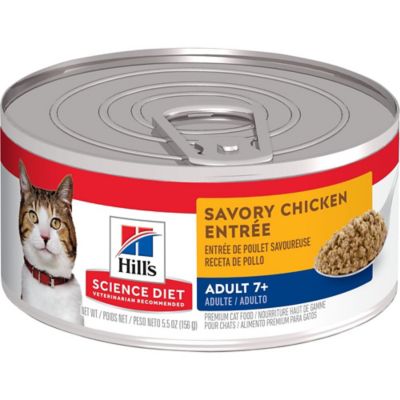
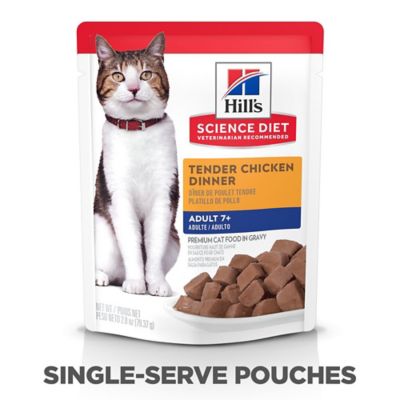
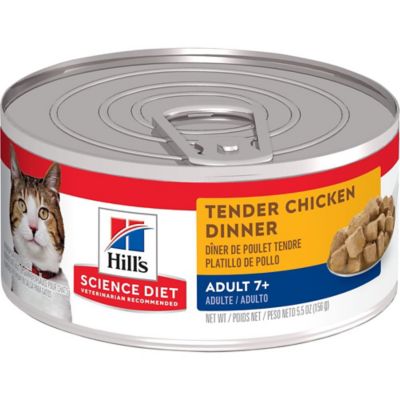
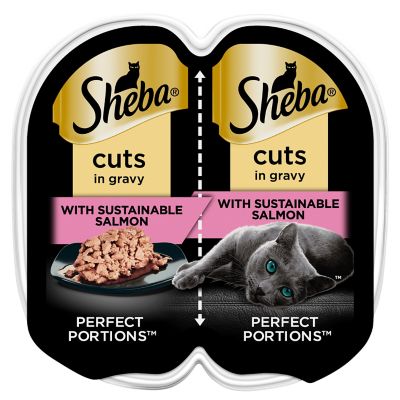
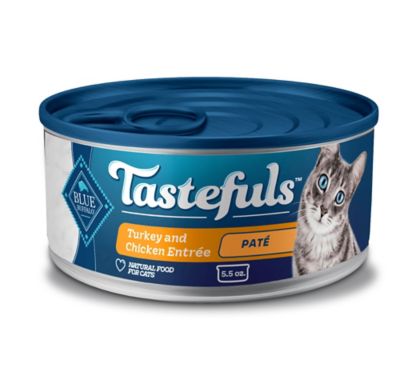
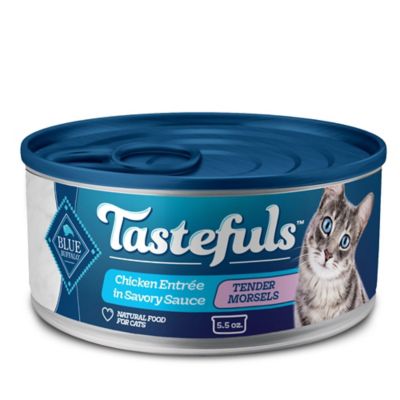
Texture and moisture can make a real difference in how well senior cat food fits a cat’s daily routine. Dry senior cat food offers a familiar crunch and lets caregivers measure portions for scheduled meals or compatible automatic feeders. Kibble size and shape affect how a cat picks up the food, but smaller pieces are not necessarily softer, and ordinary dry food should not be counted on to clean teeth. Wet senior cat food supplies more moisture and comes in textures such as smooth pâté, minced recipes and tender pieces in gravy. A cat that licks the gravy and leaves every chunk behind may do better with a more even texture, while another may prefer small pieces with a little bite. Options within
soft cat food can suit cats that prefer a tender meal, provided the recipe also matches their nutritional needs. Softness alone does not make a food appropriate for every senior, and new chewing trouble, drooling or food falling from the mouth calls for a veterinary dental check rather than a texture change alone. Moisture-rich meals contribute to daily fluid intake, but fresh drinking water still belongs within easy reach. For some cats, a combination of wet and dry food offers a practical middle ground, with both portions counted toward the day’s calories. Aroma matters as well, especially for a cat that walks up to the bowl, sniffs and wanders off. Serving wet food at room temperature or gently warming it can make its smell more inviting; stir it and check that it is not hot before serving. Smaller meals may fit a light eater better than one large serving. A quiet feeding spot, a clean shallow bowl and footing that does not slide can make meals easier for a stiff older cat. In a home with several cats, separate bowls or feeding areas also help keep a younger, eager eater from finishing the senior cat’s portion before there is a chance to settle in.
Calorie needs can move in either direction as cats get older, which is why senior cat food is not automatically a lower-calorie choice. A less active cat carrying extra weight may benefit from measured portions and a veterinarian’s weight-management plan, while a thin senior may need more calories, easier-to-digest food or an evaluation for an underlying problem. Feeding directions are a starting point, not a fixed serving size for every cat. Comparing calories per cup, can or tray helps keep portions consistent when changing formats, and treats and toppers count toward the daily total. Regular weight checks can reveal changes that are easy to miss beneath a thick coat, especially during the cooler months when a cat spends more time tucked into a warm bed. Some senior recipes include fiber blends for stool consistency or hairball management, omega-3 fatty acids for joint support, and antioxidants that help support normal immune function. Benefits depend on the full formulation and the amounts provided, not simply an ingredient appearing on the label. Senior labeling also does not guarantee restricted phosphorus or make a food suitable for kidney disease. Cats with chronic kidney disease, diabetes, thyroid disease or other medical conditions may need a veterinarian-directed therapeutic diet rather than a general senior formula. Unexplained weight loss, increased thirst or a lasting appetite change deserves a veterinary visit; a cat that stops eating needs prompt attention. For routine food changes, a gradual transition over about a week, or longer for a sensitive cat, often makes the switch easier on digestion. Storage and bowl care help keep meals appealing: keep dry food sealed in its original bag inside a clean container, follow package directions for refrigerating opened wet food and wash dishes regularly. Package size should fit how quickly the household goes through the food, especially when an older cat eats small portions. The best fit is a complete and balanced food that matches the cat’s health, supports steady body condition and makes that familiar walk to the food bowl a welcome part of the day.