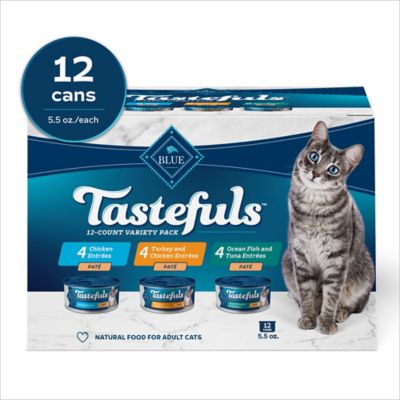
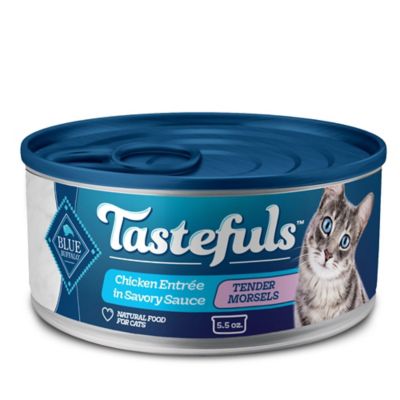
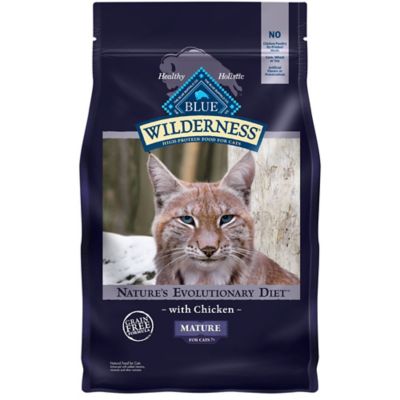
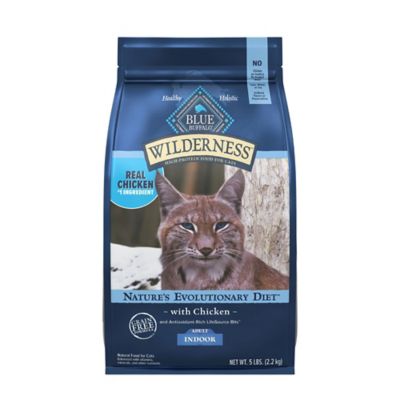
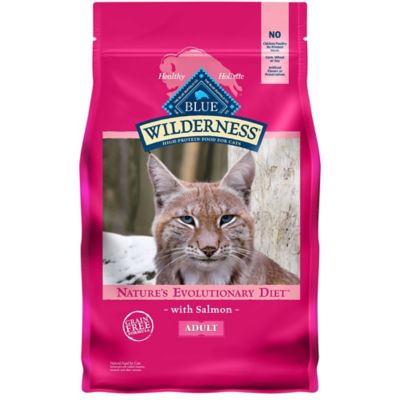
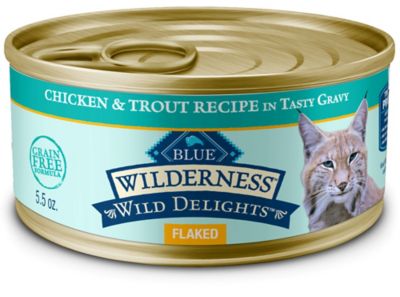
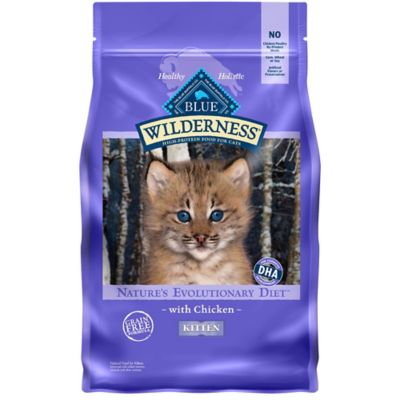
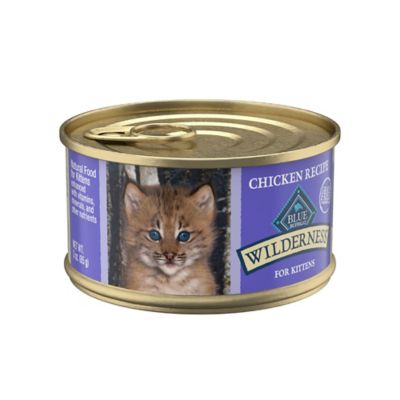
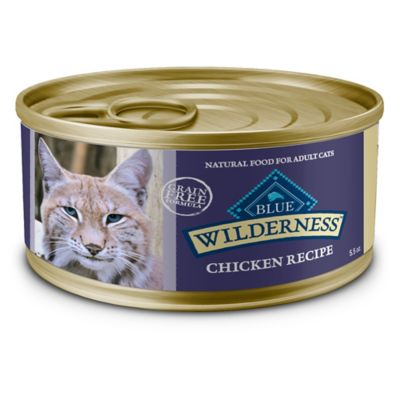
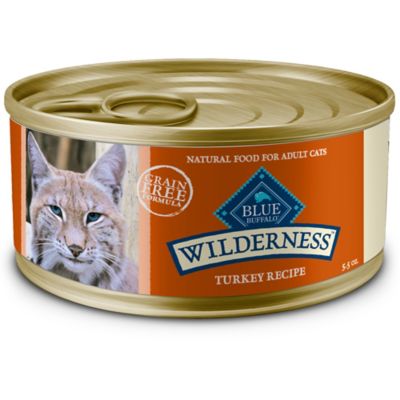
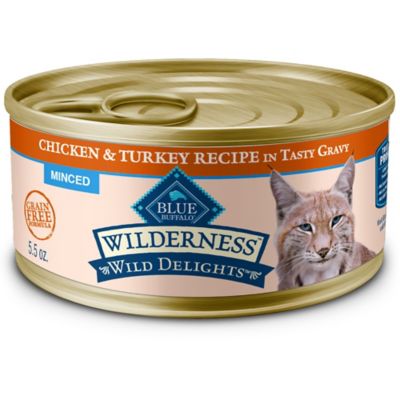
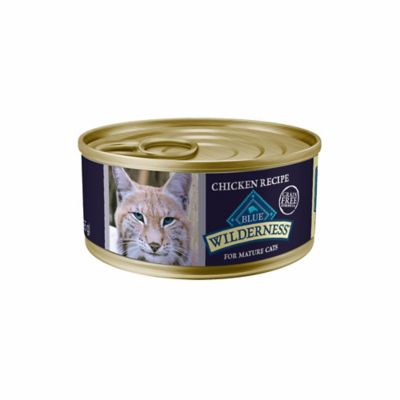
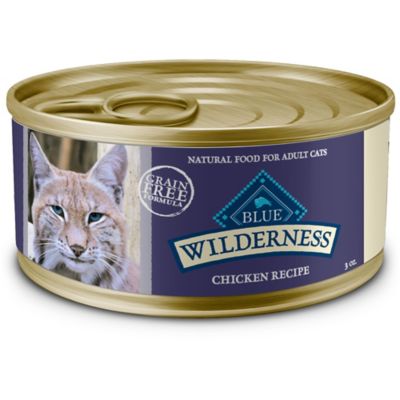
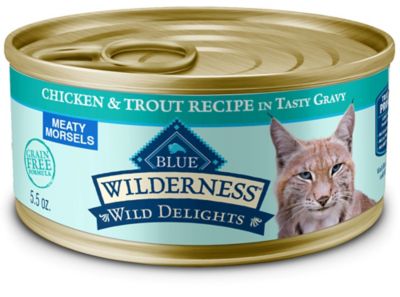
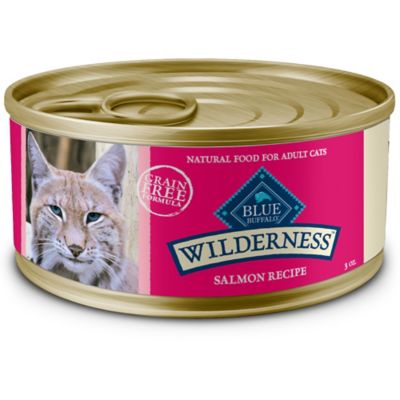
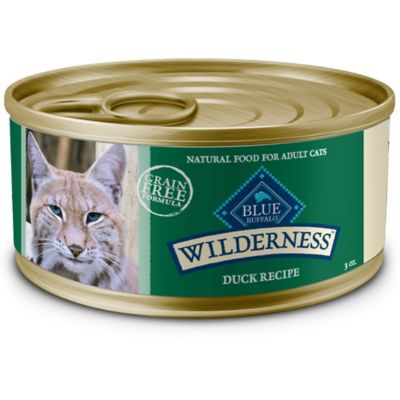
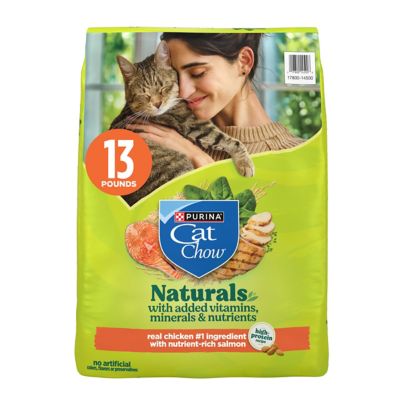
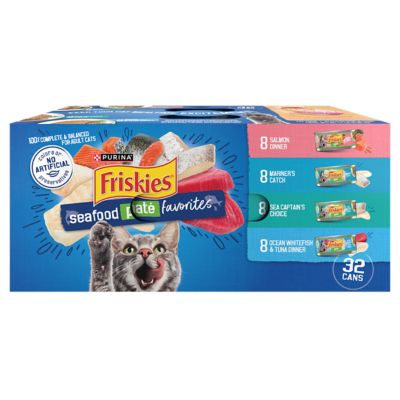
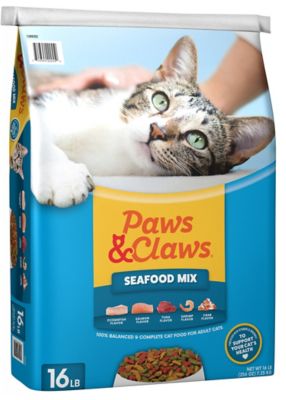
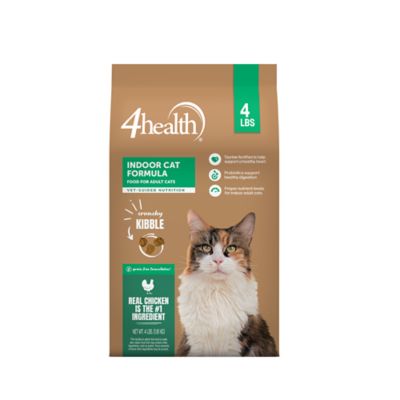
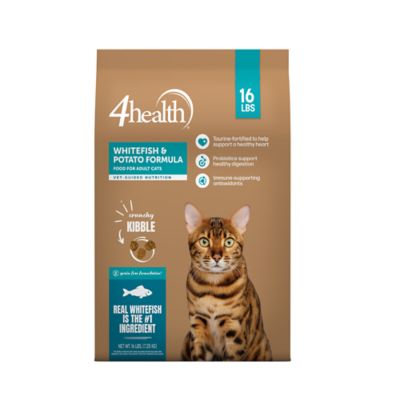
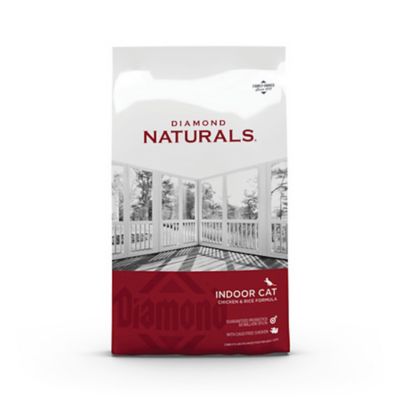
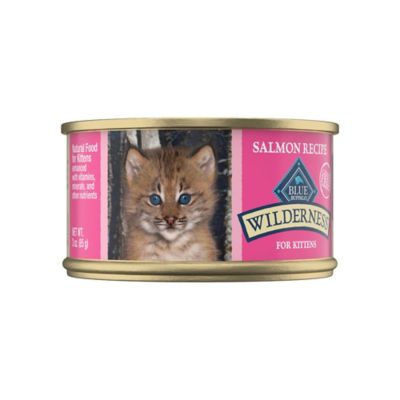
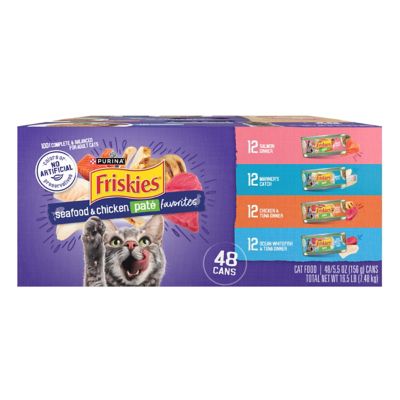
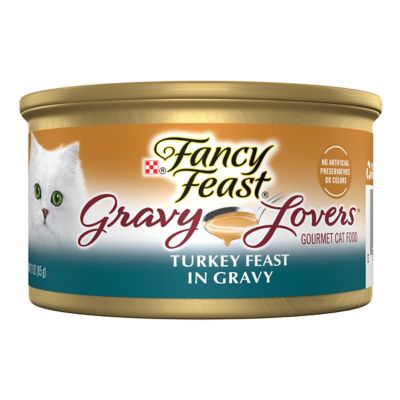
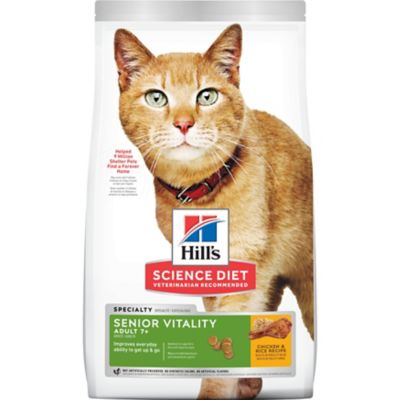
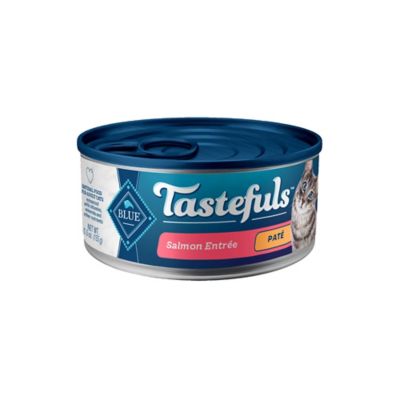
Blue cat food is a popular choice for cat owners looking for everyday nutrition with recognizable ingredients and recipes made for different ages, activity levels and feeding routines. When comparing options, start with the basics on the label: look for a complete and balanced statement for your cat’s life stage, then check the guaranteed analysis, ingredient list and feeding directions. Cats are obligate carnivores, so animal-based protein is an important part of their diet. Many shoppers prefer recipes that list real meat, poultry or fish near the beginning of the ingredient list, while avoiding poultry by-product meals, corn, wheat or soy when those ingredients do not fit their cat’s needs. That said, every cat is different. One cat may do well on a recipe with grains such as brown rice or barley, while another may need a different formula because of a sensitive stomach, food intolerance or a health condition. A veterinarian can help narrow down choices when your cat needs a therapeutic diet, has ongoing digestive trouble, is gaining or losing weight unexpectedly, or simply refuses food for more than a short time. For healthy adult cats, everyday recipes may be available as dry kibble, wet food or a combination of both. Dry food is convenient for measured portions and easy to keep on hand, while wet food adds moisture and can be especially helpful for cats that are poor drinkers. In our experience, a cat that turns up its nose at a full bowl of kibble may happily lap up a little wet food, particularly during the cooler months when indoor air can be dry. Fresh water should always be available, whether meals come from a bowl, automatic feeder or a scoop tucked into the pantry.
Shopping for blue cat food also means matching the recipe to the cat in front of you, not just the picture on the bag or can. Kittens need food formulated for growth, with the calories and nutrients that support their busy bodies, while adult cats generally need a balanced maintenance recipe. Senior cats may benefit from food with an appropriate calorie level and texture that is easy to chew, although age alone does not mean a cat needs a specialty diet. Indoor cats often burn fewer calories than barn cats, porch cats or active mousers, so indoor formulas may be made with portion control and hairball support in mind. Cats that spend their days stretched across a sunny windowsill can put on weight quietly; a few extra bites at every meal add up over time. Use the feeding chart as a starting point, measure portions instead of topping off the bowl by guesswork, and adjust with guidance from your veterinarian if your cat’s body condition changes. High-protein, grain-free recipes may appeal to owners trying to provide a meat-forward diet, but grain-free does not automatically mean lower in carbohydrates, and it is not automatically better for every cat. Some dry foods rely on peas, potatoes or other starches, so reviewing the full guaranteed analysis matters more than relying on a front-of-package claim. Wet food can offer a different texture and generally contains more moisture, which makes it useful for cats that prefer pâté, chunks in gravy or tender morsels. For a cat with a touchy belly, change foods slowly over about a week by mixing a small amount of the new recipe with the old one, then gradually increasing the new food. A sudden switch can lead to loose stool even when the new recipe is a good fit. Keep opened wet food covered and chilled, wash bowls regularly, and store dry food in a cool, dry place with the original label nearby so you can check lot information and expiration details.
These foods can be a practical pick for households with one pampered indoor companion, a multi-cat home with different appetites, or a working farm cat that needs a dependable meal alongside its outdoor routine. They also make a thoughtful gift for a neighbor, new pet parent or family member who has recently welcomed a cat, especially when paired with feeding bowls, a scoop, treats or a fresh supply of litter. Before giving food as a gift, check the cat’s age, current diet and any known allergies or veterinarian-recommended restrictions; a generous bag of food is not much help if it does not agree with the recipient’s cat. For multi-cat homes, separate feeding areas can reduce crowding and help you notice which cat is eating, while puzzle feeders may give an active cat a little more exercise and mental work. During late summer’s warmer stretch, wet food should not sit out for long, and outdoor feeding stations should be kept shaded and cleaned often to discourage flies and wildlife. As the weather cools, cats may spend more time indoors, making it a good season to revisit portion sizes, activity and water intake. Keep an eye on the litter box, coat, energy and appetite, since those everyday details often tell you how a diet is working. A glossy coat, steady weight, normal stools and a bright, comfortable attitude are encouraging signs, but they do not replace regular veterinary care. If you are comparing blue cat food options, consider the recipe’s protein source, moisture level, calorie content, texture, life-stage statement, package size and how well it fits your cat’s routine. Buying a smaller size first can be sensible for a picky eater, while a larger bag may offer convenience for households with several cats when the food is a proven favorite. For more general guidance on choosing nourishing options, browse
Healthy Cat Food, then select a recipe that helps make mealtime simple, dependable and satisfying from the first morning scoop to the last evening purr.